Friday, August 15, 2025 – The plan was to get to the submarine museum as soon as it opened. We’d been thwarted the last two times we’d tried to go, so we were hoping that the adage “three times a charm” was true for us.
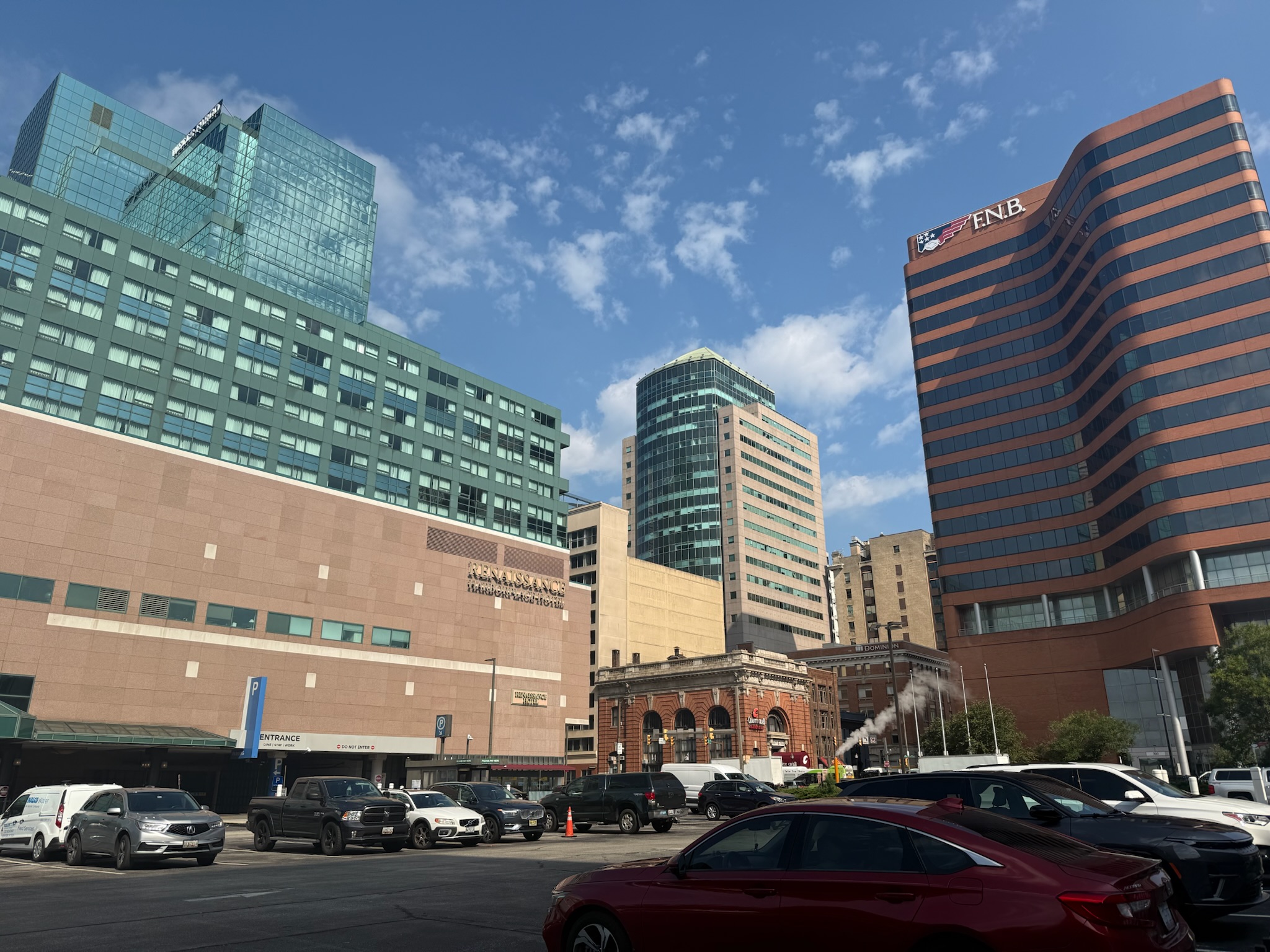
We found a parking spot on the street near the museum with relative ease. We were kind of shocked to find that street parking was $5.00 per hour, with a four-hour limit. This was the view of downtown from where we parked.
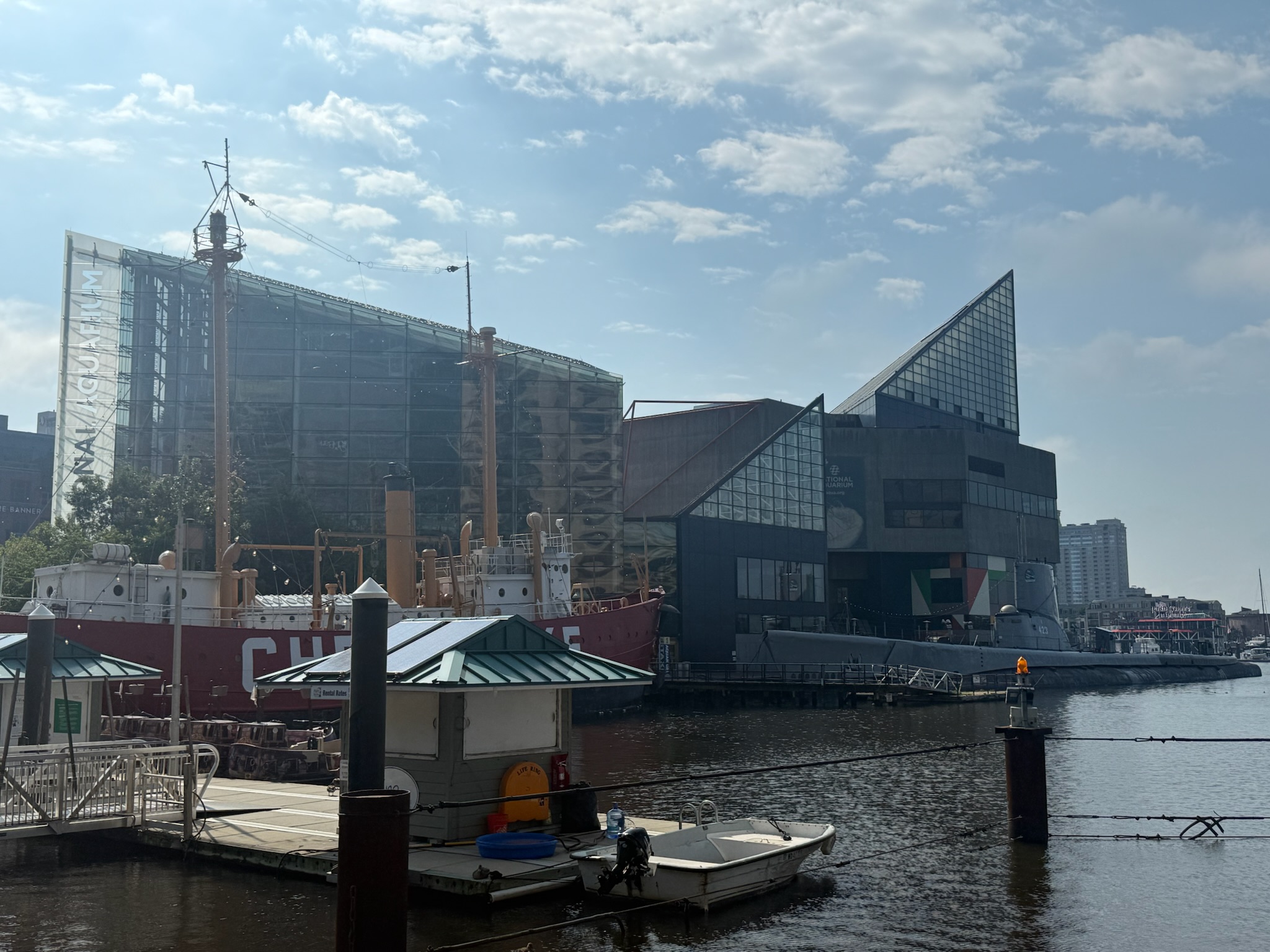
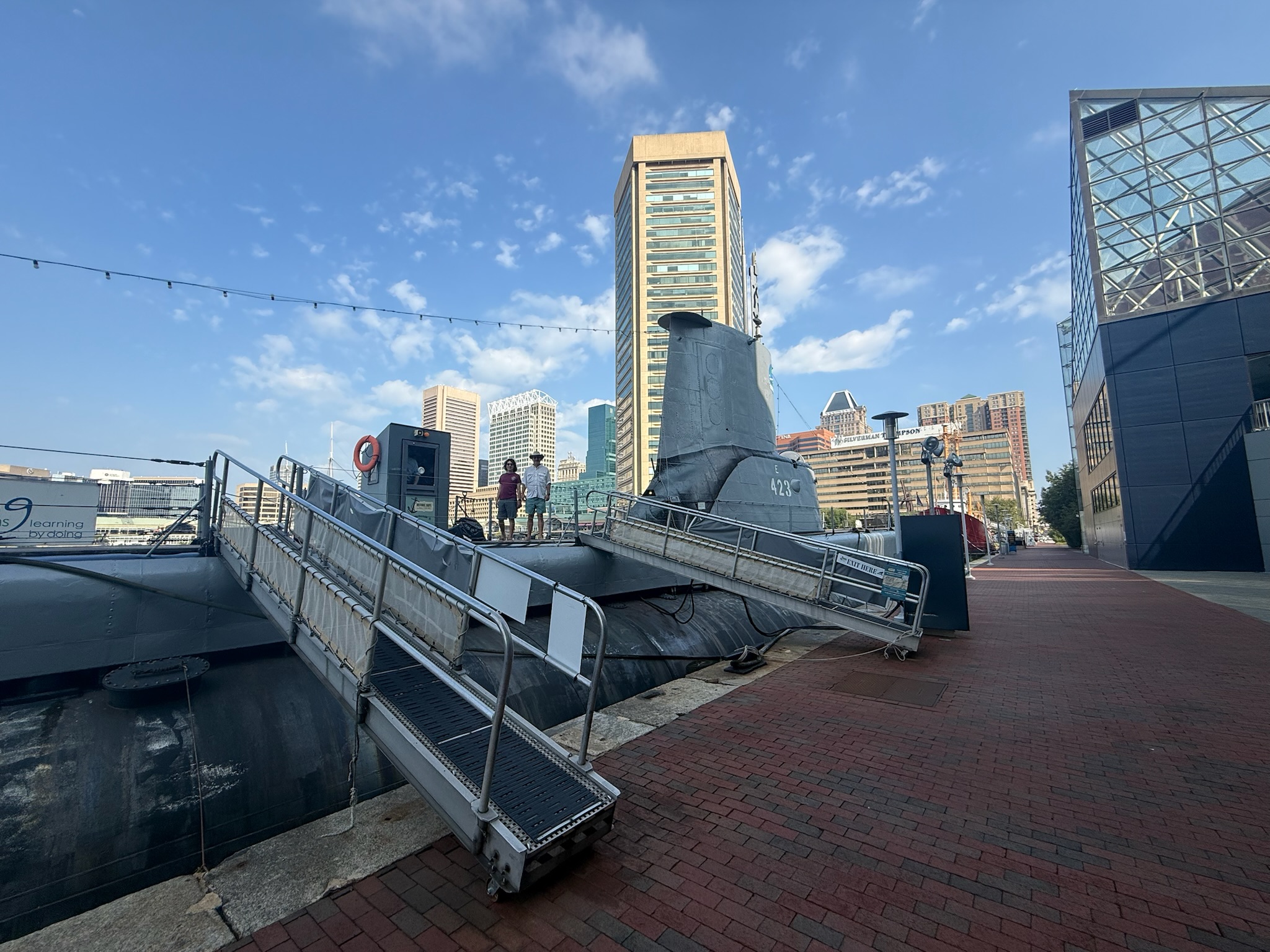
The submarine and a lighthouse ship were docked on Pier 3, right next to the National Aquarium.
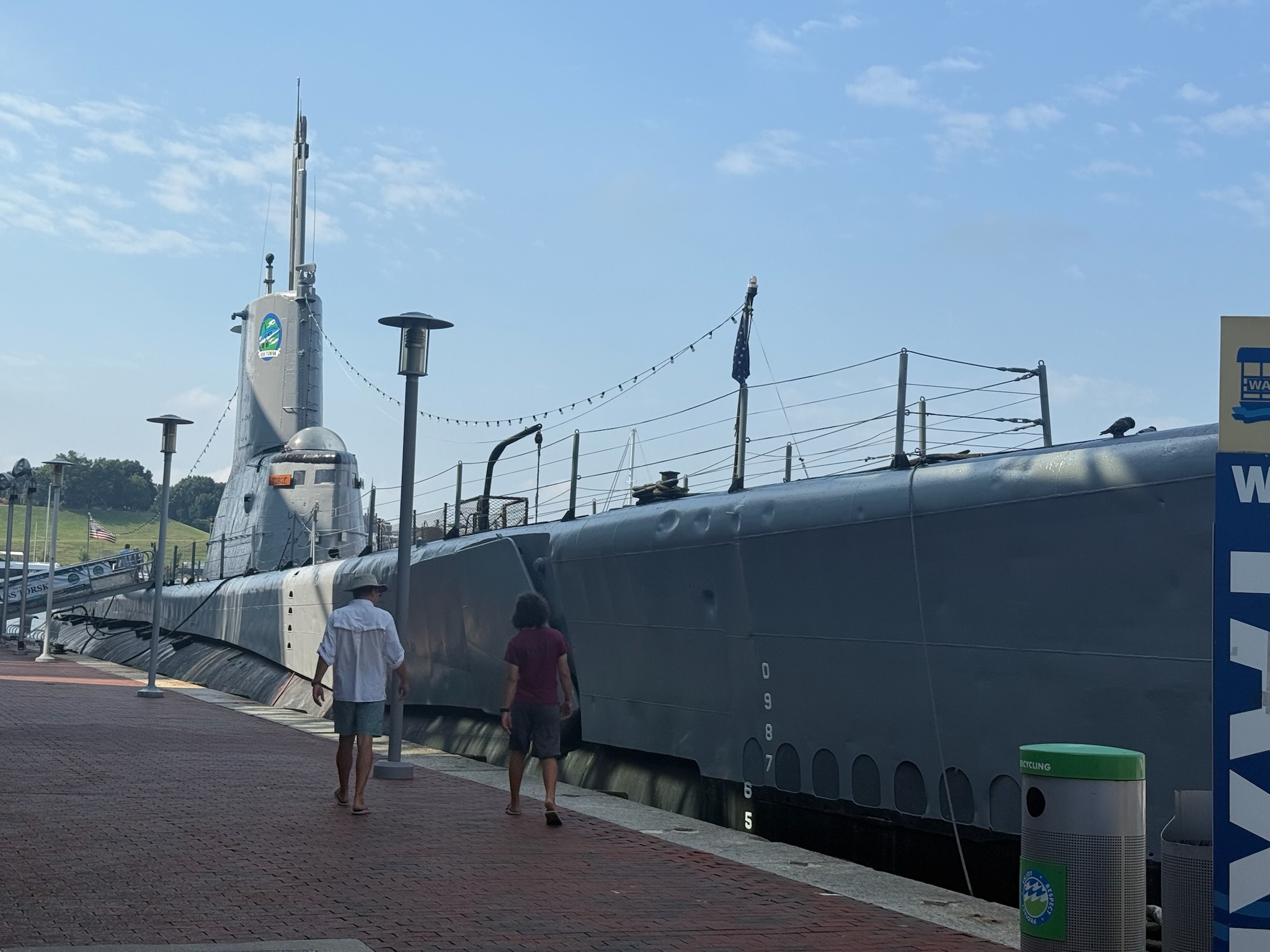
Tickets were $22 each for adults and $10 for kids under 15. We were pleasantly surprised to find out the tickets were actually for a lighthouse and four ships: the submarine, the lighthouse ship, a coast guard ship, and one of the last navy sailing ships in the US fleet.
We started with the submarine. Eric and Christi were both curious to see how this World War II vehicle that was launched in 1944 compared to the 1968 American research submarine that is still on display and the 1974 Russian submarine that used to be on display at the Maritime Museum in San Diego (side note: the Russian sub deteriorated badly and was eventually sold for scrap).
The entrance was in the box that looked like a phone booth to the left of Keith and Eric.
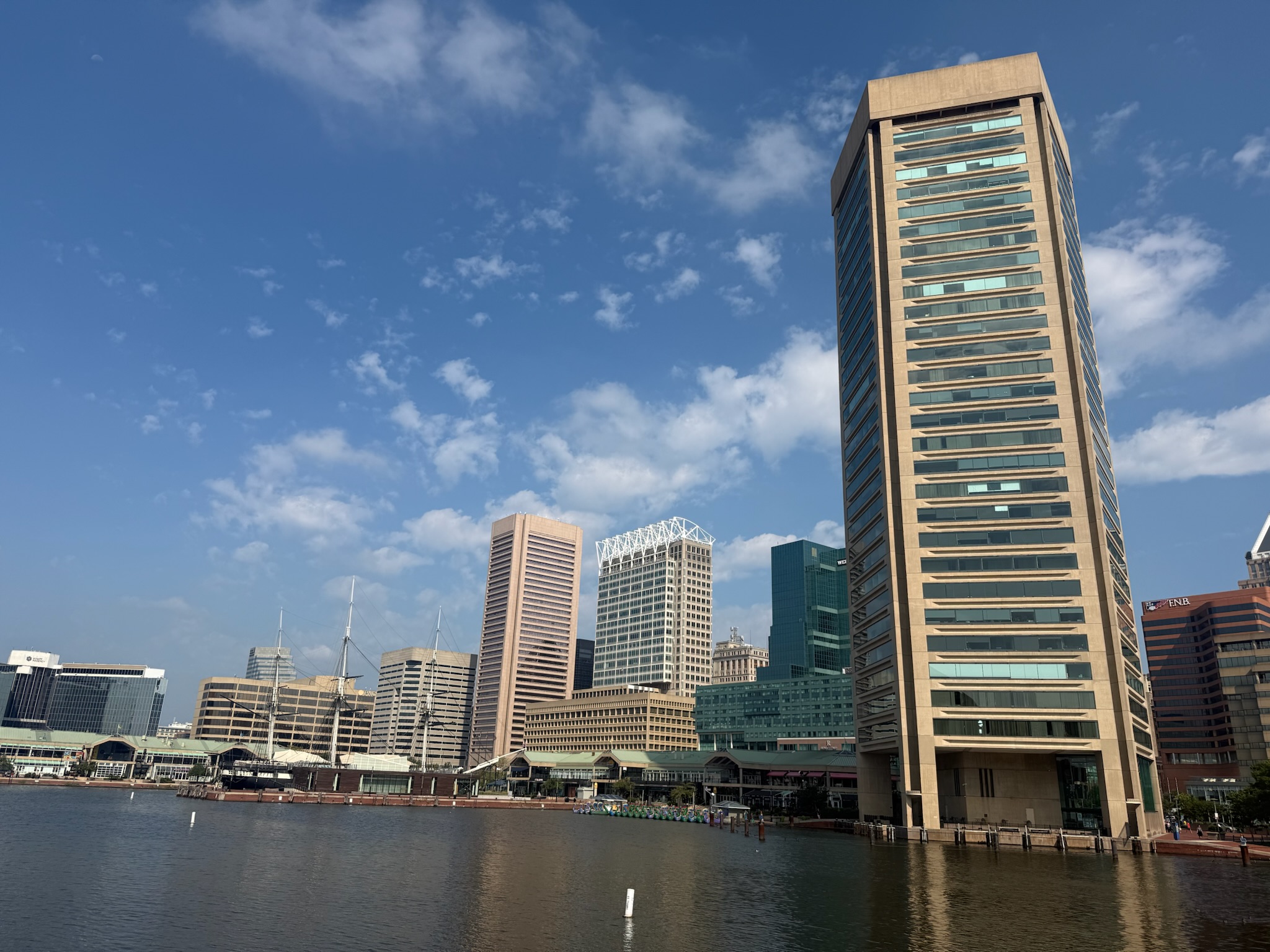
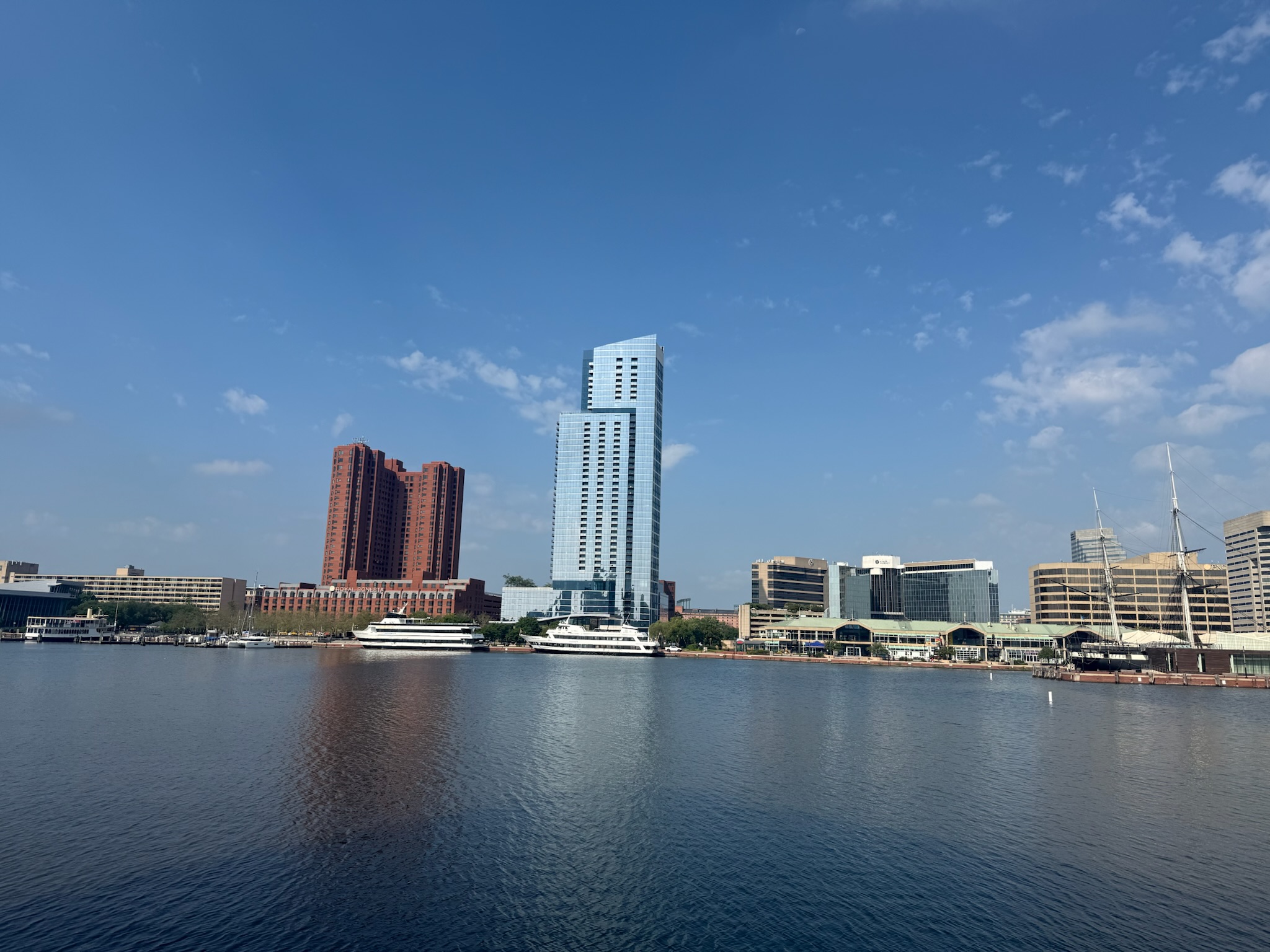
View of the Inner Harbor from the deck
The box covered a staircase down into the ship.
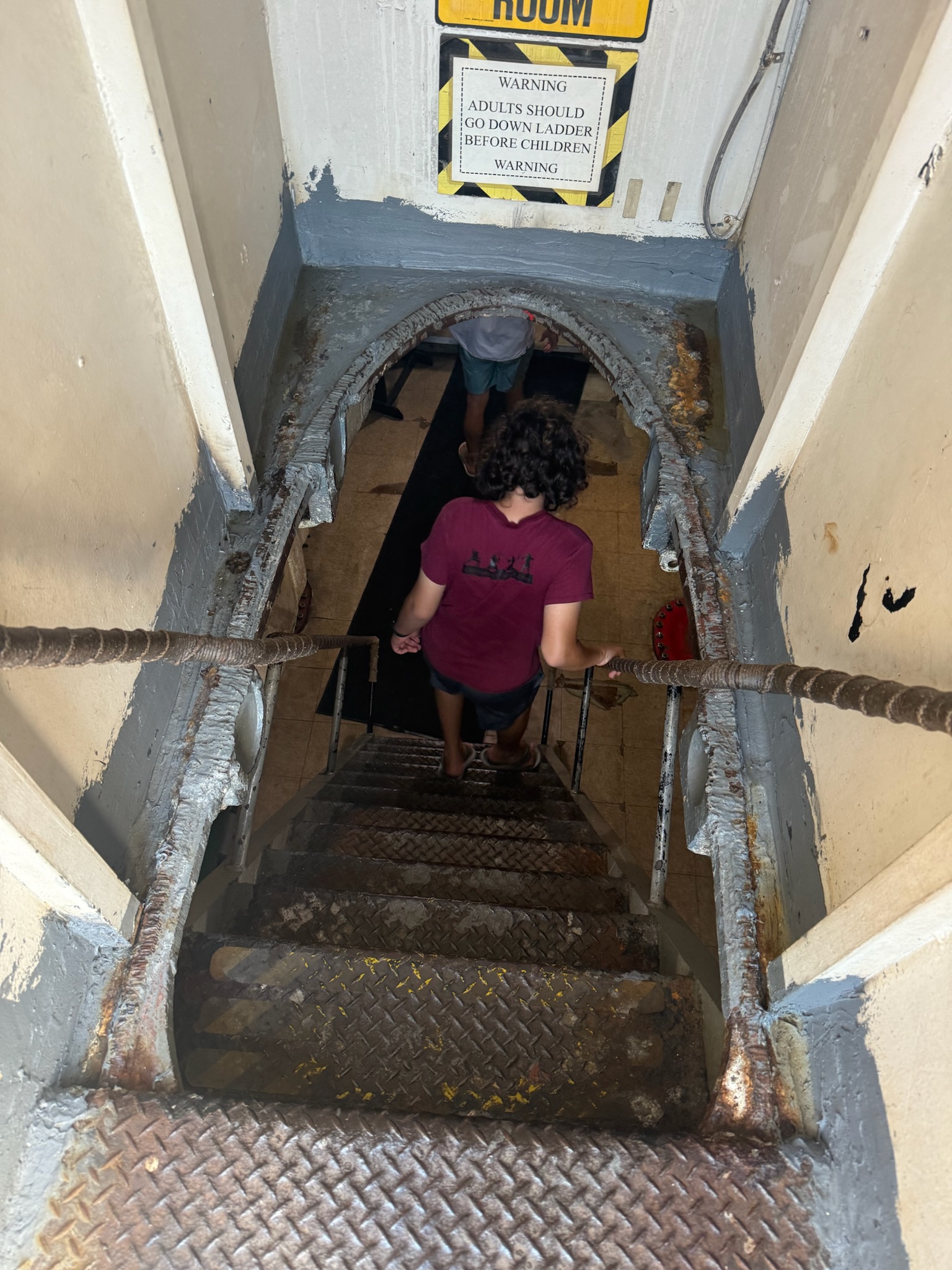
The stairs took us into the Aft Torpedo Room. There were 4 torpedo tubes. The torpedo tubes were kept loaded, plus there were 6 spare torpedos in the racks. The Torsk’s claim to fame was that in 1945, it had sunk two Japanese coastal defense frigates, which were the last two boats sunk in WWII.
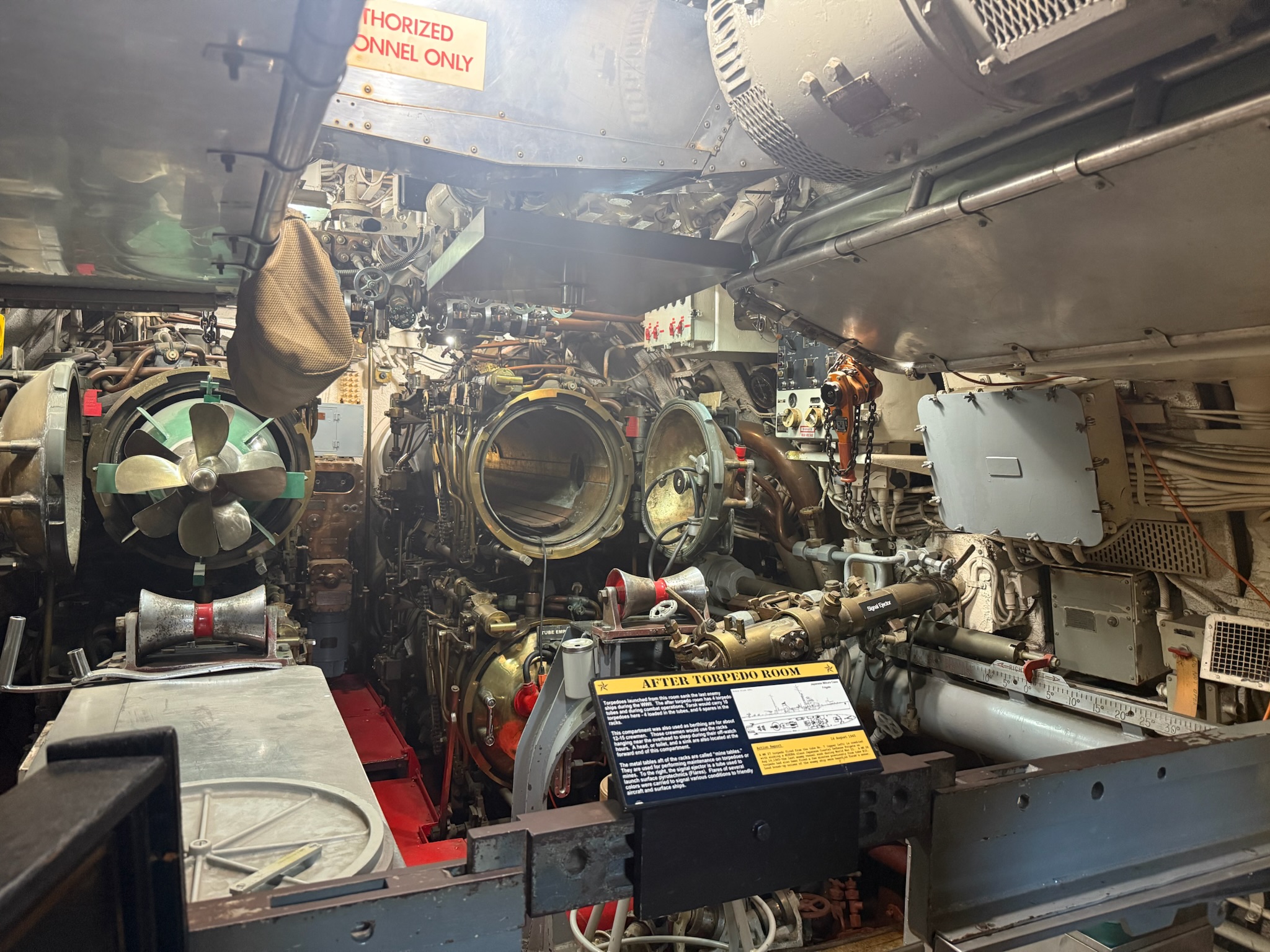
We thought the USS Wisconsin had really crammed in crew bunks. but the Torsk took it to a new level. Near the ceiling on both the right and left side of Eric were folding bunks. 12 – 15 crew slept here in this tiny space!
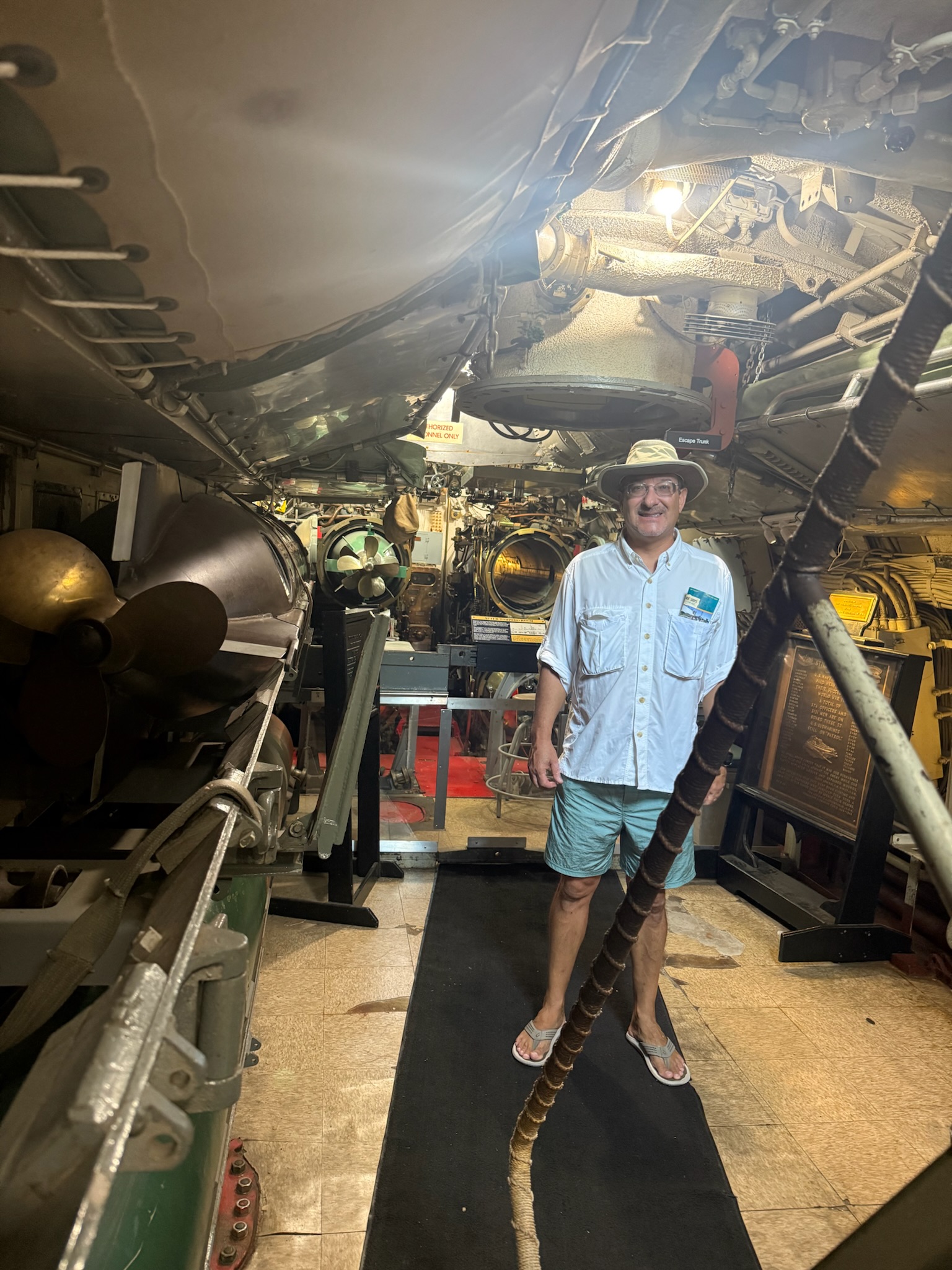
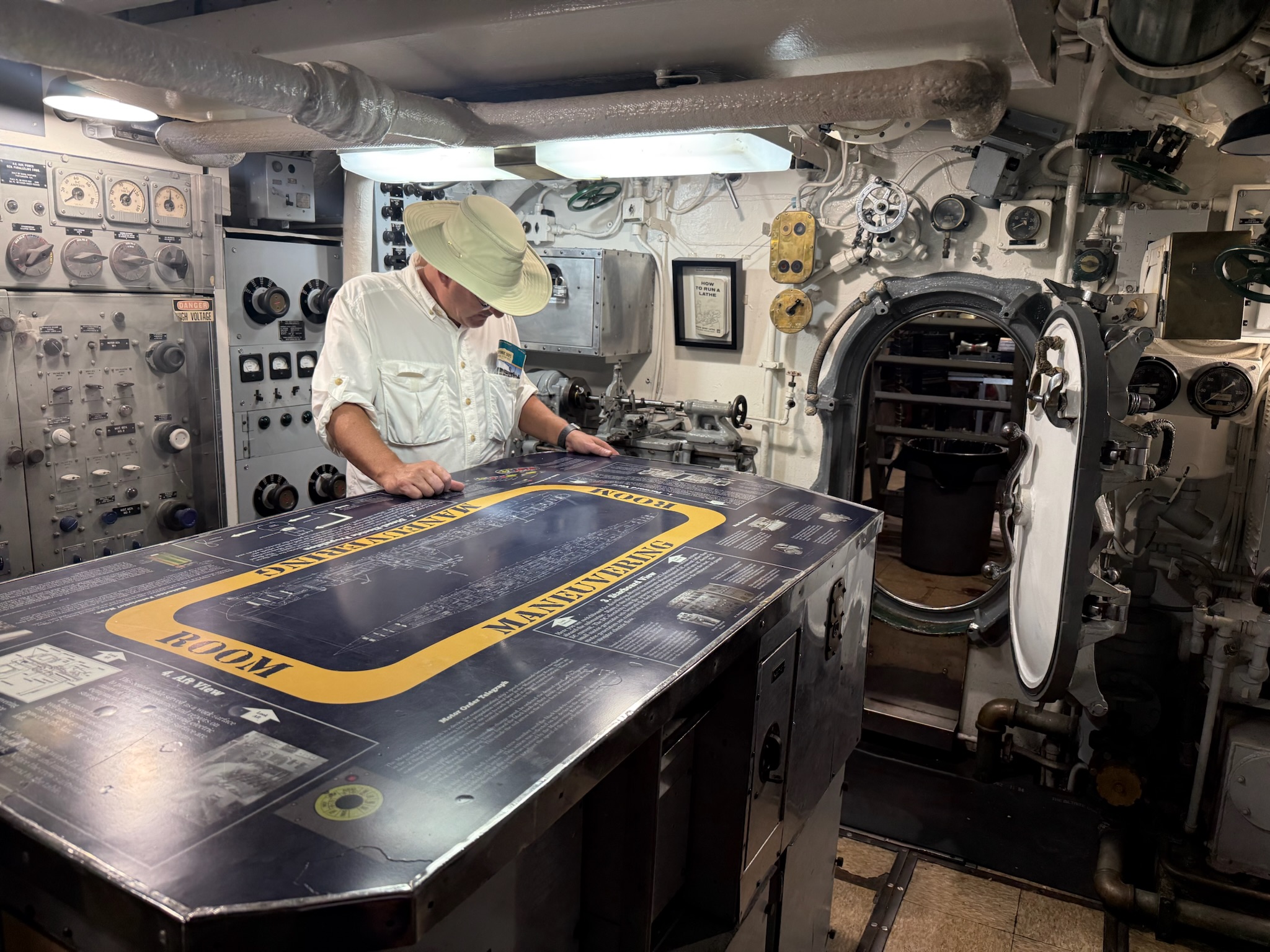
The bulkhead hatches between the rooms were also tiny. The next room was The Maneuvering Room. This room had multiple purposes. The primary was to control the boat’s propulsion. Speed and whether the propellors were in forward or reverse were adjusted per orders from navigators situated in the Conning Tower. The exhaust ventilation system was managed in this room. Power created from the engines below was distributed from the switchboard in this room. The table and the cabinet of tools beneath the table were utilized to make repairs when needed.
The Motor Room was located directly below the Maneuvering room, The lower level was not open to visitors, so this room also had information on the electric motor system. The two main-propulsion motors had a maximum of 2,700 horsepower (at the surface) and were salt-water cooled. They were powered by four diesel generators in the engine rooms or from the two lead-acid storage batteries. The batteries each had 126 cells and each cell produced 2 volts of power. The Motor Room also had 6 small motor-generators to create AC power for the ship. It could do 9-knots submerged and 22-knots on the surface. It had a range of 11,000 miles (we assume that was on the surface) and could stay submerged for 48-hours.
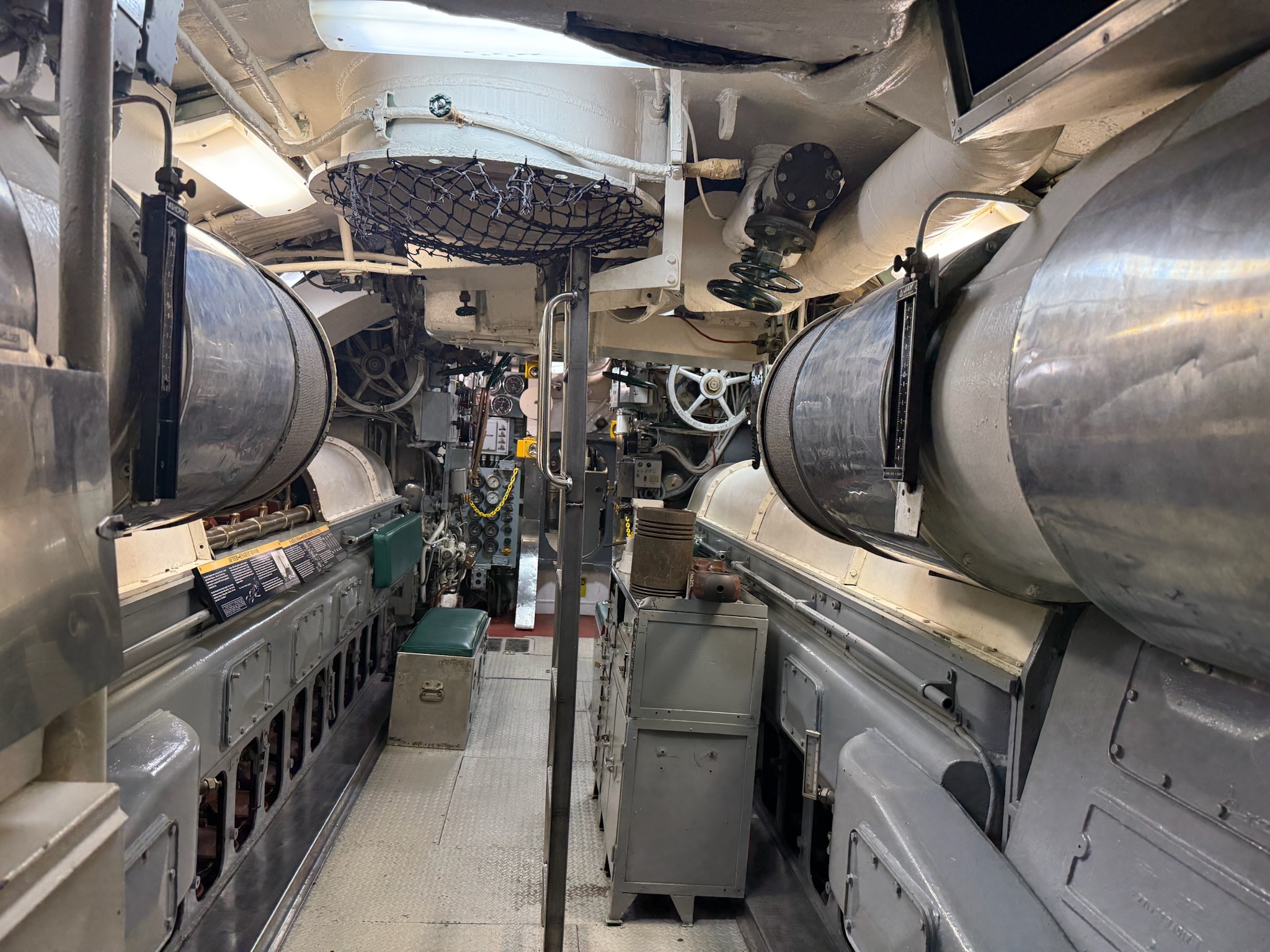
The next room was the After-Engine Room. It had two of the diesel engines, which was coupled to a DC electricity generator. Prior to 1952, engines could not operate while submerged because the exhaust and intake valves needed to be closed. In 1952, the Torsk’s Fleet-Snorkel conversion allowed the engines to operate while submerged at shallow depths. The telescoping double-pipe, AKA snorkel, brought fresh air in and allowed exhaust to go out.
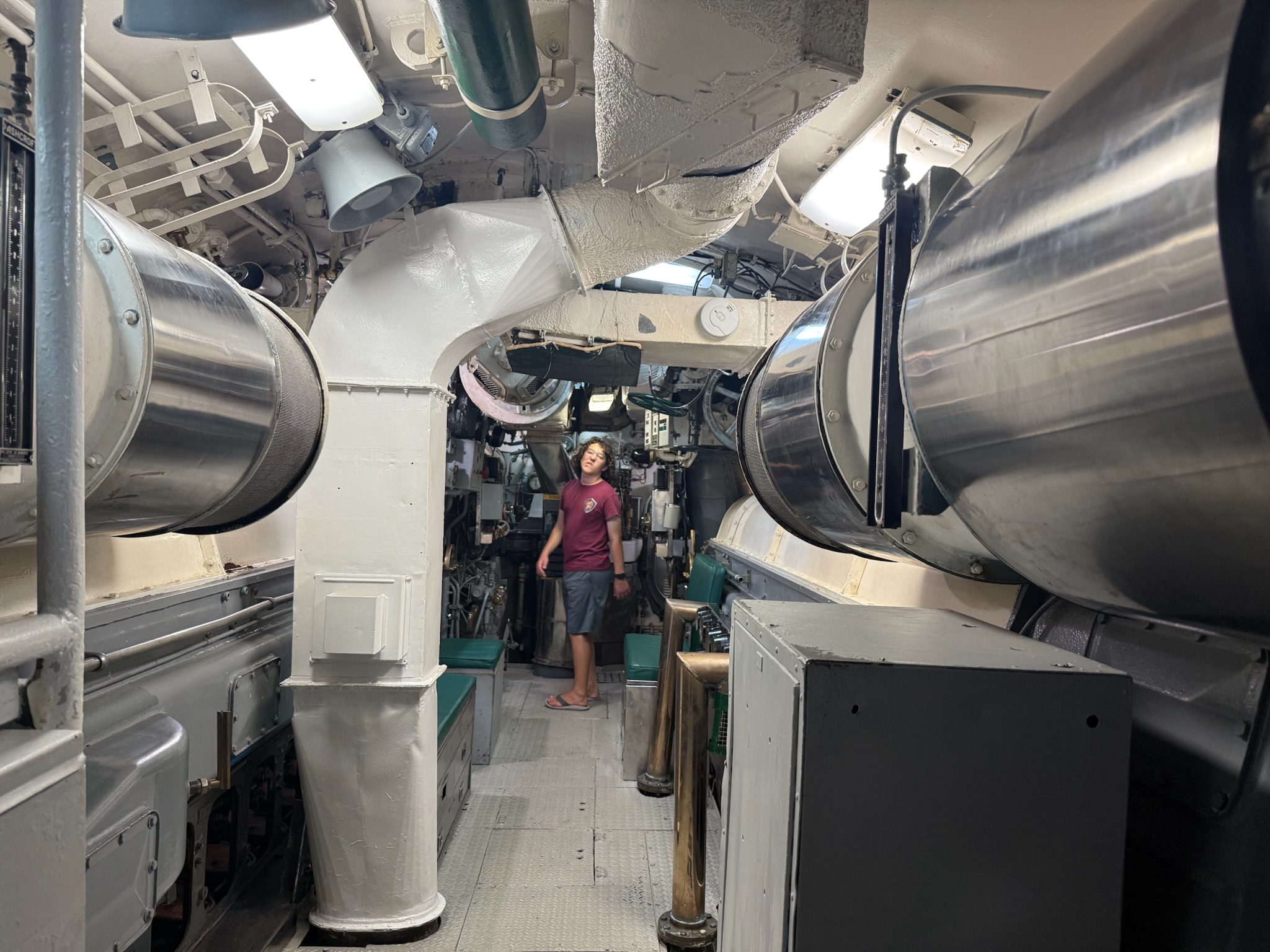
The next room contained a water distilling unit, which was a technology invented just before WWII. It made up to 1,000 gallons of freshwater per day. Most of that water went to the batteries and drinking water, but if there was enough water left over, the crew was allowed to shower once a week.
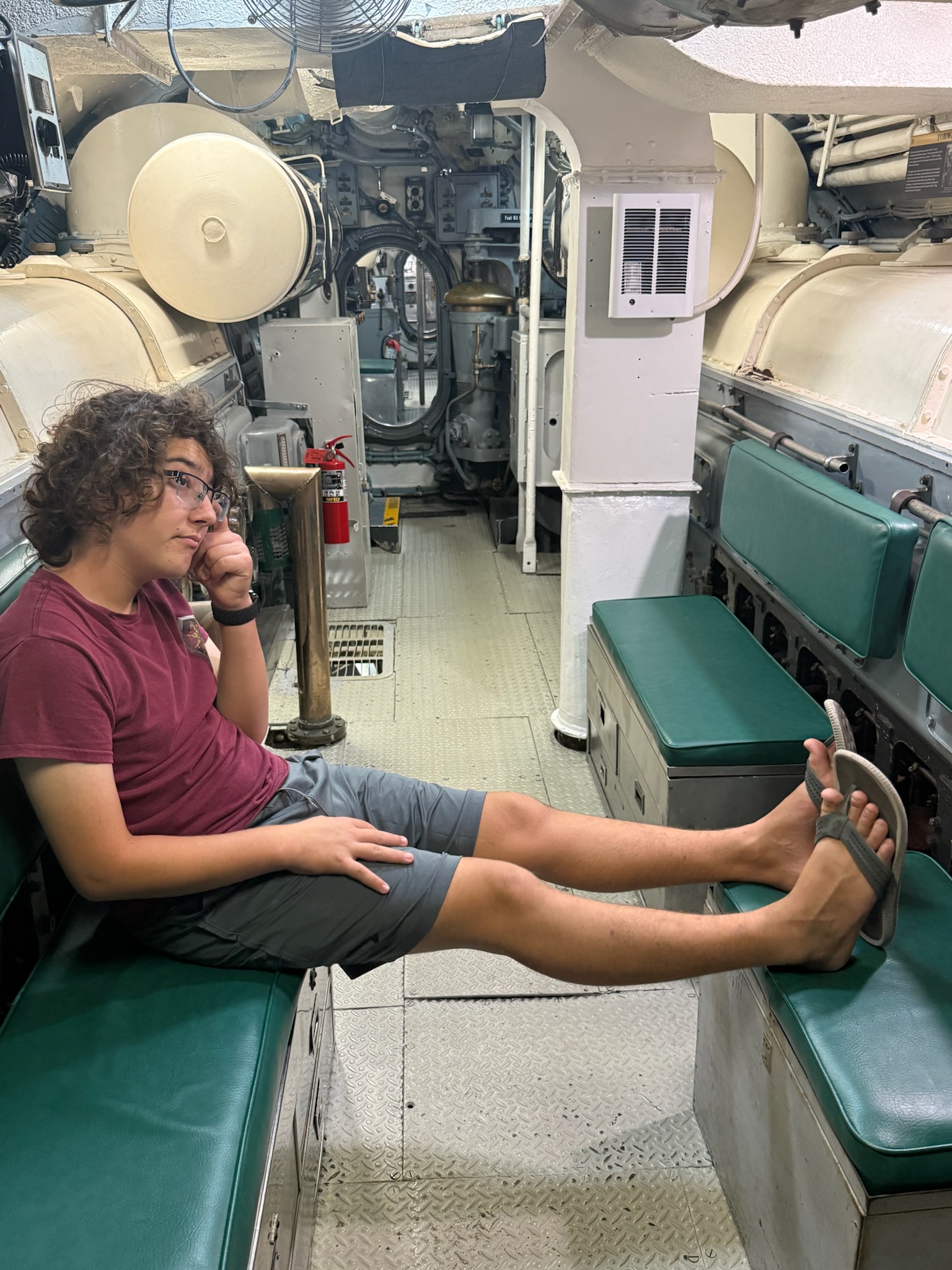
We can’t remember what was in this room.
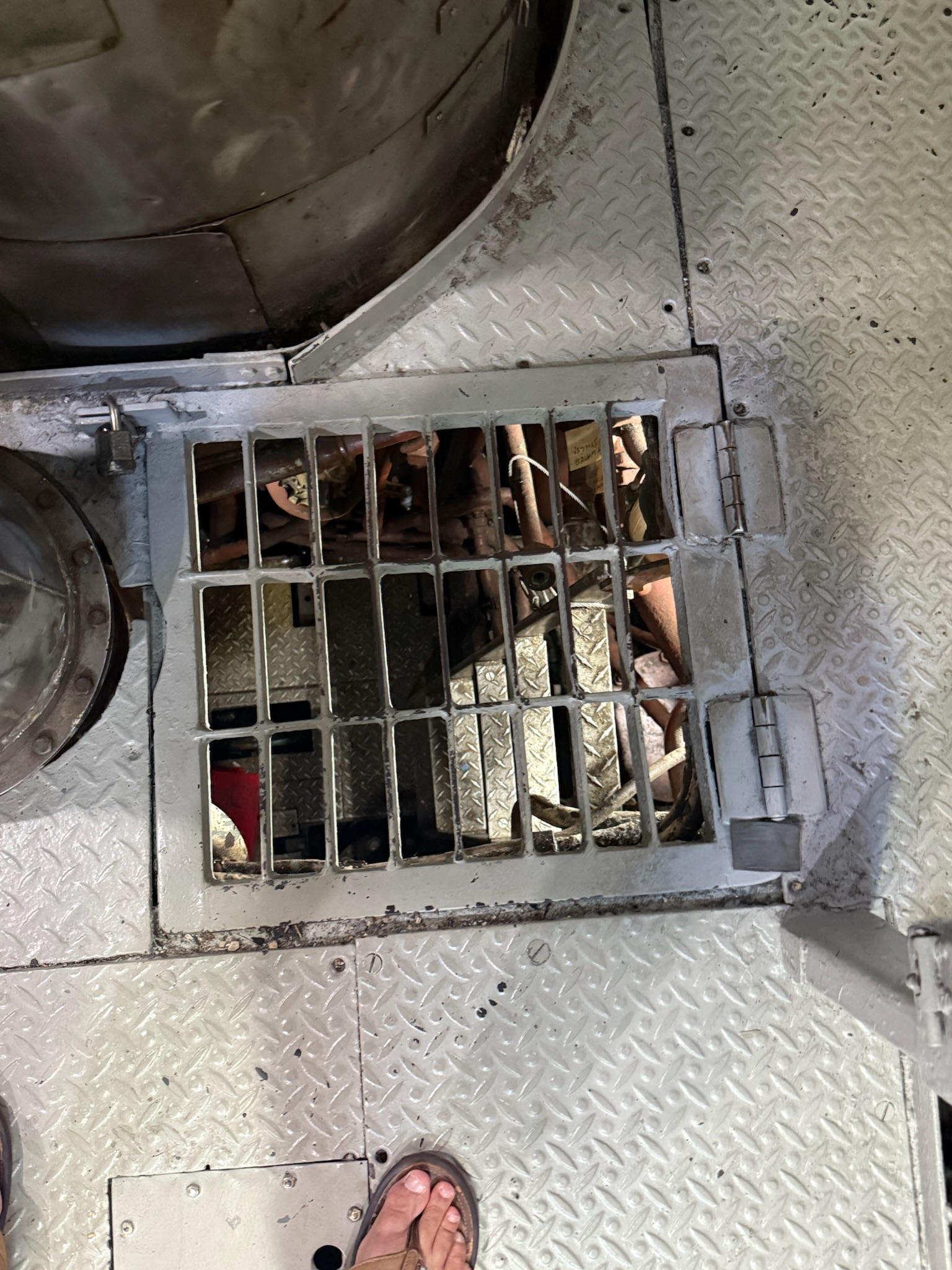
All throughout the ship there were hatches down to the lower level, but they were all closed and locked.
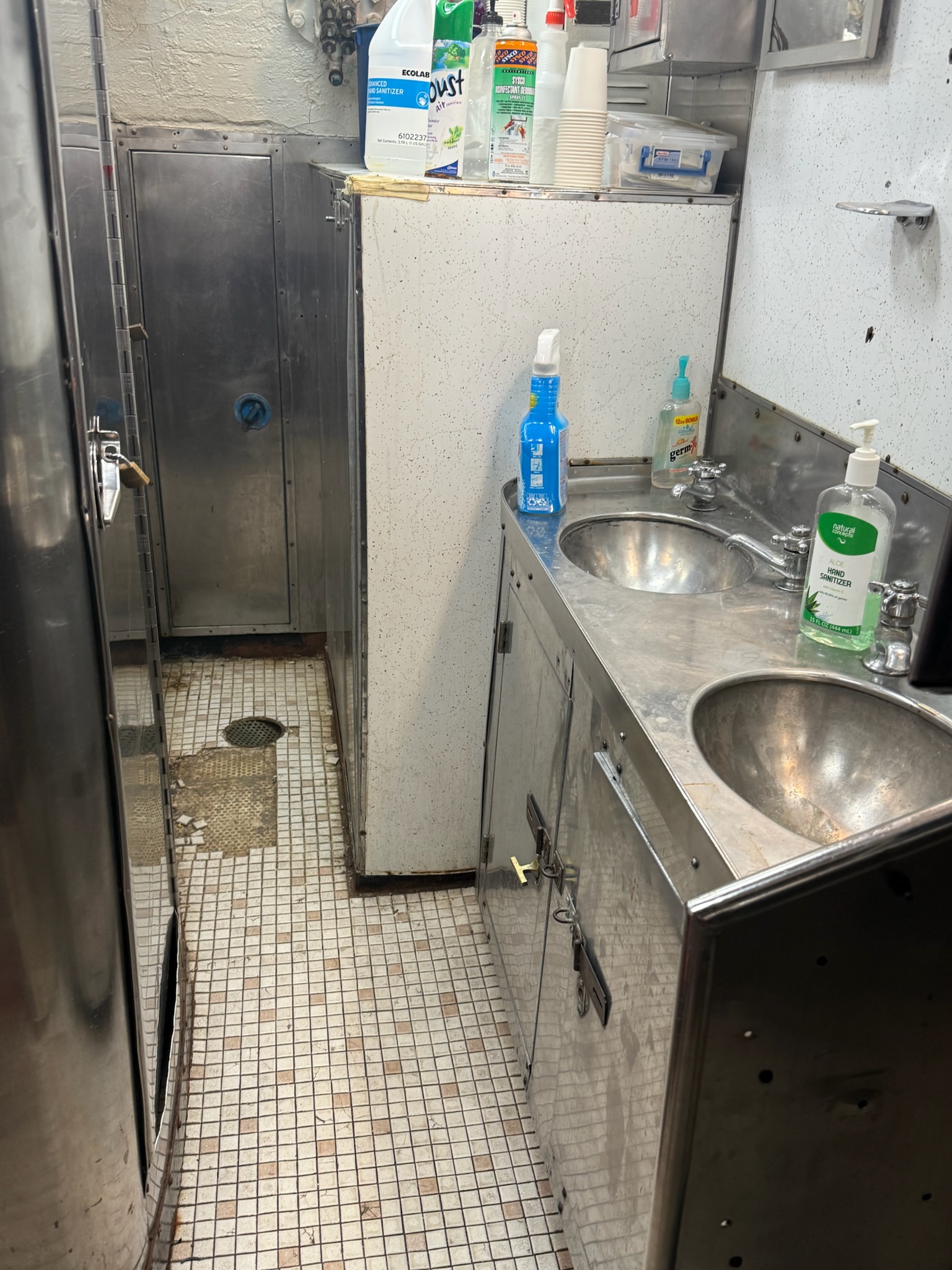
All the enlisted men shared this bathroom. It only had two toilets, showers and sinks. They did have a washing machine onboard, but it sounded like laundry was a rare occurrence. If we remember correctly, on the Russian submarine, they didn’t have laundry facilities and just threw away stinky clothes.
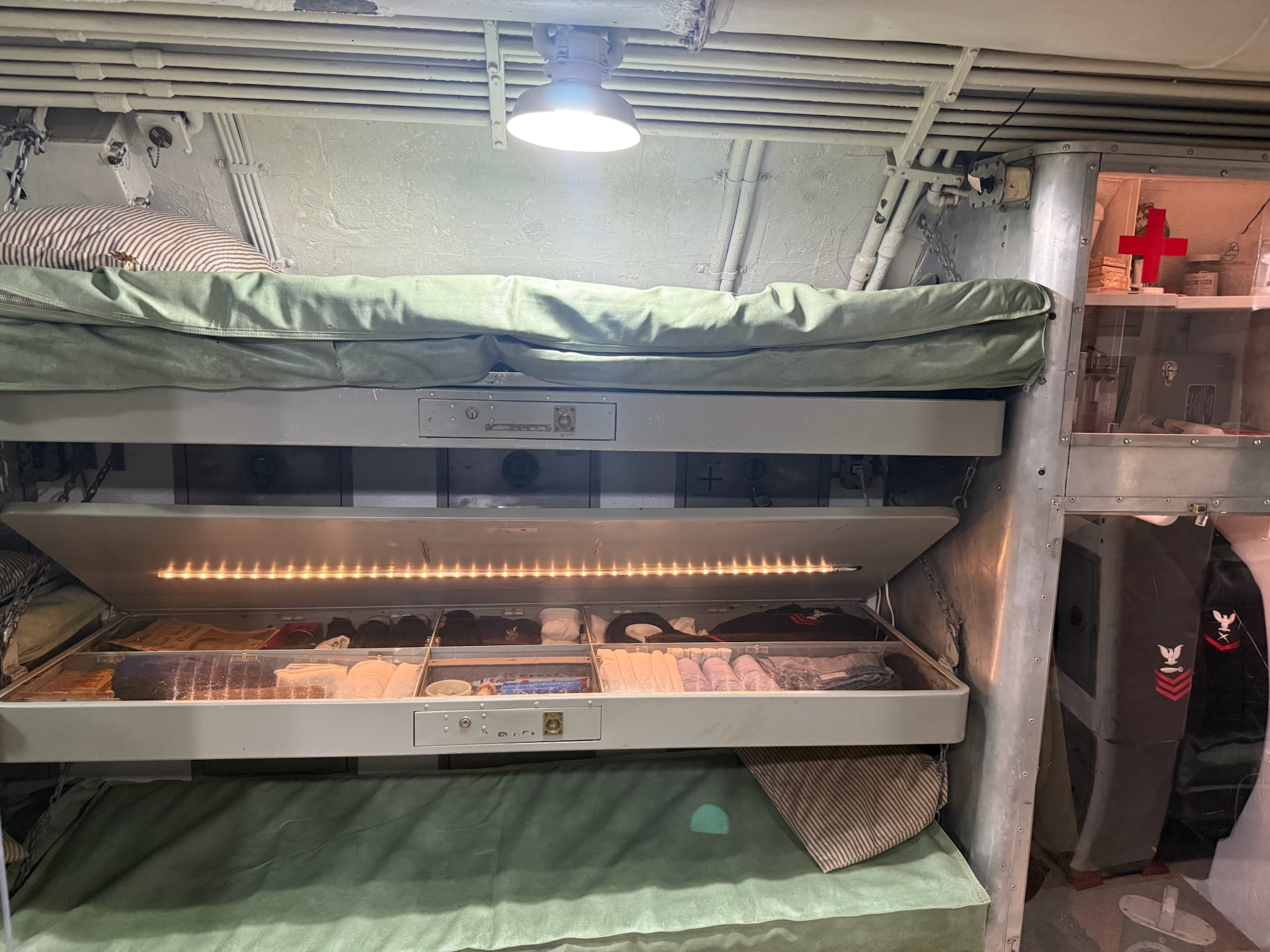
Then we got to the enlisted quarters. Like on the USS Wisconsin, there were triple bunk beds crammed in so close together that there was barely space to move between them. The bottom bunks were literally on the floor. One of the boat’s batteries was located on the deck below this room. 36 of the 80 men crew slept here. It was 3 soldiers per bed and they slept in shifts.
Then was the forward engine room, which had the other two diesel engines and generators. The signs in the rear engine room had talked about the mechanics, these signs talked about how smelly, hot (up to 120 degrees Fahrenheit!) and loud it was in the engine rooms. When the water outside the submarine was cold, there would be serious condensation and the engine room would be humid.
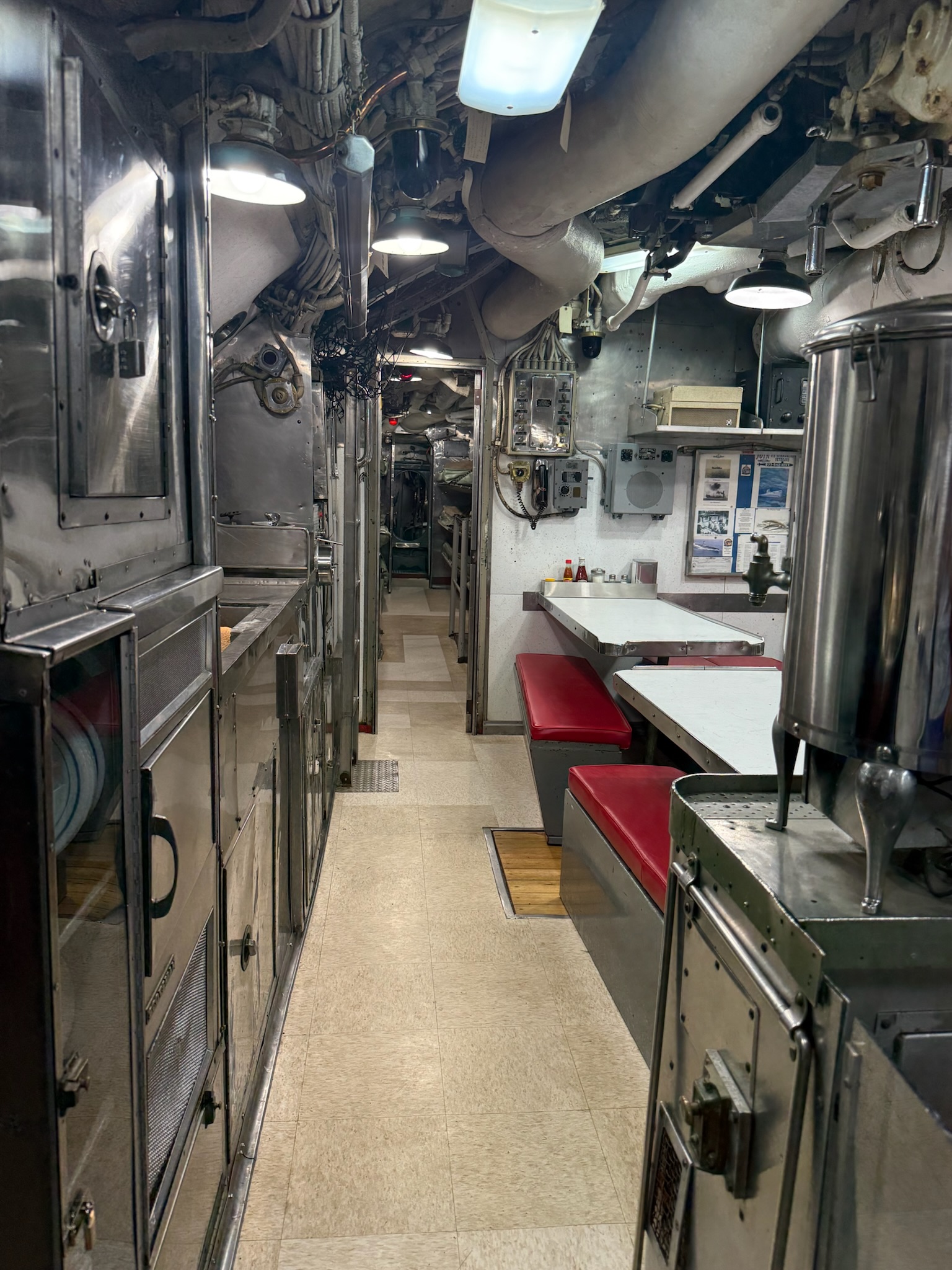
Next was the Enlisted Mess Hall. There were four meals served per day, and with only four tables, they could only serve 24-people at a time. This was also where the sailors hung out when off-watch (in between meal times, of course). A sign said that all trash was expelled through a “torpedo tube” in the galley, and the trash was weighted so it wouldn’t float to the surface and give away their position.
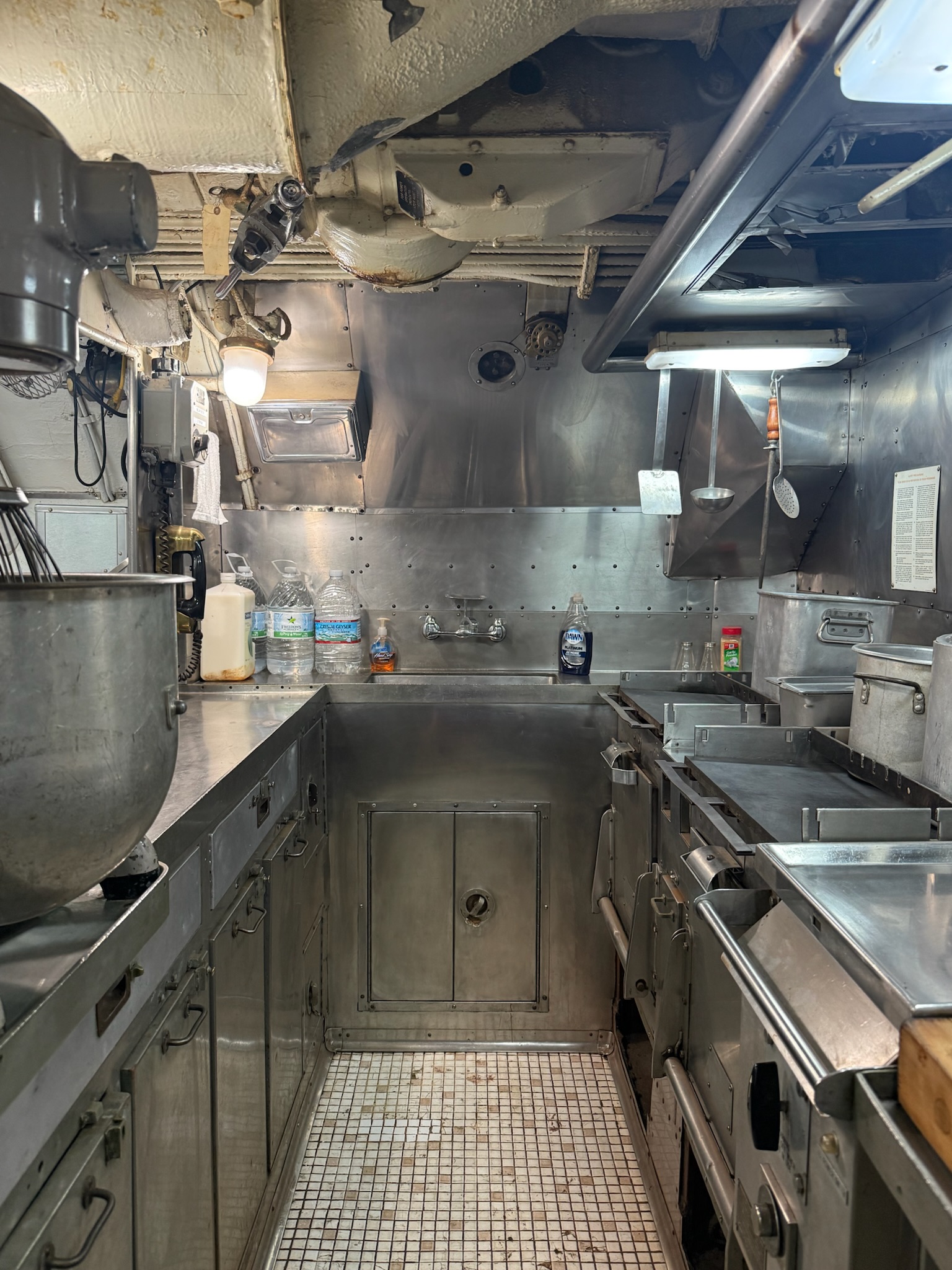
The kitchen was next to the Mess Hall.
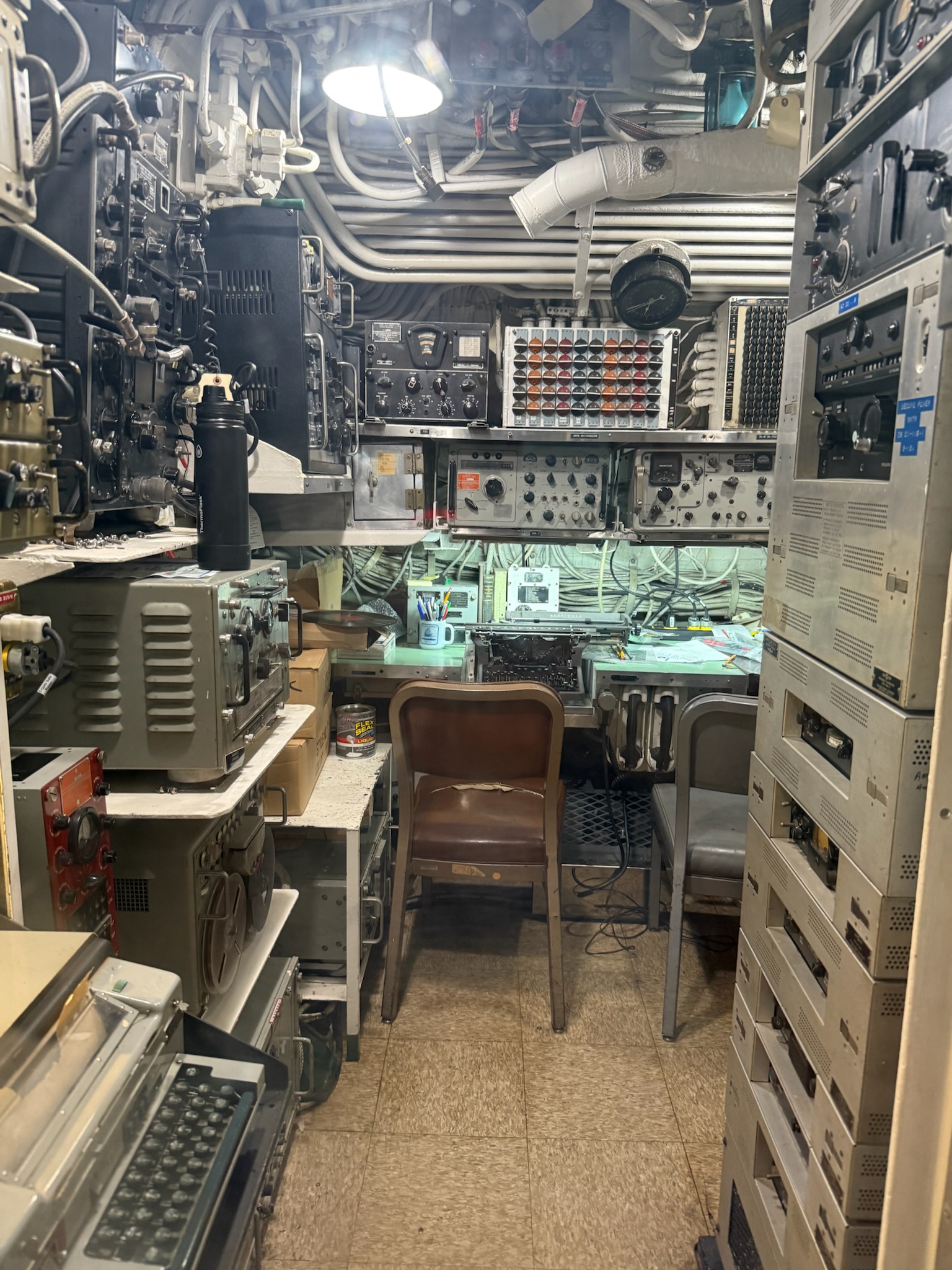
Next was the Radio Room, where they communicated with shore stations, aircraft and other ships via voice, teletype, FSK (frequency shift keying) and Morse code. They had cryptographic equipment to encode/decode messages. Interestingly, it is still used to today as an amateur radio station: NK3ST!
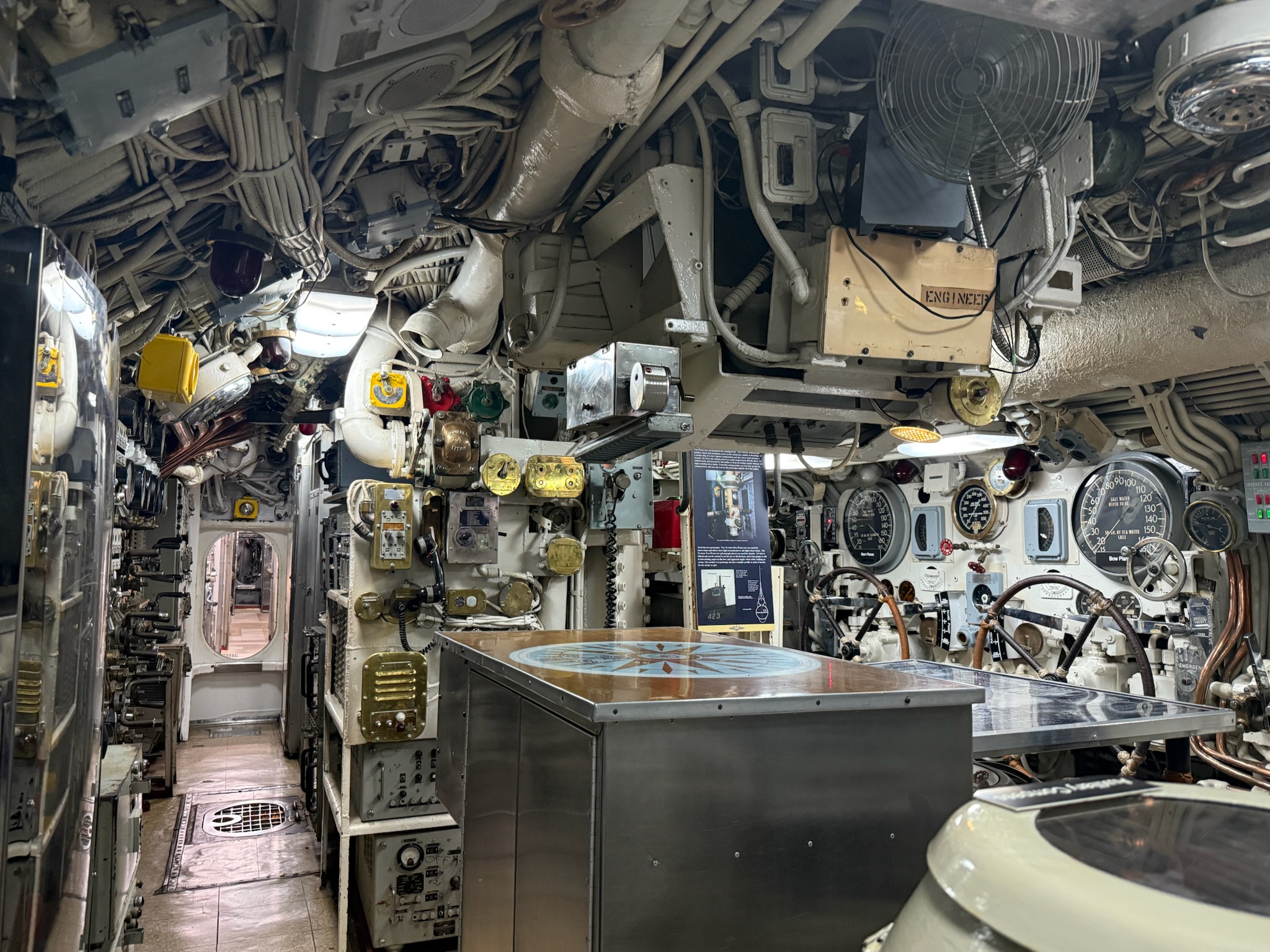
Next was the Control Room. Needless to say, there were a lot of complicated systems needed to operate a submarine. Most was done from here, including controlling the ballasts, controlling the angle and speed of dives, the interior switchboard to communicate through the rest of the vessel, the various alarm systems, managing hydraulically controlled vents, valves and hatches, and much more. We found out that the Torsk could dive as deep as 600 feet and had made a (then) record of over 10,000 dives during its 24-years of service.
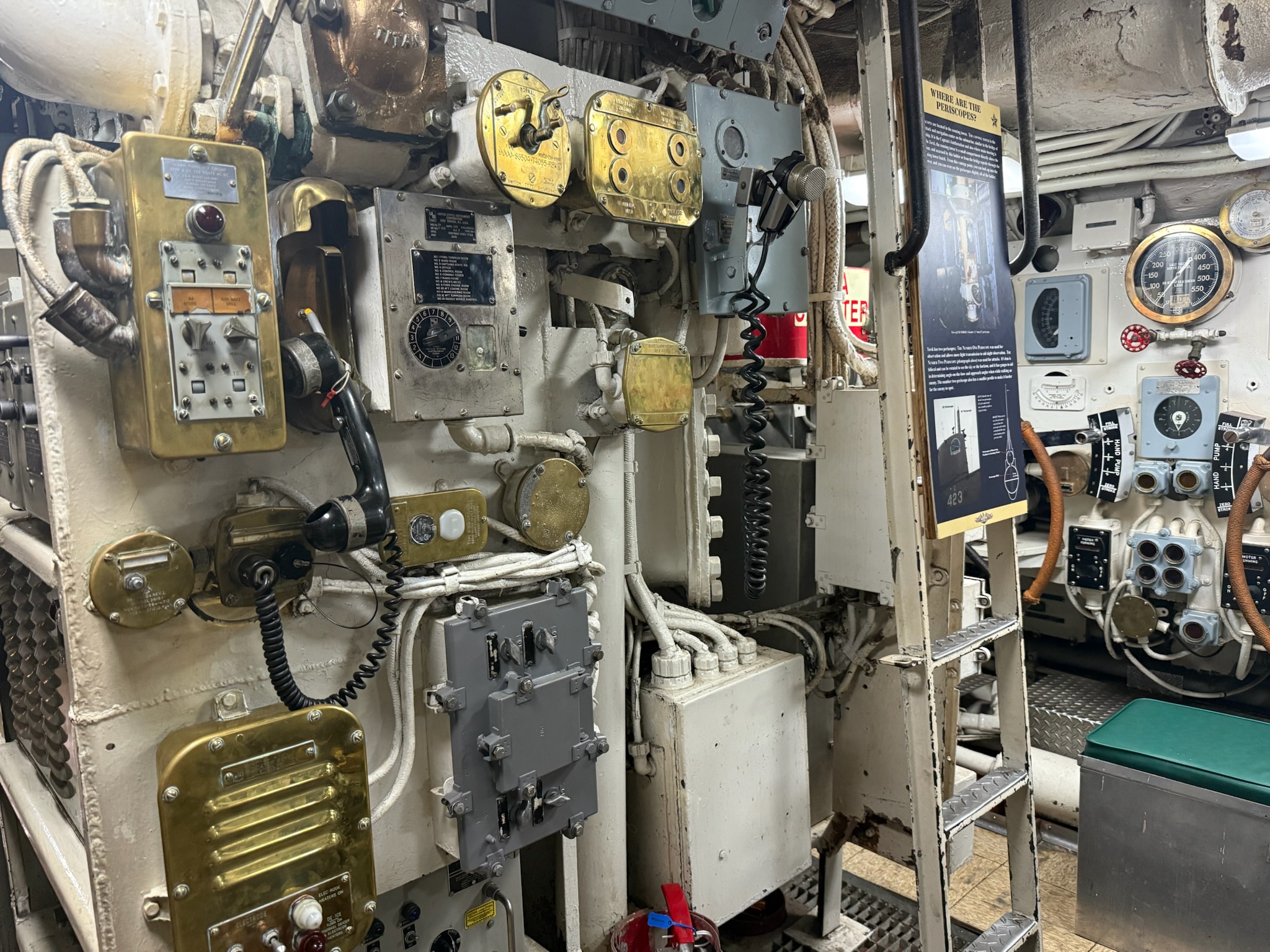
The Conning Tower, the small compartment that stuck out at the top of the submarine, was directly above the Control Room and was accessed via a ladder. The Conning Tower was basically like the bridge of a regular ship – where the main steering and navigation was executed, the attacks planned, and where the two periscopes were located. We could see inside the Conning Tower when we looked up.
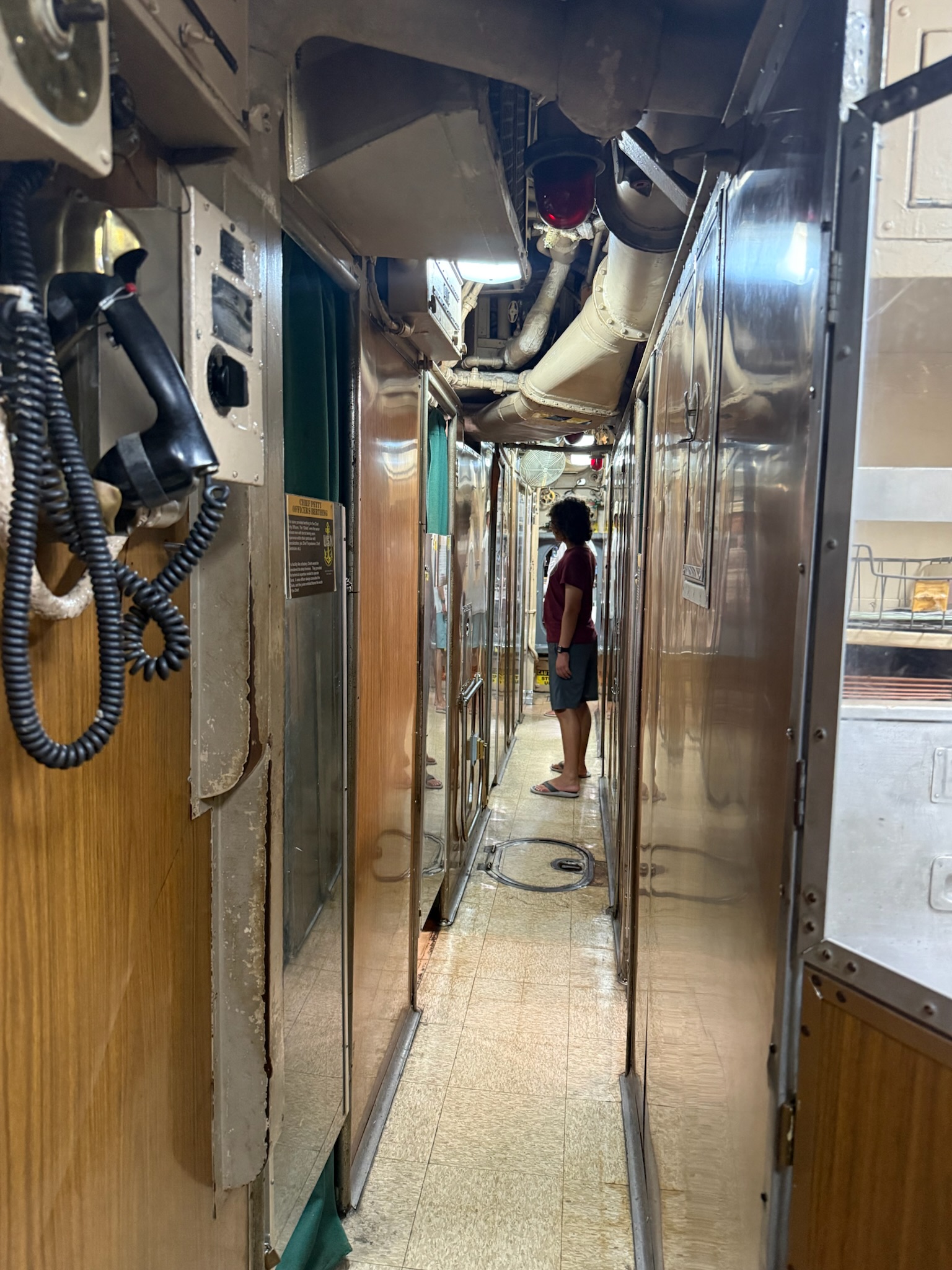
Next was a narrow hallway with a string of tiny rooms. The sign said that the other battery was under this set of rooms. One room was the… to be continued...