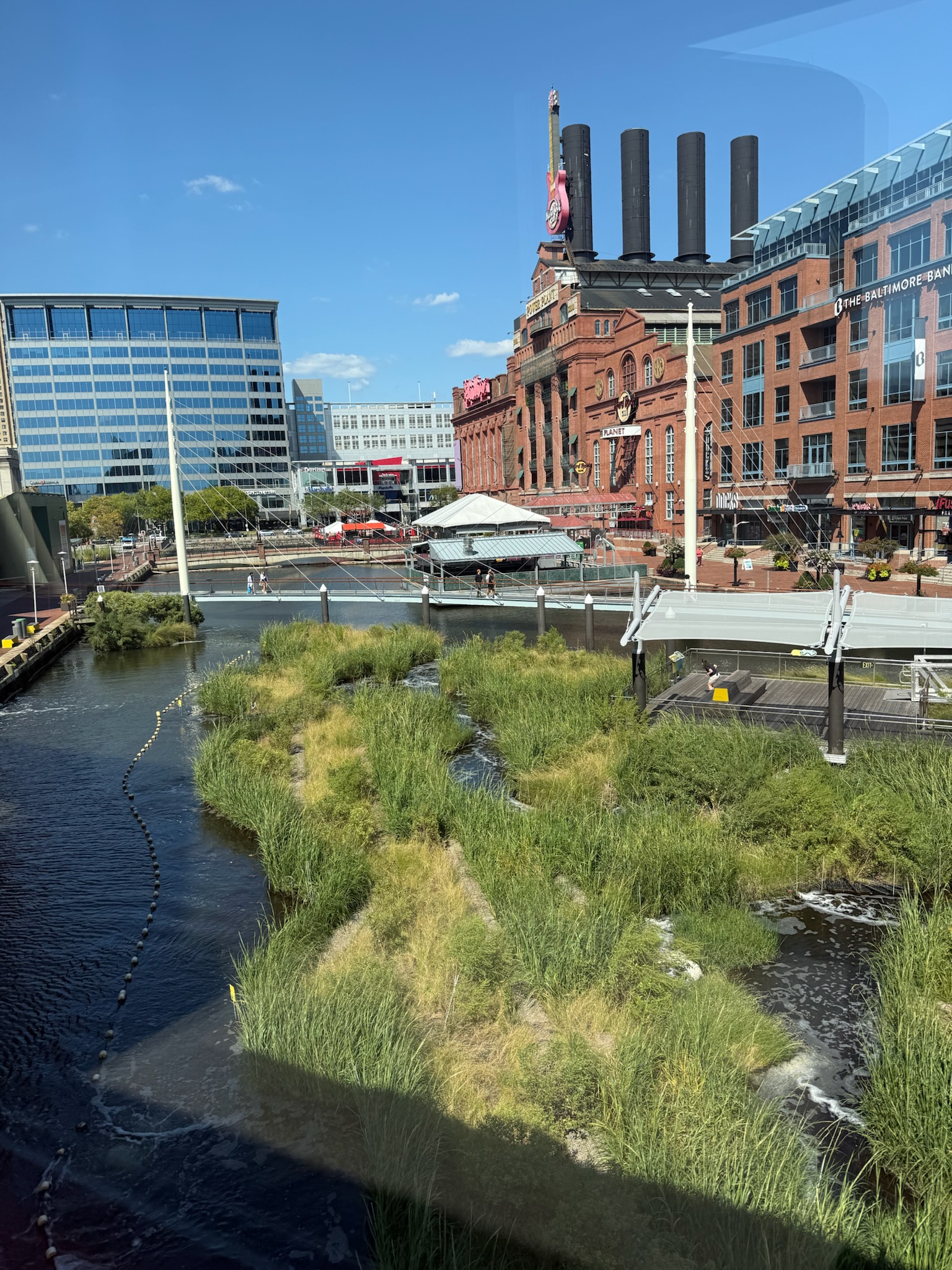
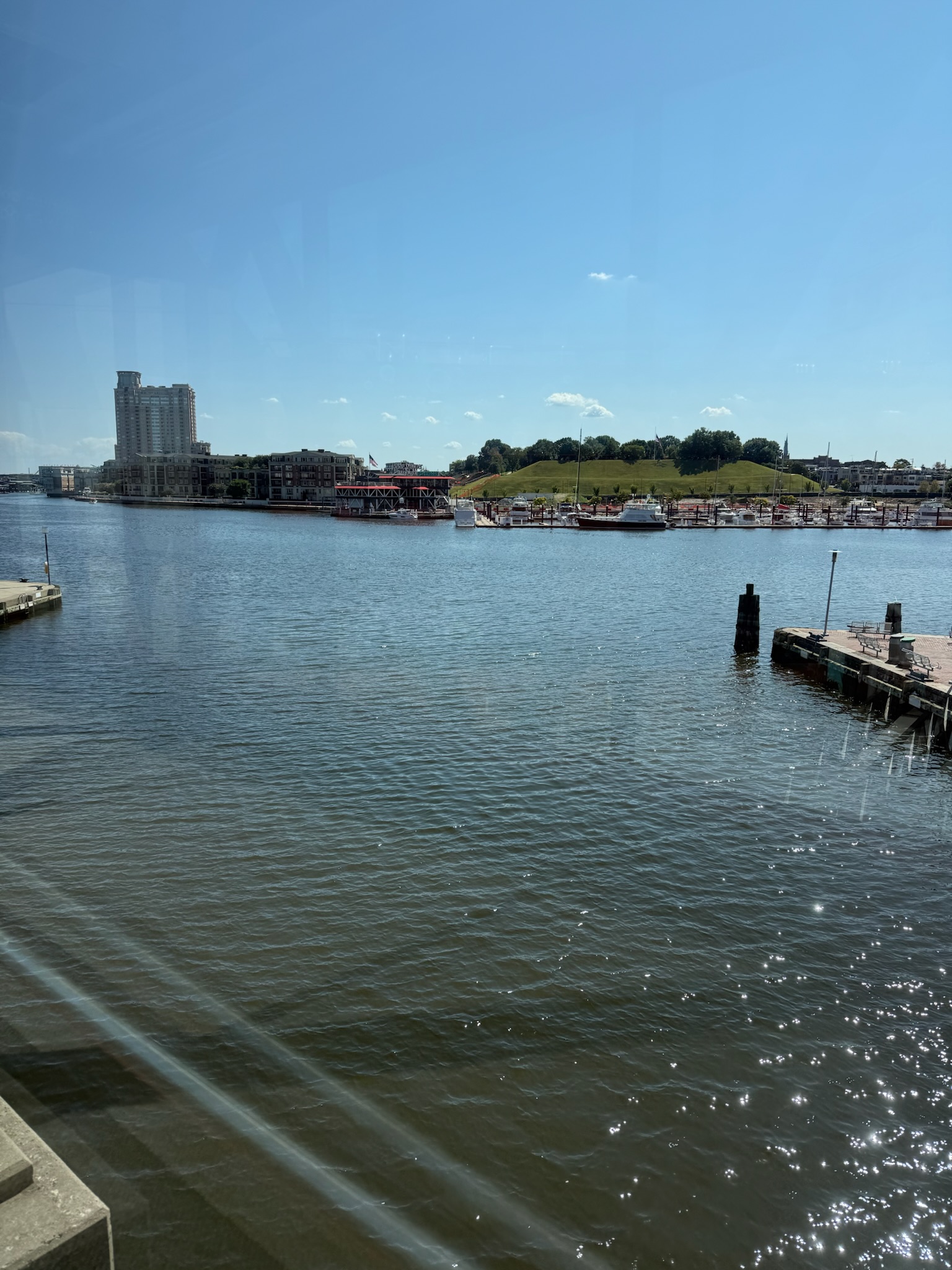
Continued… As we’d noticed the day we’d visited the Historic Ships, the aquarium was housed in two separate buildings attached by a sky bridge. We wandered over to the skybridge to see what was in the other building. Here were the views from the bridge.
The other side had a 4-D movie that was an additional fee and a stadium where it looked like they used to do dolphin shows.
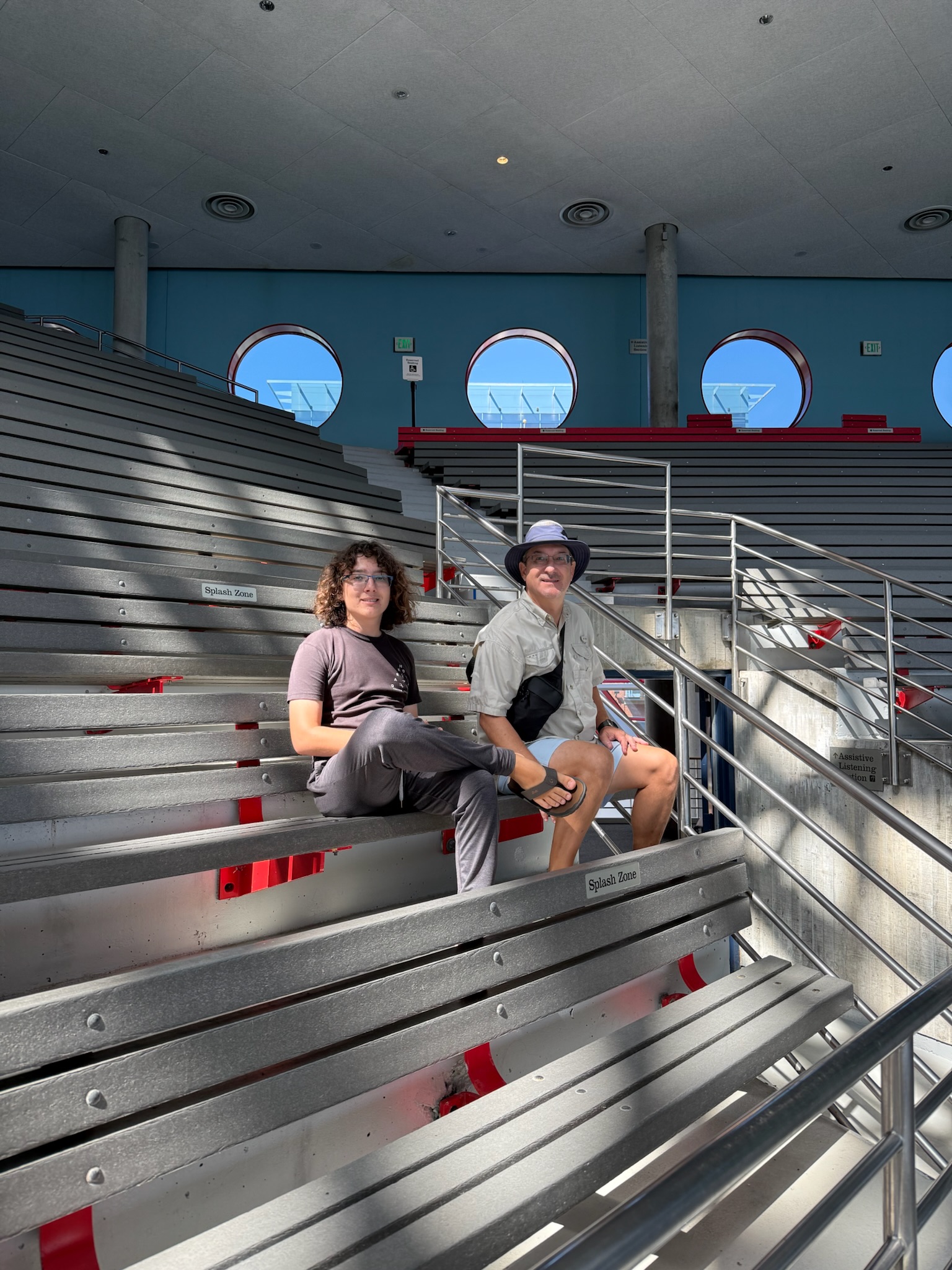
Even though they didn’t do shows any more, the dolphins were still in the tank. At the surface, the handlers threw toys with them to play with.
And below the seating area, we could see the dolphins swimming in the tank.
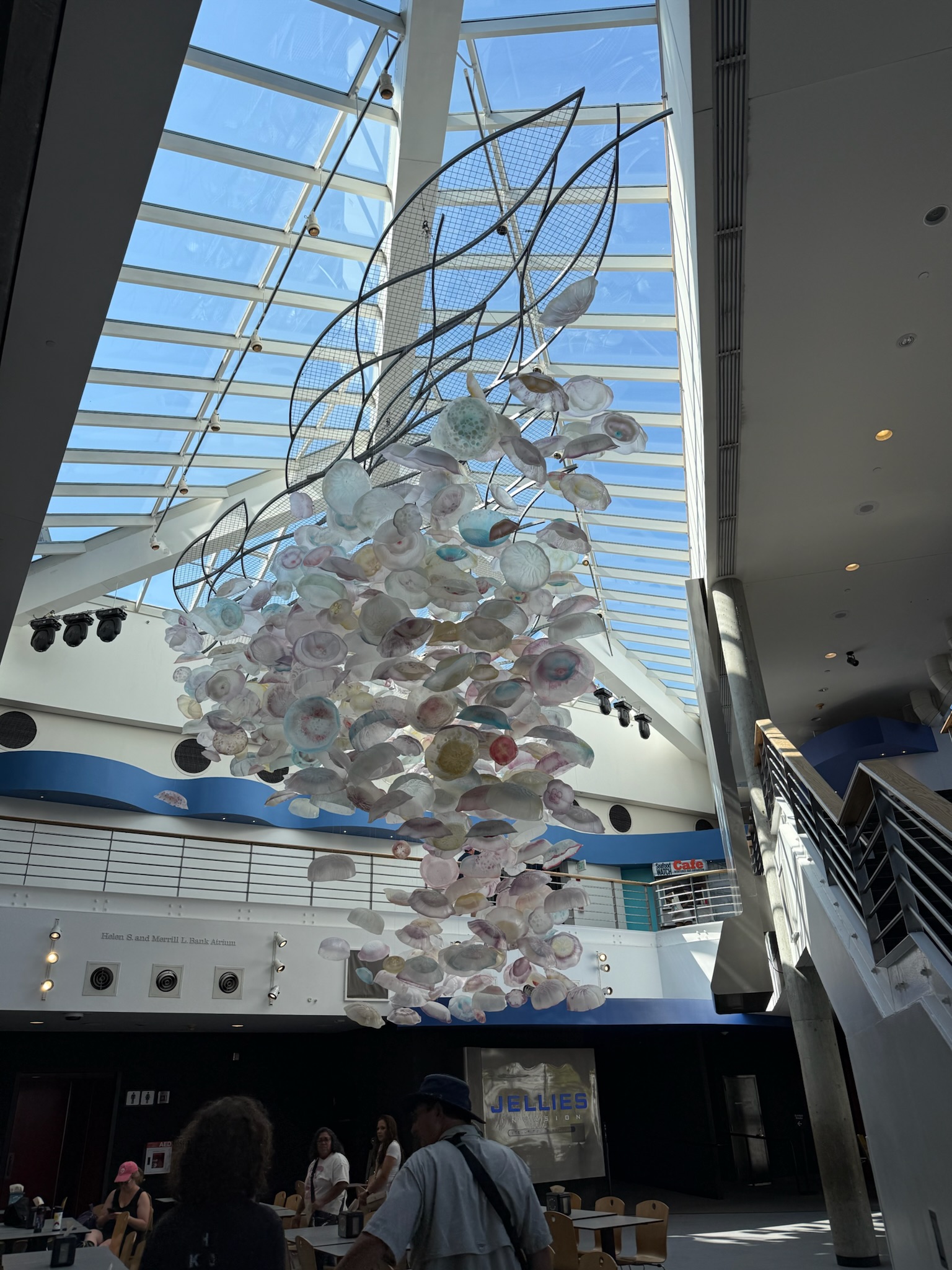
We exited the dolphin tank into the cafeteria, which had a beautiful blown glass ceiling that resembled a school of jellyfish.
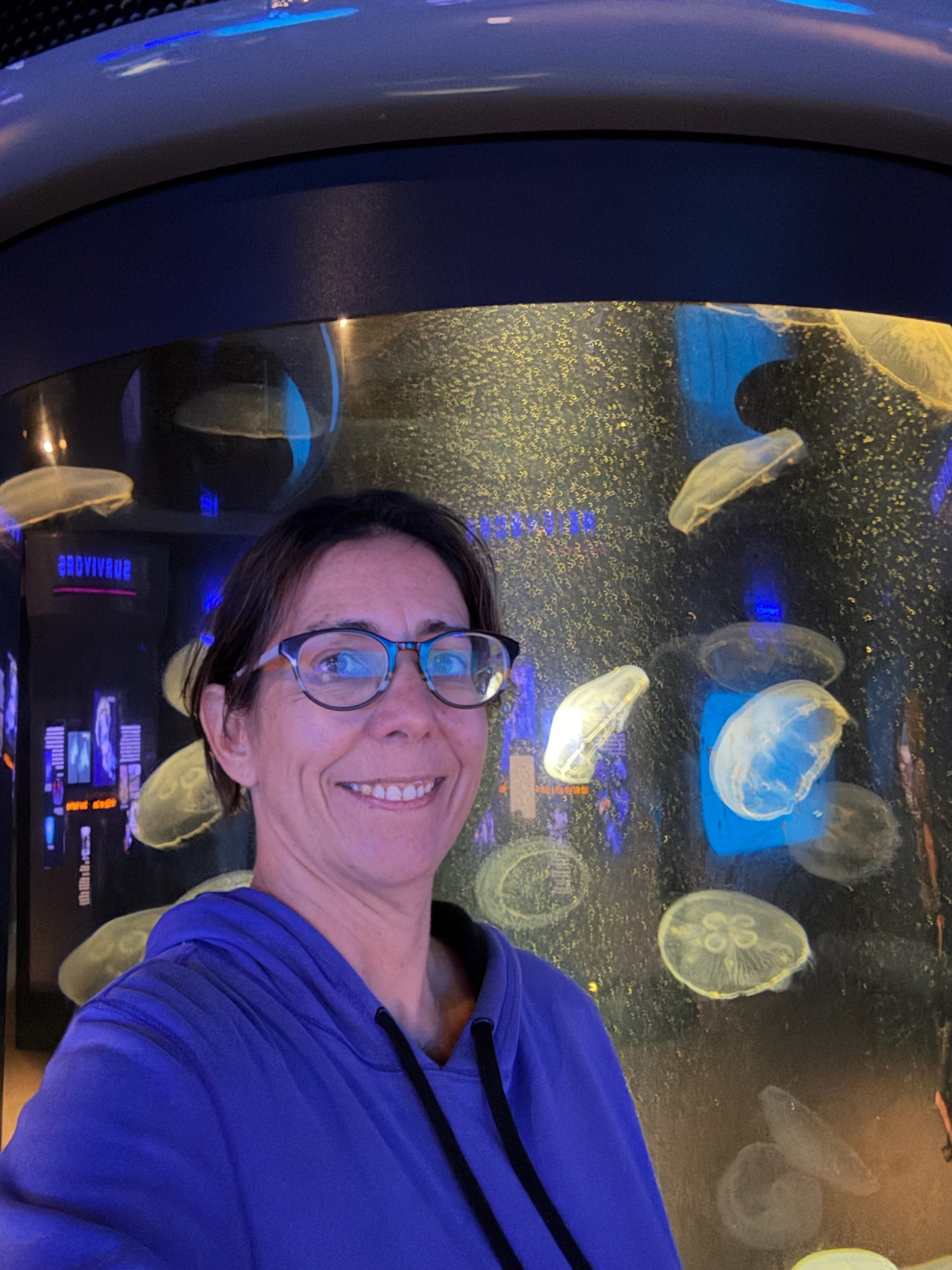
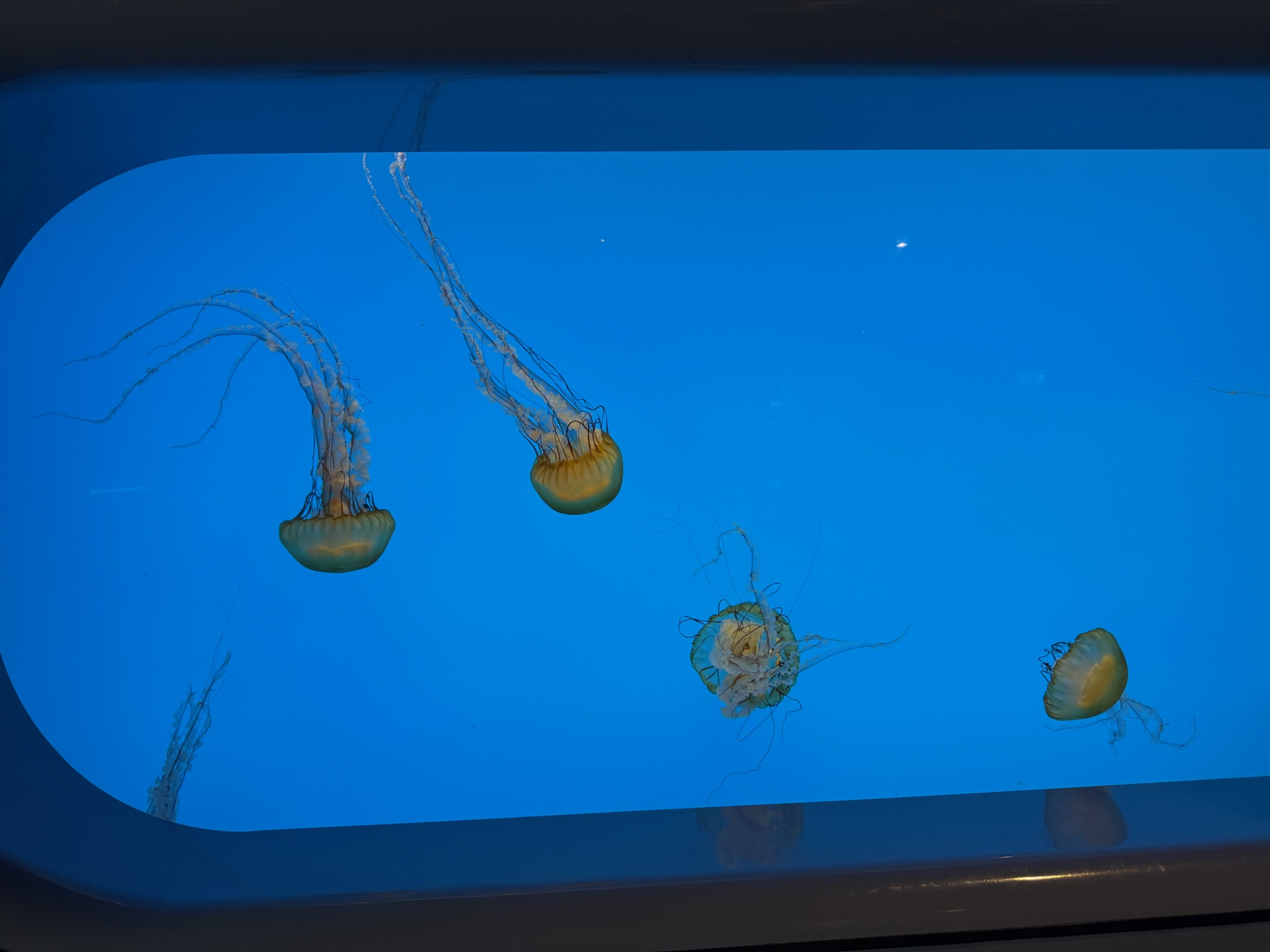
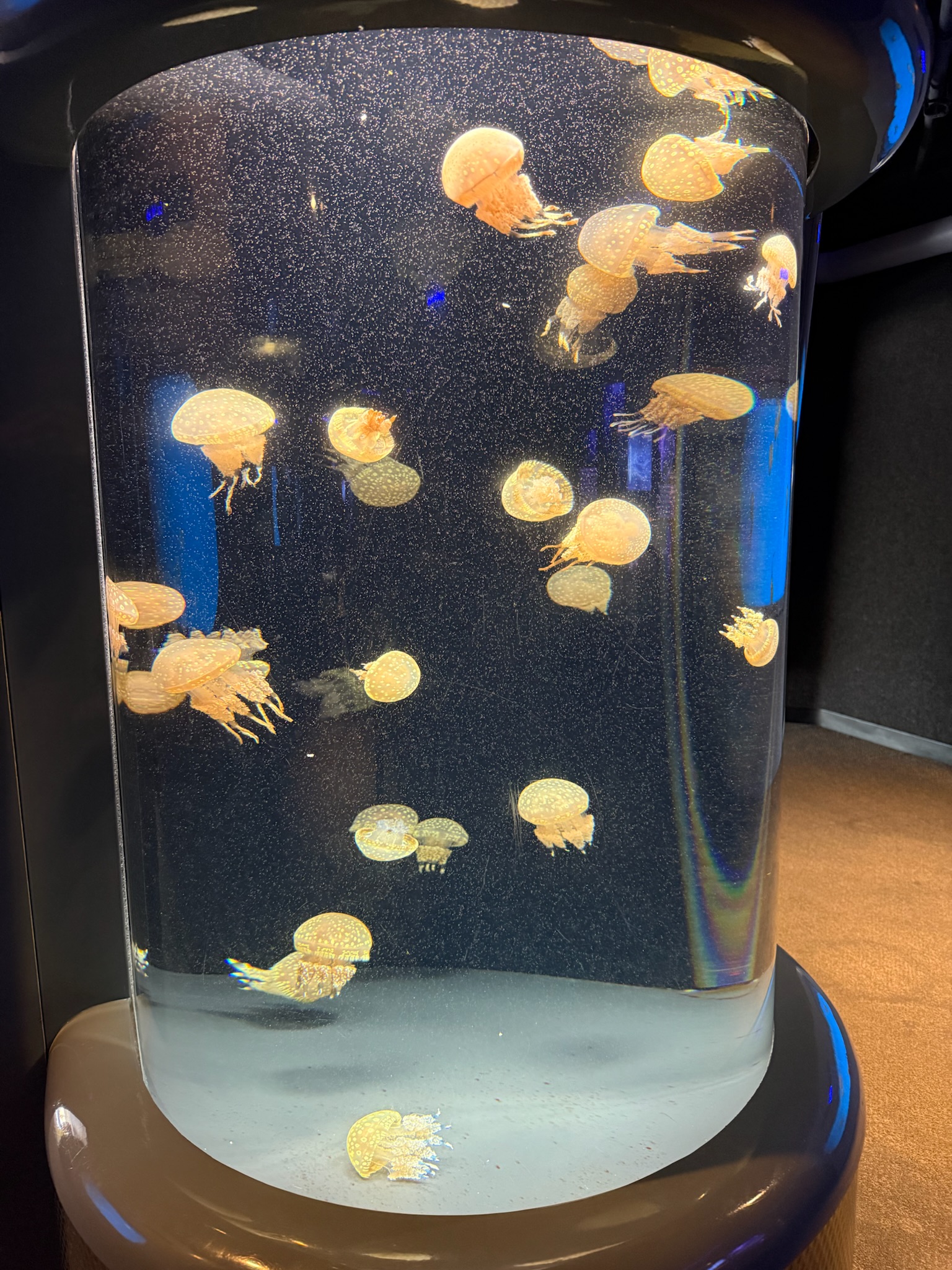
On the other side of the seating area was an exhibit on jellyfish. There were probably a dozen tanks, each housing a different species of jellyfish.
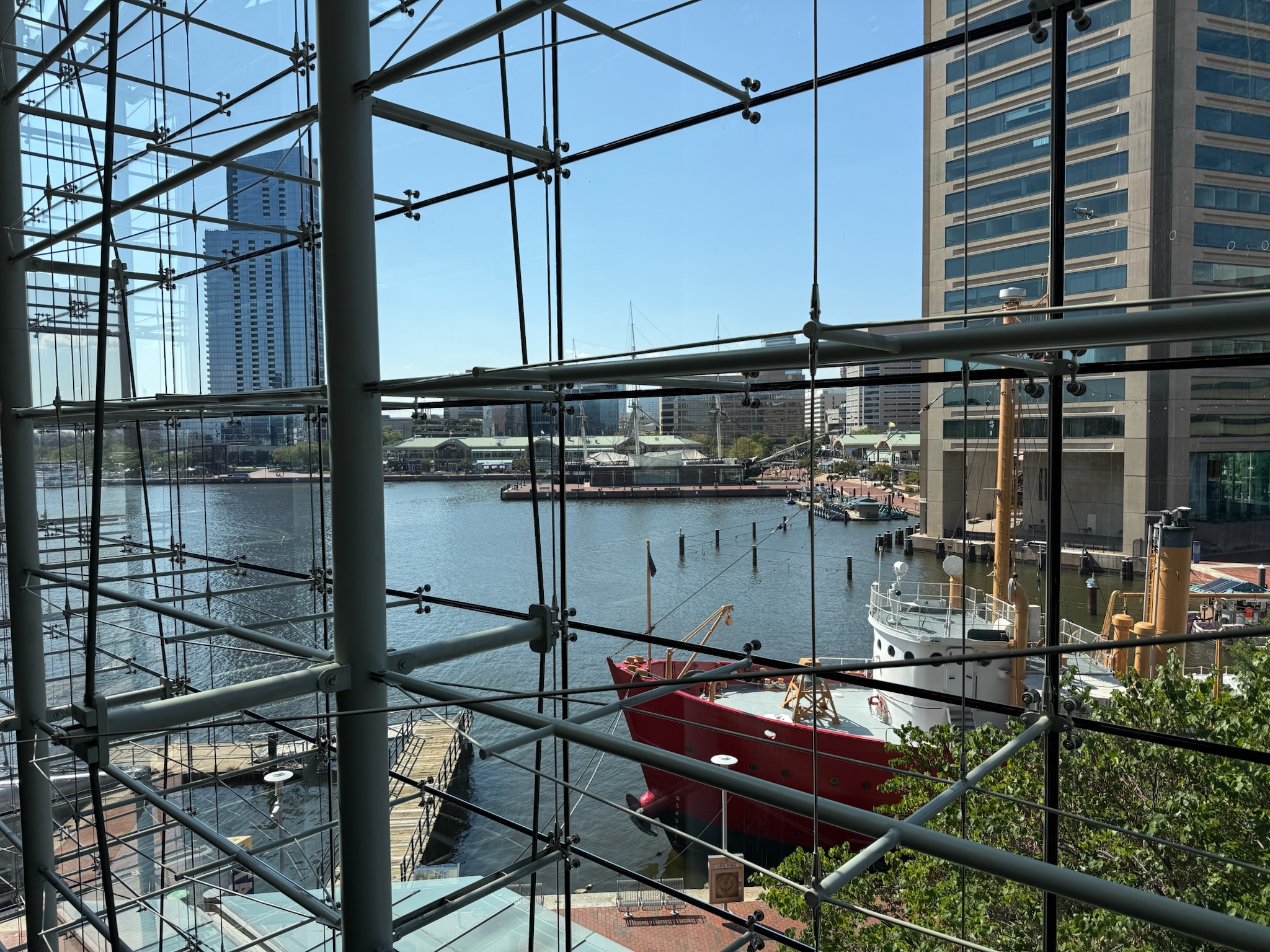
We went back to the main building and followed signs leading to the Australian Northern Territory exhibit in the northern portion of the building. View of the Inner Harbor from the entrance into the exhibit.
The entrance had an impressive rocky river ecosystem. We realized this was the genesis for the waterfall in the lobby below.
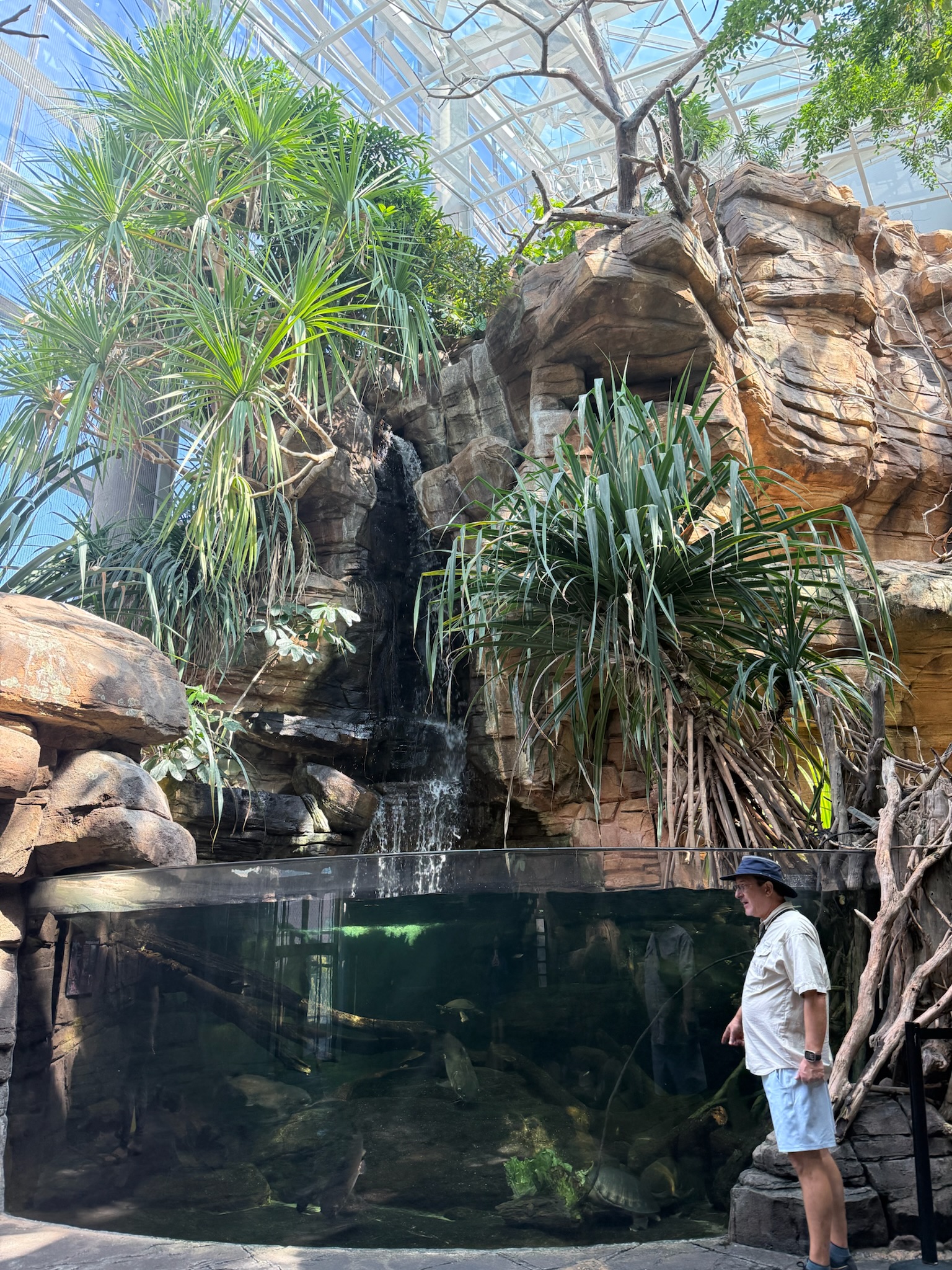
Signs explained that the Northern Territory typically had 6-months of torrential rains with drastic flooding and 6-months of no rain, where the ecosystem dried up into a desert and was prone to fires. The plants and animals that have adapted to such extreme conditions were unique.
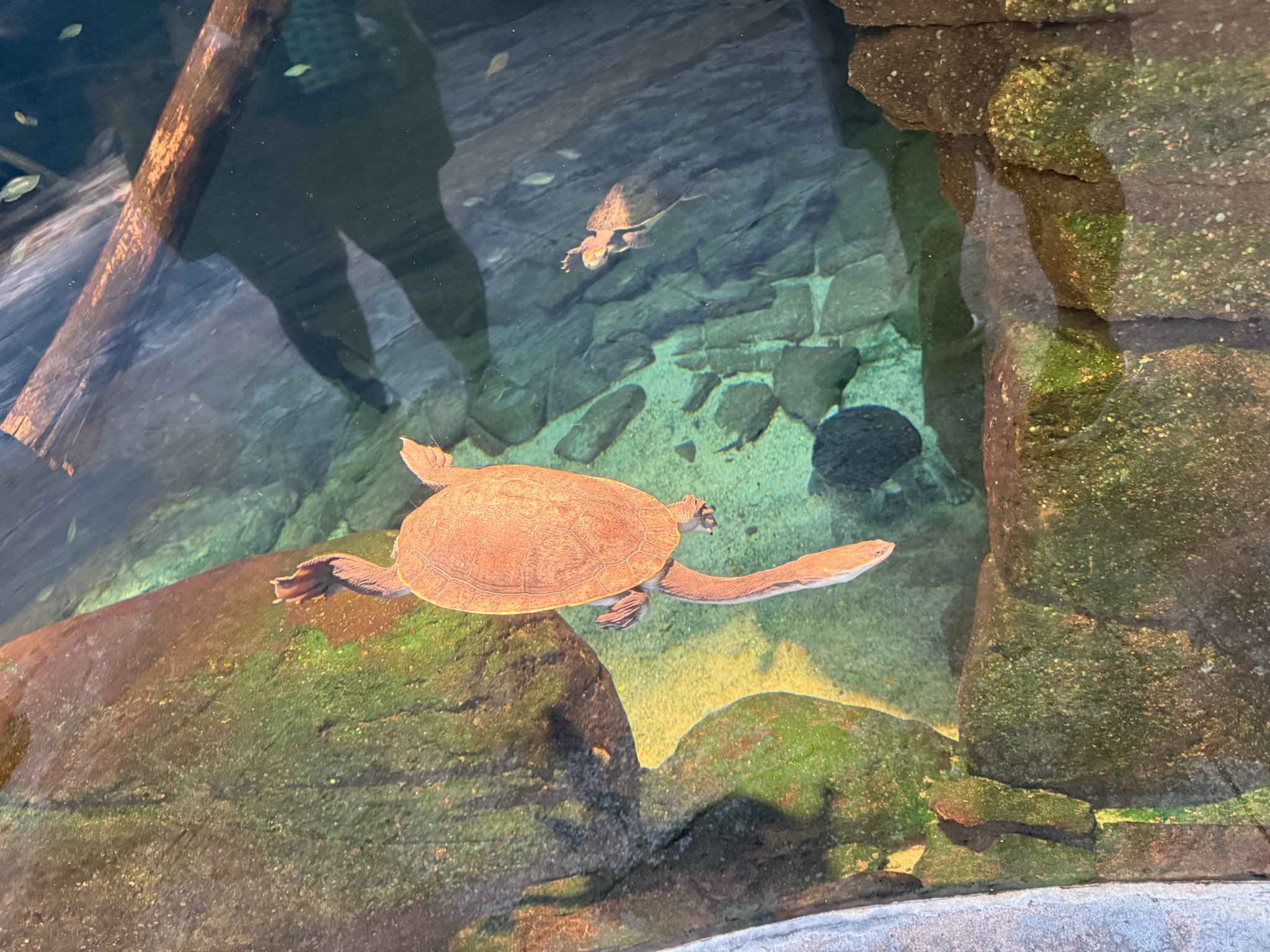
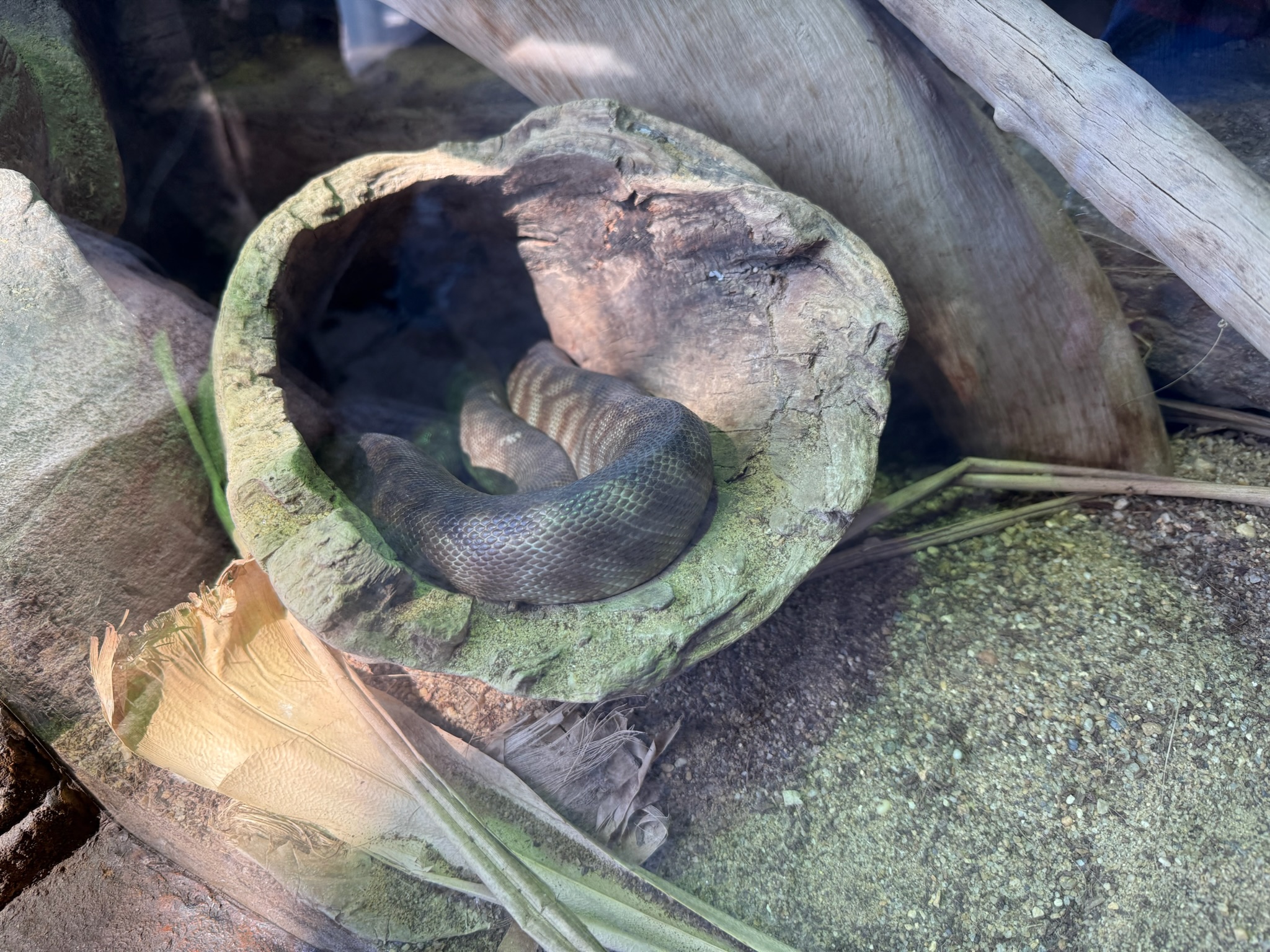
Like the tropical rain forest in the Black Reef exhibit, this exhibit also had many non-aquatic species living in the ecosystem.
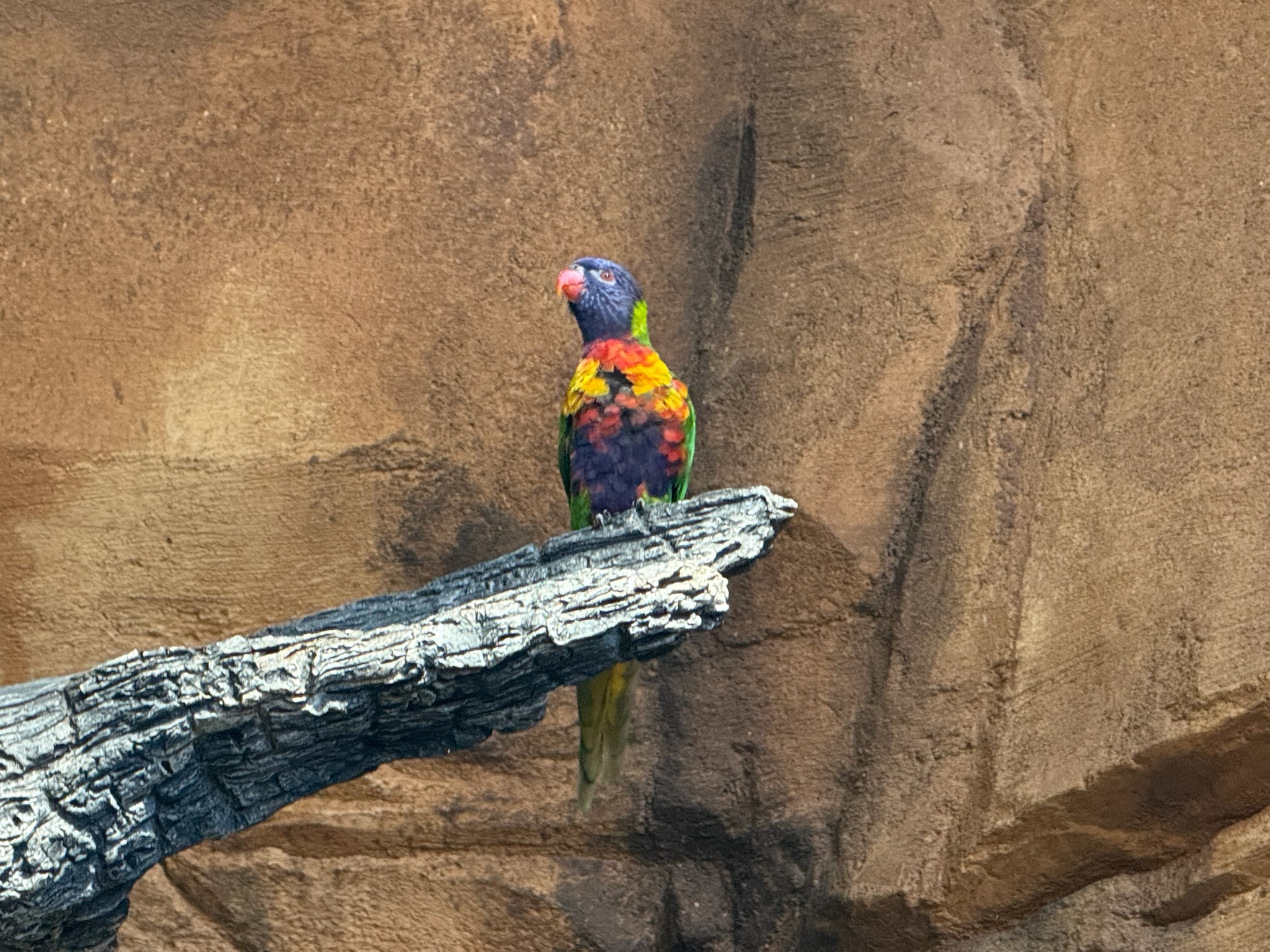
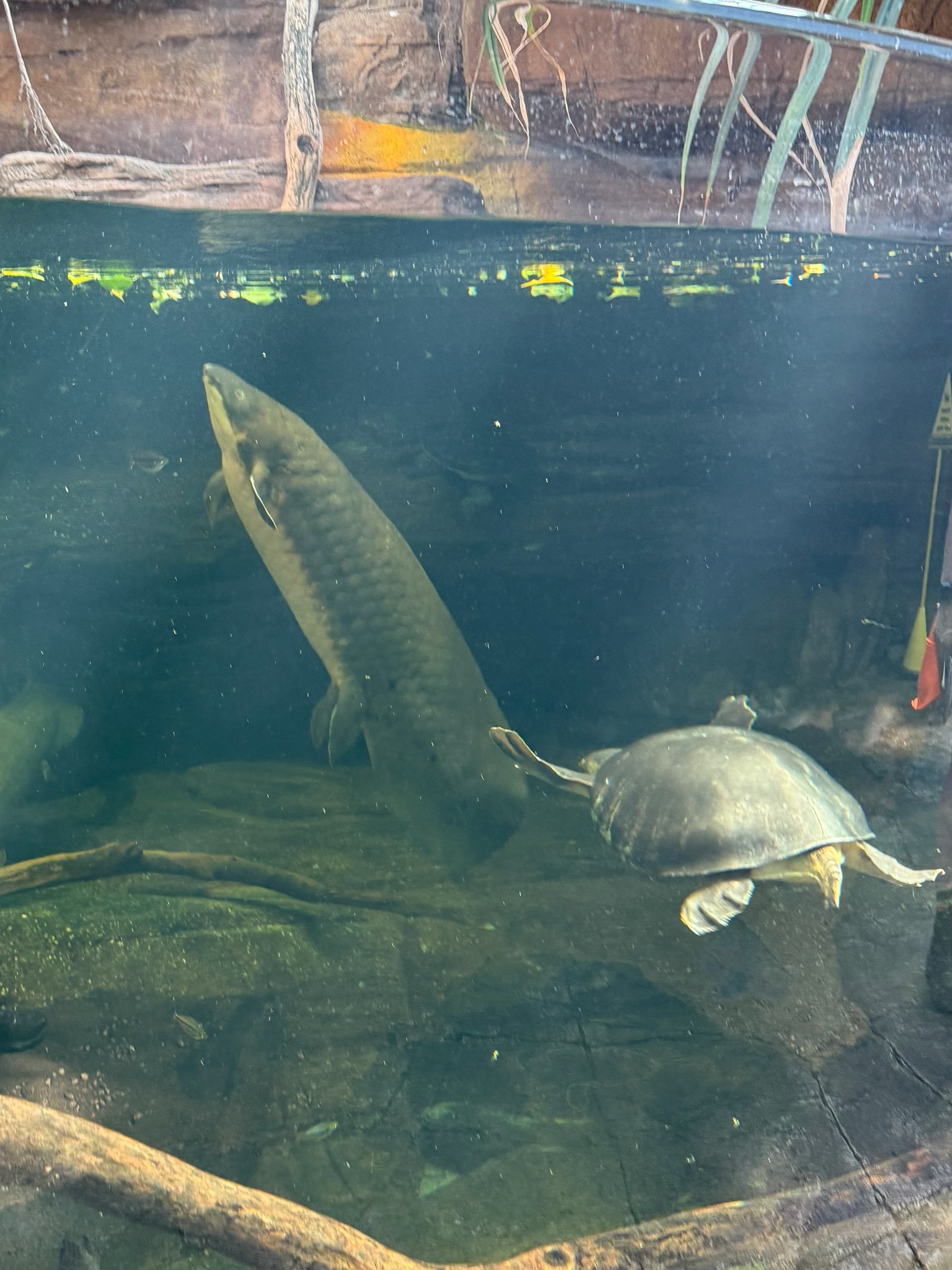
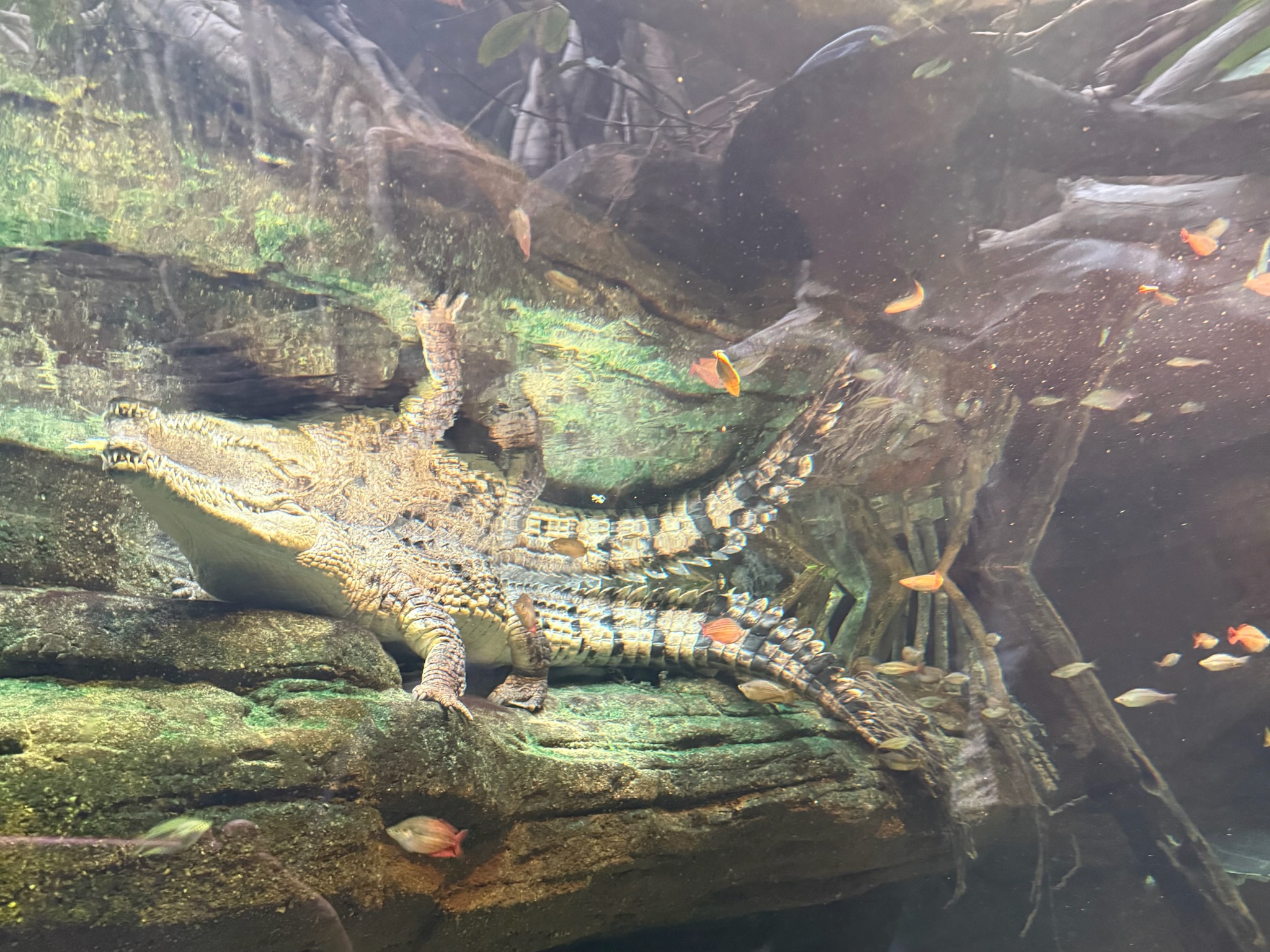
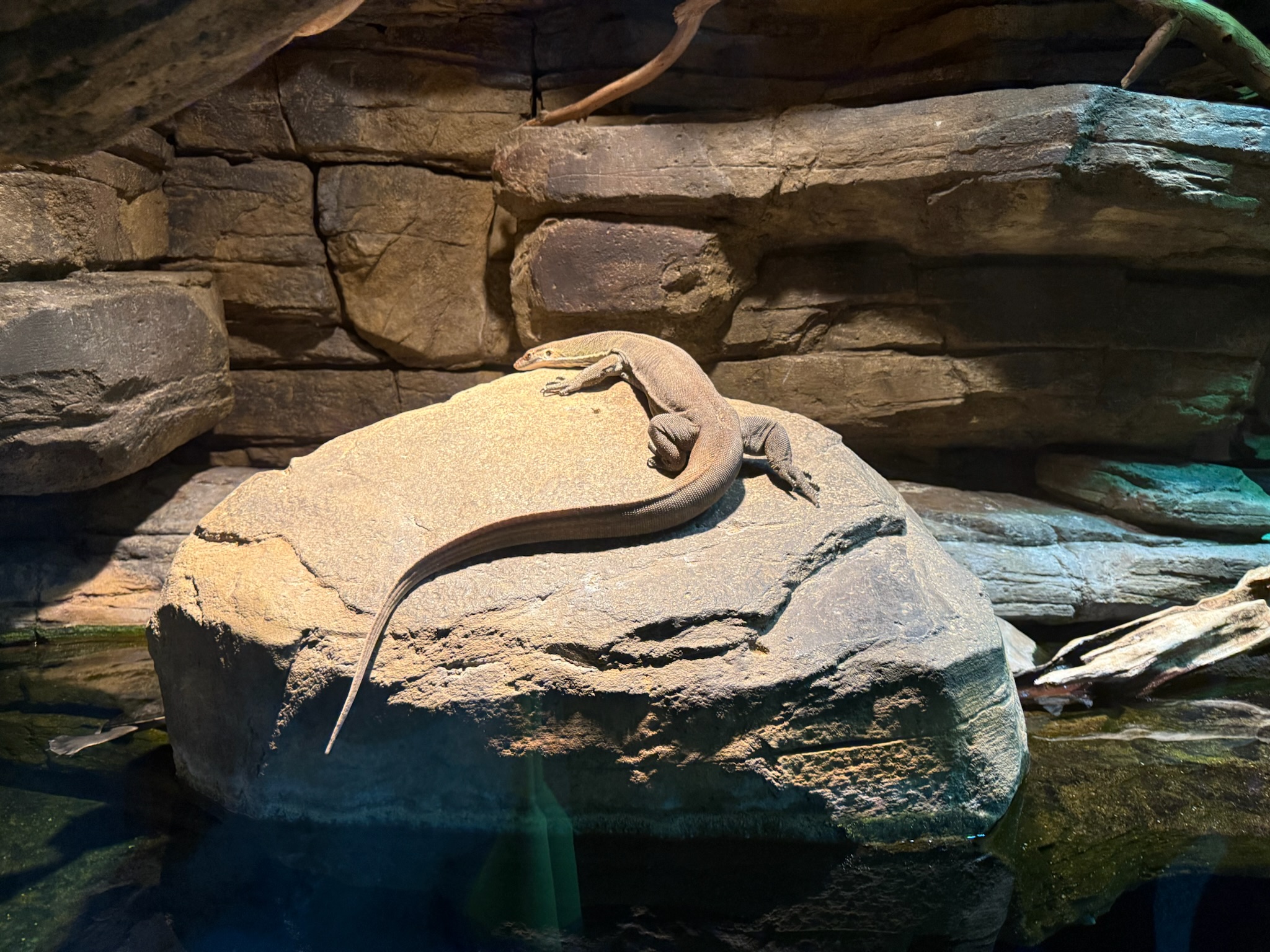
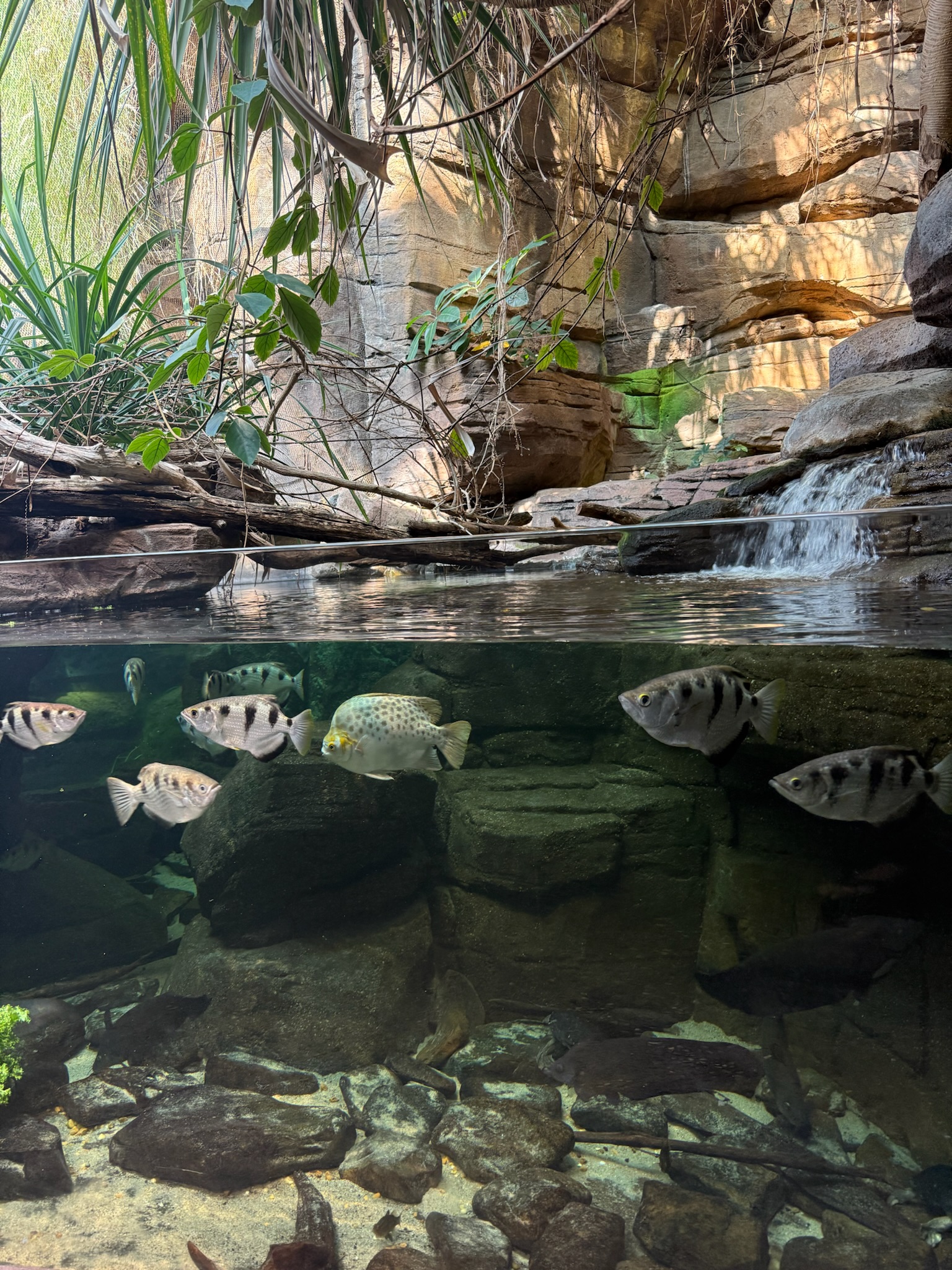
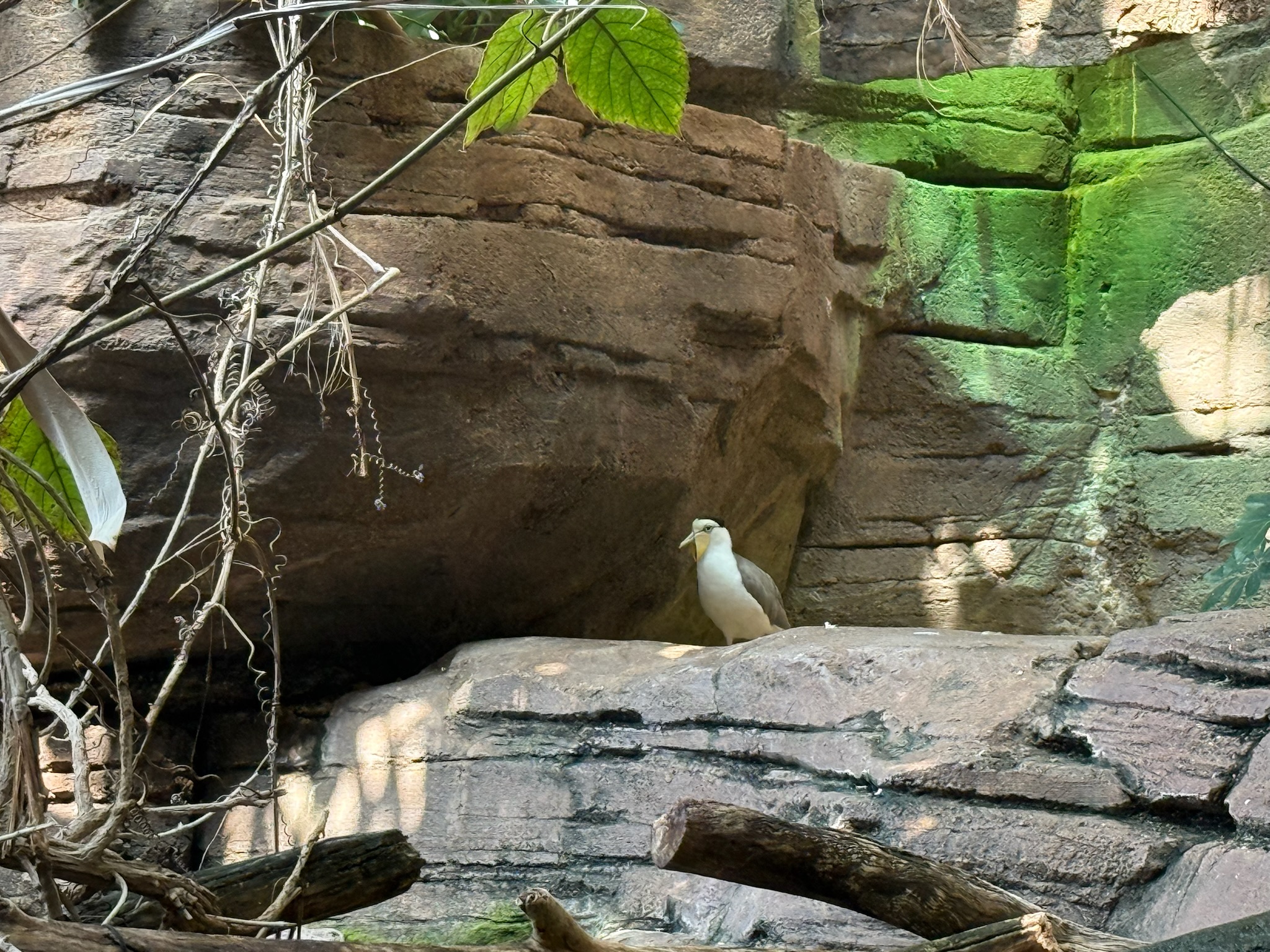
On our way out, we passed some signs that gave a history of the aquarium. We found out that the aquarium used to be called the Baltimore Aquarium. In 2013, the National Aquarium in Washington DC closed, and the Baltimore Aquarium was designated as the new National Aquarium.
After leaving, we had to agree with our friend: this was the best aquarium we’ve ever been to. And, considering how expensive the operating costs had to be, we felt like it was excellent value for the money, especially compared to the Museum of Illusions. We took the same route back to the water taxi stop in Fell’s Point. Here are a couple of pictures of the walk taken from a different perspective.
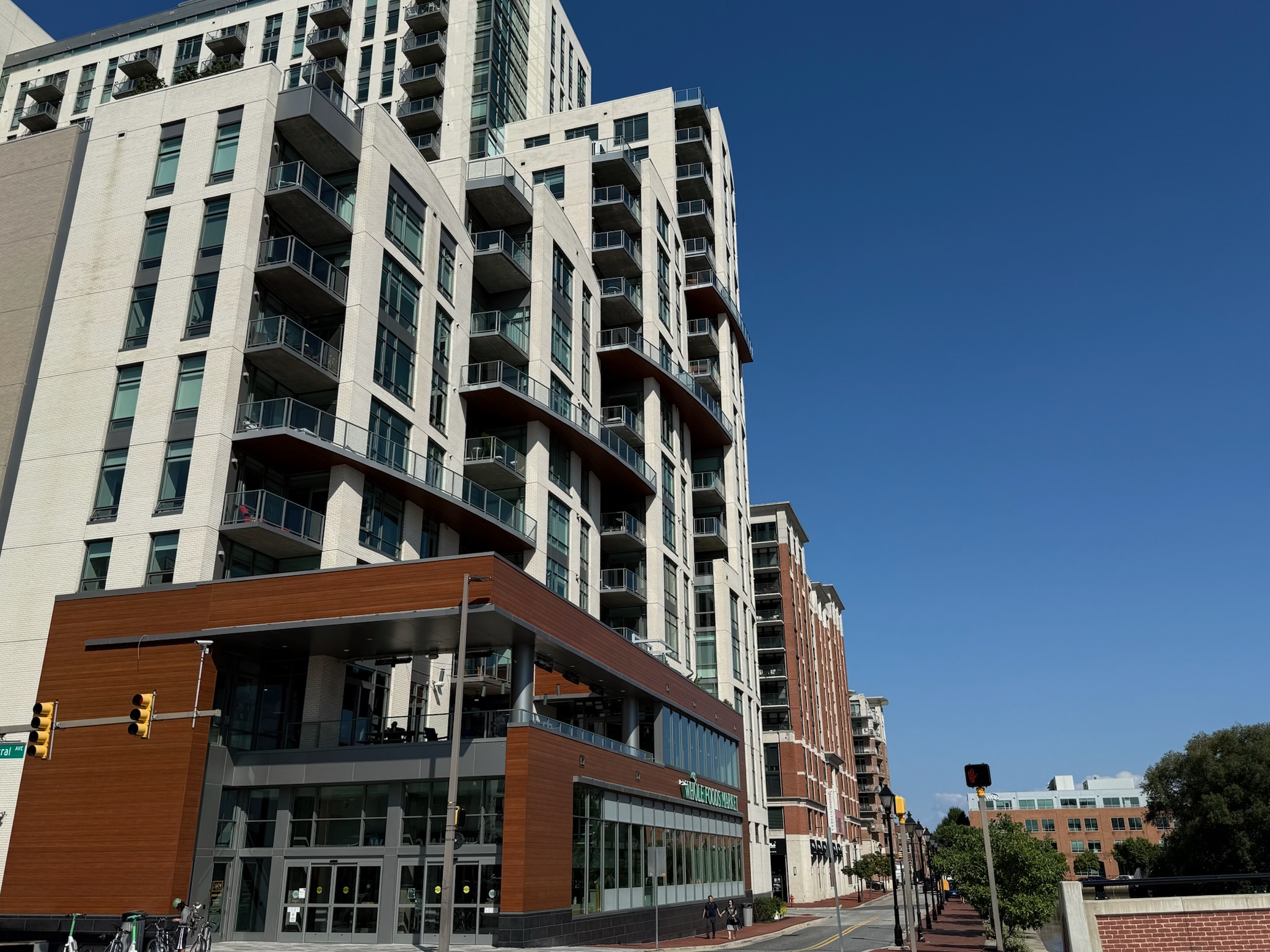
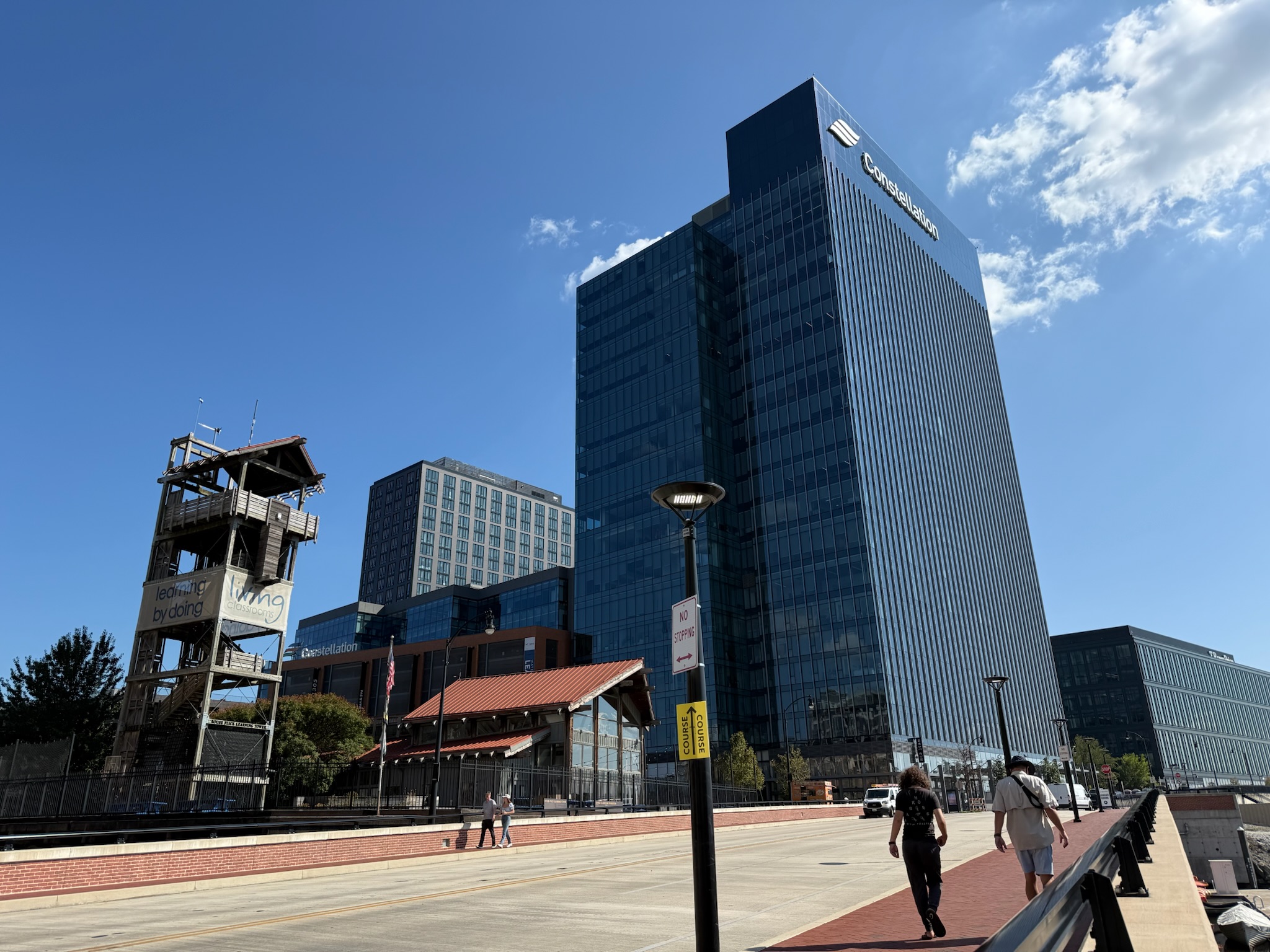
The building where the water taxi had dropped us off also looked different from this direction than it had from the other side. The building on the right was originally a warehouse built between 1846 – 1848. The building to the left that attaches to it via a skybridge was built in 2006.
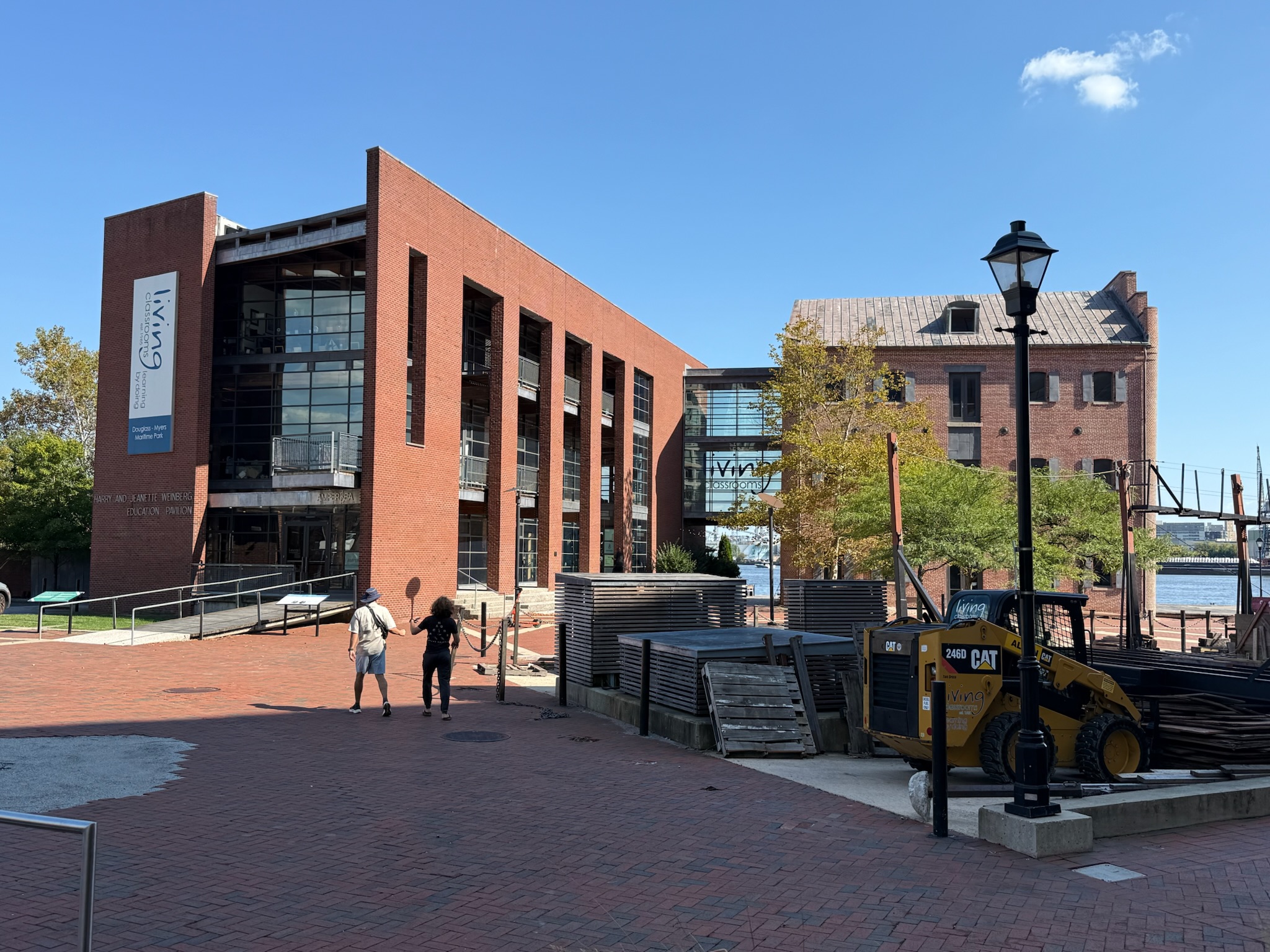
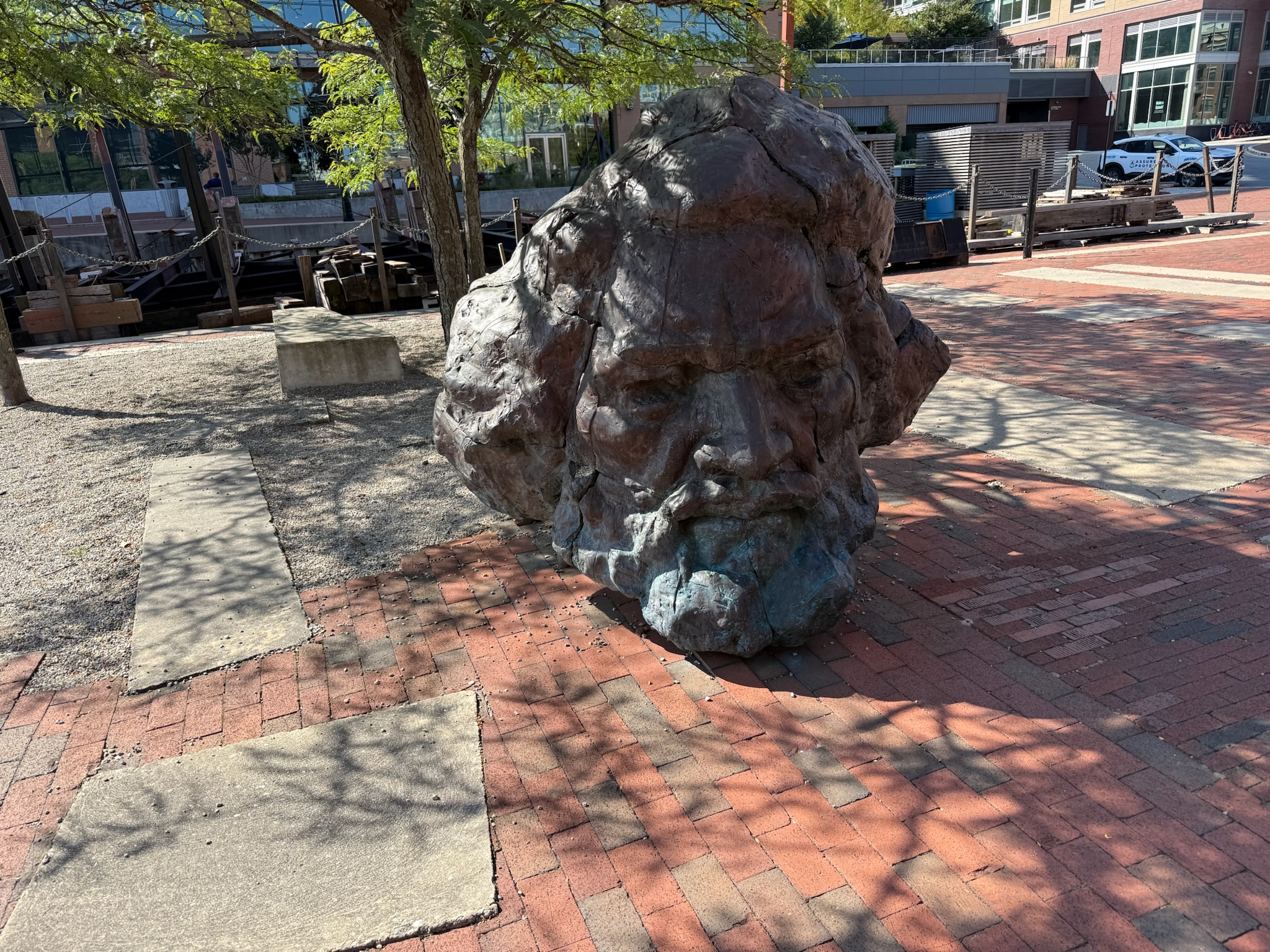
We noticed a sculpture of Frederick Douglass that we’d missed earlier.
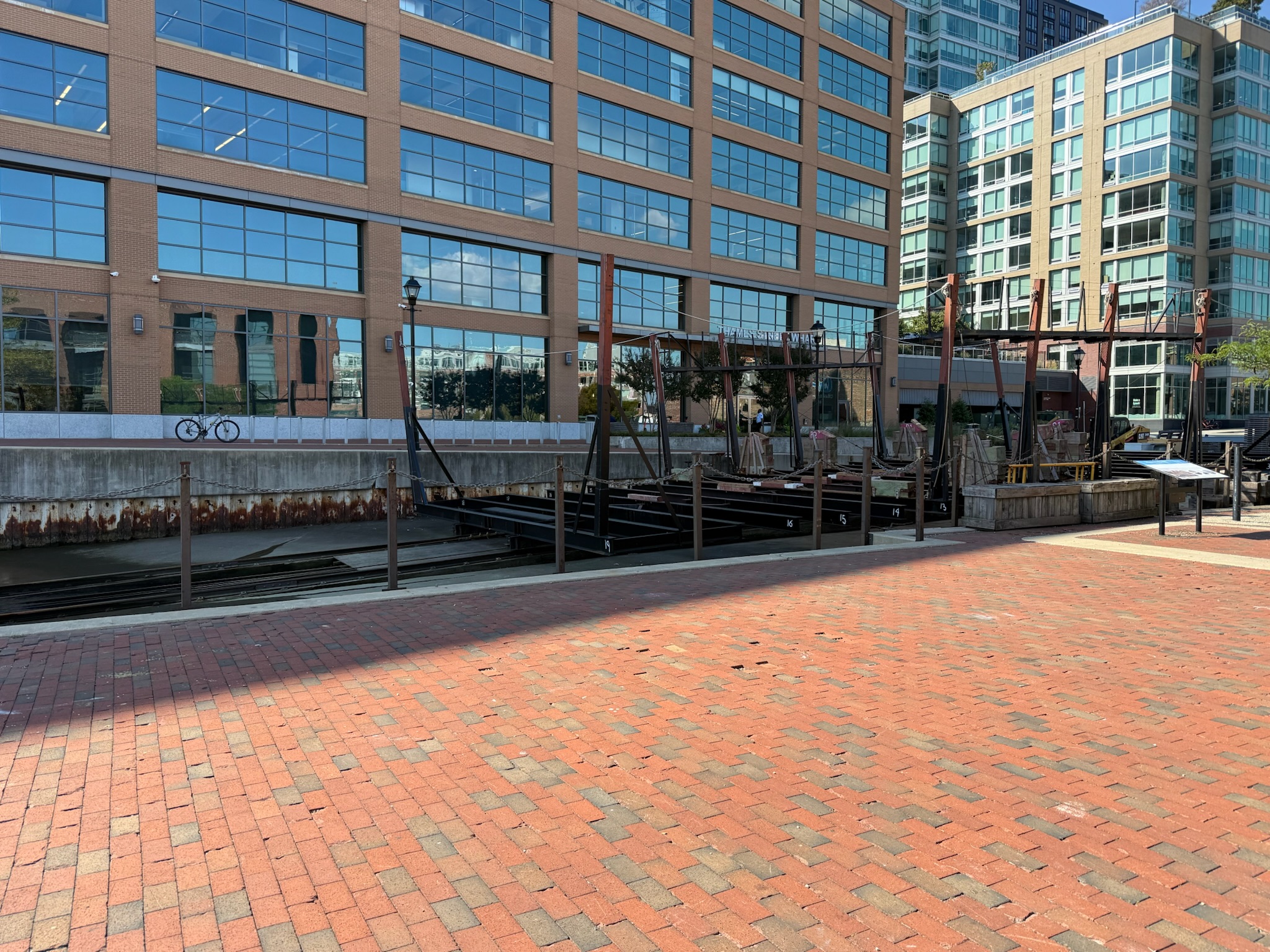
And we noticed a contraption called a marine railway, which looked like it may have been how they put ships into dry dock. The sign didn’t specifically say it was part of the Chesapeake Marine Railway & Dry Dock Company, but there was a painting of the yard on the sign and another sign highlighted that it had been a black-owned company, so we suspect this was its former location.
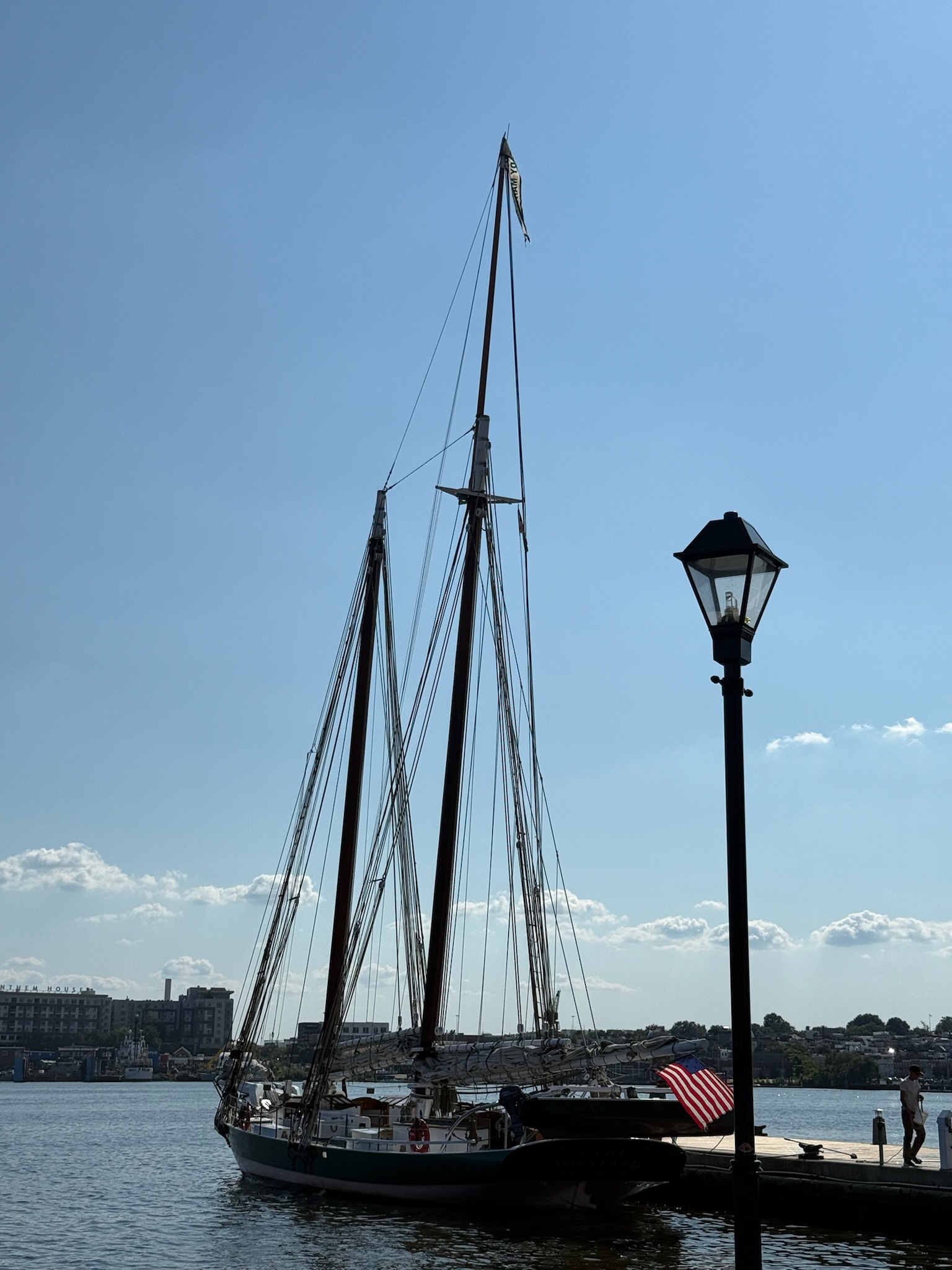
Next to the water taxi terminal was a sailboat that was a part of the Living Classroom education program that was operated in the building.
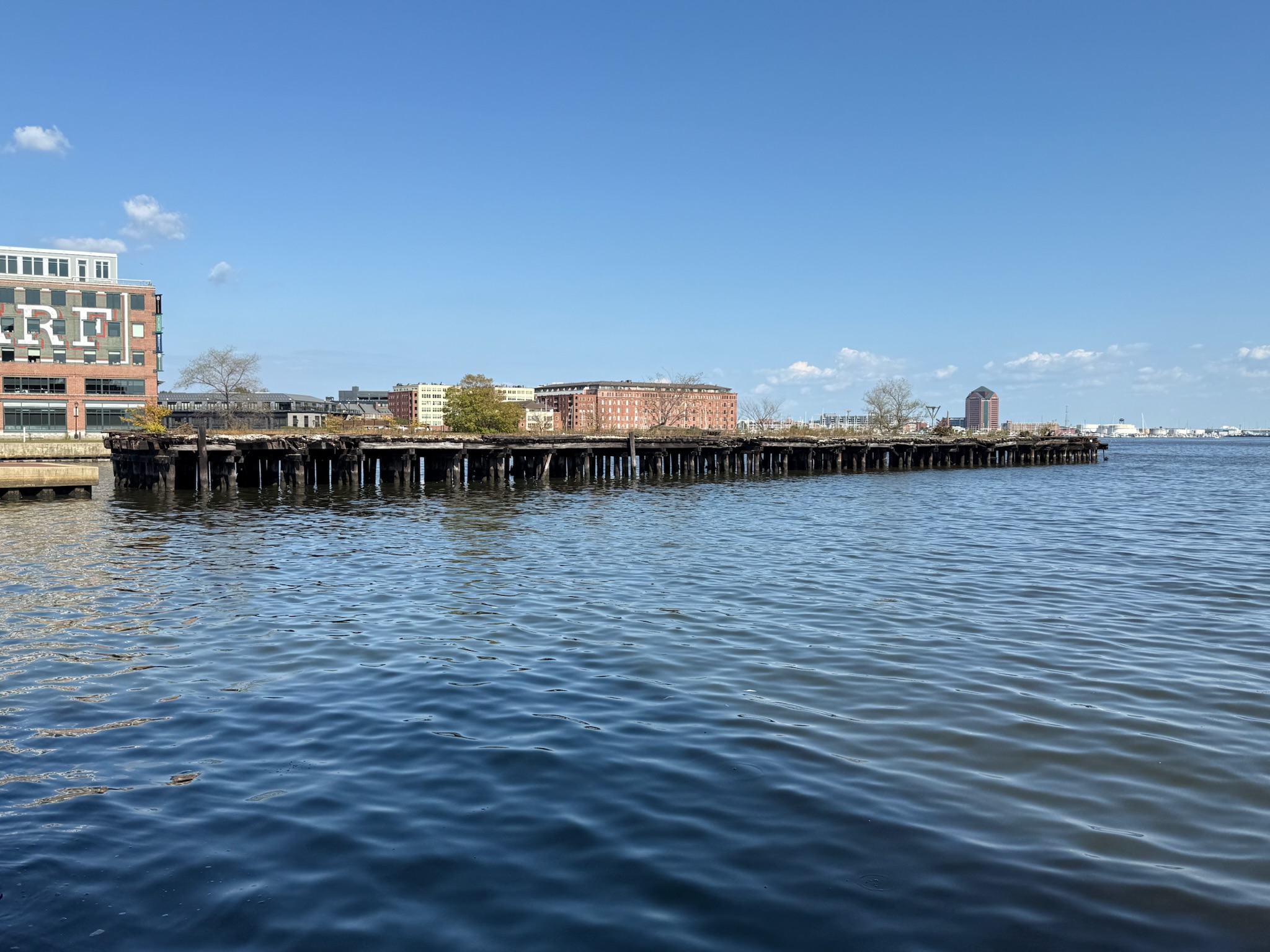
The next dock over looked like it had some deferred maintenance issues.
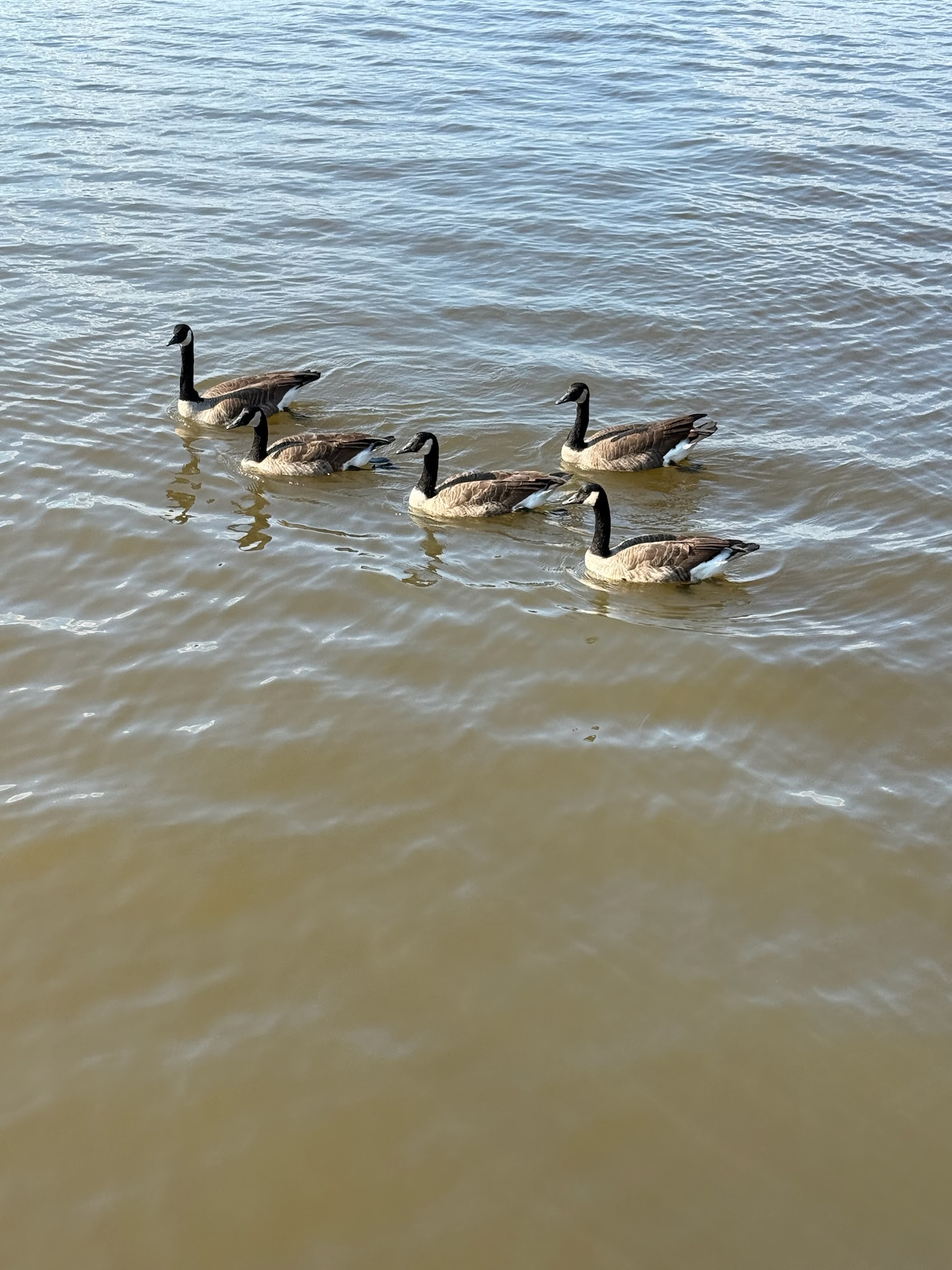
There were a lot of birds around, especially geese.
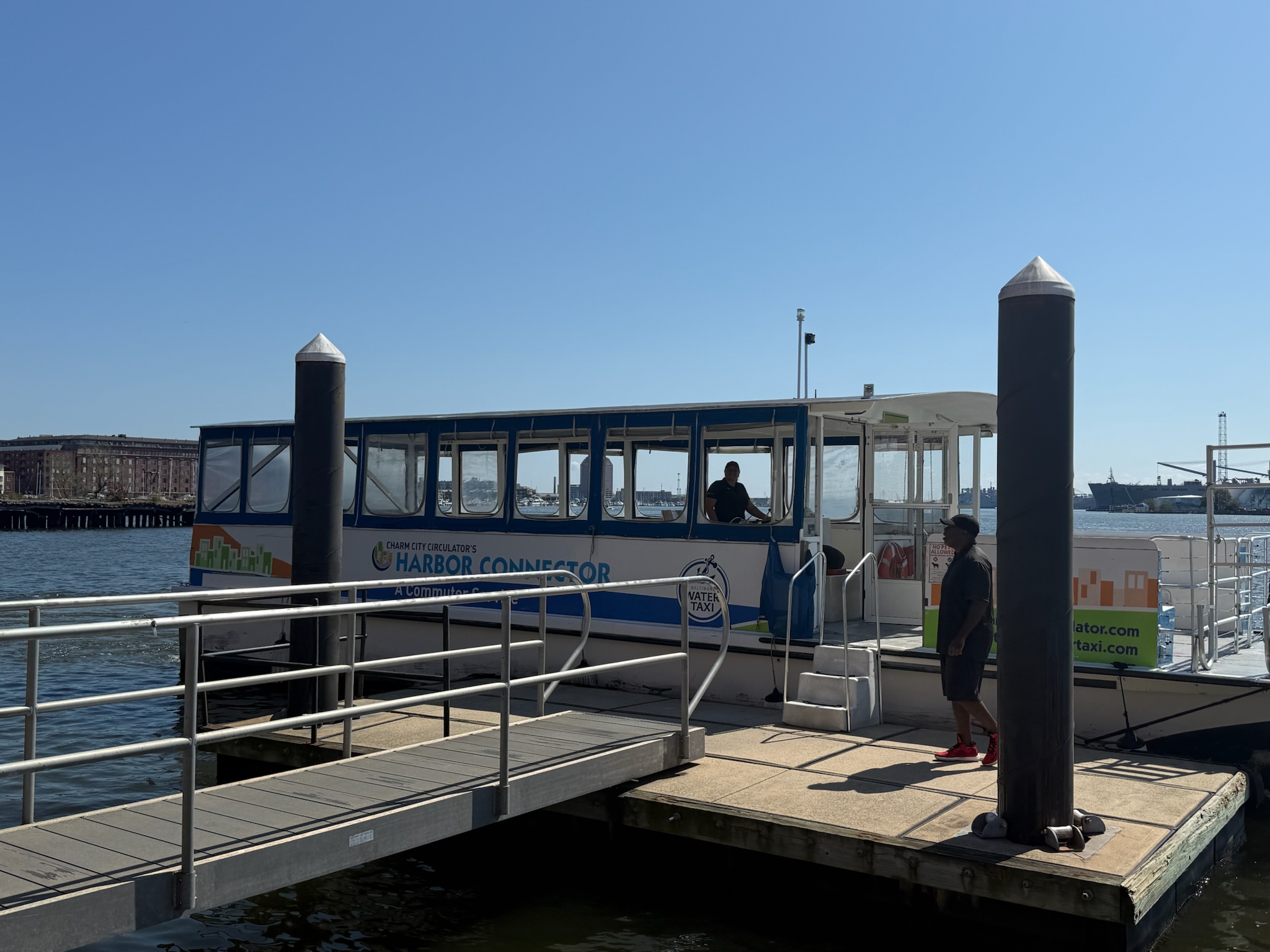
The water taxi took us back to Locust Point and from Locust Point, we went back to Canton.
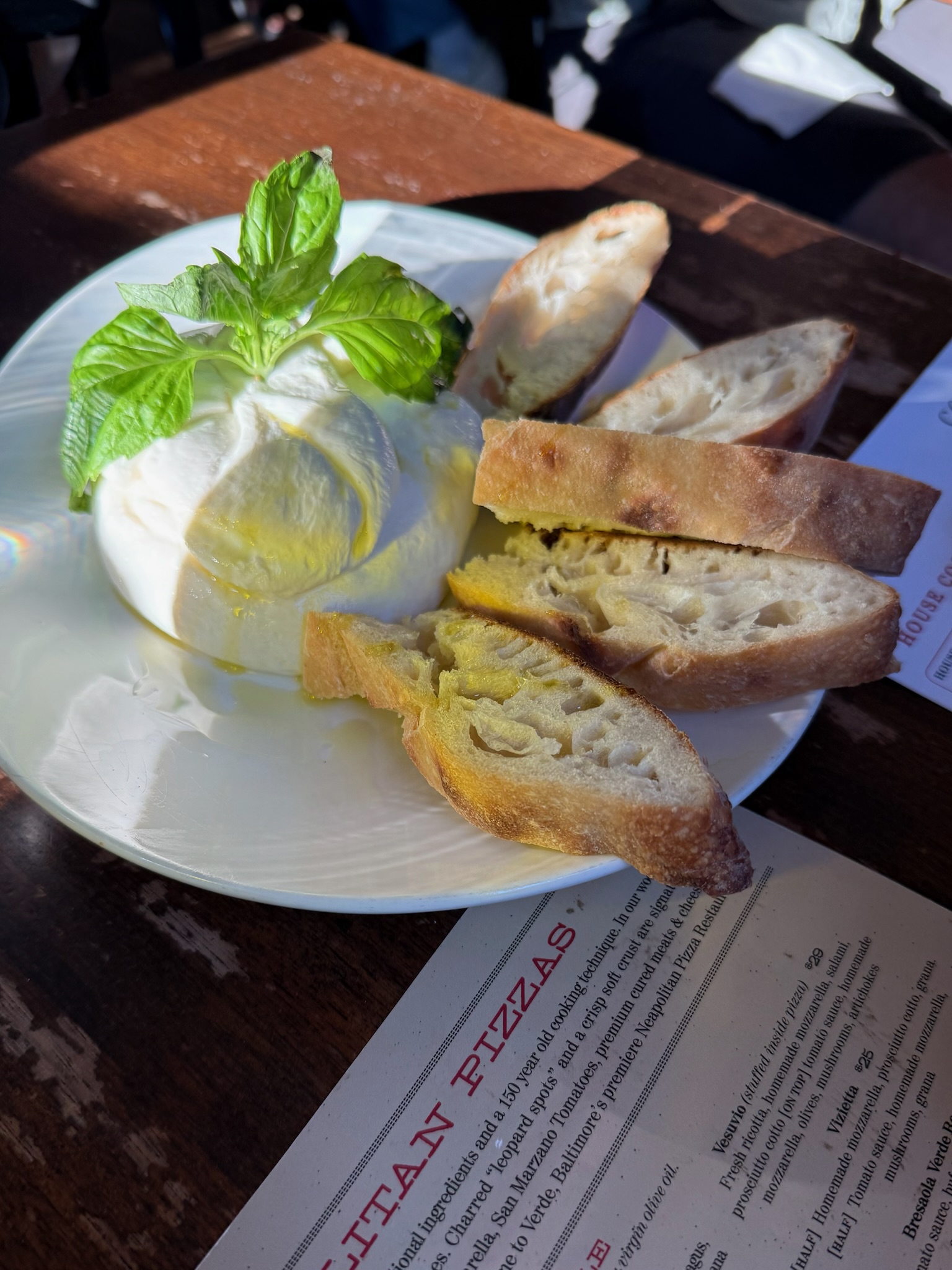
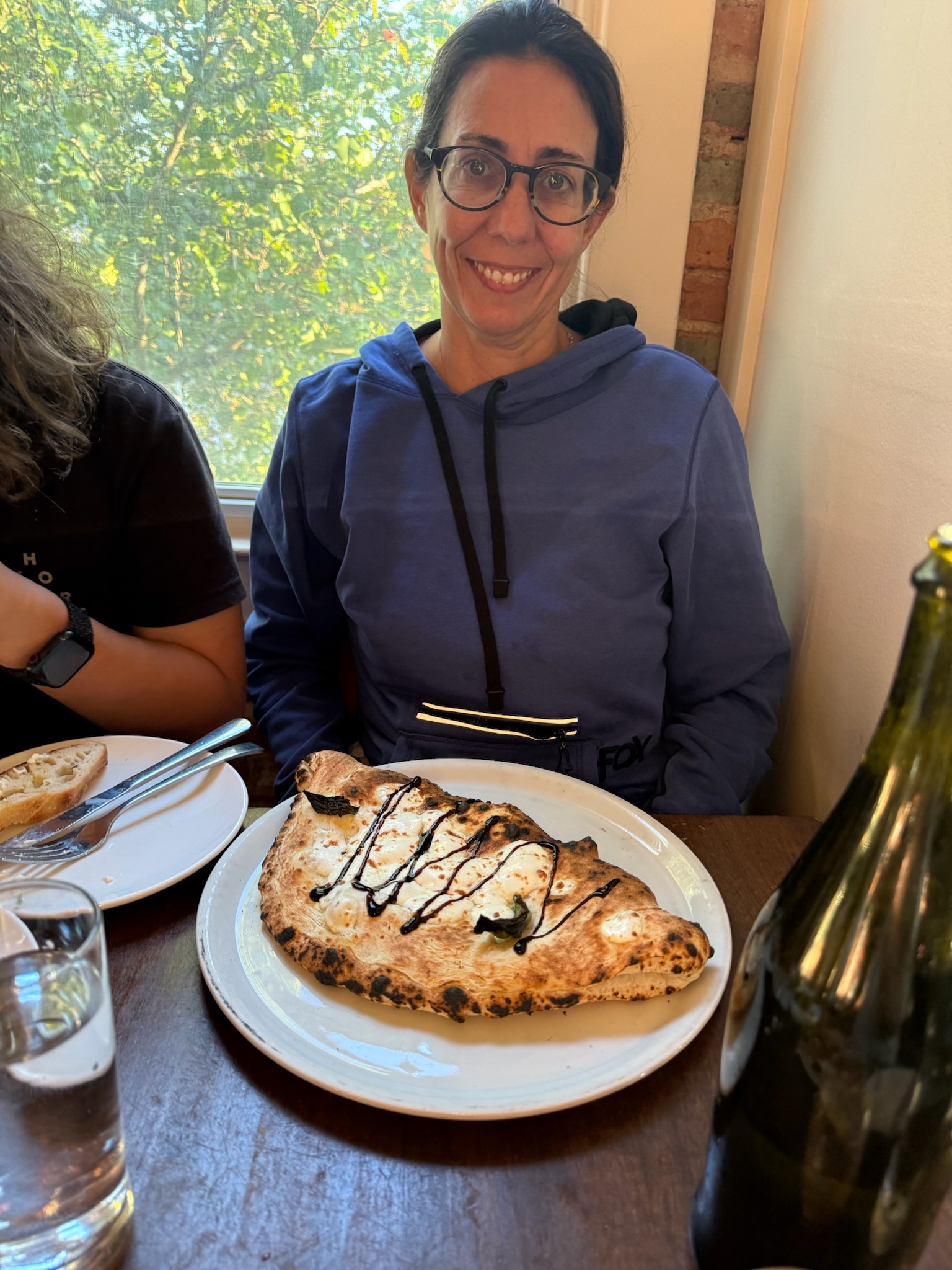
We went back to the boat for a little while, then we walked to Verde for a pizza/calzone dinner. This time, we ordered a cheeseball appetizer and it was incredibly creamy.
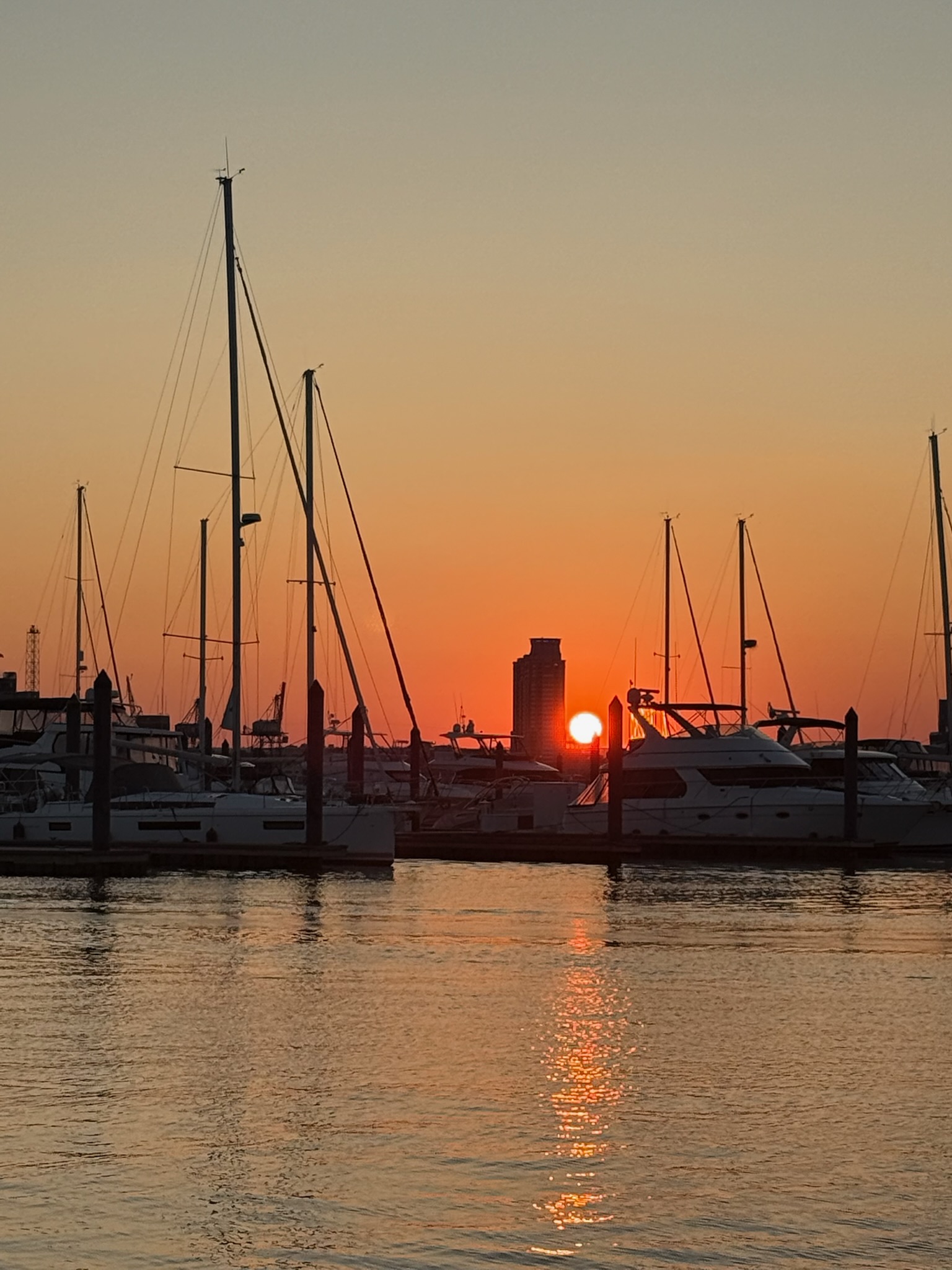
We made it back to the boat in time to see the sun right before it dropped behind the buildings on the horizon.
So stoked you made it to the aquarium. It’s even more spectacular than I remember it! Great food pics, by the way. Enjoy the yummy food from here on out while in the DC area!