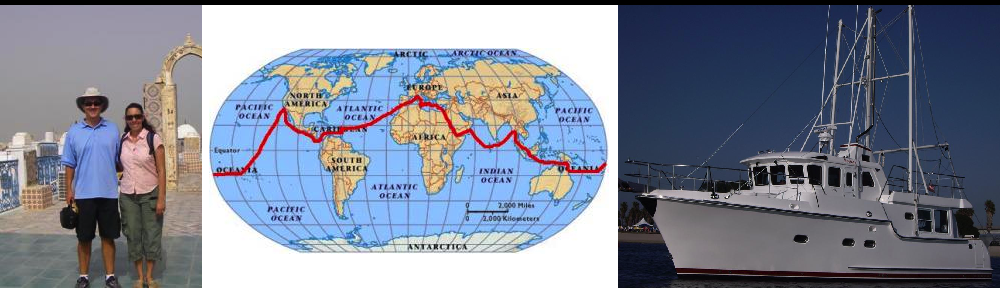
Continued… From Adeline’s room, we moved into the part of the slaves quarters that was above the utility room. The signs said that the Myers had dozens of slaves over the decades, but didn’t say how many slaves the household typically had at any given time. The guides did tell us, but we don’t remember now. But we do remember they always had several, not only one or two. There was a big binder full of information that we didn’t read. Some of the displays on the walls were bills of sale for the various people. One display showed a bill of sale for a mother and daughter. In the bankruptcy inventory, they were identified as “washer and daughter.” John Myers did allow at least one of his slaves to purchase his freedom. We didn’t go into the portion of the slaves quarters over the kitchen.
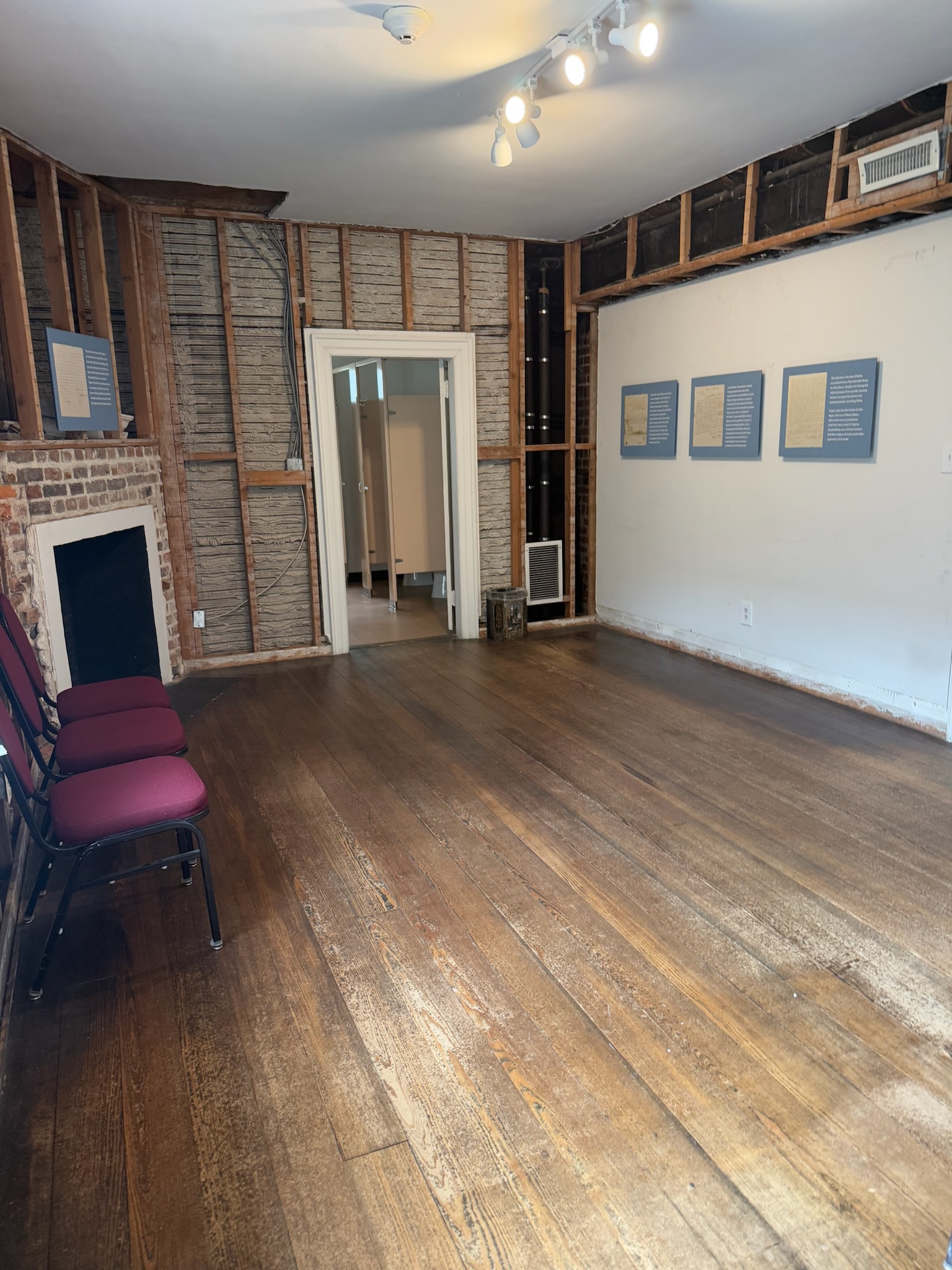
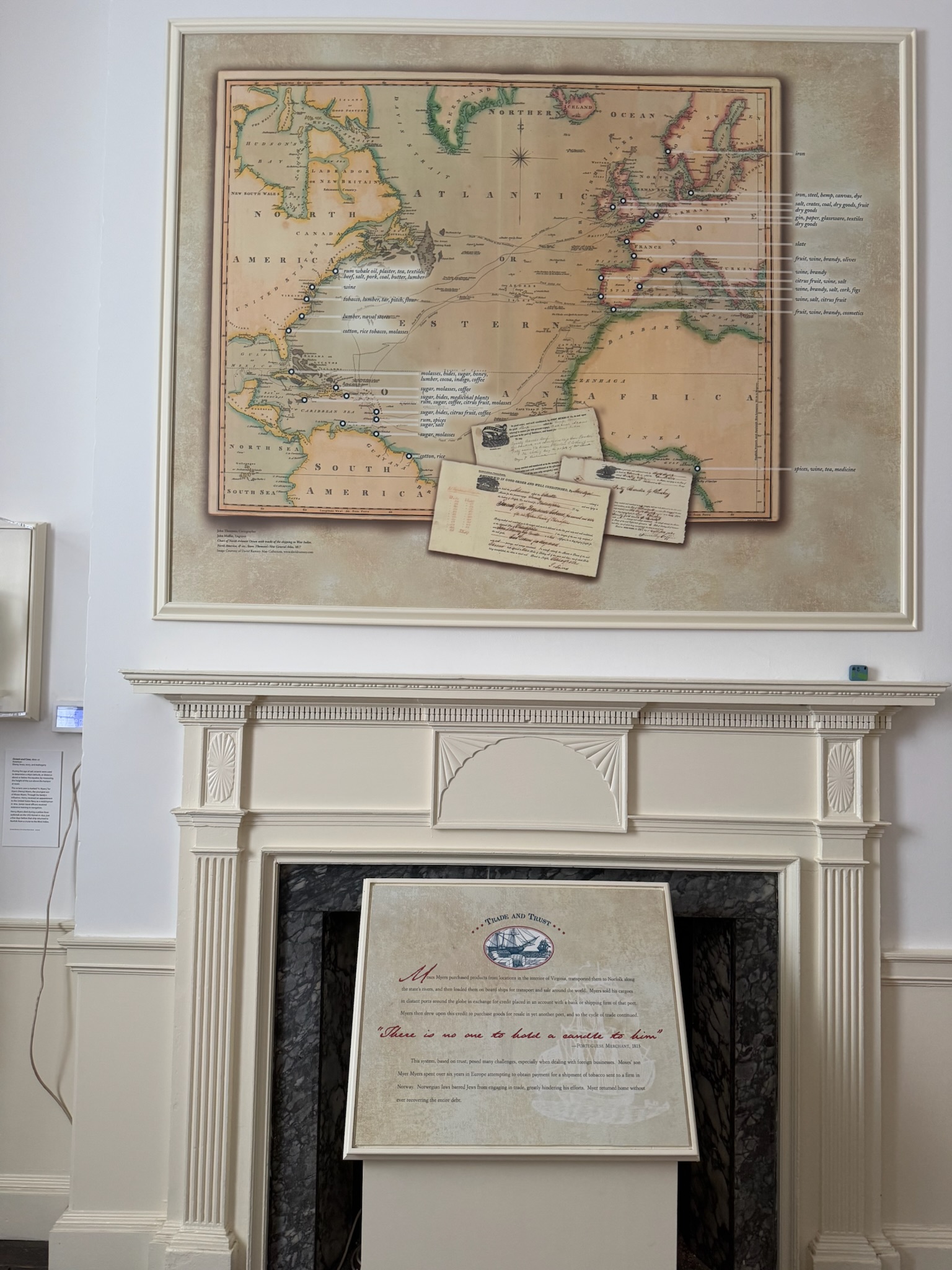
One of the former bedrooms was a display area that focused on Moses’s career. One particularly fascinating item in the room was a map from 1817. This depicted of part of the Atlantic and the continents that bordered it. There were dots on various port cities and the key identified what products were exported from those locations. There were also sailing routes between various ports of call. The sign under the map said that Moses usually owned about 6 ships at a time. He would buy products from the interior of Virginia, transport them by river to Norfolk, then exported those products overseas. Then he’d used the money made to buy products at those foreign ports to bring back to the US to sell. In selecting which ports to send his ships to, he had to factor in current events, exchange rates and market prices. The Napoleonic wars hindered trade with both Britain and France, and the disruption of commerce led to a national depression in 1819 that left Myers bankrupt.
Throughout his career in Norfolk, he was usually involved in local politics, serving on councils and as a director of the Bank of the United States in Norfolk. Myers went on to become a foreign diplomat for several years and, after returning to the US, became a civil servant (a customs tax collector).
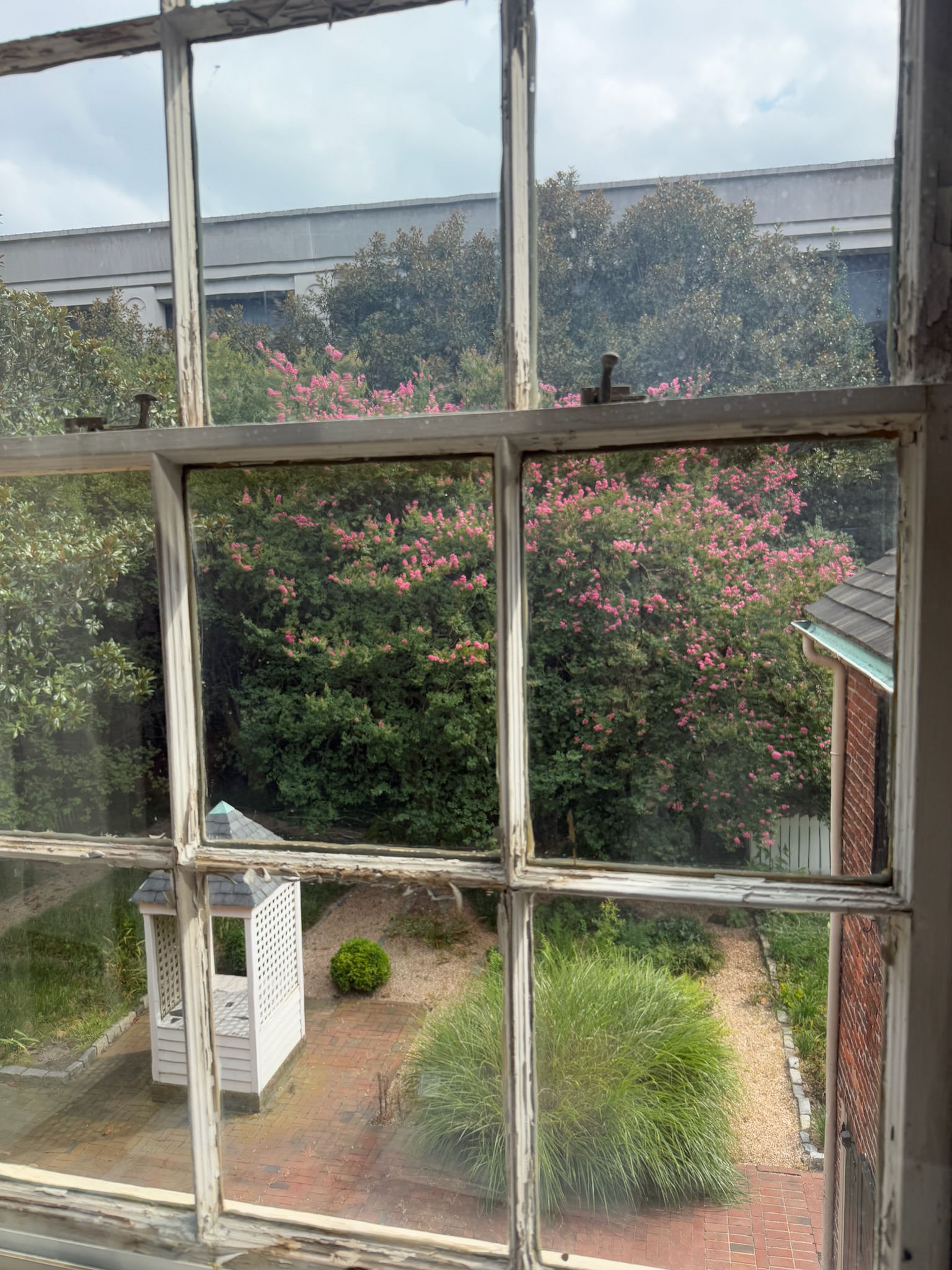
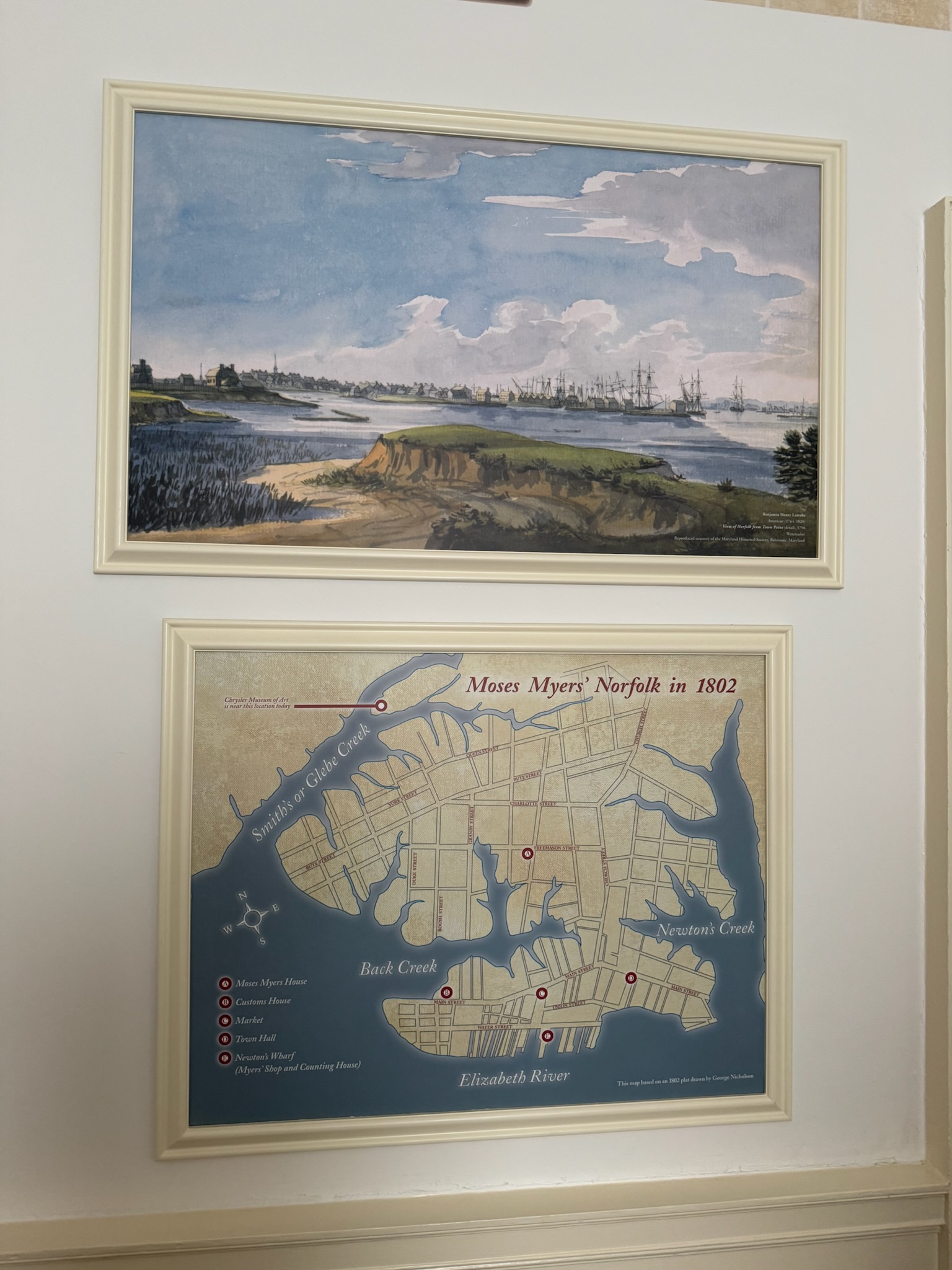
Another particularly fascinating item in the room was another map, this one of Norfolk in 1802. The Myers back yard had been on the edge of Back Creek. The guide explained that the creek had since been filled in. We clarified that the parking garage next door was built on reclaimed land, and she confirmed that it was. She went on to explain that a lot of Norfolk was built on reclaimed land, and those areas had serious flooding problems. There were actually efforts underway to remove some of the man-made land and restore the natural waterways.
Another room was dedicated to Moses’s great-grandson, Barton Myers, who was the last heir to live in the house. Just as Moses had helped to shape the city of Norfolk as it re-built itself after the War of Independence, so Barton helped to re-shape it into a modern, prosperous city with a strong military presence.
One of the products that The Myers Company shipped out was raw cotton to be made into fabric. Wanting to develop local manufacturing, Barton established the city’s first textile mill in 1880 and created the Shippers Compress Cotton Company in 1881 to press cotton into bales. He later established a yarn mill, too.
Barton entered politics in 1880. He served on the common council for five years, then became mayor. During this time, he oversaw improvements to streets, waterworks and public safety departments. In 1886, he brought the Atlantic Coastline Railroad to Portsmouth, and in 1905 brought the Virginia Railroad line to Norfolk. He also annexed more land to create suburbs.
He served as president of the Norfolk Docks Commission in 1916, where he extended the railroad line to a new terminal and supervised the construction of coal piers and grain elevators to make Norfolk a more competitive port. Afterwards, he headed the Norfolk Port Commission, which Myers considered his greatest achievement (though the signs didn’t say why).
He lobbied congress to open a Navy base in Norfolk and he was successful — Naval Station Norfolk is the largest naval base in the world!
The signage hinted that Barton may have personally profited from his various feats. He served as director of six real estate firms that developed the annexed land into residential developments and made the commercial upgrades to the waterfront areas in order to accommodate the new rail, port and manufacturing facilities.
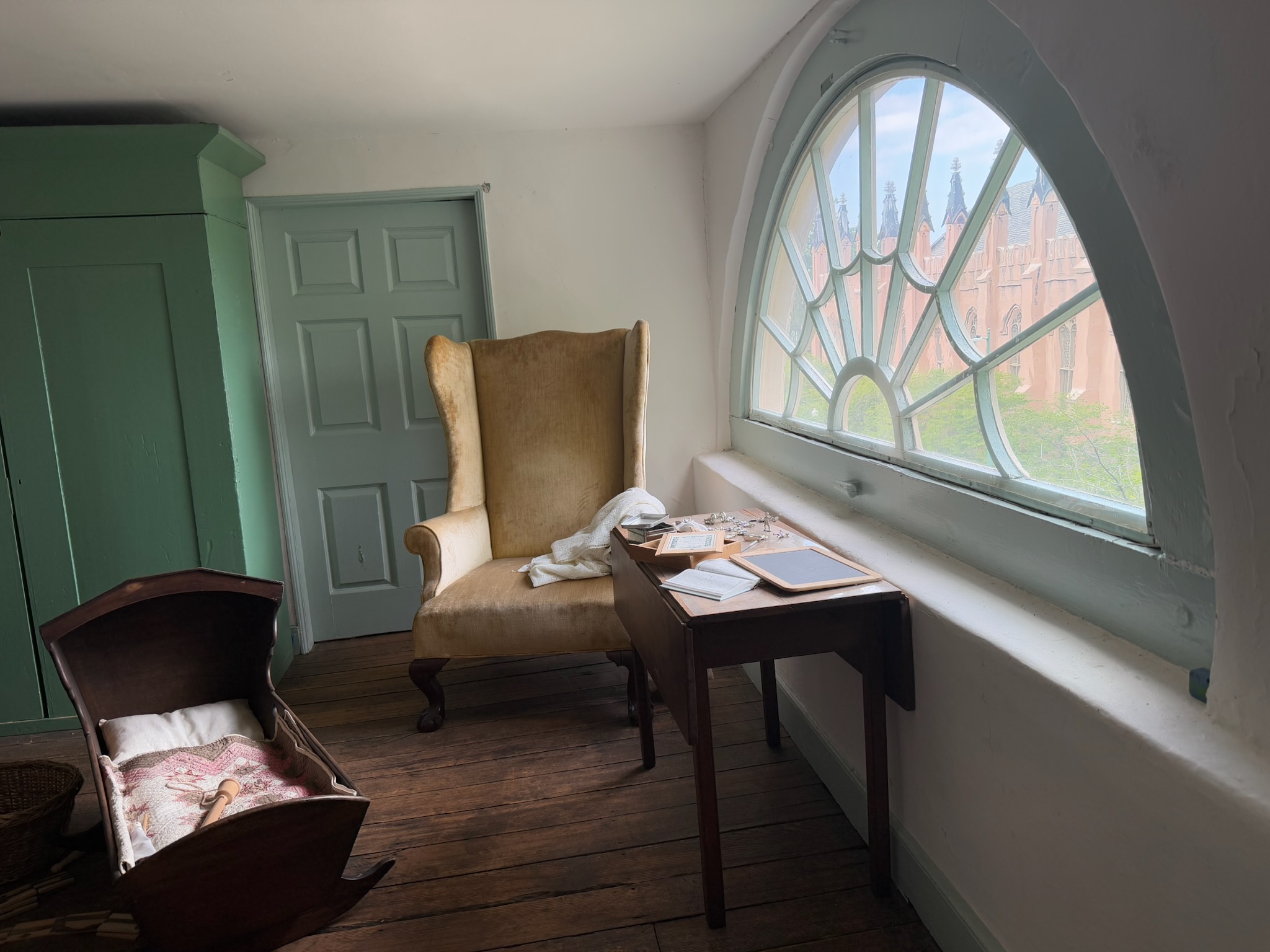
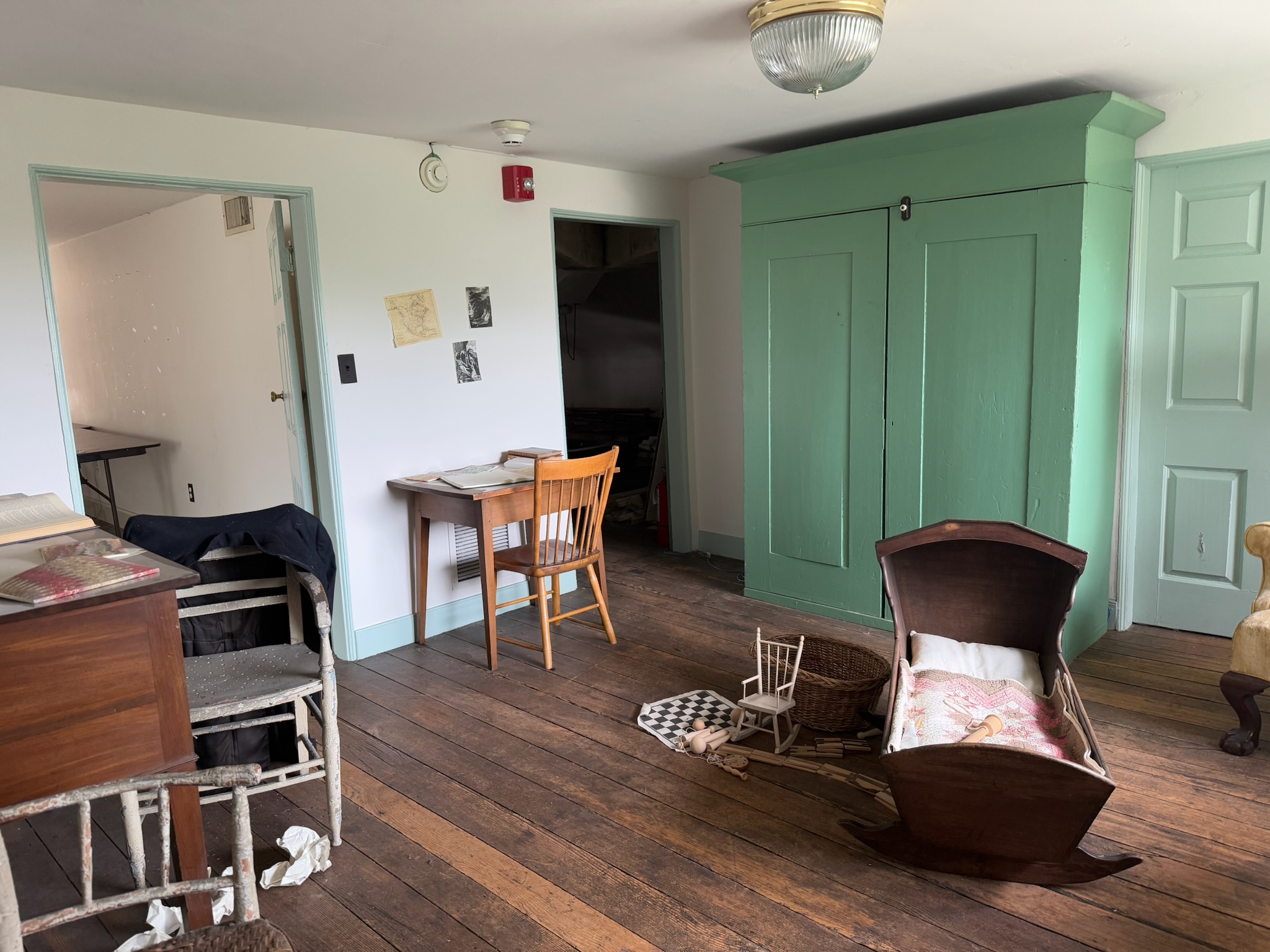
From the second floor, we moved up to the finished attic. We weren’t allowed to go into the space, only view it from the top of the staircase. The guide said the children lived up there until they reached a certain age (we can’t remember now… maybe 9?) and then were allowed to move to the second floor. Once all the children were grown, one the adult children still living in the house made the attic his bedroom, saying that he liked looking out of the window up there.
By now it was almost 1700, which was closing time for the museum. We headed out, thrilled about finding such a wonderful gem. While the museum would have been interesting in and of itself, the guided tour with all the stories above and beyond the signs really brought the people who lived in the house over the decades to life. There were actually several more stories that we can’t remember now.
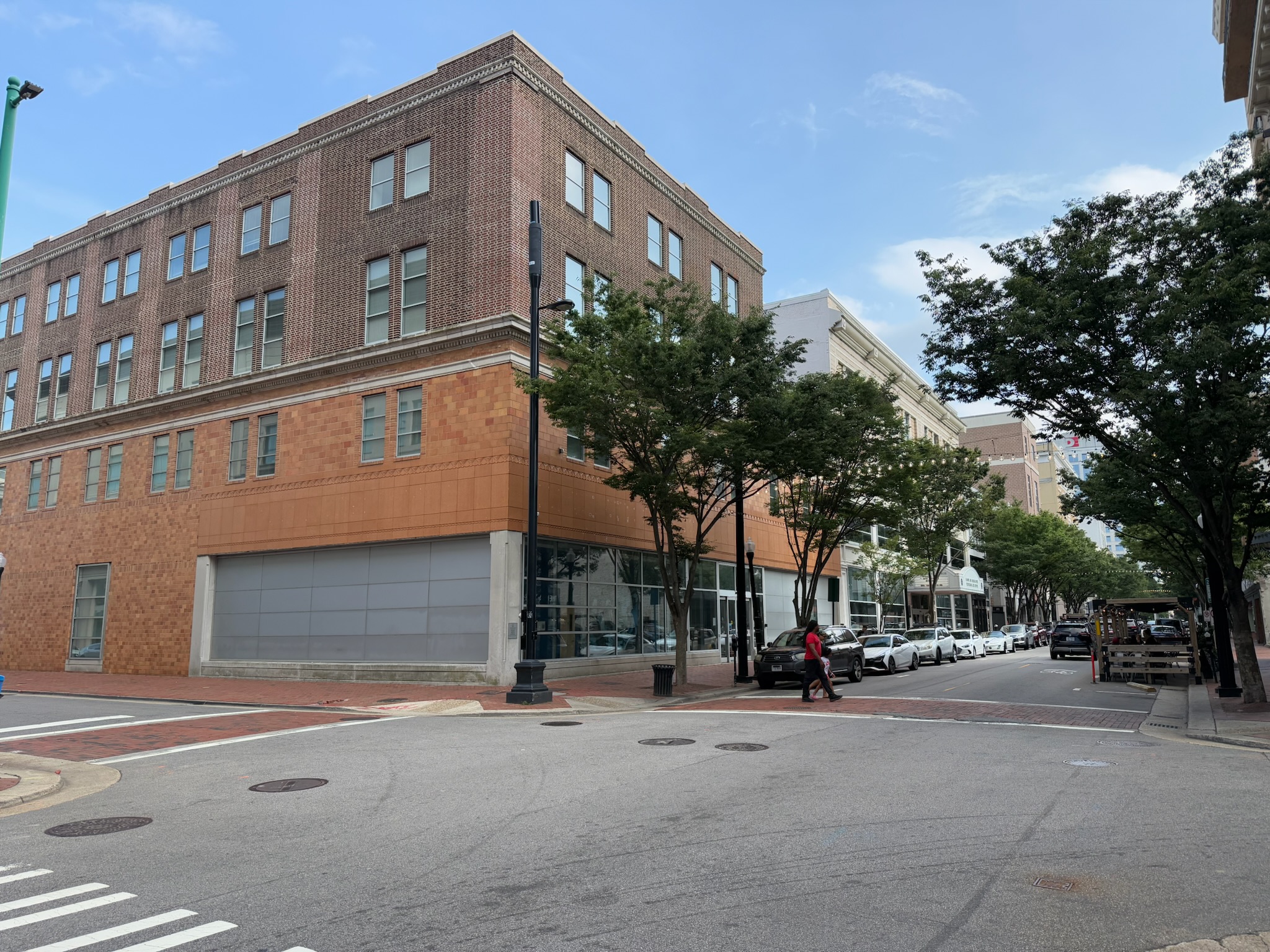
We decided to get dinner. We drove a short distance to another part of the historic area that had a cluster of restaurants. We wandered around to see what caught our eye. A few of the buildings looked new.
But most looked like they were historic buildings.
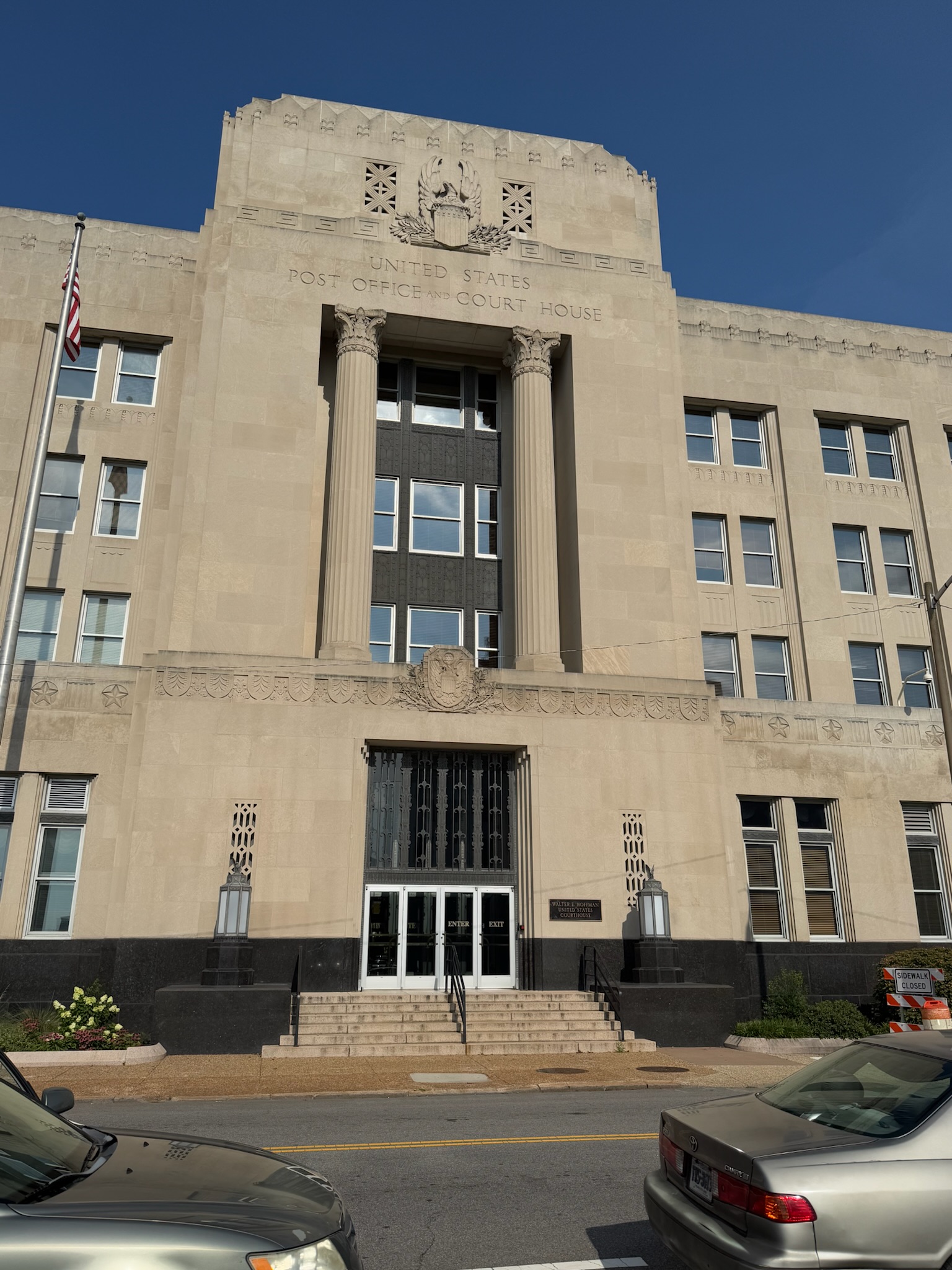
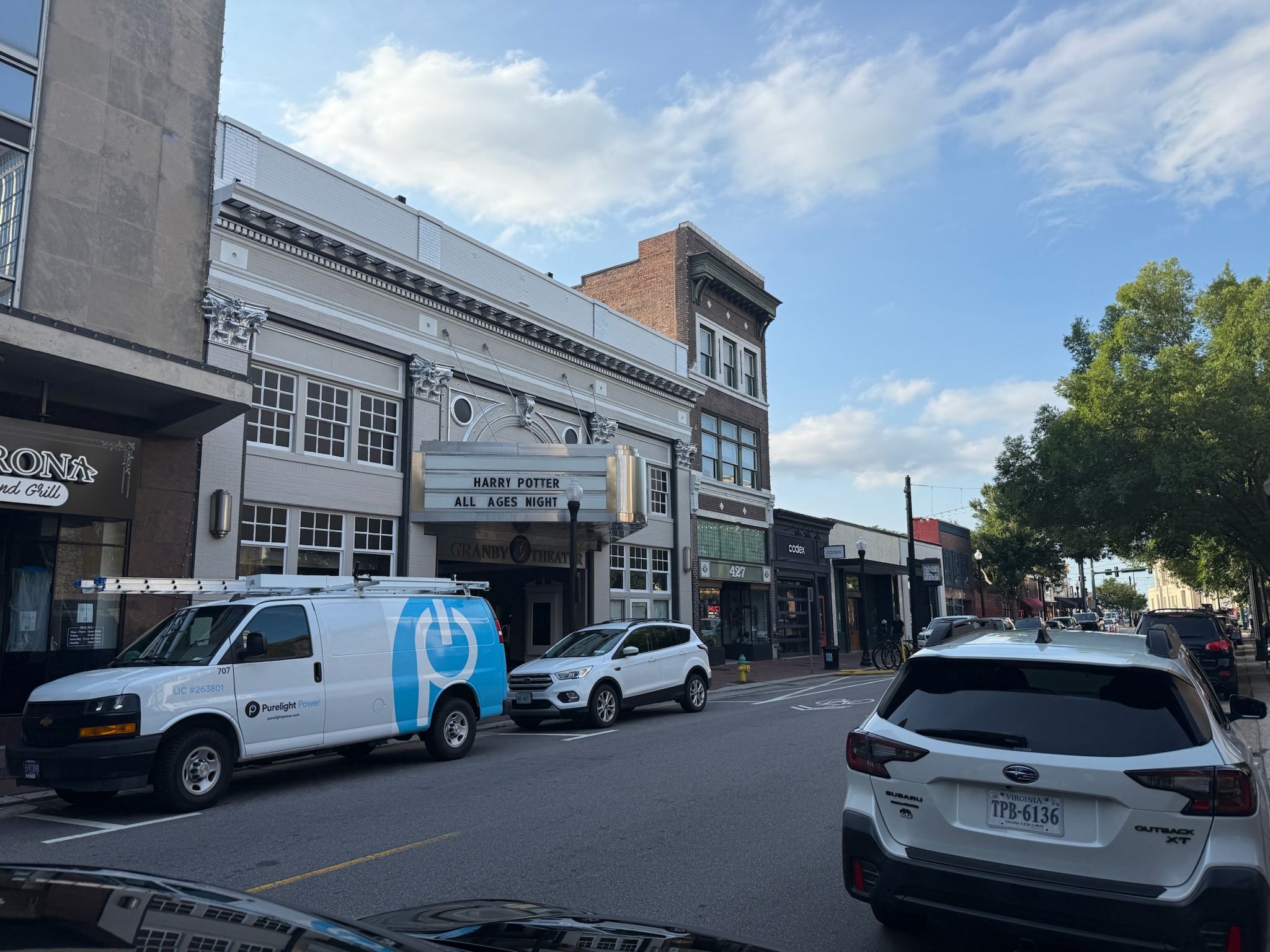
And several of the historic buildings looked like they been added onto. Some of the additions were painfully obvious, with little care to make the addition blend into the original part of the building.
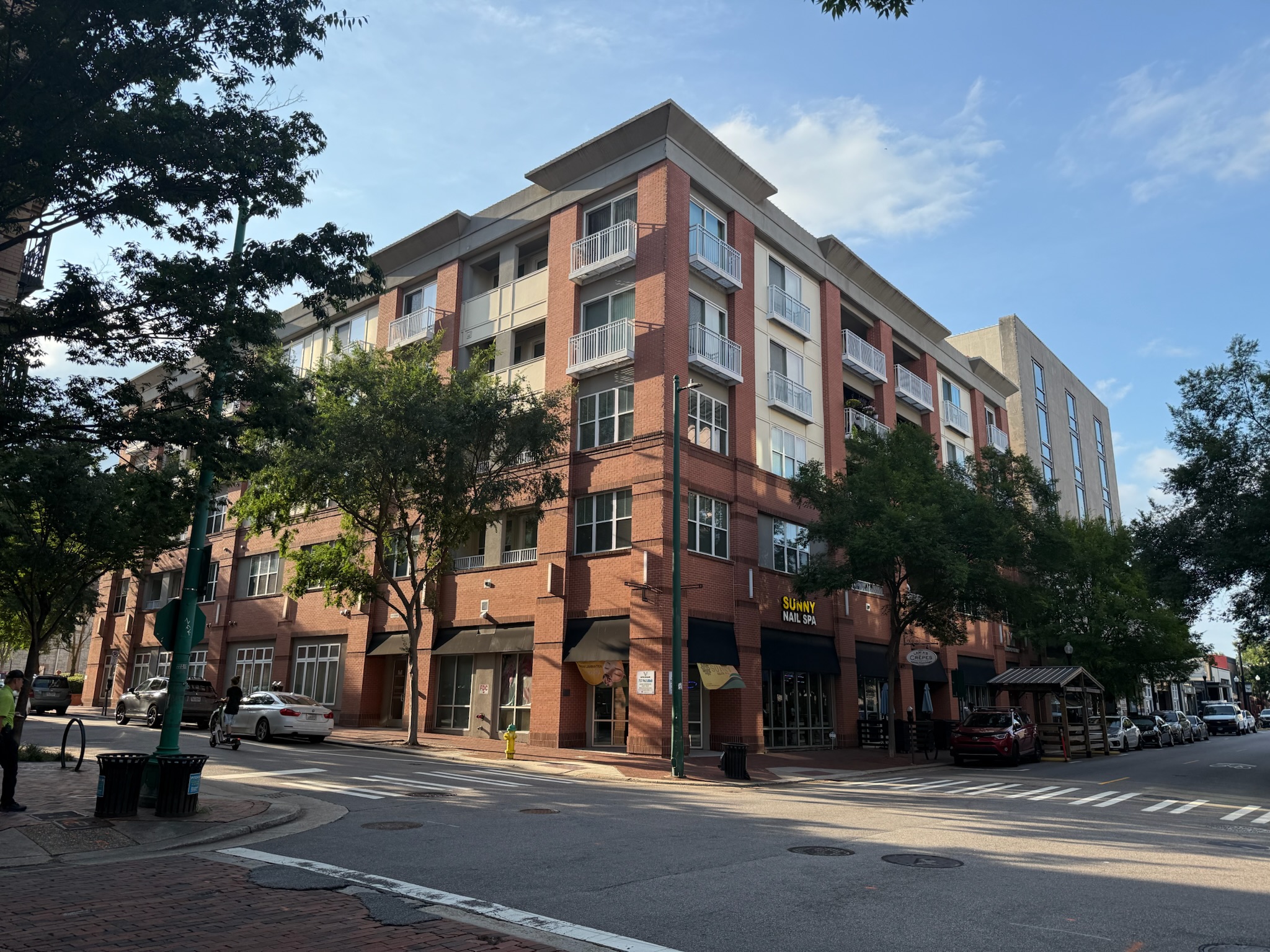
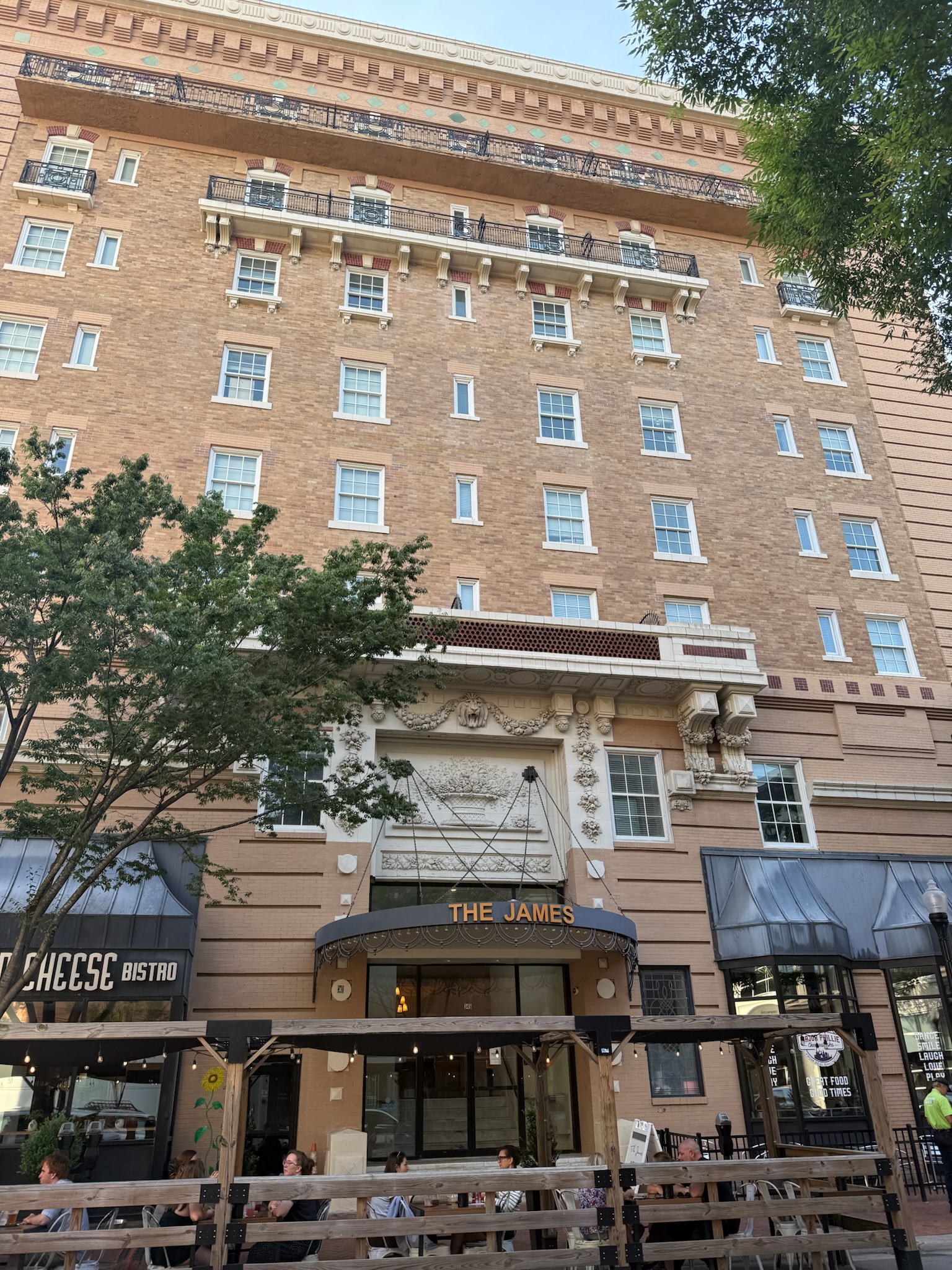
We settled on a gourmet grilled cheese restaurant called The Grilled Cheese Bistro. It was on the ground floor of the James Hotel, which was built in the early 1900s and was now an apartment complex.
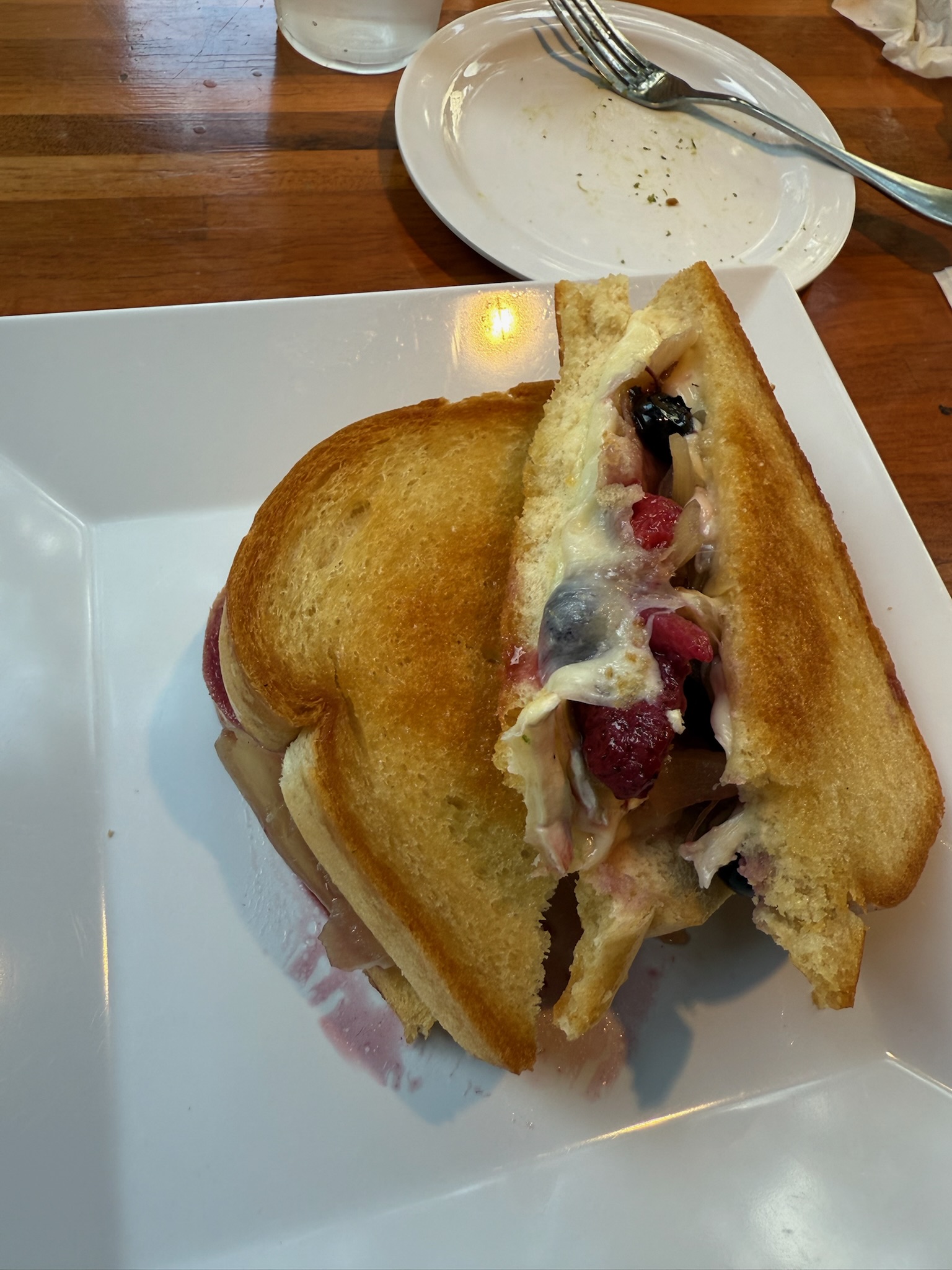
The menu had some very unique grilled cheese choices. The waitress said that the menu was seasonal and changed every three months. Christi ordered one with brie and Swiss, prosciutto, caramelized onion, and a lemon-thyme-berry compote on sourdough. It reminded her of the cranberry brie panini that she’d gotten in Deltaville.
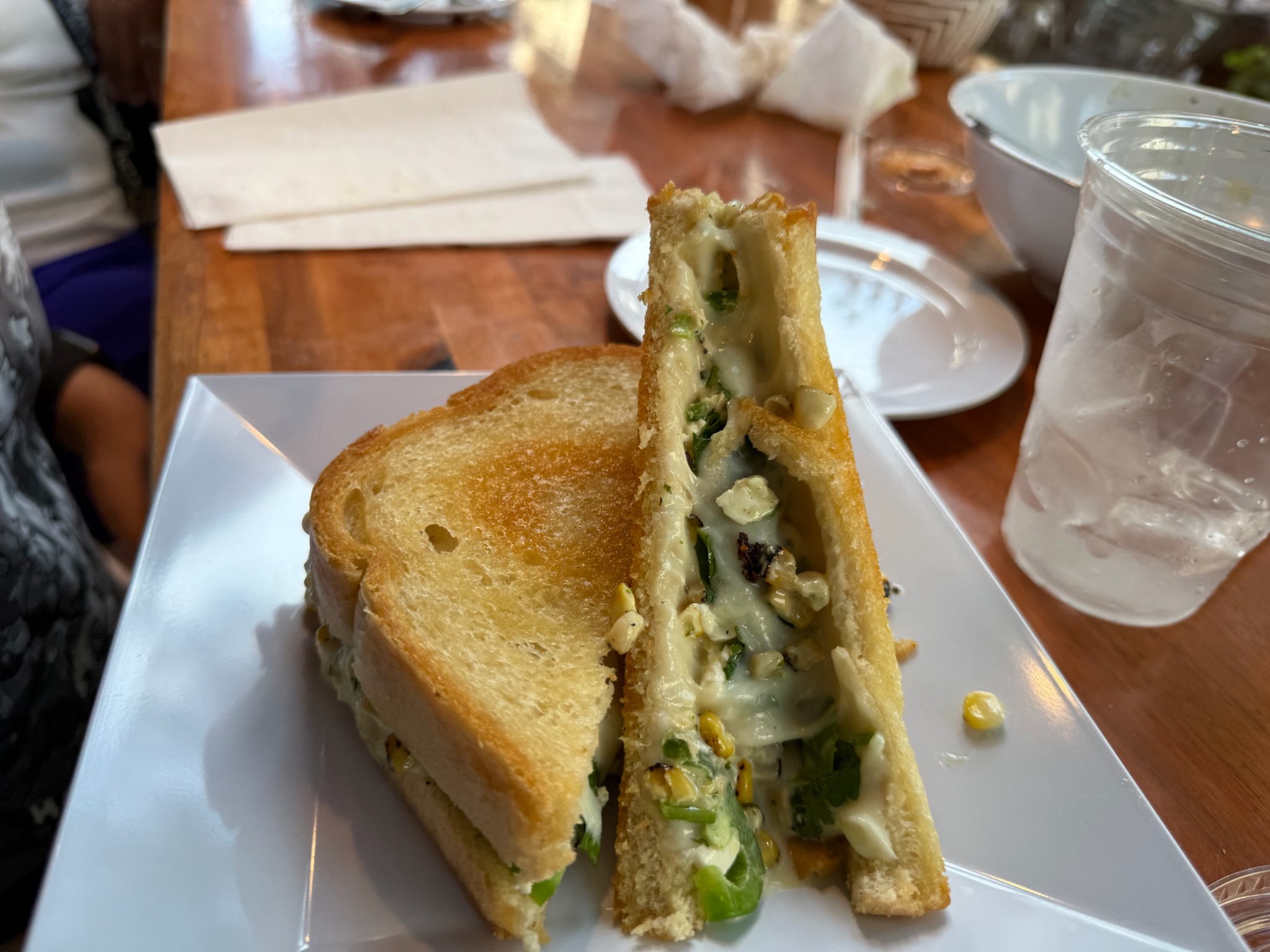
Keith ordered one with feta, parmesan and mozzarella with corn, jalapeños, and a chimichurri (a sauce made with garlic and parsley or cilantro sauce) aioli on sourdough. That was messy for him to eat.
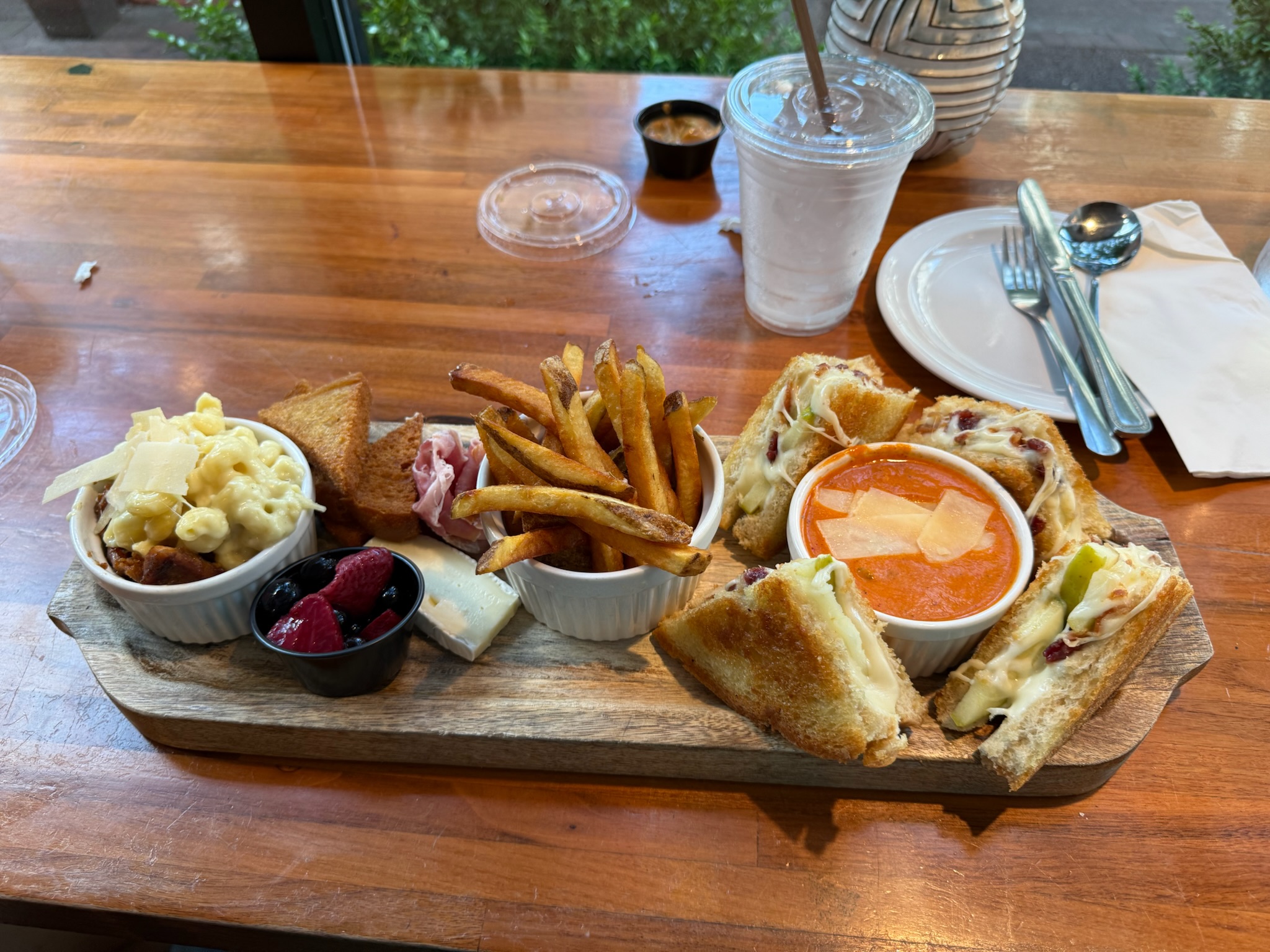
Eric ordered a tasting board with: Grilled Cheese with cheddar, bacon, apple on sourdough; bourbon chicken topped with black truffle mac & cheese; rosemary truffle fries; slices of crostini, brie and prosciutto with a side of berry compote and tomato bisque topped with parmesan.
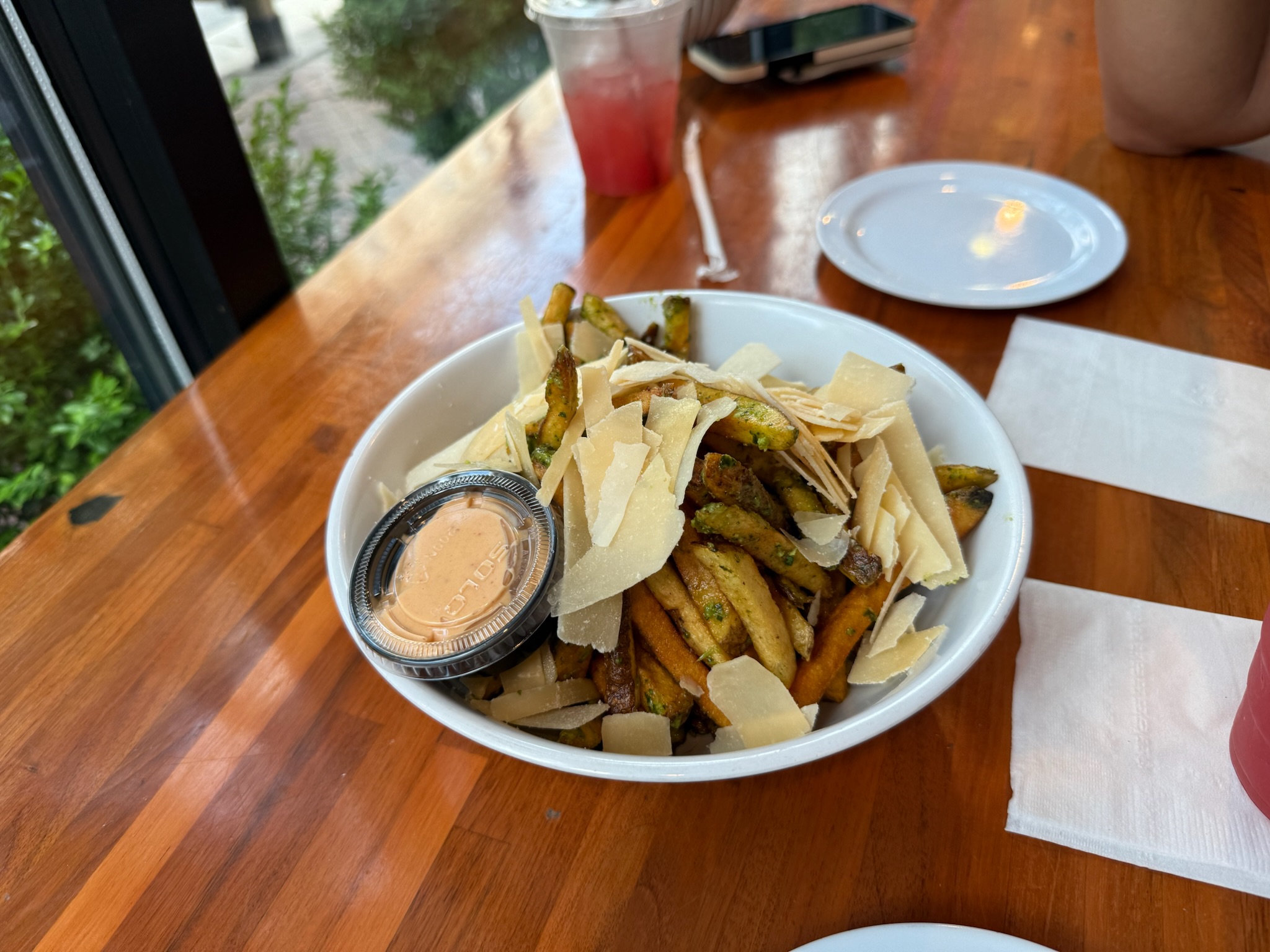
We all shared a basket of Chimichurri fries, which were were topped with slices of parmesan.
The food was great. That was two gems in one day!
In the evening, Eric and Keith played Civilization VI with the Ocean Posse group again. We’ve stopped mentioning it because it has become a regular activity, usually once a week, but we thought we should mention that these Civ games have become a regular part of our boating life routine.