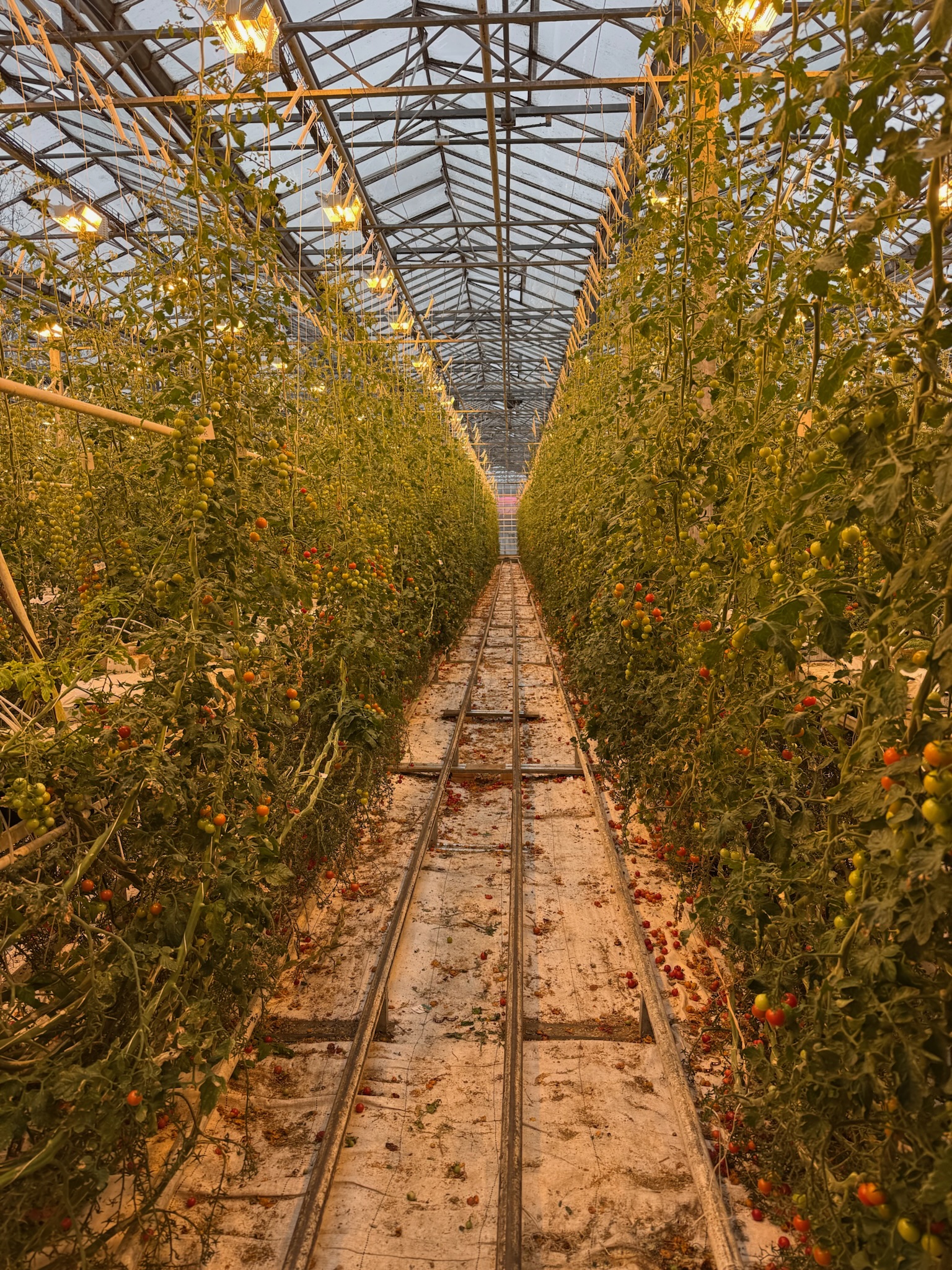
continued… The bus dropped us off in front of the greenhouse and we went inside. The greenhouse was enormous. It seemed to go on forever with row after row of tomatoes.
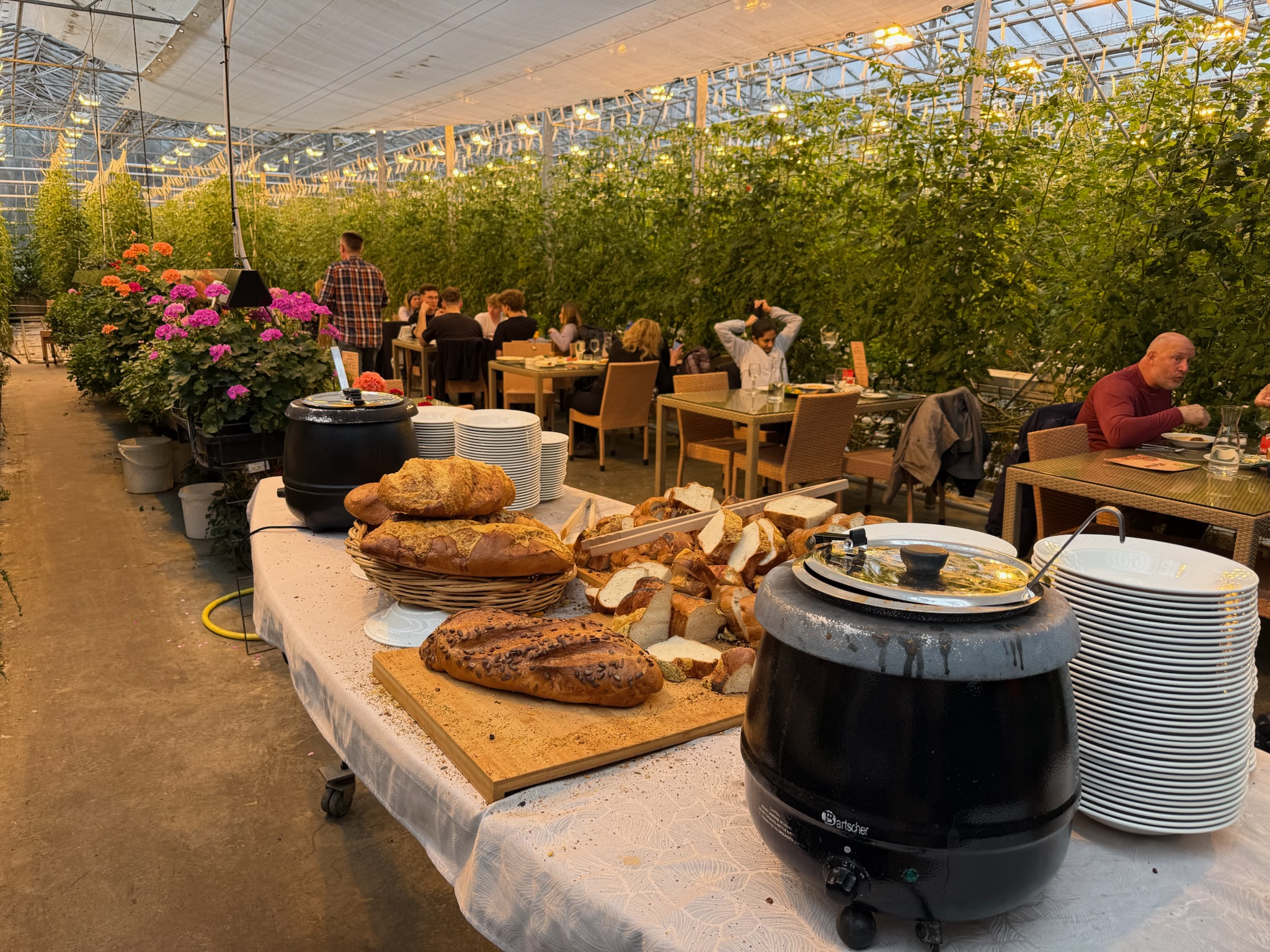
Some of the rows had tables set up in between them for dining.
continued… The bus dropped us off in front of the greenhouse and we went inside. The greenhouse was enormous. It seemed to go on forever with row after row of tomatoes.
Some of the rows had tables set up in between them for dining.
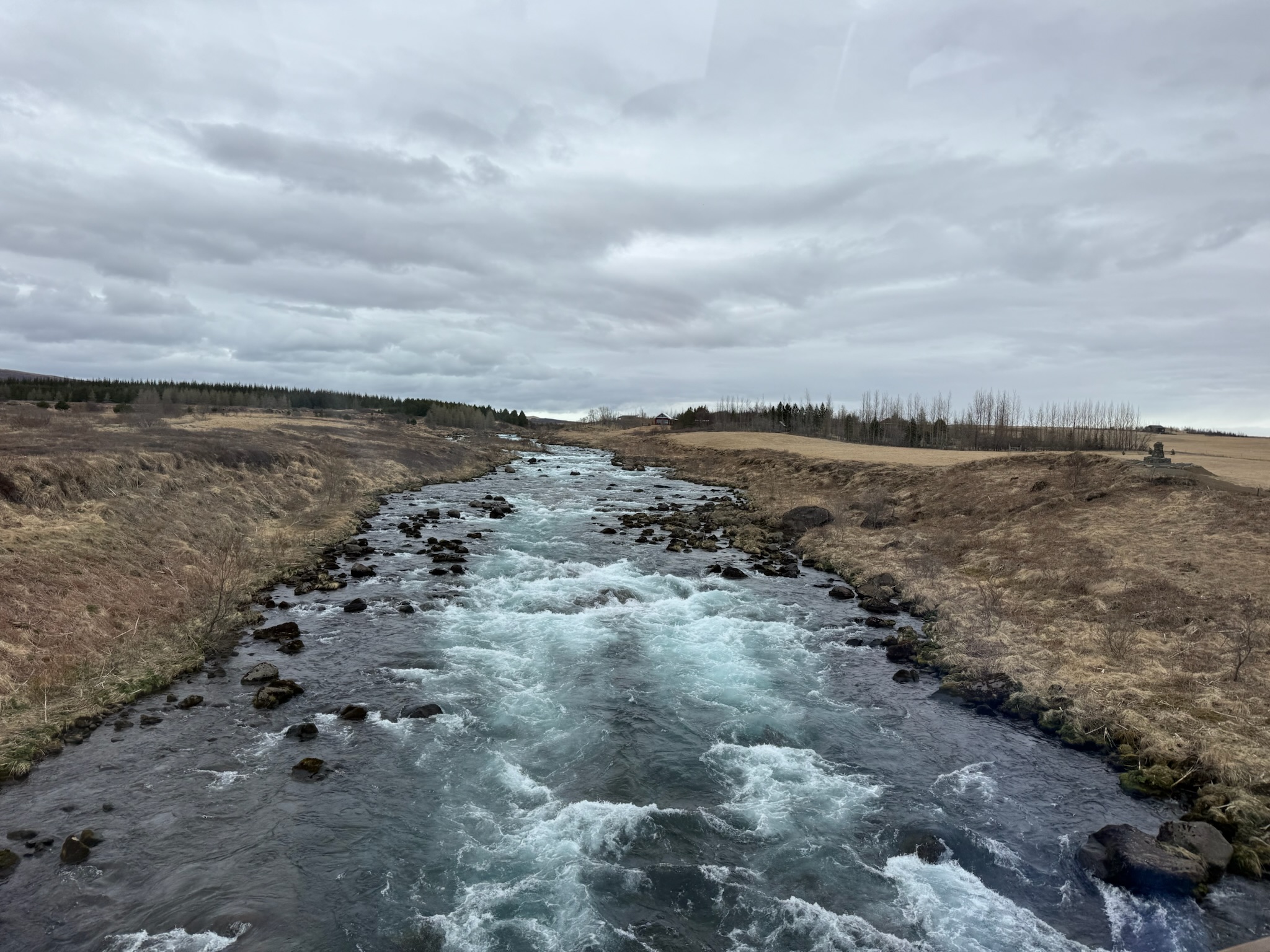
Friday, May 15 continued... When it was time to leave the Geothermal Park, we boarded the bus and set off. Here was a shot of one of the many rivers we passed over along the way. The photo also gives a good sense of the scenery.
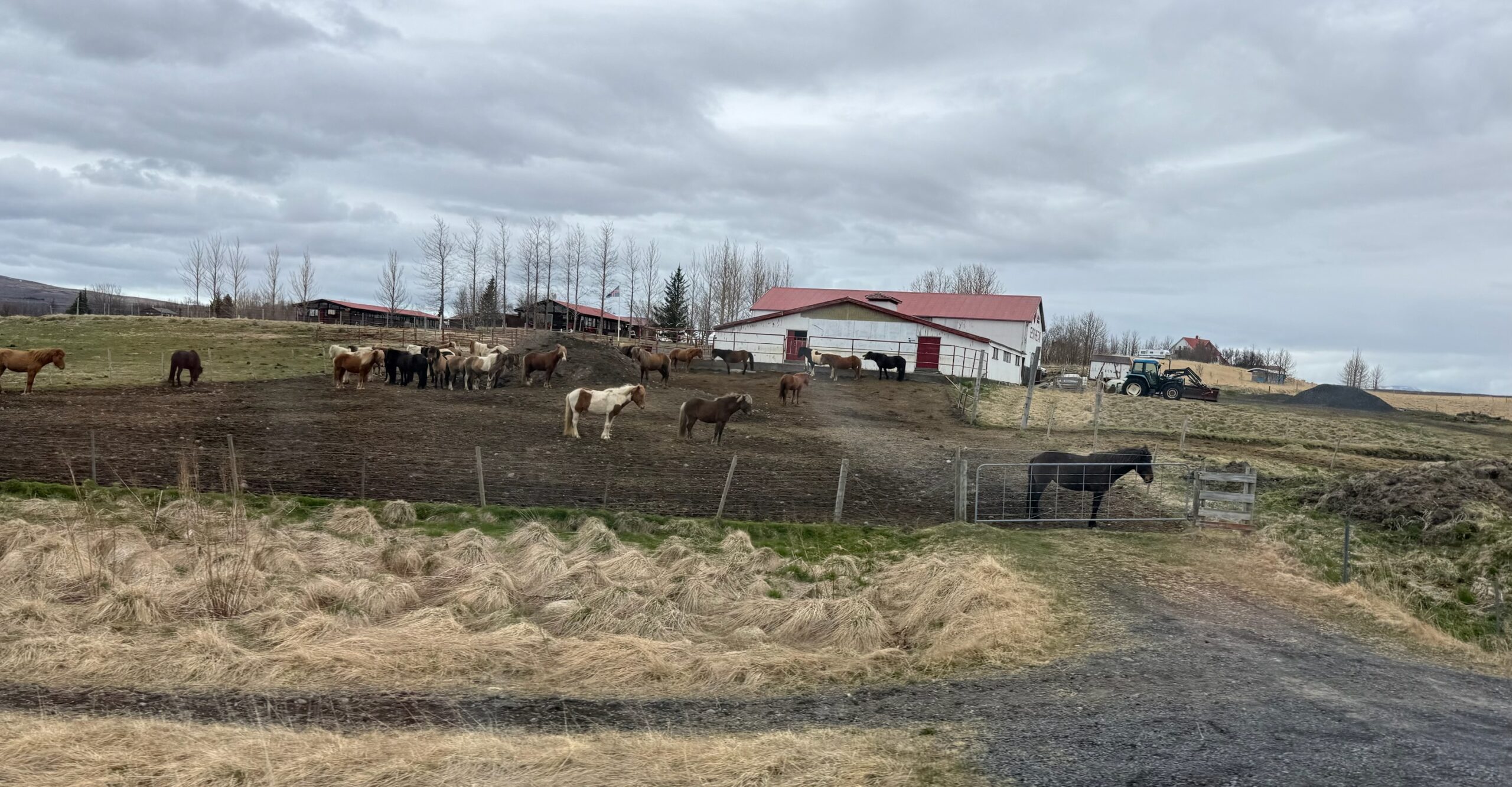
On the way, we also passed an Icelandic horse farm. The driver slowed down so we could take photos. The guide said the breed specific to Iceland. They were notably smaller than other breeds of horses and had a unique gait that other breeds of horses didn’t have.
The next stop was the Gullfoss Waterfall, which translated to the Golden Falls Waterfall. The water in this river was ice melt from the Langjökull glacier. As we drove, the guide explained that the first environmental activist in Iceland was a woman who was trying to protect this waterfall from being turned into a geothermal dam. The bus parked in the visitor’s center, along with several busses ghat we recognized from our other stops. We exited the bus and followed a path down to the water. Here was a shot looking back at the visitor’s center.
Continue readingcontinued... Shortly after we left Thingvellir National Park, the tour guide made a big deal about the continental divide line that we were about to cross on the road. We’d been on the North American side and we drove through a sizable stretch of road that the guide explained was technically defined as “nowhere” before we entered the European side. Who knew there were gaps of land that didn’t belong in either continental plate?
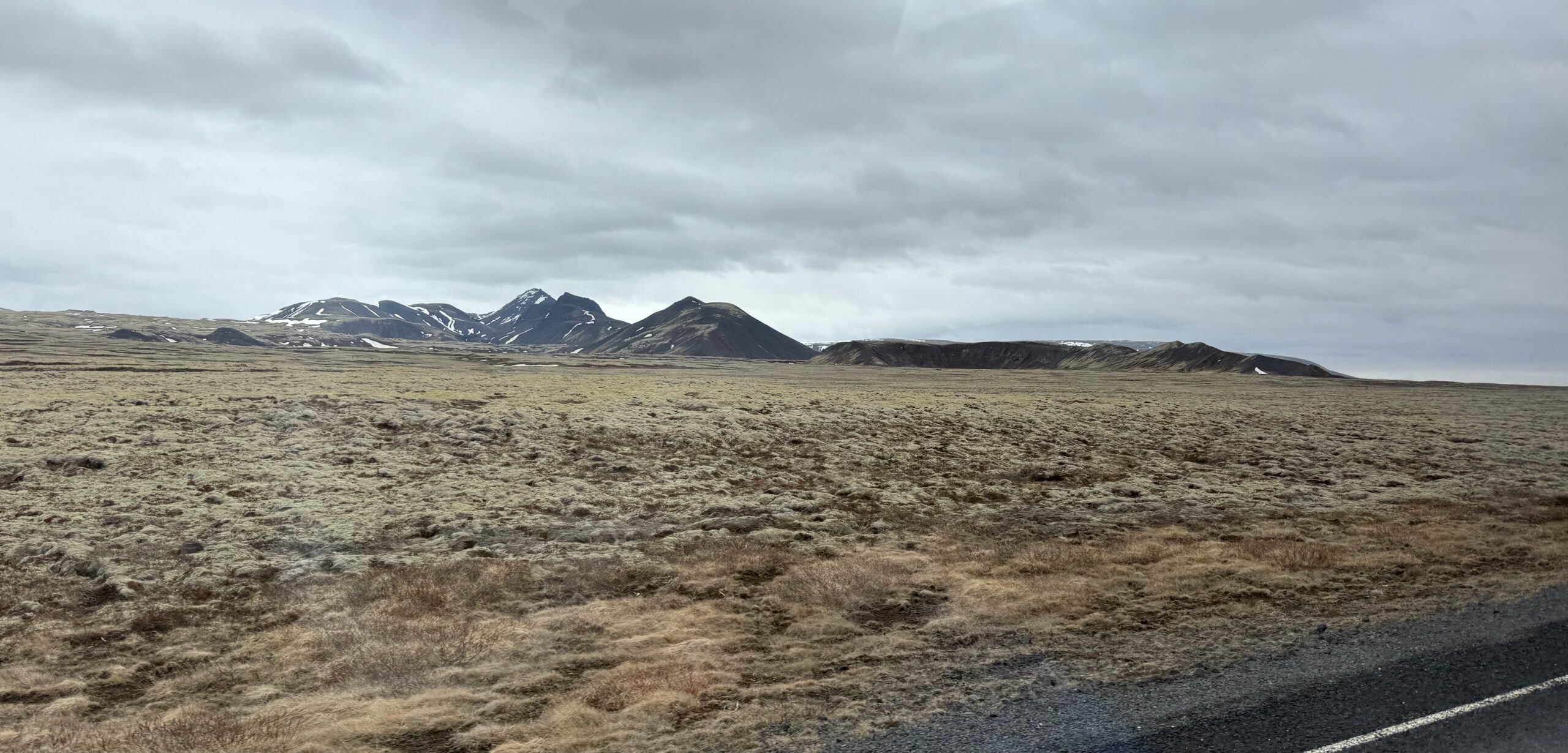
After we crossed into Europe, the guide told us he had a surprise for us — he’d squeezed in an extra itinerary item, a dairy farm where they made their own ice cream. Here was a shot of the scenery along the way.
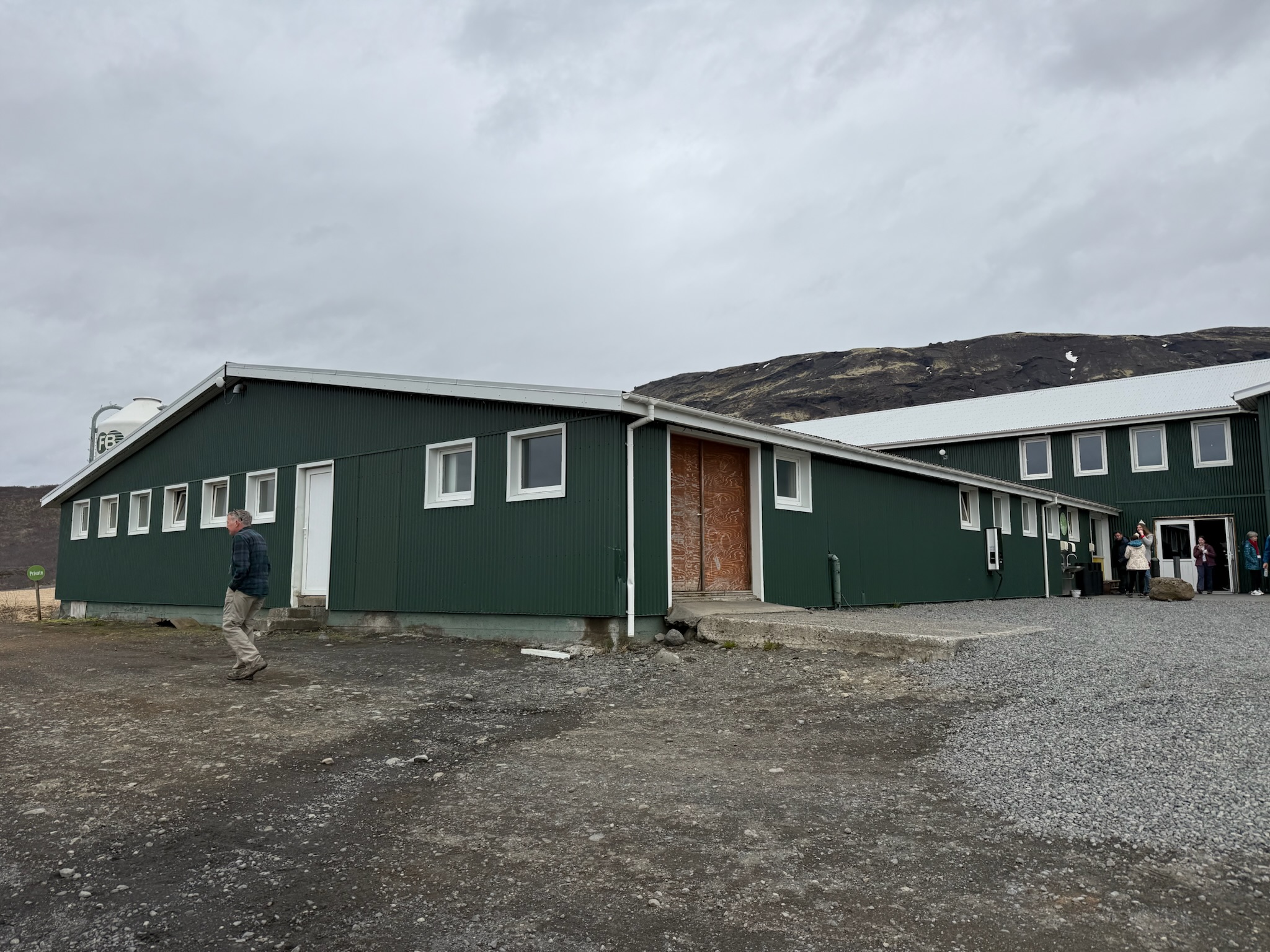
The Efstidalur farm has been owned by the same family since 1850, and were committed to preserving Icelandic farming traditions. In addition to making ice cream, they also had an onsite hotel and restaurant, and rented horses for horseback riding. The guide said the ice cream was amazing and they didn’t it in the stores; this was the only place it could be purchased. The parking lot was packed with tour busses, which made parking tough. The left wing of the building was the dairy, the door on the first floor to the right was the entrance to the ice cream shop.
Friday, May 15 continued… The Golden Circle was the most popular tour in Iceland, and these two busses were a private tour group only for the partners/families of the conference attendees. Keith was hoping there would be other teens aboard that he could hang out with, but the person closest in age was 20. And we knew that because he’d shared his age while telling us that he was overjoyed that he could legally drink alcohol here in Iceland (he was American, and in the US, the legal drinking age was 21).
As we left the city, the bus driver said that Reykjavík was originally a small fishing village surrounded by potato farms until 1940. In the midst of World War II, then British established a military base. A year later, the US took control of the base and operated it until 2006. Reykjavík grew up around the base to service the military staff. He told us a lot more about the history of Iceland, as well, but we didn’t remember the other details. He made a lot of jokes and was hilariously funny, so it was a fun ride.
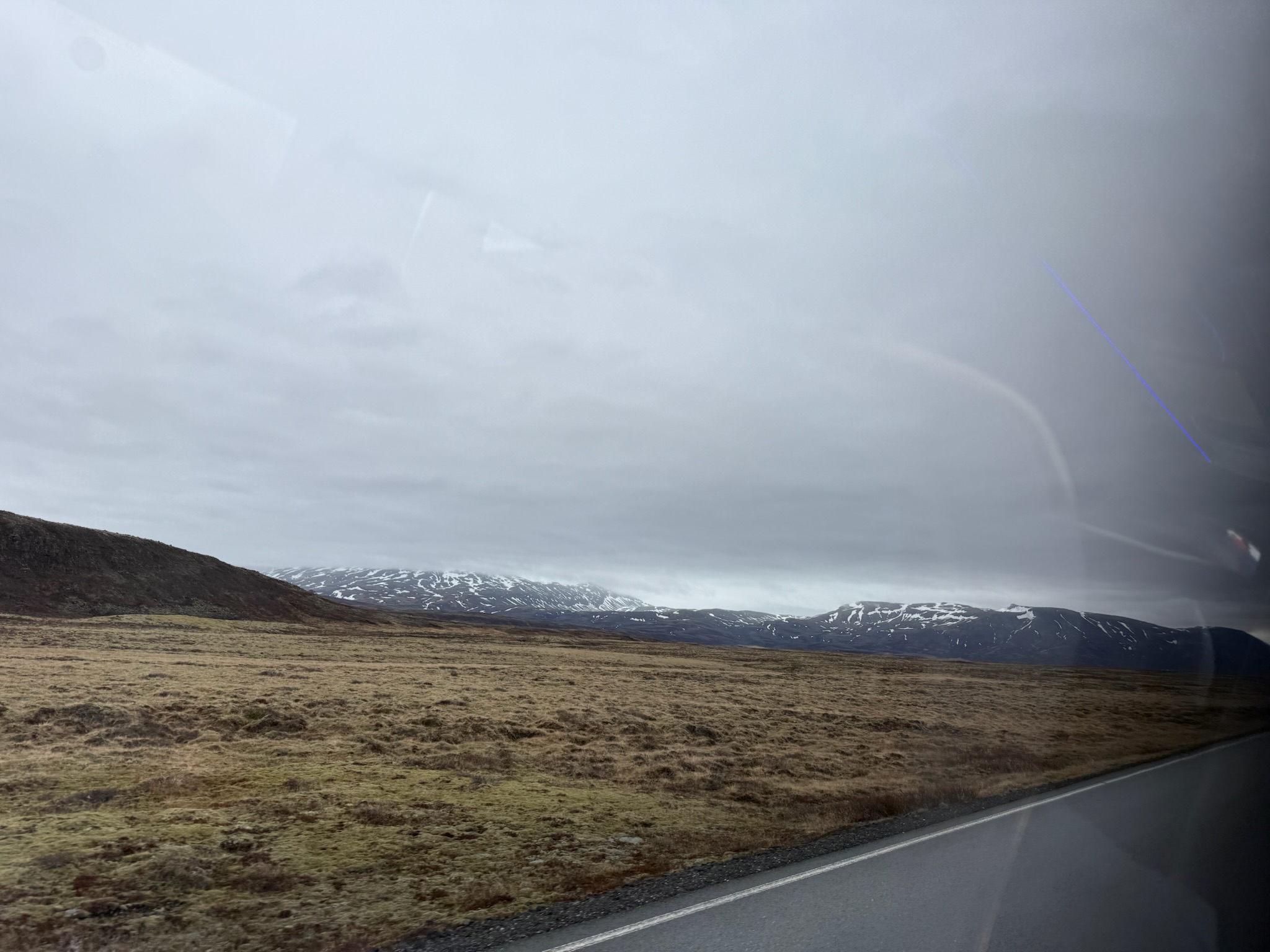
The scenery looked like this for the majority of the drive. It was probably really green later in the spring and in the summer, but now the grass was just beginning to come back to life from winter dormancy.
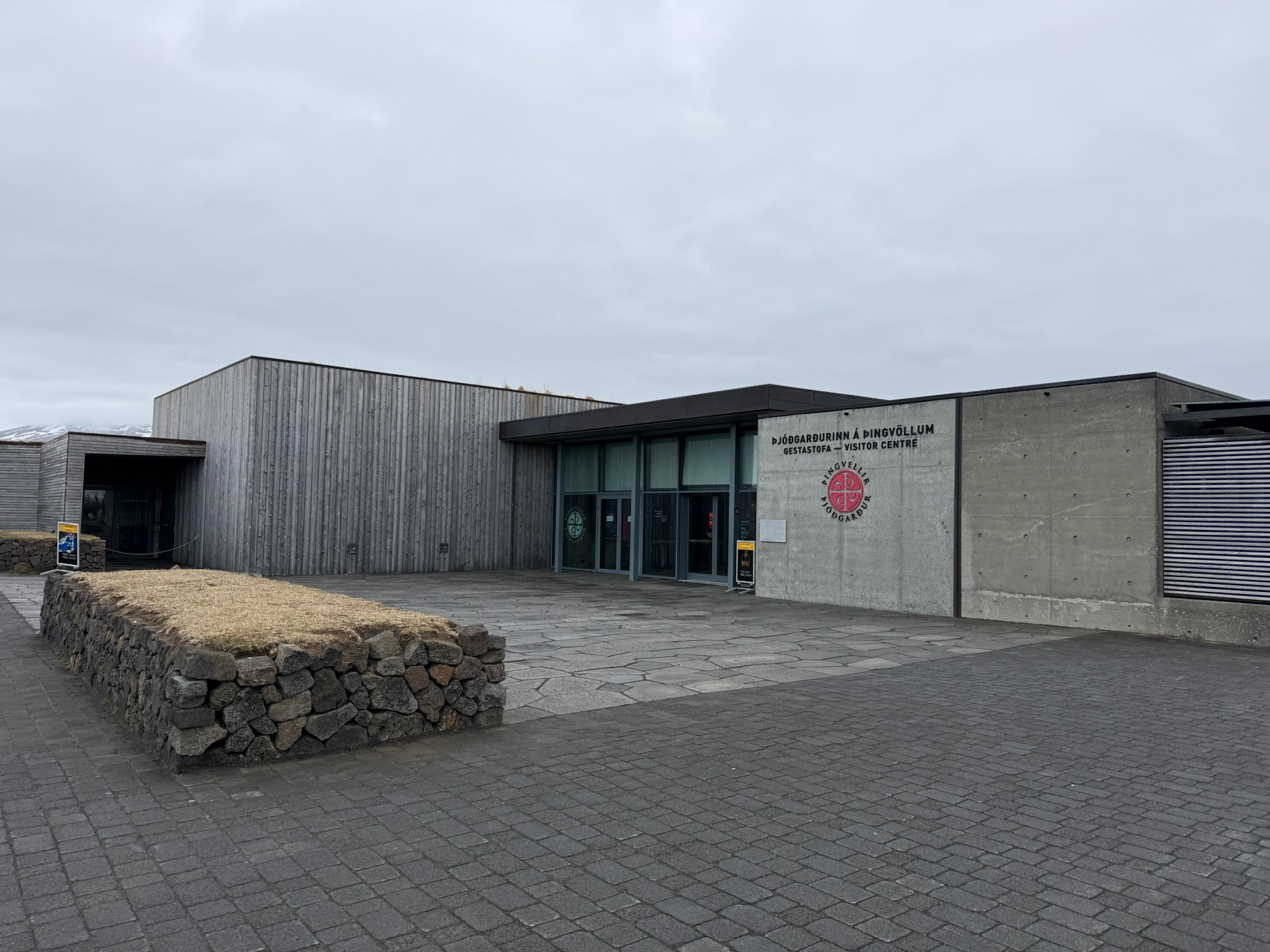
Our first stop was the Visitor’s Center in the Thingvellir National Park. The park was a UNESCO World Heritage site, but we were surprised to find out it attained this honor for its history, not for its unique geology. As we’d read in the Perlan, In 930 AD, early settlers formed a representative-style parliament that met here. While the parliament was eventually moved to Reykjavík, the same parliament government still continues to this day, making Þingvellir the original site of the world’s longest-running continuous parliament.
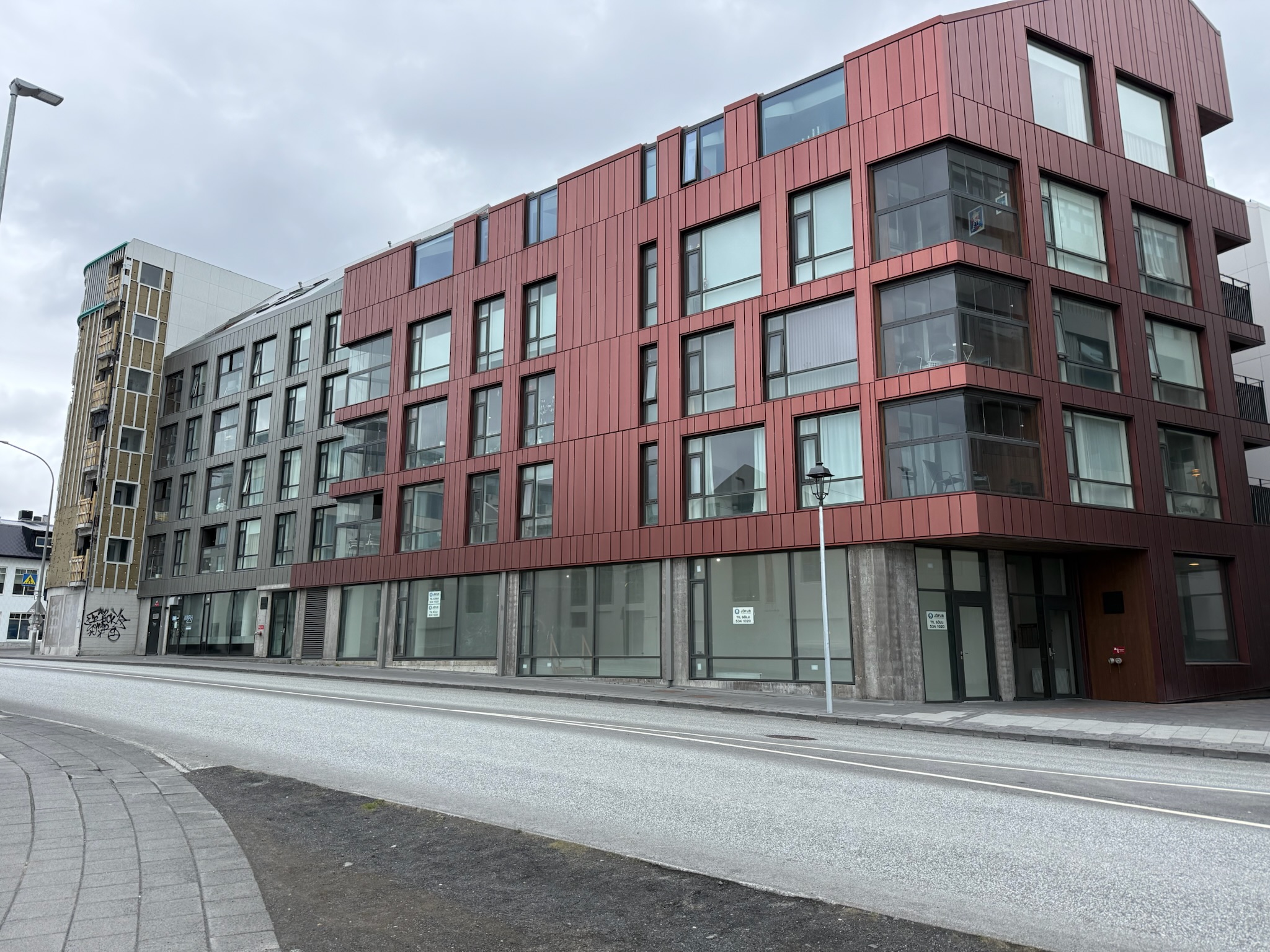
Thursday, May 14 continued… We left the hotel at 1330. The Grandi was on the corner of Myrargata and Seljavegur. The map app directed us to turn northeast on Myrargata, which was a direction we hadn’t yet explored. The taller part of the building at the far left was definitely The Grandi. We weren’t sure if the grey and red buildings with the slanted roofs were a new wing of the Grandi or were different buildings altogether.
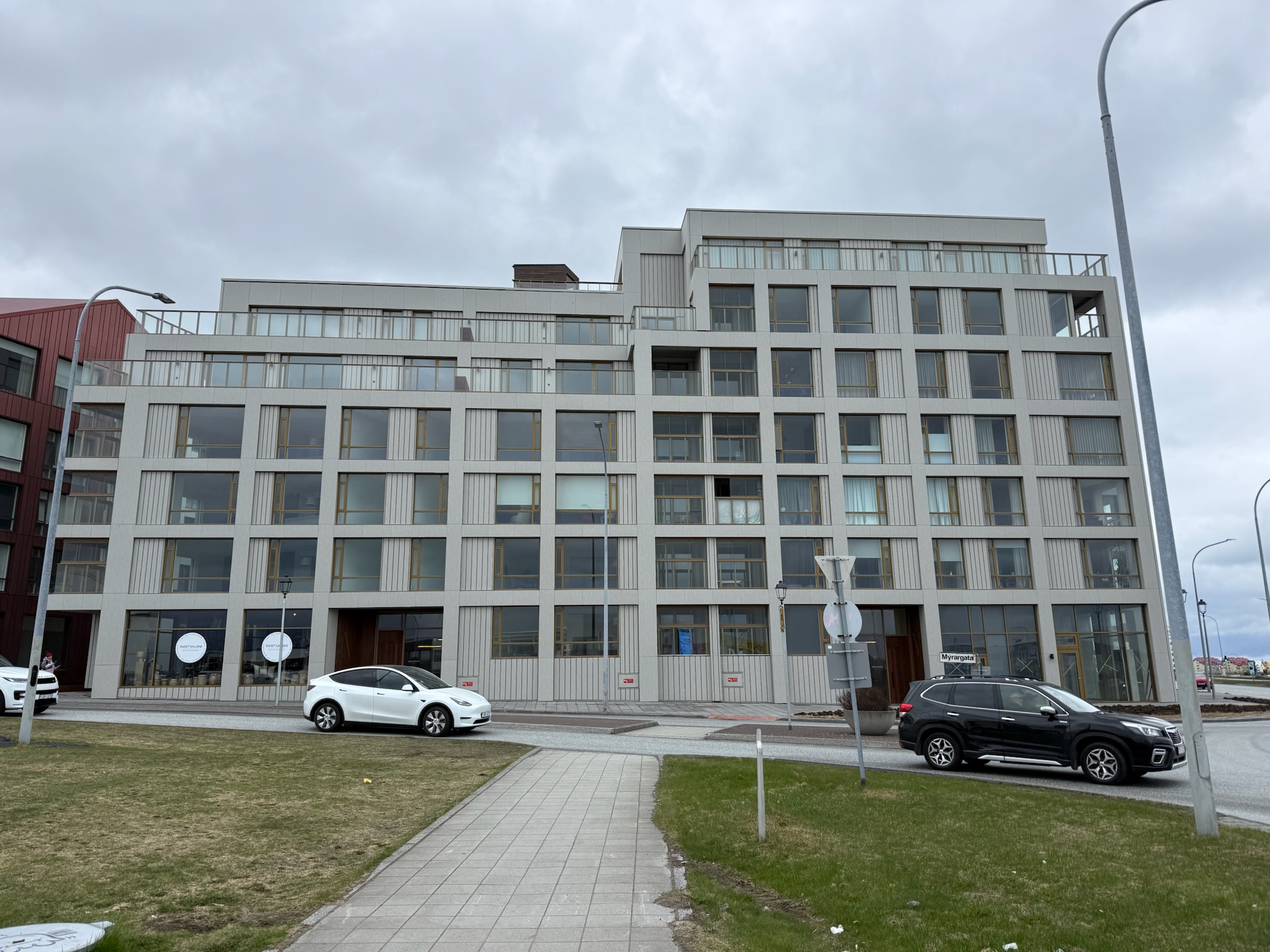
The next building over also looked relatively new.
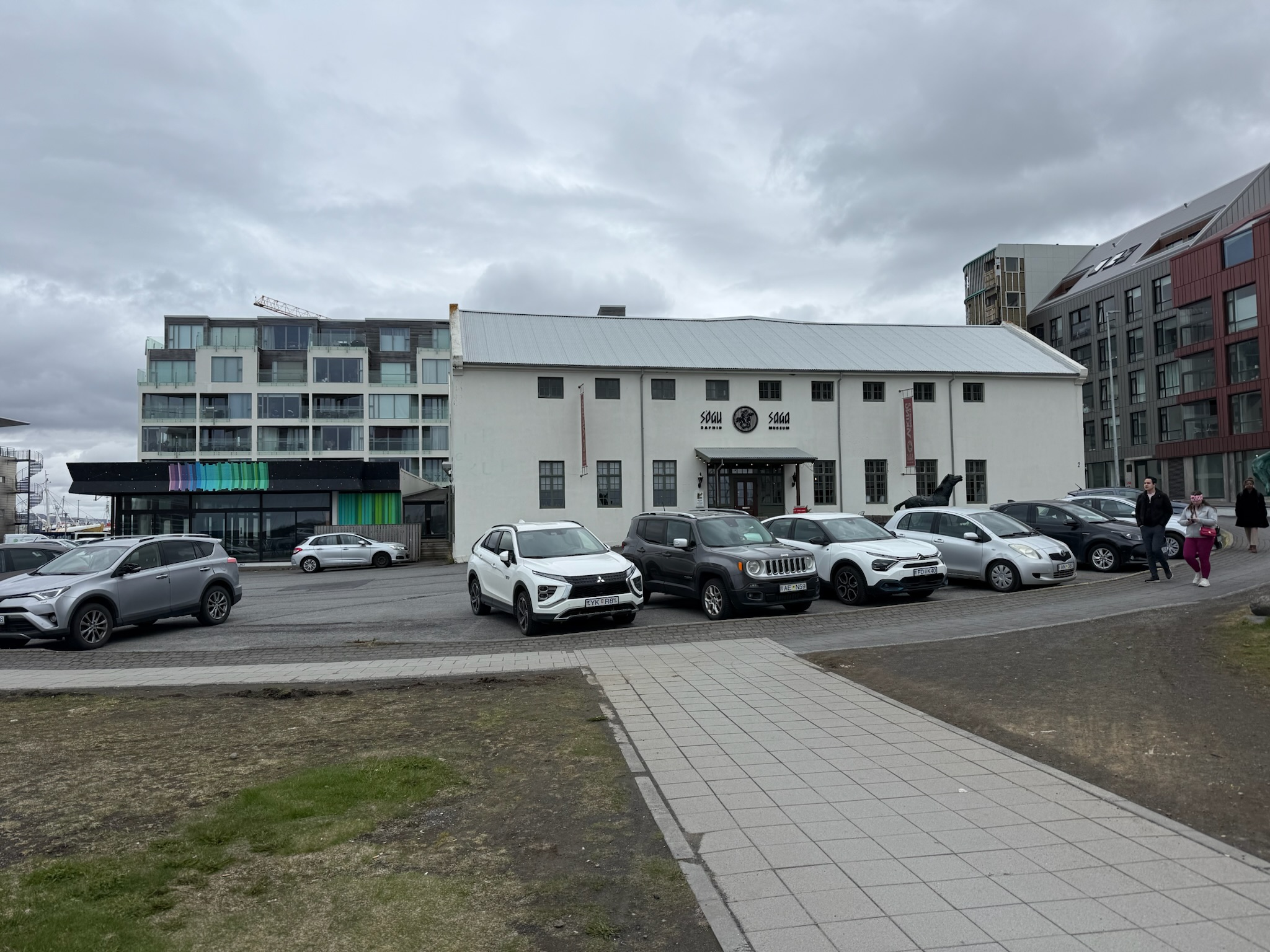
Across the street was the Saga Museum. According to the brochure that Christi had picked up today, it was about early Icelandic history, particularly viking. It was on the to-do list.