
continued… We hustled from the farm back to the Continental Army encampment to see the musket demonstration that was about to begin. We wound up talking to the soldier for a solid twenty-minutes. Special forces may have used rifles for specific purposes, but the general forces only used muskets. Muskets were the military weapon of choice because they were easy to learn how to use, quick to load, could be mass produced, and had standard size shells. However, they were not accurate. While rifles were accurate, back then rifles were all custom made for each user, took a long time to reload, were harder to learn, and all the rifles had different sized shells. He explained that for hunting, you only had one shot, as the animals would run away after that shot, so accuracy was important. But for the type of warfare they did during the revolutionary era, quickly reloading to fire off more shots was more important than each shot being accurate. He had said that during the civil war, when more rifles were used, the percentage of hits was the same with rifles as muskets because most soldiers weren’t taking careful aim.
He explained that the soldiers fought in tight formation lines because they needed a barrage of bullets fired at once to have a chance to hit enemy soldiers. It also ensured the soldiers could hear the orders being communicated. The soldiers stood shoulder to shoulder, fired muskets on command, reloaded as quickly as possible, and continued to shoot upon command until the ammunition ran out. It sounded like the soldiers took the bayonet off during the firing, and on command all put their bayonets back on the end of the rifle. It made a loud click-click sound. He said that the hundreds of click-clicks would terrify the other side and make them want to run away — the bayonet clicking was actually more important as a psychological fear weapon than an actual weapon. If the other side didn’t cede, they would rush across the battlefield and try to stab the opposing troops with their bayonets.
The soldiers wore bright colored clothing because they wanted their own side to easily see and identify them. The weapons, especially the cannons, were loud and made a lot of smoke, so it was hard to see and hear in the middle of a battle. The heavy smoke obscuring visibility was where the term “fog of war” originated.
Battles generally lasted less than two hours. Usually only about 10 – 13% of soldiers were injured, killed and/or went missing. The goal was not to annihilate the other side. The goal was to get the other side to run away, in essence giving up that land. The amount of injuries sustained had little correlation with which side won. Usually one side surrendered pretty quickly. The worst injuries in the war were in the Battle of Bunker Hill, where over 40% of the British troops were injured/killed – but they held their ground and won that battle.
Next we went into the museum. We’d already gotten bits and pieces of the story from Ft. Monroe, Jamestown and Williamsburg, and this museum filled in many of the gaps. As we’d learned in Jamestown, Queen Elizabeth I and her successor King James I had both been reluctant to fund colonies, but were supportive of private ventures beginning colonies under British authority. Jamestown was a financial failure, and eventually the monarchy disbanded the company that had financed Jamestown and made Virginia an official Royal Colony. This museum clarified that the majority of the other British colonies in North America were created via similar private venture charters.
In 1738, King George III took over the throne. He pursued stricter policies of control over the colonies. By 1750, nine of the original thirteen North American colonies had been adopted as official Royal Colonies. Since the colonies began as private businesses, the monarchy hadn’t intervened much in the early days. Even after being incorporated as official Royal Colonies, the colonists continued to believe that Great Britain should have a “hands off” approach to governing the colonies. At this point, the population of the 13 colonies was about one million (the sign did not clarify if this included the Native Americans who had not capitulated to Britain’s rule).
Britain had exclusive control over the import of goods to the colonies and export of goods from the colonies. All goods were only allowed to be carried by British merchant ships. The colonists were prohibited from selling their goods to other nations that would pay more and from buying goods from other nations that charged less. The crown strongly encouraged Americans to produce goods that weren’t produced in England — such as rice, indigo for fabric dyes, and tobacco. The crown prohibited the Americans from producing goods that Britain made, such as textiles. For example, Americans were allowed to produce iron ingots to sell to Britain, but Americans were outlawed from making finished goods out of iron.
Between 1756 and 1763, Great Britain and France were embroiled in a war called The Seven Years War (AKA The French and Indian War), which was fought over North American territory. France lost and gave up its territories in Canada to Great Britain. Shortly thereafter, Great Britain decreed that it did not want any more wars with the Native Americans and temporarily restricted westward expansion. This infuriated the colonists, as they thought the whole point of the war was to procure more land for the British colonists to expand into. The colonists were further angered that Great Britain continued to keep troops stationed in the colonies even though the war was over.
In 1763, Great Britain decided that the North American colonies needed to pay their fair share of the war costs. The monarchy cracked down on enforcing existing laws (apparently there had been quite a bit of smuggling — both by importing goods in from other countries and by bringing in British goods without paying the taxes) and began passing new laws that would increase the amount of revenues collected by the crown. In 1764, a tax was levied on sugar. In 1765, the Stamp Act was passed by the British parliament to impose new taxes on paper items: most publications, legal documents, licenses and even playing cards. The stamp was an embossed seal in the paper, proving that the tax had been paid on the item.
The colonists strongly opposed this tax. Representatives from nine of the colonies met together and agreed that their unified opposition argument would be that the British Parliament was a representative body that only represented the people of England. Since Parliament didn’t represent the colonists, Parliament didn’t have the right to impose direct taxes on people it did not represent. The colonists argued that only their own local elected legislative bodies had the right to impose direct taxes. The colonists refused to pay the Stamp Taxes and must have threatened to hurt the tax collectors because the sign said “… the colonists frightened many tax collectors into quitting their jobs.” Parliament repealed the Stamp Act in 1766. In 1767, Parliament replaced it with The Townshed Act, which was an indirect, external tax on various imports, including wine, tea and fruit. The colonists launched a boycott of British goods. in 1770, Parliament withdrew the taxes on everything except for tea (we assume the boycott ended, too, but that wasn’t clarified). Tea became a symbol of both oppression and resistance.
By 1770, Bostonians were routinely harassing the British customs officials and the soldiers assigned to protect them. In March, the harassment turned violent and the soldiers killed five colonists. The soldiers were tried in civil court. Two were convicted of manslaughter and given minor punishments.
In 1773, Parliament gave the British East India Company a monopoly on tea sales. The colonists responded in December with what is now called The Boston Tea Party. The colonists, some dressed as Native Americans, boarded the ship and prevented the unloading of the tea by throwing it into the harbor. Parliament was determined to assert its authority, and In March 1774, passed five punitive laws that the colonists dubbed “The Intolerable Acts,” to punish the colonists for the Boston Tea Party. In Virginia, the locals voiced opposition to the new laws, so the governor dissolved the local legislative body altogether. Outraged, representatives from all 13 colonies met together in the First Continental Congress in September 1774 to agree on a united course of action to resist the Intolerable Acts. The decision was that they decreed themselves as an autonomous legal authority apart from Parliament. To remedy the injustice, the colonies would stop exporting to and importing from Great Britain until the Intolerable Acts were repealed. And each colony would prepare for war in case British troops attacked.
As we’d learned in Jamestown, the Industrial Revolution had led to major job displacements for British people. With so many men needing jobs, it was relatively easy for Great Britain to recruit career soldiers, and they’d amassed a large military. Great Britain trained the soldiers well and generally provided for them well, and by this point, the British military was considered the best in the world. While most American men did have some limited militia training, they were essentially a rag-tag, poorly trained team that had no chance against a world-class military. The colonists did not want to go to war against the British.
Yorktown was founded in 1691. A small gun battery was established on the shoreline shortly after. The fortification was enlarged over time, but by the 1770s had fallen into disrepair. In the days of the revolution, Yorktown was one of the most important shipping hubs. In November 1774, the residents of Yorktown had a Tea Party of their own, which scared the merchants into complying with the ban on no longer importing British goods.
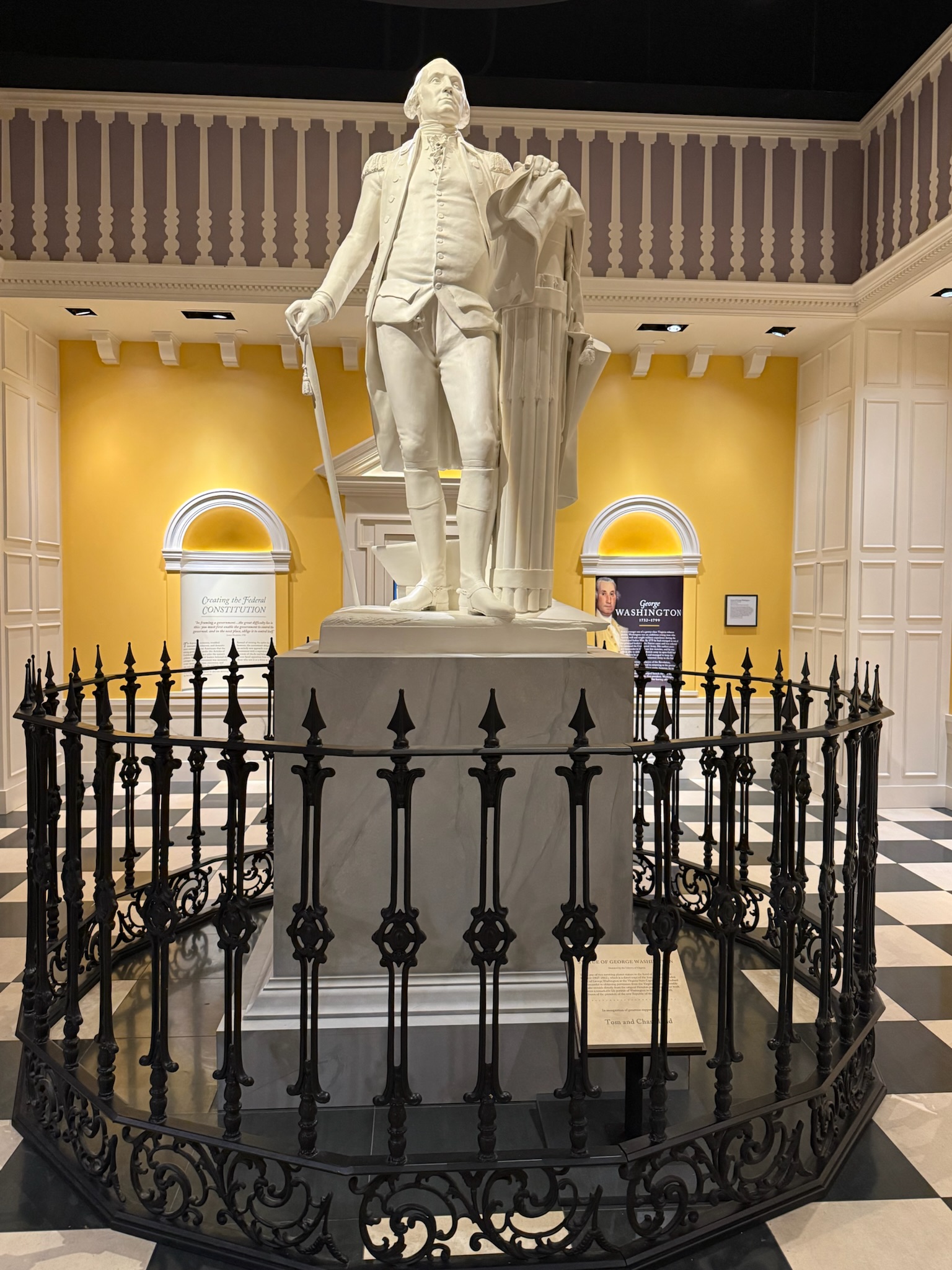
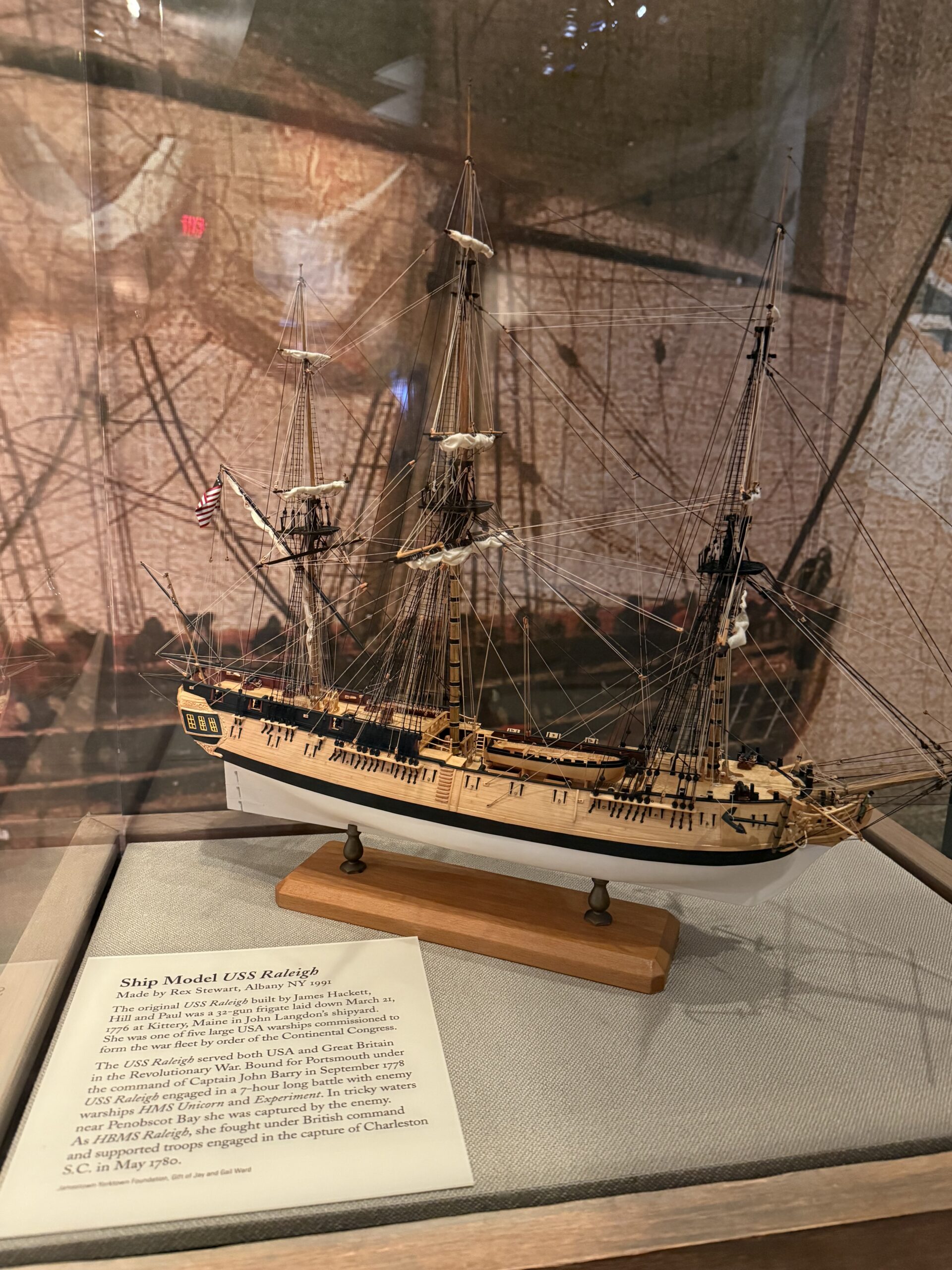
In April 1775, gunfire between American militia and British troops began in Massachusetts. In May 1775, the Second Continental Congress convened. Initially, the focus was on compromising with Great Britain. In June, George Washington was appointed commander-in-chief of the Patriot army. As the war situation bleakened, the Continental Congress retrofitted some merchant ships into warships and later authorized the construction of 13 frigates. Only 8 were completed, and all were captured or sunk.
In December 1775, British troops defeated the Patriots at Great Bridge, Virginia. In January 1776, Thomas Paine published a pamphlet called Common Sense that became popular. It won over colonists to the idea of becoming independent of Great Britain. By spring 1776, thanks to Paine’s pamphlet, the majority of Americans now supported separation. The Continental Congress knew that they would need military supplies, loans and general support for the war, so they sent a delegate to Paris to ask for help. In May 1776, France began to secretly helping the rebels, though publicly France maintained that they were neutral. The French provided arms, gunpowder, and clothing, and also extended credit to the fledgling government.
In June 1776, at the Third Continental Congress, a delegate from Virginia, Richard Henry Lee, introduced a resolution to declare independence from Great Britain. Congress named a committee to write a formal statement to vote on. Thomas Jefferson was chosen as the lead author. He spent over two weeks writing The Declaration of Independence. Benjamin Franklin and John Adams made some minor changes and they submitted it at the end of June.
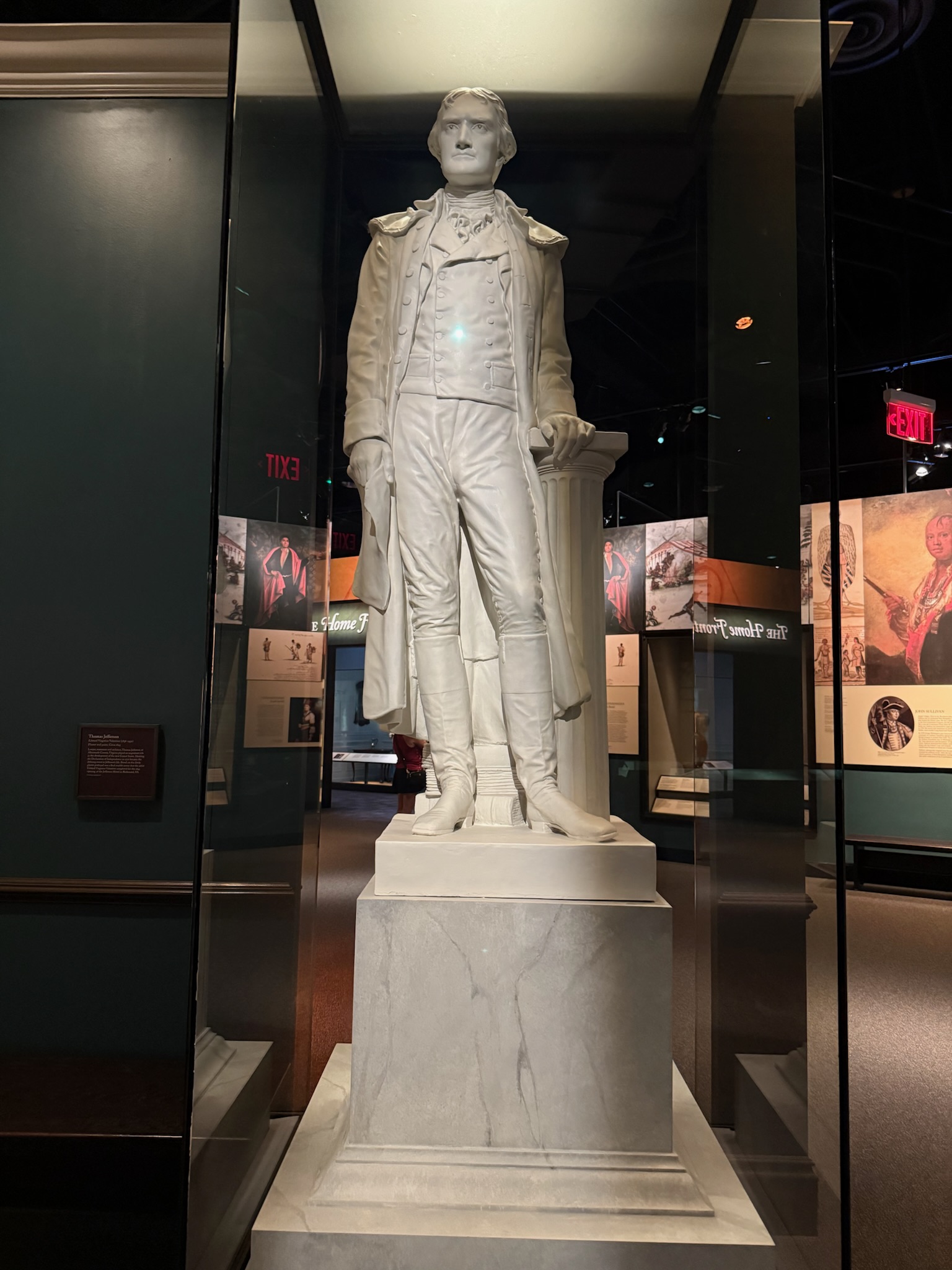
On July 1, 1776, the Continental Congress voted on the motion to declare independence. Twelve colonies voted to sever all ties with Great Britain and become “free and independent states.” Thomas Jefferson’s draft of the Declaration of Independence was debated and edited. On July 4, congress adopted the slightly modified Declaration of Independence. The last colony, New York, concurred a few days later. Congress ordered copies to be printed and distributed to groups and organizations that would ensure it was proclaimed to the public.
In the Autumn, the Continental Congress passed a series of measures promising those who enlisted in the army would receive clothing and land in return for their service. To be continued…