
Wednesday, August 26 — We spent the morning getting ready for our trip to San Diego. By the early afternoon, we were feeling like everything was as ready as could be. We decided to go to the Museum of Industry, which focused specifically on the manufacturing industries of Baltimore that “modernized the nation.”
We drove through downtown to the south side of the peninsula that made up the inner harbor. The museum was on the waterfront in a building that was clearly a refurbished old industrial building. Parking was free in the attached lot.
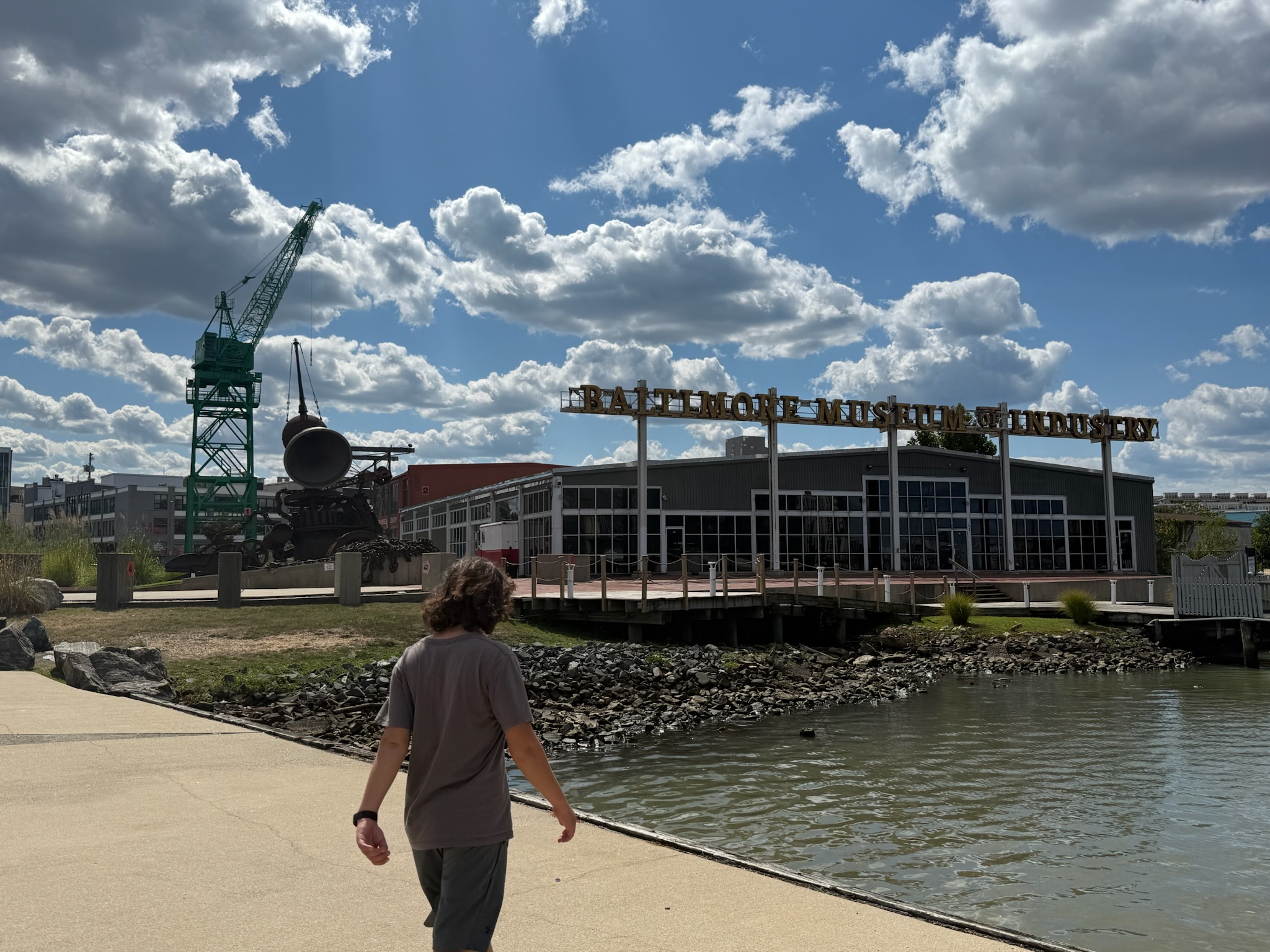
Tickets were $15 for adults and $8 for children 6 – 17. The receptionist told us a free guided tour was about to begin highlighting the black people who were significant in Baltimore’s history. We generally enjoy guided tours, so we signed up.
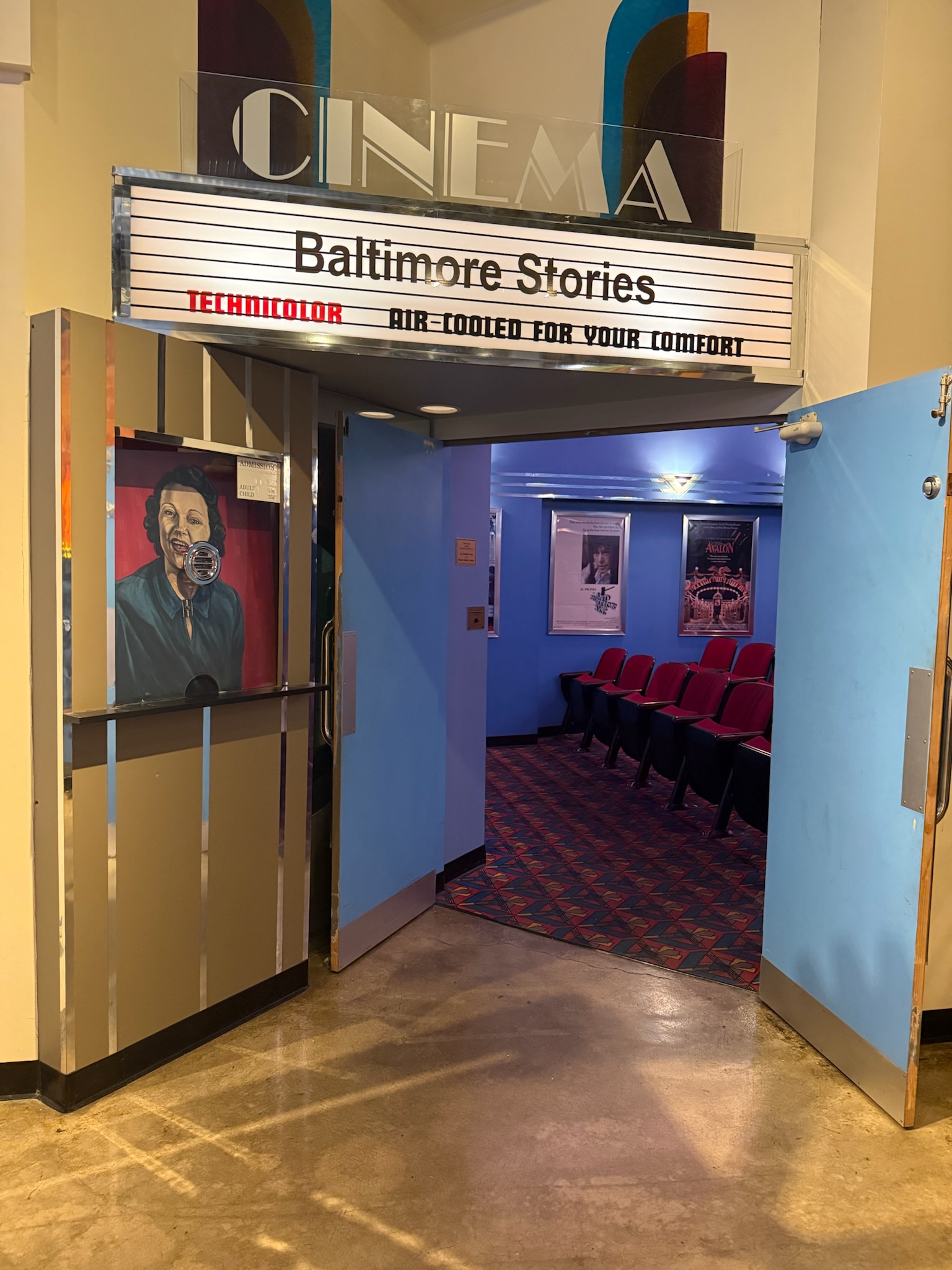
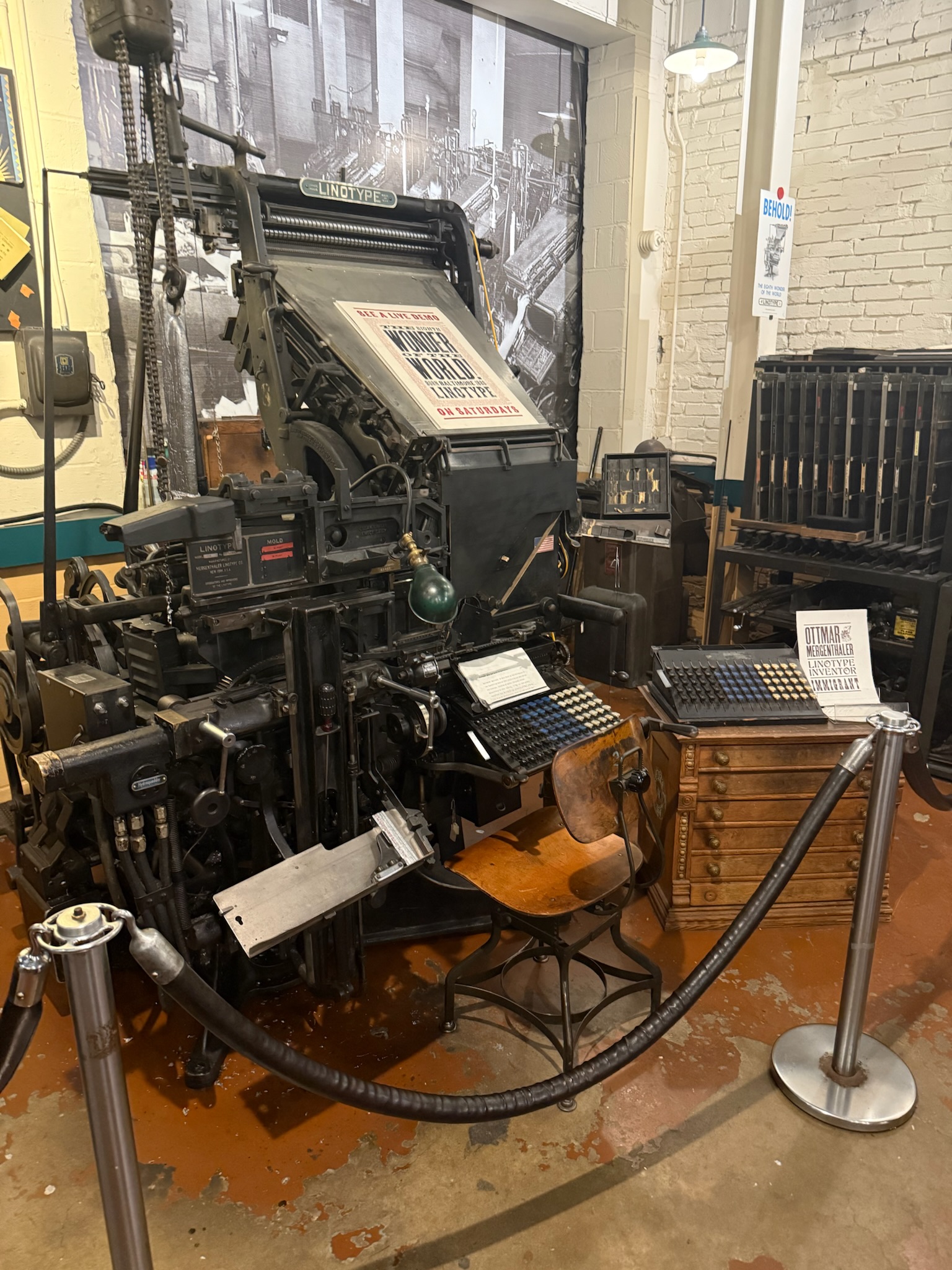
We waited in a small movie theater near the entrance that was showing a film about Linotype machines, which was the most revolutionary change to printing since Gutenberg invented the printing press circa 1440. The machine was invented in Baltimore by a German immigrant between 1882 and 1884. Instead of setting each individual letter by hand, one could type a single line of text and the machine 3-D printed the line from molten lead. The lines were then hand set into the printing press. The discarded lines of tin were reinserted into the machine for melting. The Linotype was rendered obsolete by laser printers.
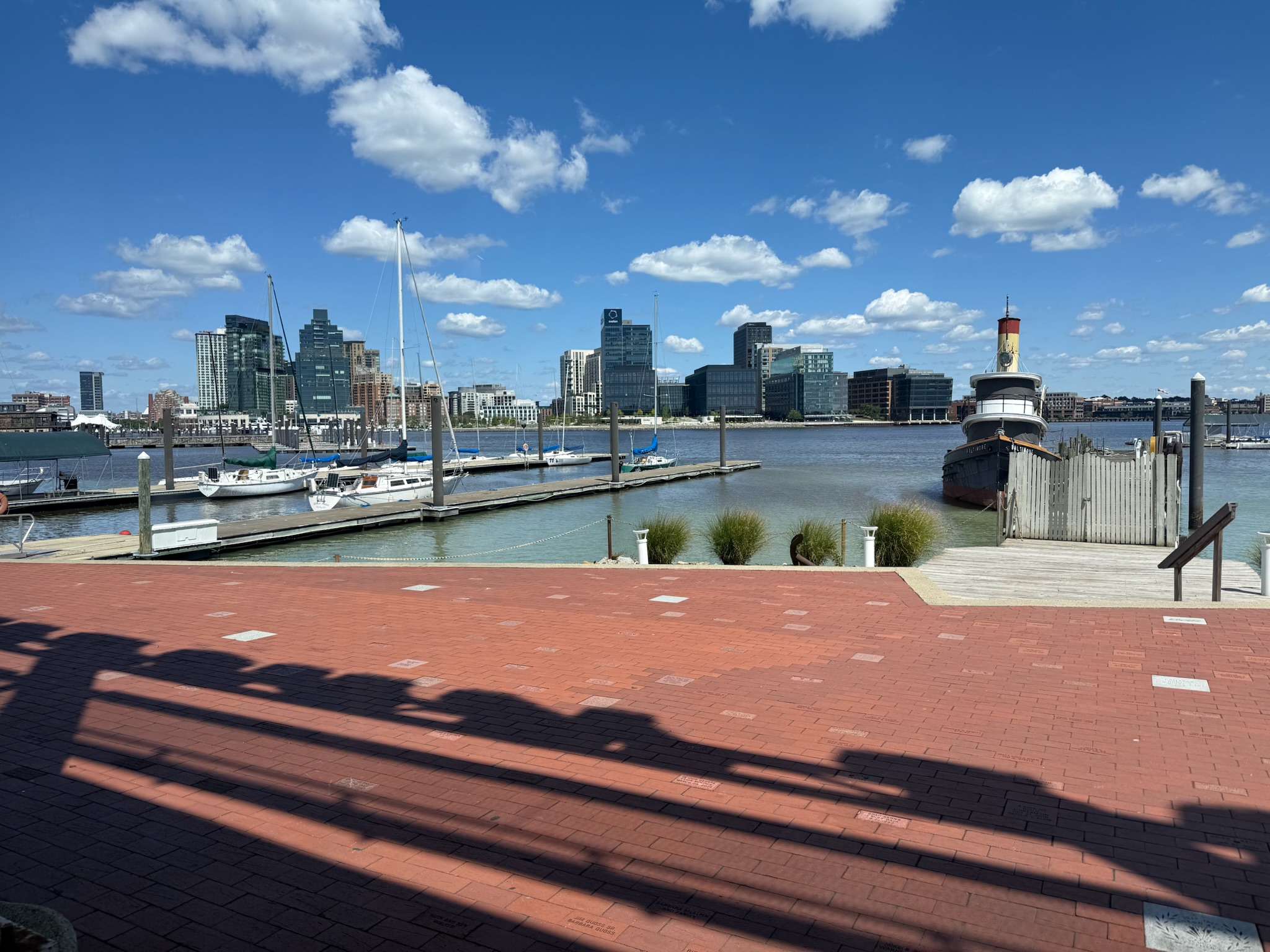
The three of us were the only ones in the tour group. Our tour guide took us to the north end of the building to begin the tour, which had lovely views of downtown.
He started with the Chesapeake Marine Railway & Dry Dock, which was a black-owned company. In the early industrial days, one of the few industries that hired black men was ship caulking (fun fact, Frederick Douglass was a caulker before he ran away). In 1865, a group of fifteen black caulkers, led by Issac Myers, banded together to open a dry-dock shipyard. Within a year, they had raised $10,000, leased property, and hired almost 300 black carpenters, painters and caulkers. There weren’t enough skilled black laborers to fill the labor need, so they hired white people, too. The yard focused solely on wooden ships. They closed in 1884 since steel hulled ships were replacing wooden. Isaac Myers was an important player in union organization and expansion while the shipyard was in business and afterwards.
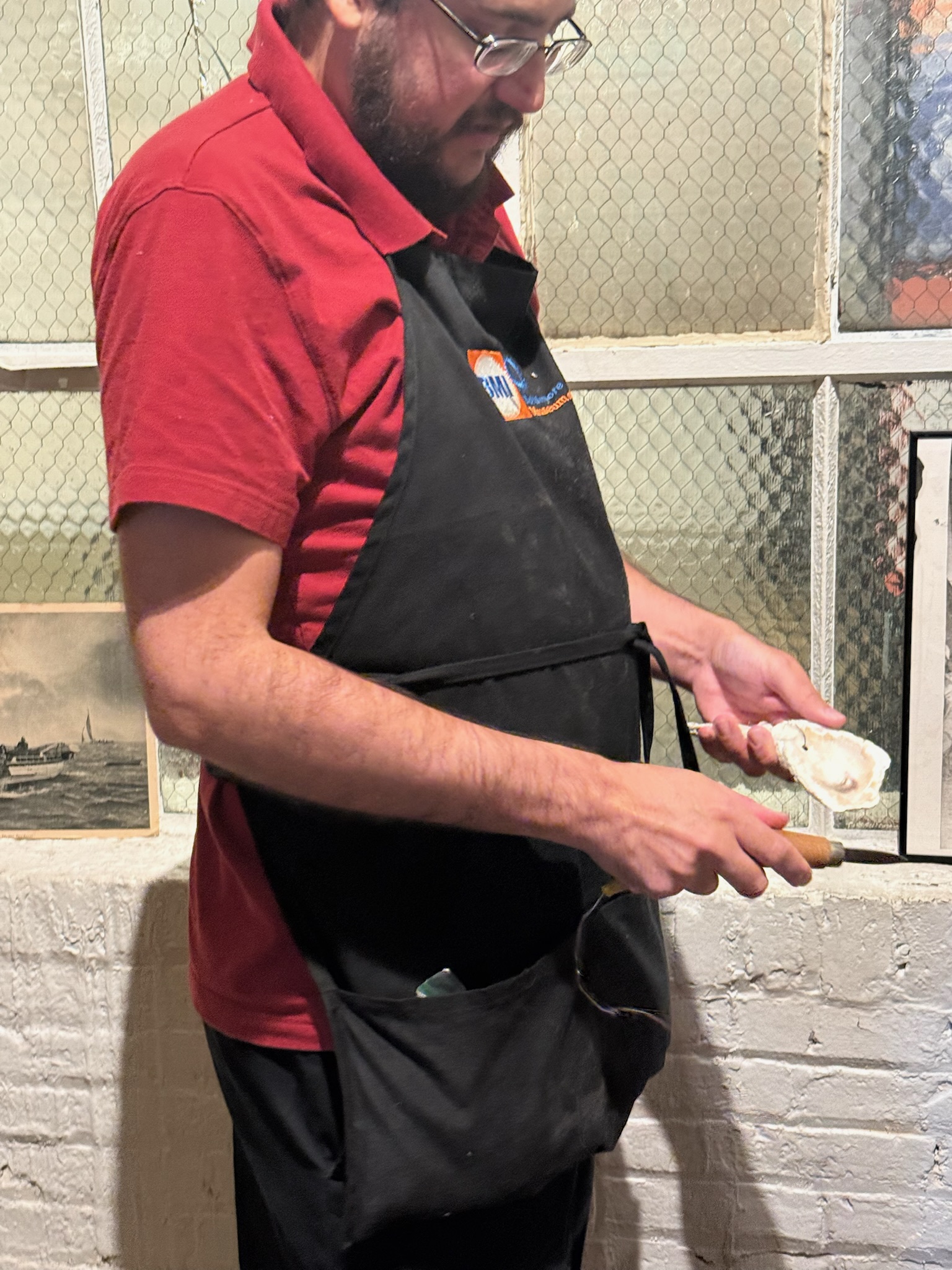
We moved on to a display on oyster shucking in the middle of the building. He explained that the building we were in used to be an oyster cannery. Oysters were the first food that was industrially canned, in the 1830s, and Baltimore was the first city to have a canning industry. Shucking oysters was one of the few jobs that black people were readily hired for, and it was messy, stinky, grueling and low-paying work. They were paid per number of buckets shucked, not per hour. Workers were often paid in company tokens instead of dollars, which meant their pay could only be spent in the company owned stores.
The canneries eventually expanded to produce, as well. By the 1880s, canning was Baltimore’s second largest industry. The guide said that in the hey-day, there were over 100 canneries in Baltimore. By the 1920s, Baltimore produced more tin cans than any other city in the world. This particular cannery opened in 1865, employed about 500 people, and was the last cannery in Baltimore to close.
Since transportation was limited, most lived within walking distance of their employer (which was why the housing was packed so tightly). The working hours were erratic. A bell would toll when the oyster ship pulled in/produce truck arrived and employees would immediately come in to the factory so the product could be canned before it spoiled. Many children worked in the canneries.
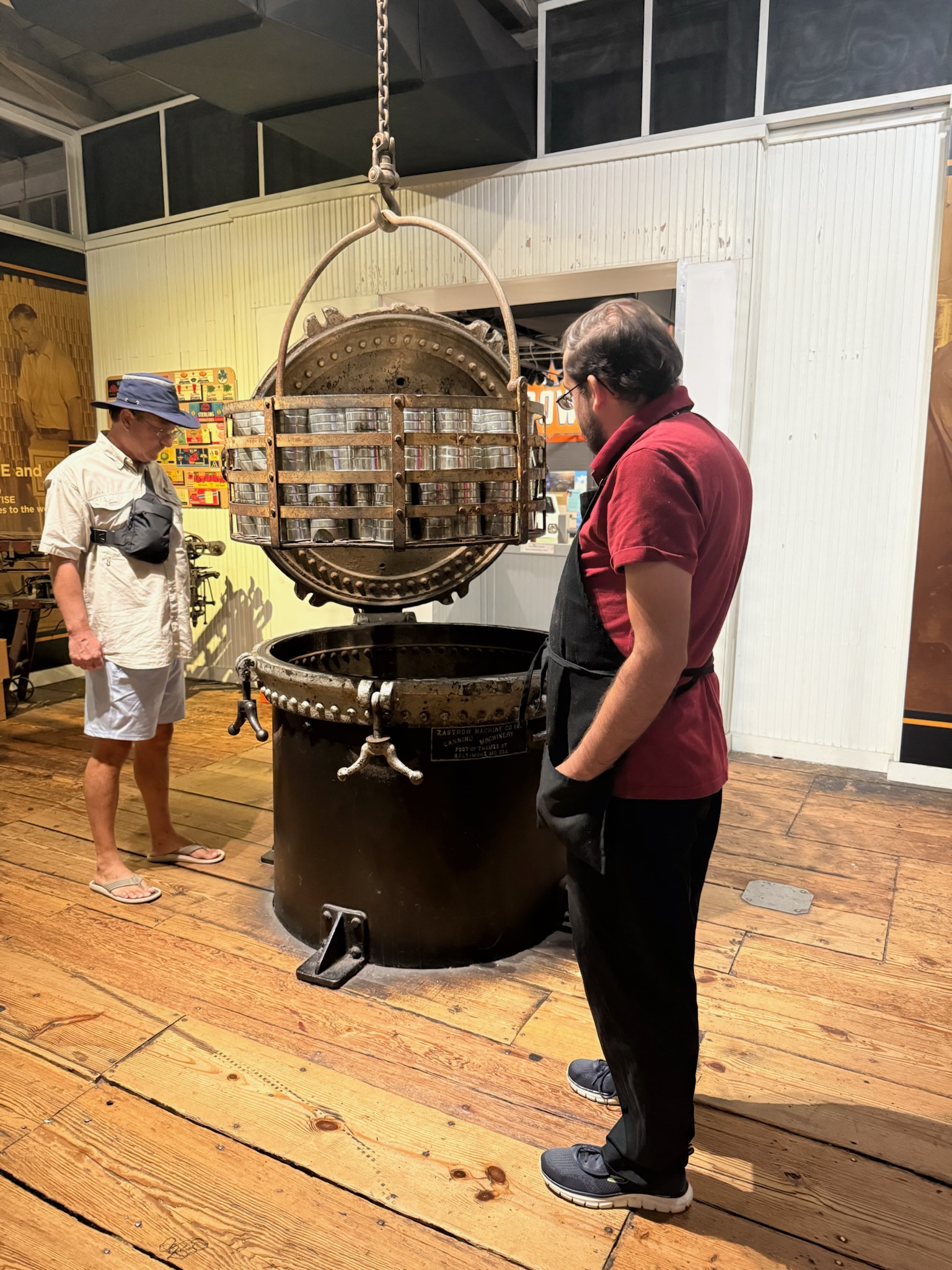
Canning was invented in 1809 using glass jars. By the 1820s tin cans replaced jars, making it possible for canning to become an industry. In the early days, tin cans were made by hand. A good can maker could make 60 cans per day and earned about $2.50 per day — twice as much money as most of the other jobs in the cannery paid. By the 1840s, cutting and shaping machinery had been introduced, making it so a can maker could produce 1500 cans per day. By the 1880s, the can making process became fully automated and can making became obsolete.
We went on to a display about Parks Sausage Company, which was another black owned business started in 1951 by Henry Parks, Jr. Parks had worked in marketing for Pabst Brewing company and hit a glass ceiling. He deiced to start his own sausage company. Despite the odds (probably thanks to his marketing background), it became a profitable business with equal opportunities for promotions. Because of the challenges he faced as a person trying to run a business, he established a credit union and joined the Baltimore City Council to push for legislation to open public accommodations to blacks.
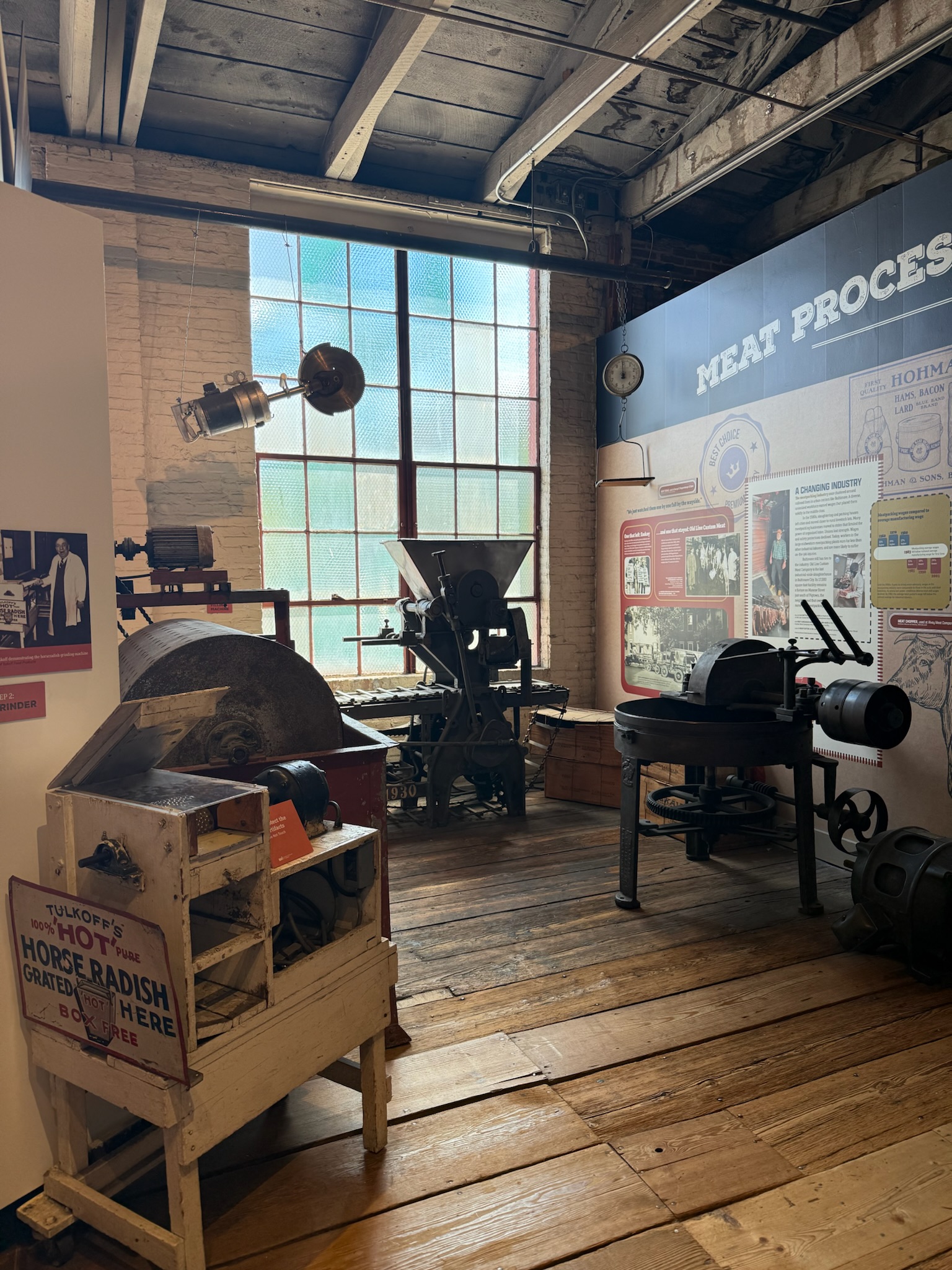
It sounded like Parks chose to operate his business in Baltimore was because it was a hub for meat slaughtering and processing. By the 1950s, there were more than 250 slaughterhouses and meat processors in the city. The jobs were dirty, difficult and dangerous, and a strong union formed to create safer working conditions and higher wages. In the 1980s, most of the companies moved their facilities closer to the farmers, often in areas without unions.
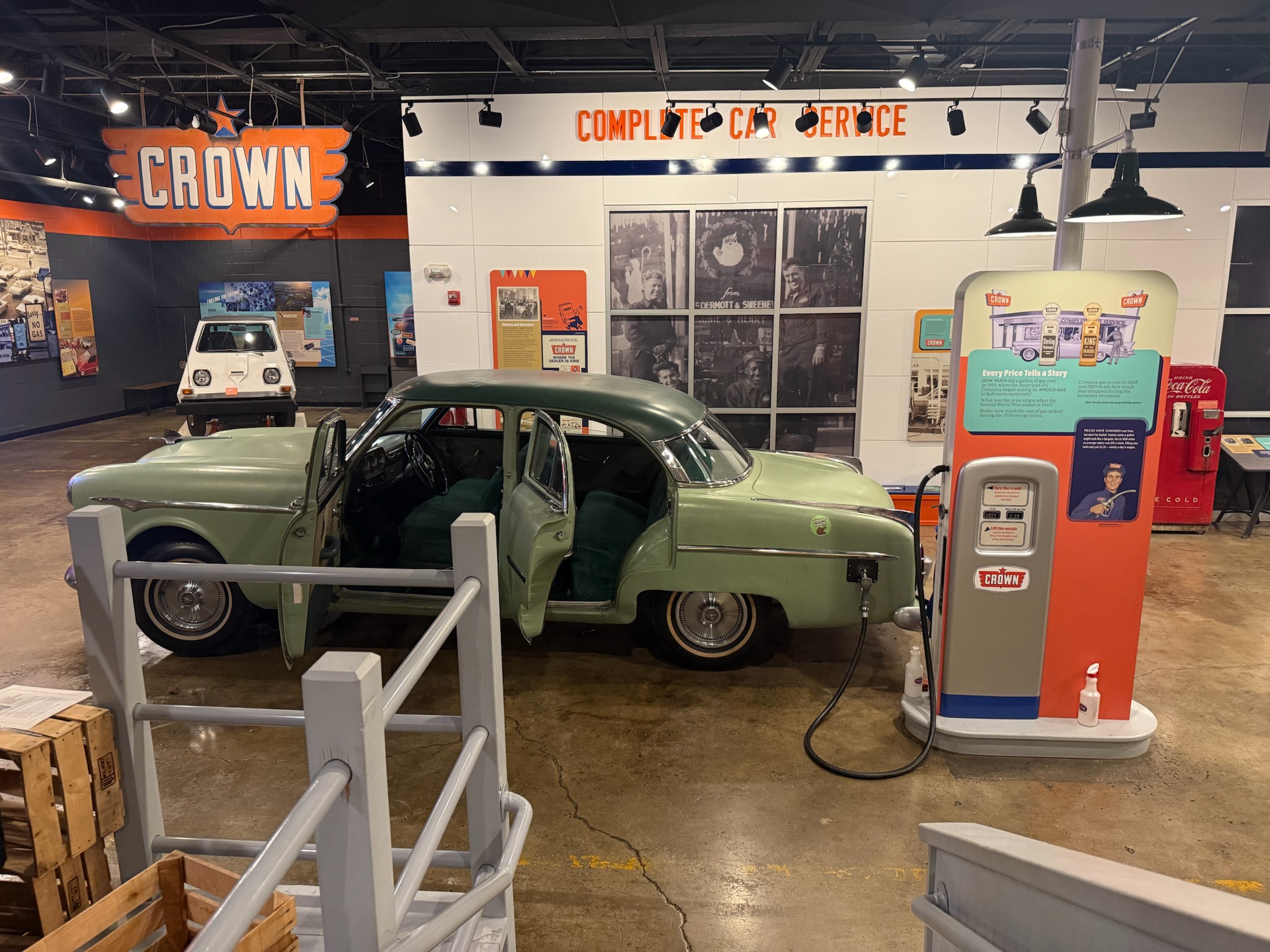
We went to the transportation section, where he told us about an incident with a black woman who refused to sit at the back of the bus that occurred more than a decade before the Rosa Parks incident. In 1944, Irene Kirkaldy was taking a Greyhound bus from Virginia to Baltimore. She was very pregnant and was not feeling good (if we remember correctly, maybe even pregnancy complications) and didn’t feel like she could make it to the back of the bus. She was arrested. Her case went to the U.S. Supreme Court which ruled that Virginia law requiring the races to be separated on interstate buses was an invalid interference in interstate commerce. At the time, the case received little attention, but it paved the way for civil rights victories, including Rosa Parks.
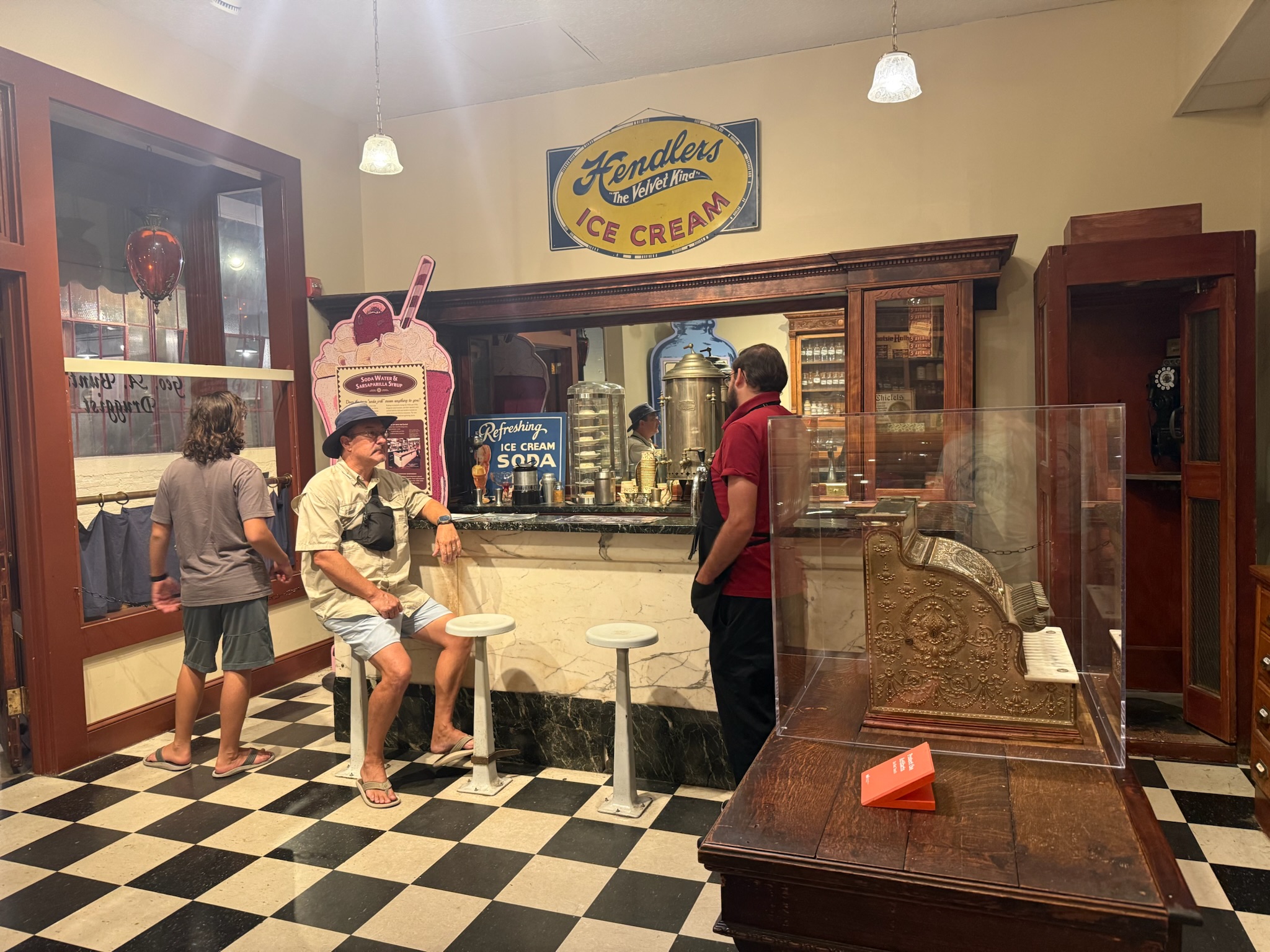
We went on to a room that was designed to look like an old-school pharmacy and soda fountain, where he told us about the Read Drug Store Sit-In. In the 50s, Read was a small local chain in the Baltimore area and suburbs. Read allowed black people to shop in the store, but wouldn’t allow blacks to sit at the lunch counter. In 1955, a sit-in protest — where black people sat at the counter until they were served — was staged at two of Read locations. The sit-ins only lasted an hour before the stores acquiesced. Two days later, Read fully desegregated all locations.
We moved on to a large room that was set up to look like a newspaper office called The AFRO, which was started by John Henry Murphy, Sr. in 1892 and was still operated by his heirs, making it the longest running black-owned family newspaper in the nation. The AFRO was a weekly publication focused on news that was pertinent to the black community — stories often ignored by other publications, such as discrimination expose’s. Blacks were often discriminated against in the newspaper industry. The AFRO provided jobs for black newspaper workers and advertising space for black-owned businesses.
The room had printing presses from the various eras of the industry, and he showed us how several of them worked.
They had a Linotype machine on display, though he didn’t operate it for us.
Fun fact: the very first newspaper to print the text of the newly declared Declaration of Independence was the Maryland Journal and Baltimore Advertiser. The publication had been started by William Goddard in 1773. With the Revolutionary War underway, his sister, Mary Katherine Goddard, took over operations. In 1775, she became Baltimore’s first Postmaster General for the newly established American Post Office.
More fun facts: The printing firm Schneidereith & Sons, which sounded like it specialized in prayer books, began in Baltimore in 1849. It was still in business today in Baltimore. Another printer, Isaac Friedenwald Press began in Baltimore in 1875, specializing in foreign language type. It also still exists in Baltimore County, though it has changed names to Port City Press. And The Baltimore Sun newspaper began in 1837. They only hired union members and remains the oldest continuous employer of union printers in the US. In 1890, John W. Williams started Waverly Press, Inc and The Williams & Wilkins Company in Baltimore, which specialized in scientific and medical books and journals. Both are still in business in Maryland today.
Next was the clothing manufacturing room… to be continued...