Wednesday, August 20, 2025 — The hurricane was still south of us and was supposed to pass our latitude in the wee hours of the morning. There was also a cold front from the north, which was keeping the hurricane offshore. The two conflicting weather events meant that today’s forecast was drizzle all day, with an all-day chance of occasional short, stronger showers passing through.
When we’d looked up “fun indoor activities to do with kids,” we found something in Columbia, Pennsylvania called “The Turkey Hill Experience.” It sounded like maybe it was a tour of an ice cream factory. Tickets were $14.45 per adult, and included unlimited ice cream tasting. Since a large ice cream at an ice cream store nowadays was $10, we figured we’d easily get our money’s worth.
The drive up to Columbia took about an hour. The scenery was lush and green. It was probably a gorgeous drive on a sunny day. We arrived a little before noon.
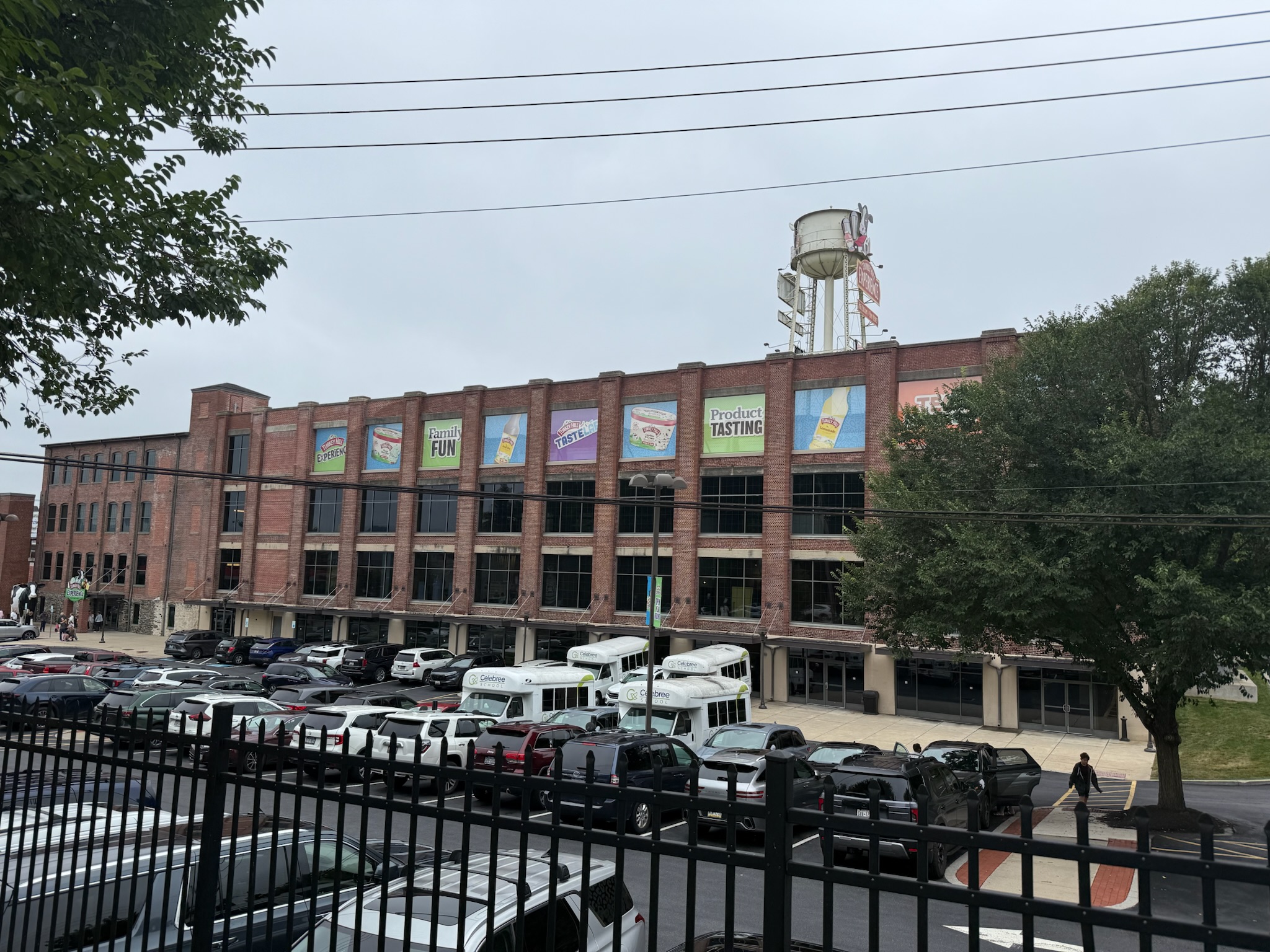
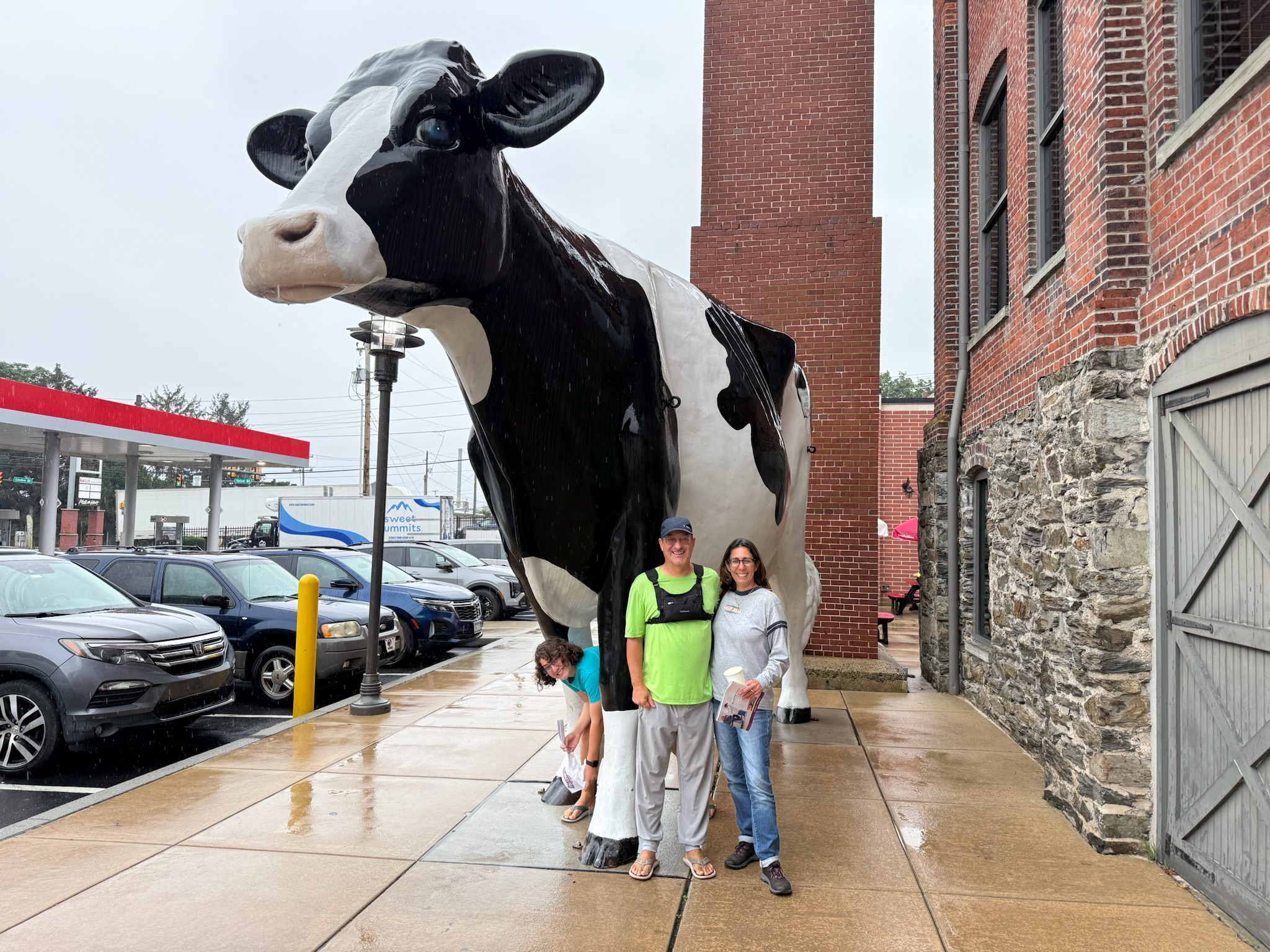
We were surprised to find it wasn’t a factory tour at all — the factory was actually a few miles away. It was a children’s museum focused on all the various aspects involved in ice cream making. The exhibits were educational, but more importantly, they were interactive and fun. Given that it was a rainy day, it was no surprise that the museum was packed with families with small children and a couple of day camp groups. Several of the day camp kids had blue rings around their mouths, so we knew one of the ice cream flavors was blue! We felt sorry for the day camp counselors having to deal with kids super hyped up on sugar!
In addition to basic admission, one could also buy tickets to a “make your own flavor” workshop ($9.75 more per person) and to a tea tasting ($5.75 more per person). The tea tasting was sold out for the day. The next available time for the workshop was 1445. We bought tickets for that.
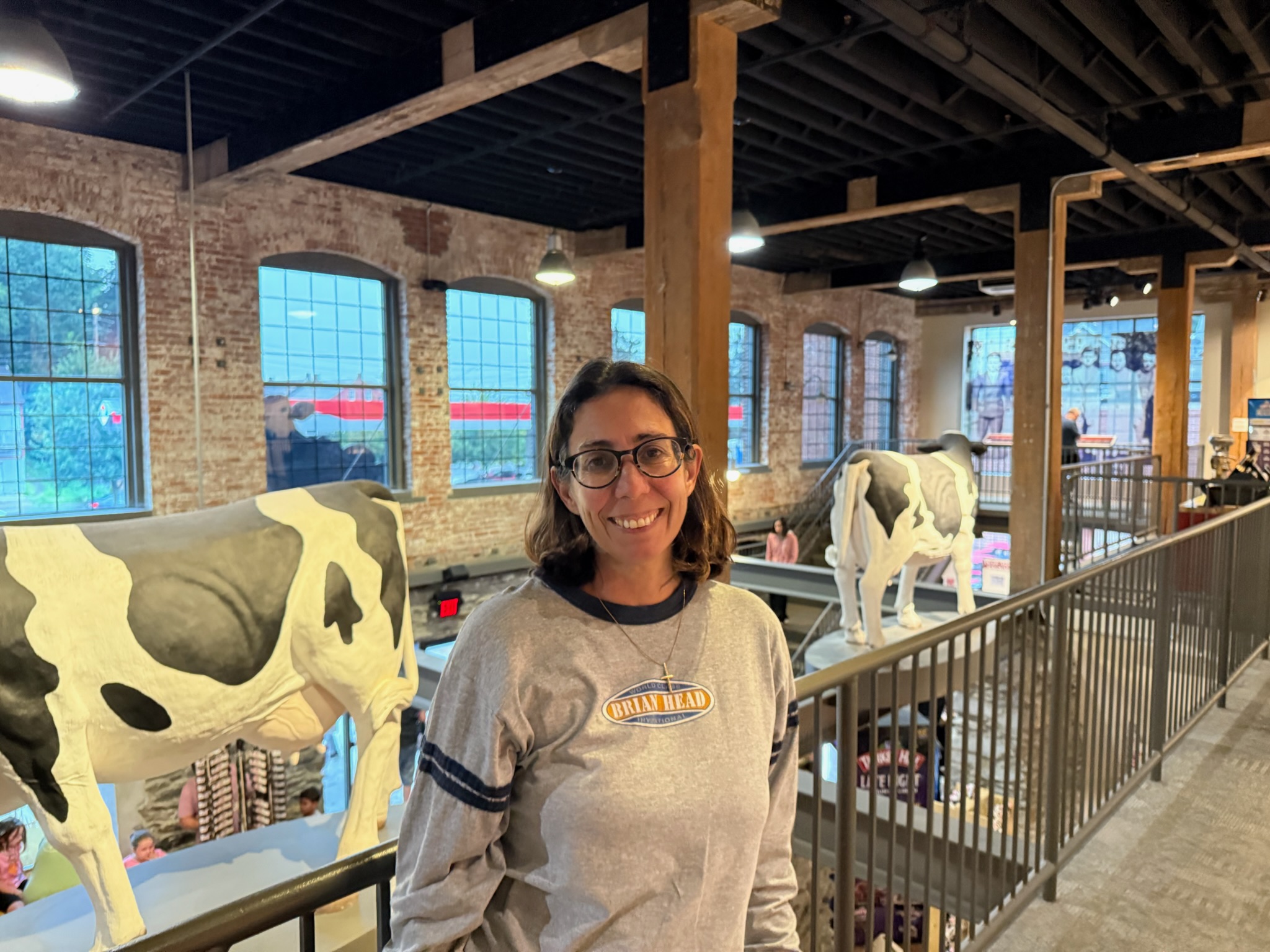
The lobby had a history of both the ice cream company and the general region. The Frey family farm in the lower Susquehanna River Valley dated back nearly 200 years to the colonial era. The farm grew tobacco, had a fruit orchard and cider mill, and had a small herd of dairy cows. The hill that the farm was on had been dubbed “Turkey Hill” by the local indigenous people due to the large number of wild turkeys.
It sounded like the majority of the indigenous were wiped out by smallpox, and the few remaining were genocided by an adversarial tribe. The European settlers in the region were mostly German Anabatists (Amish and Mennnites) seeking religious freedom.
In 1917, the Frey family decided to stop growing tobacco and to focus on the dairy business. They started delivering milk, and then added more products to the delivery truck, including iced tea and lemonade. In 1935, they changed the name of the dairy part of the business to Turkey Hill Dairy. In 1954, they added ice cream. Until 1981, Turkey Hill Dairy mostly served the local area and ice cream was a small part of their business. Then they y took a leap of faith and significantly expanded production in the hopes they could start selling products in the big cities. The ice cream took off and was now sold internationally.
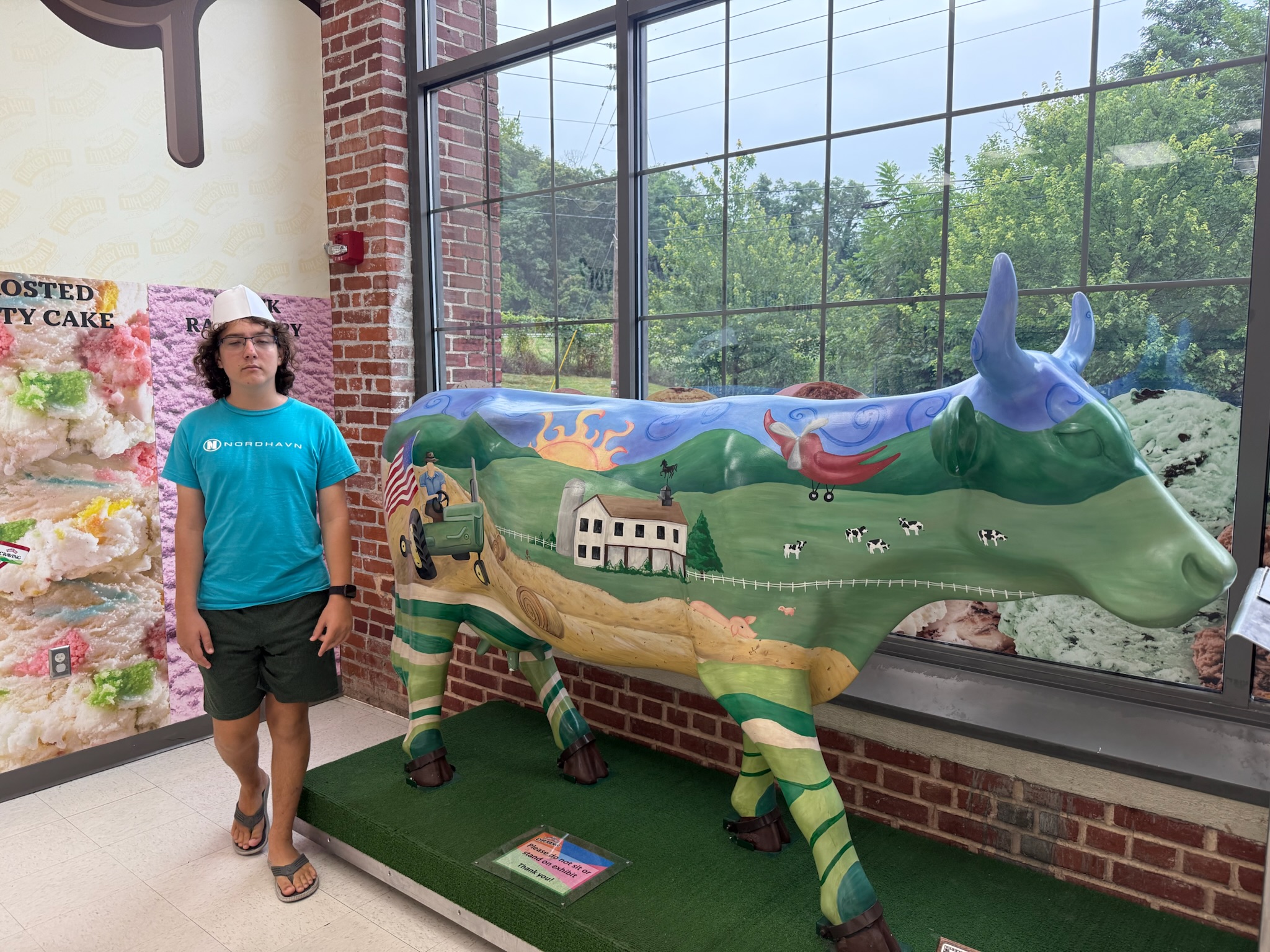
The museum tour started with an introduction movie that gave an overview of how they produced their ice cream, including procuring milk, sanitation measures, making flavors, packing it, and distributing it. It was a lot more extensive to produce ice cream than one would realize!
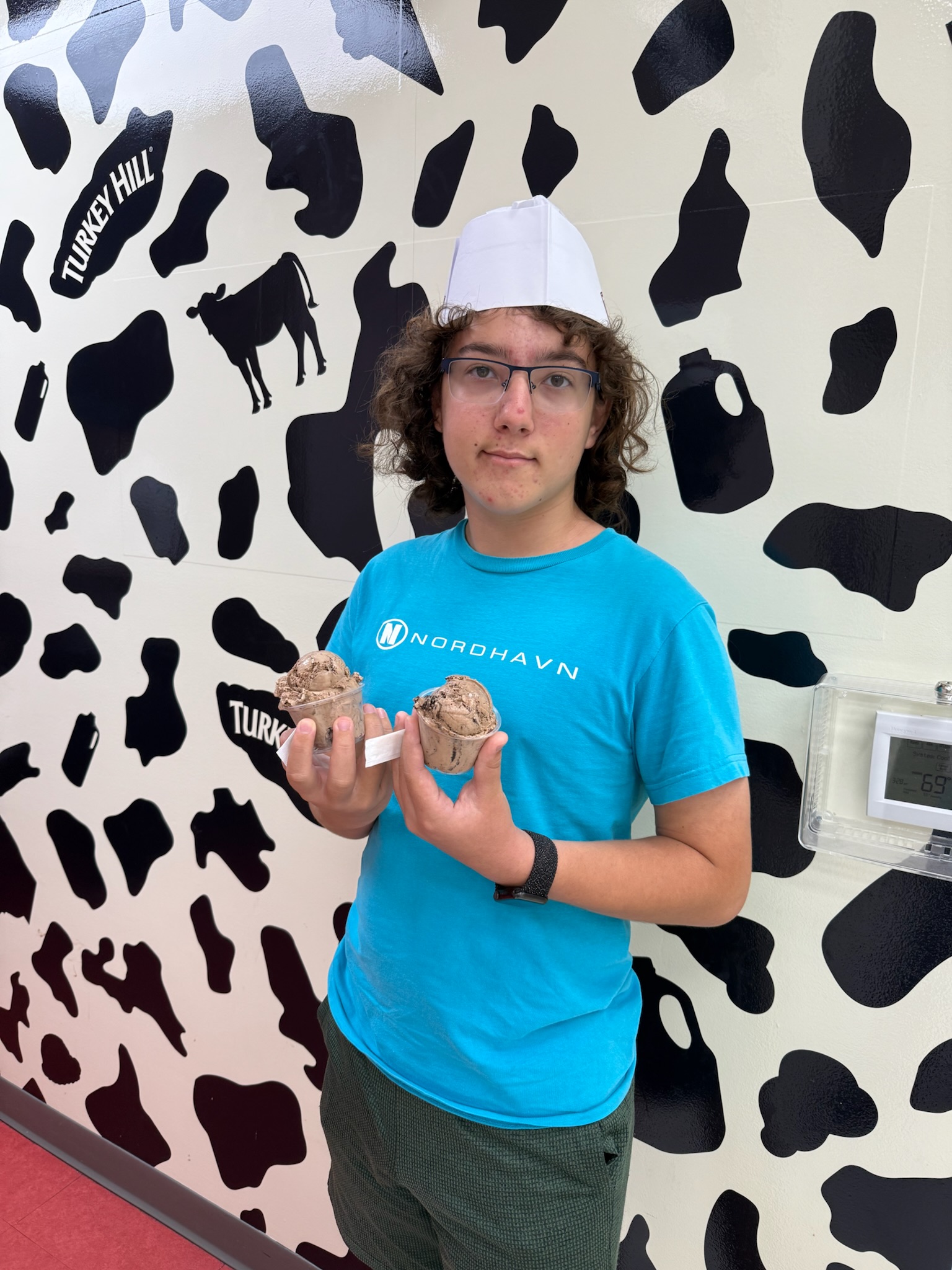
After the movie, we made a bee-line to ice cream counter. We could taste one flavor at a time, and the tasting was a full scoop of ice cream — what ice cream stores are now charging $5+ for. Turkey Hill also makes beverages, and they had unlimited samples of their pomegranate lemonade, their sugar-free lemonade, their sugar-free sweet iced tea.
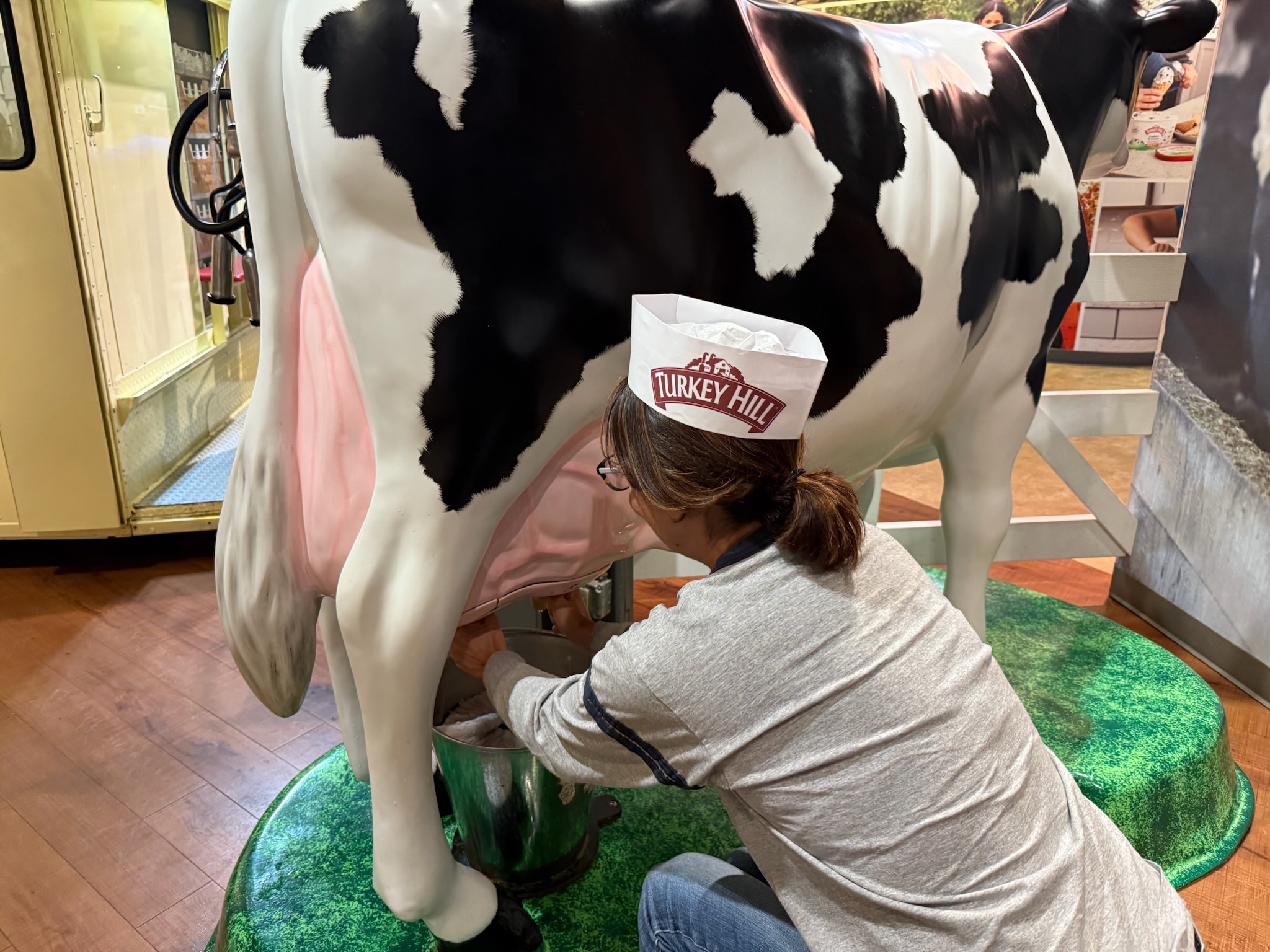
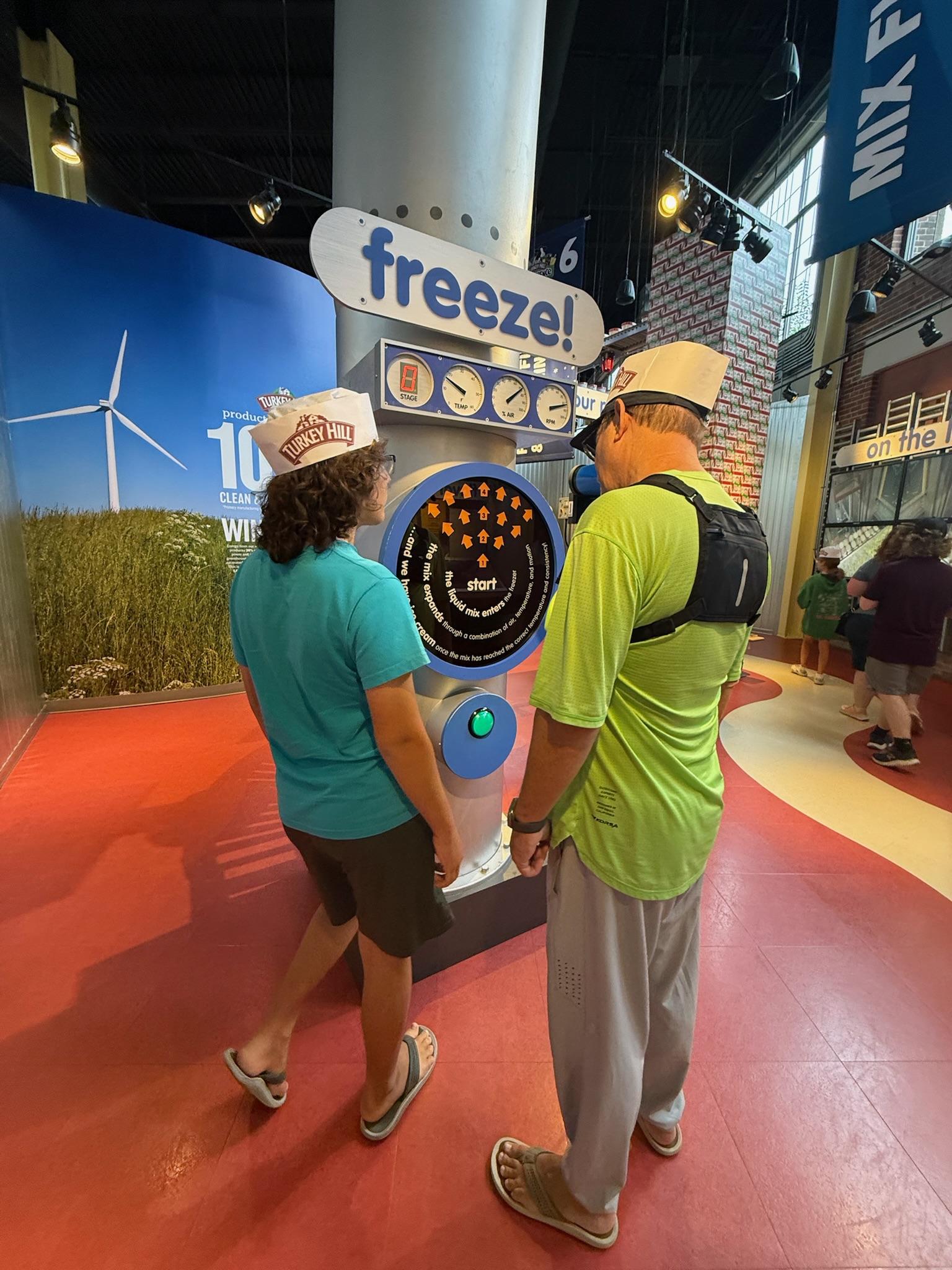
The exhibits basically taught in detail what the movie had overviewed, with assorted toys to help kids understand the concepts presented. They also had exhibits on the history of their marketing and advertising and exhibits about various types of teas. It was super fun for little kids, and just as much fun for teens and adults. We were impressed with how good the museum was. We never would have expected a museum about ice cream to be so informative and entertaining!
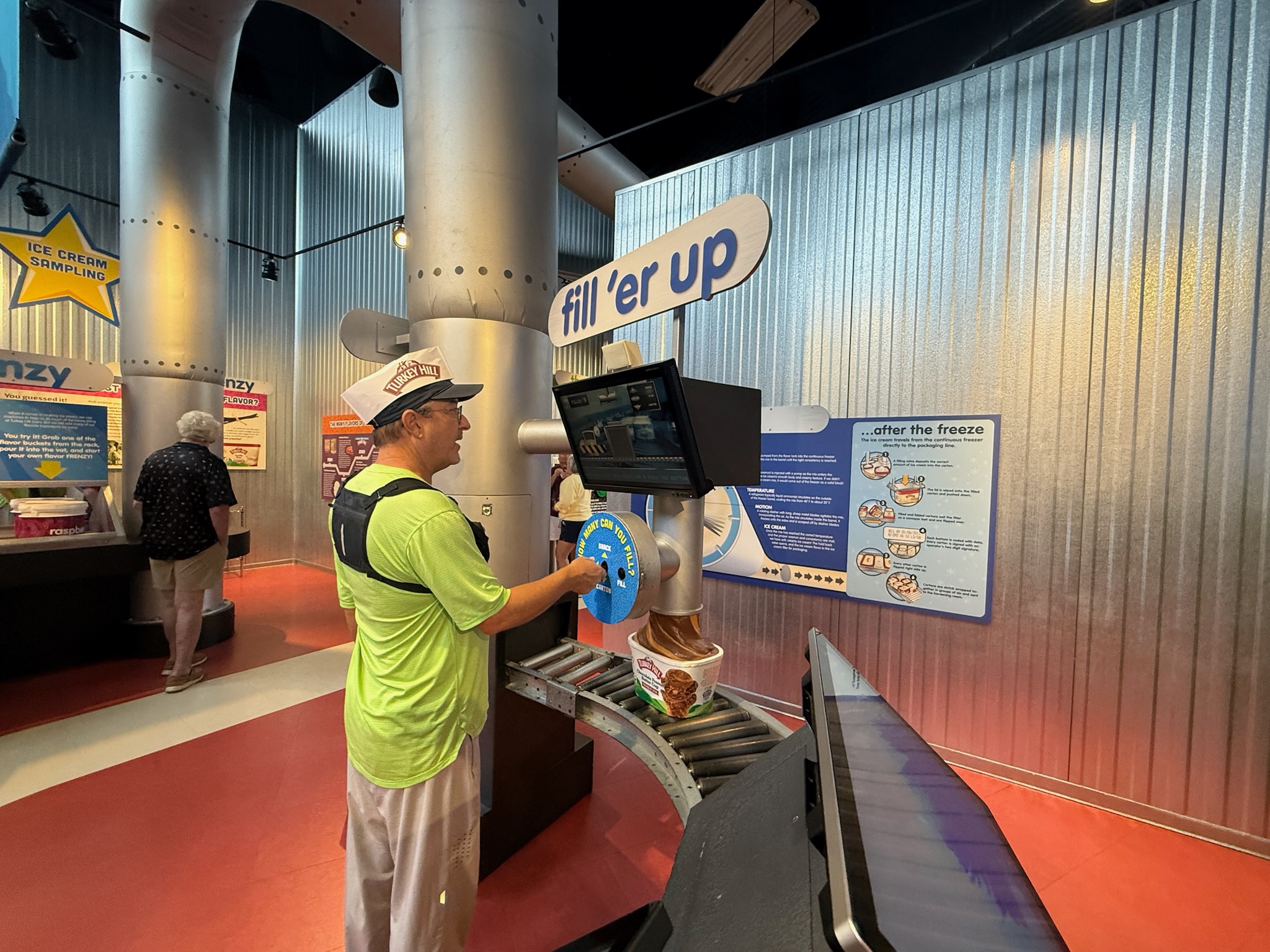
After a couple of hours, we had seen all the exhibits and had sampled multiple flavors. Eric and Keith had tried 4 flavors; Christi tried three. Both Eric and Keith liked Graham Slam, which tasted like graham crackers and had little chocolate candies with marshmallow centers. Christi’s favorite was Double Dunker, which was mocha ice cream with swirls of cookie dough and pieces of chocolate sandwich cookies. The blue one was called Monster Cookie, and after seeing the blue lipped children, none of us wanted to try it.
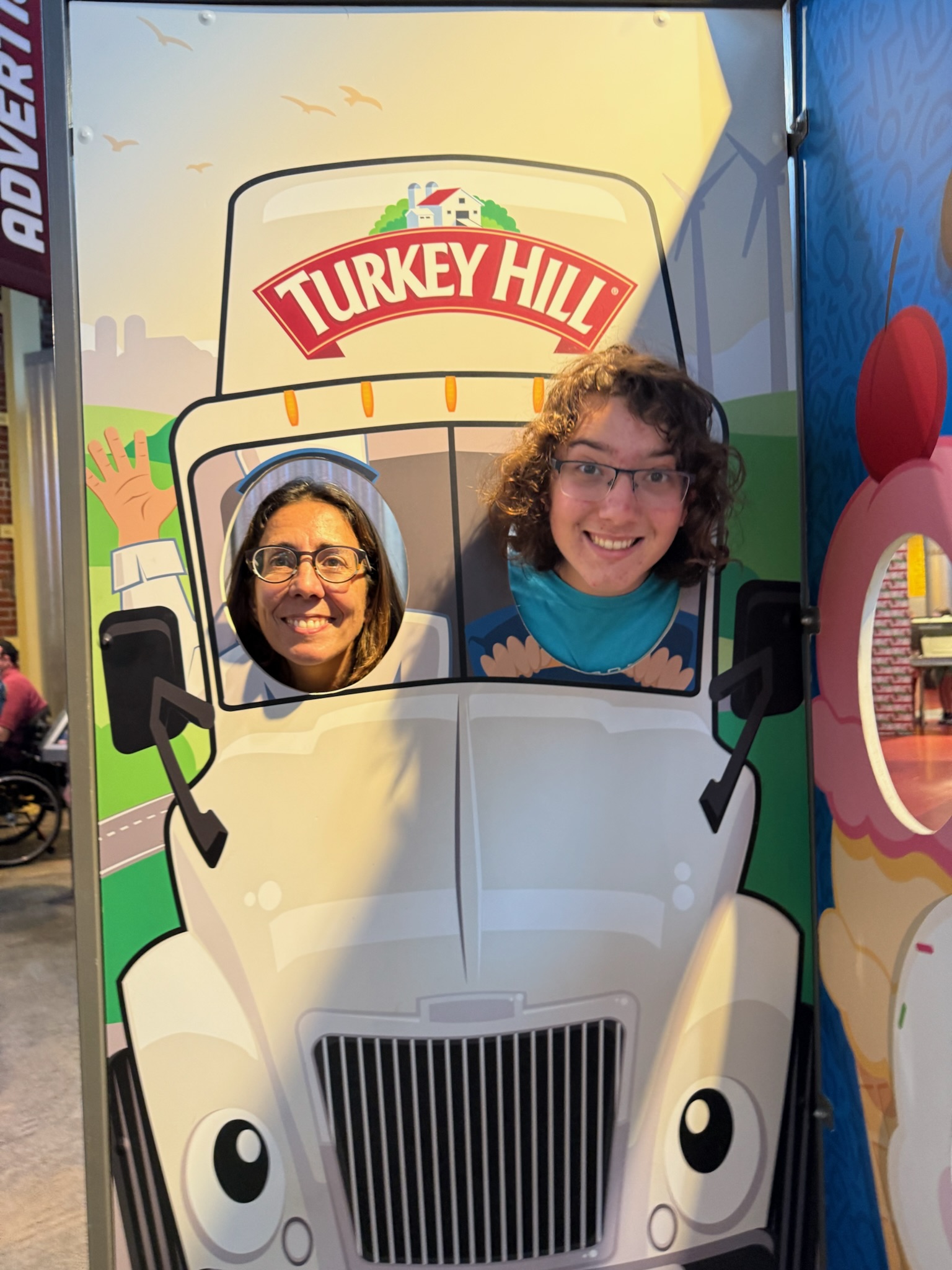
At this point, we were feeling a little nauseated and in need of real food.
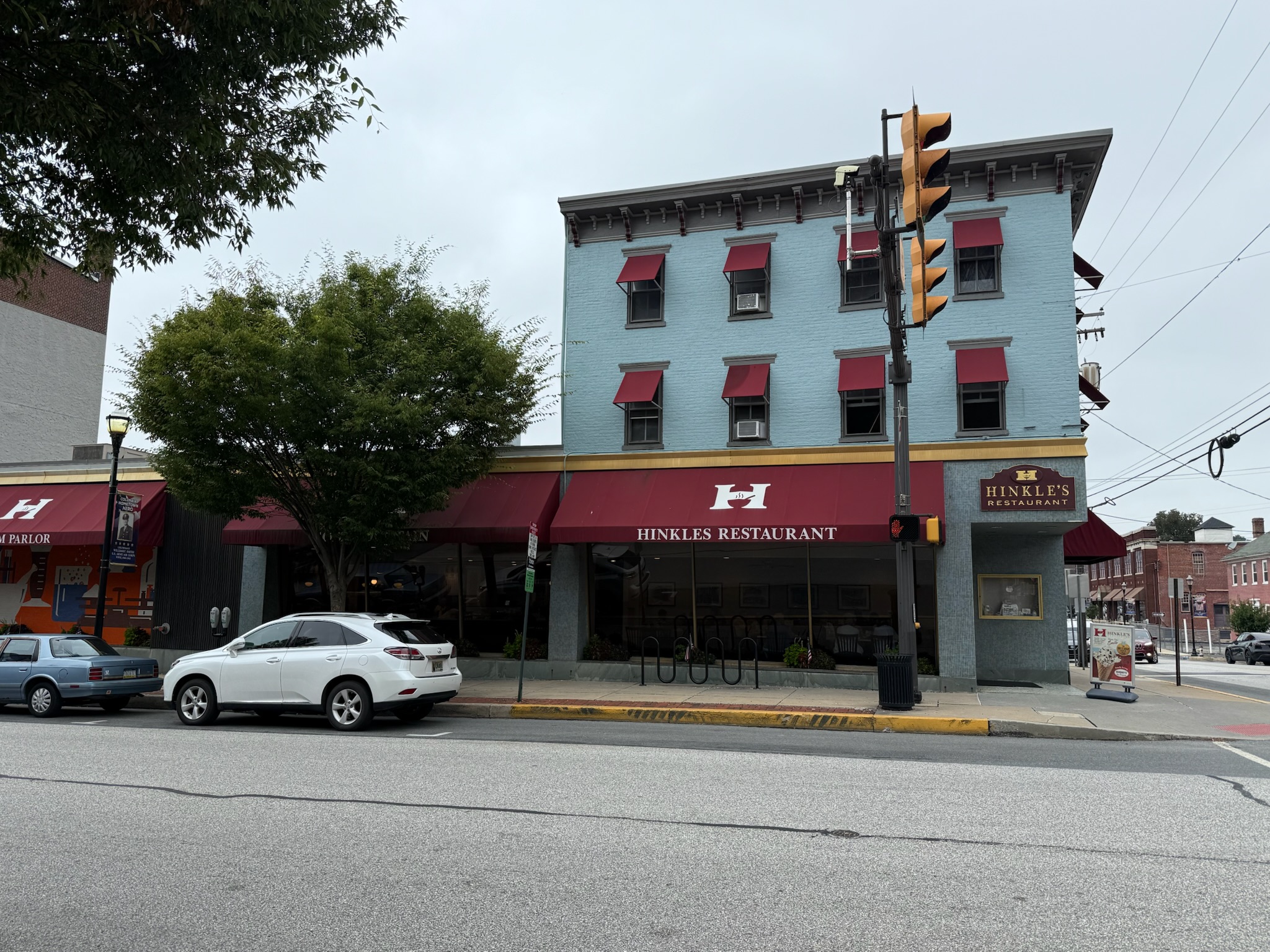
We drove to a restaurant named Hinkle’s, which was 1/2 mile away. We picked it solely because it was close, but it turned out Hinkle’s was an iconic, historical restaurant. Sam Hinkle founded the Hinkle Easter Egg Dye Company, which was still the most commonly used easter egg dye. Hinkle’s began in 1893 as a general store and soda fountain — and both were still there (although the general store was now sold mostly candy and gifts)– then apparently expanded into a restaurant. It was packed with what looked like mostly local retirees. The decor looked like it dated back to the 1920s.
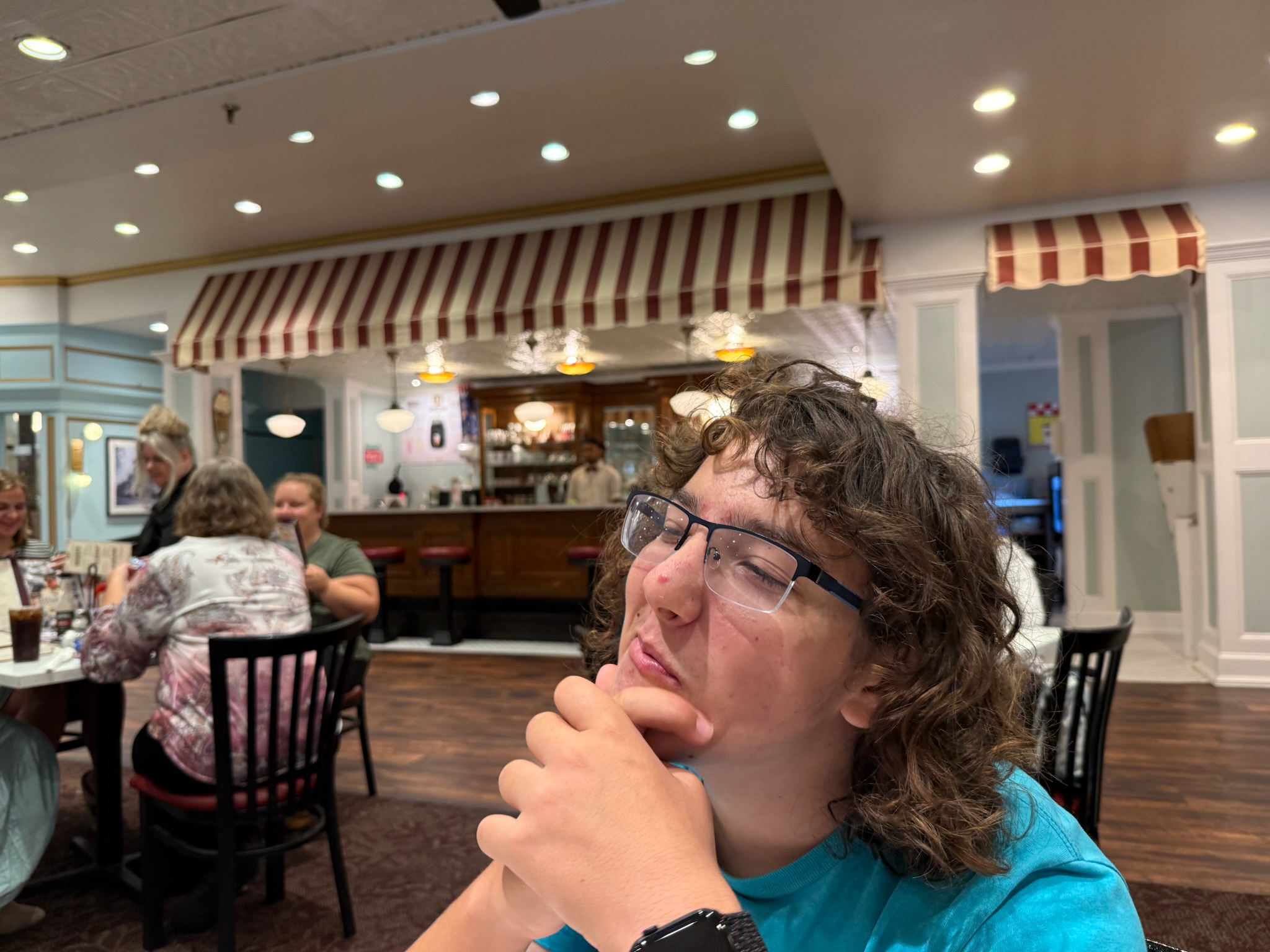
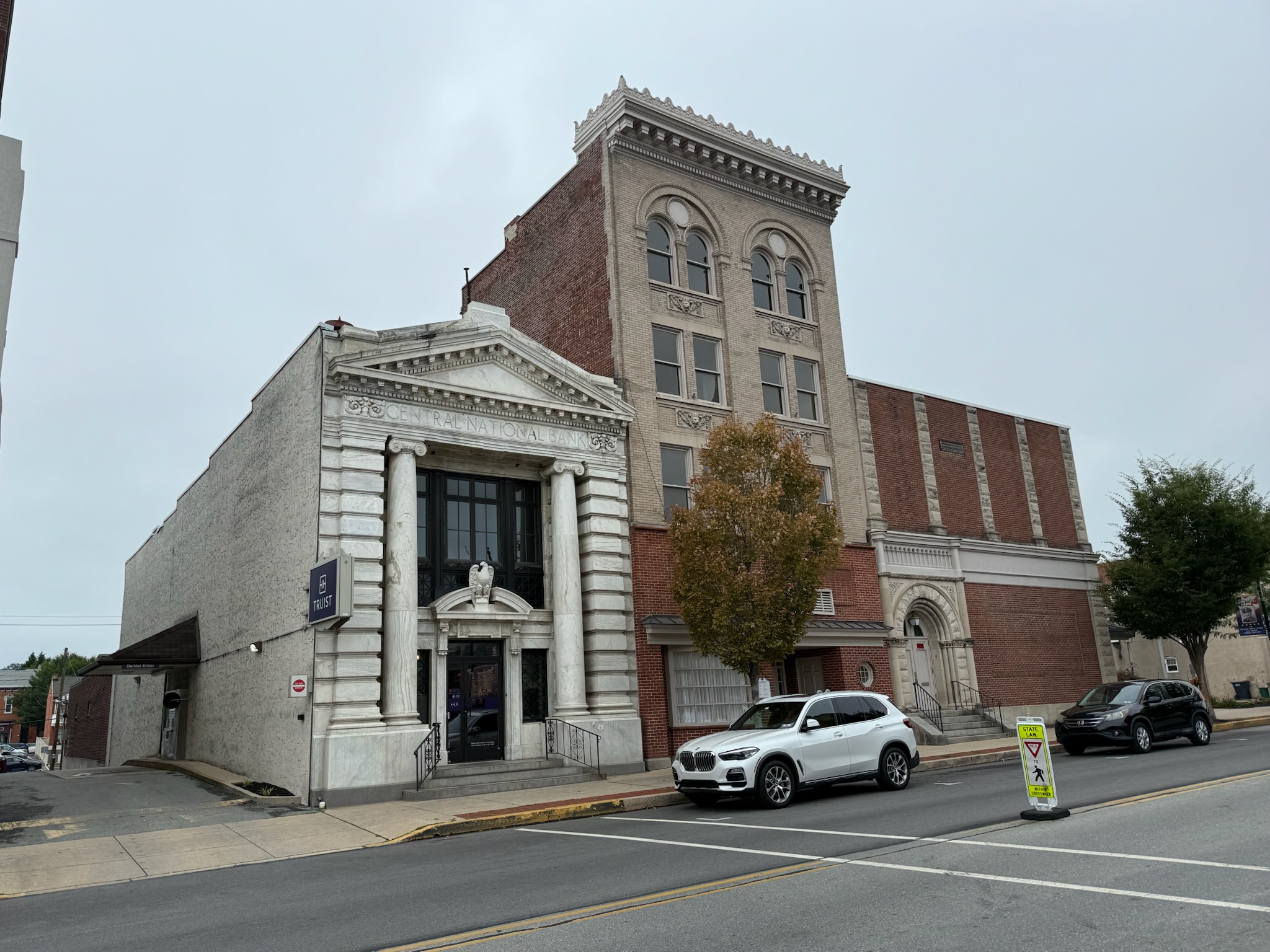
The little bit of downtown Columbia that we saw had fancy buildings, indicating that it was once a prosperous town.
We made sure to be back in time for our workshop. When we returned, we saw the day camp kids were gone, but it was even more packed than ever with families. We lined up in a hallway. When we were admitted into the workshop, we were instructed to wash our hands, then sit down at a station. Each station had an assortment of bottles. The small bottles were base flavors. We were told to add 5 drops of whichever flavor we wanted, mix, and then to add more flavors until we liked how it tasted. Step 2 was the stir ins, those were soft ingredients, such as caramel, marshmallow and fudge, that were to be gently swirled in. Finally, along the wall were the solid add-ins that were to be mixed in last.
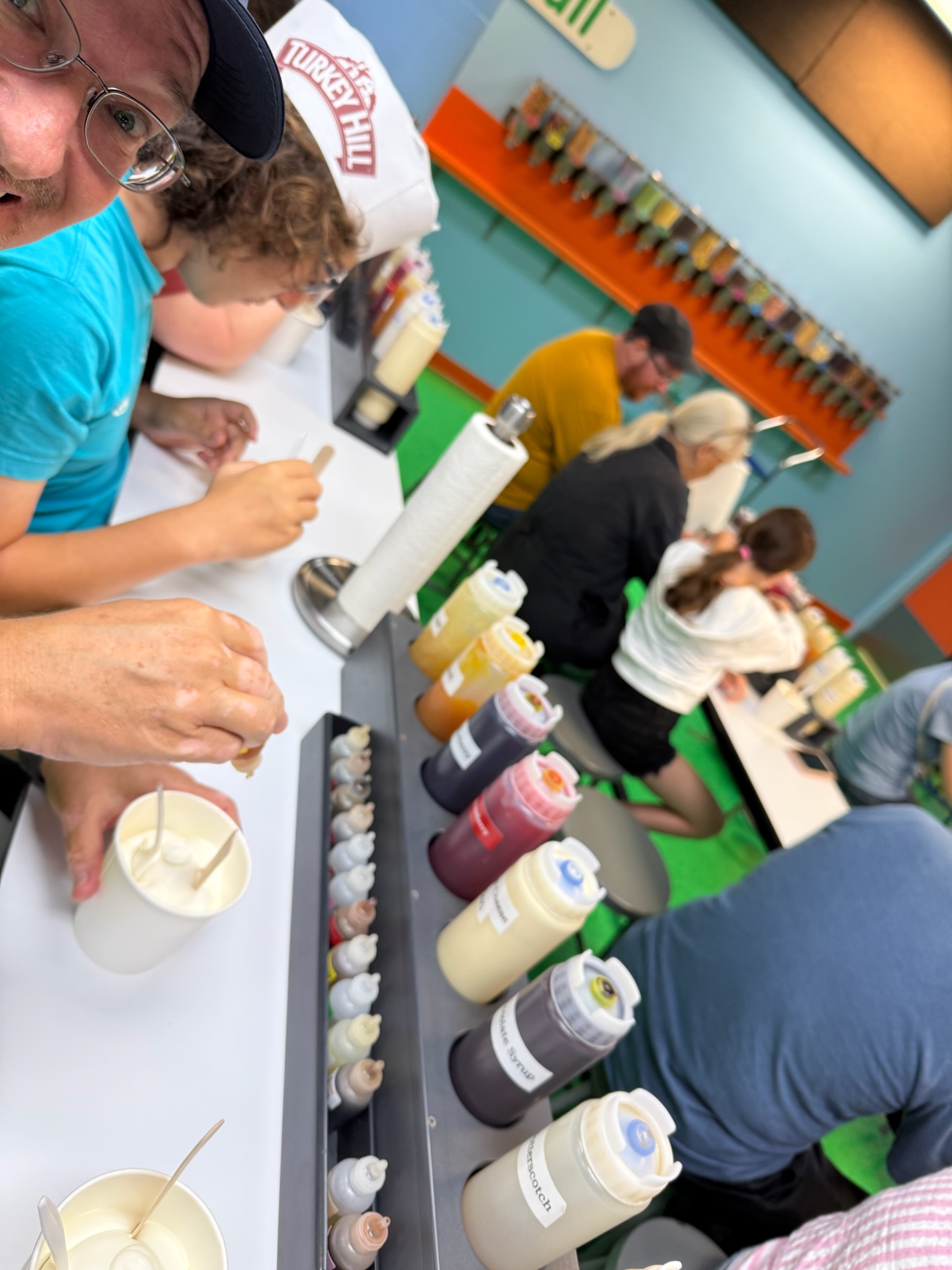
As we’d learned in the museum, there were two “base flavors,” chocolate and white. From those bases, all other flavors were derived. They passed out pints of white base and quickly got mixing.
Christi made a base of banana, strawberry and pineapple, swirled in pineapple jam and cream cheese frosting, and finished with dried pineapple add-ins.
Keith made a base of coffee, chocolate, maple, cinnamon and cappuccino, with cappuccino being the dominant flavor. He swirled in fudge, chocolate syrup and marshmallow cream. He finished it with espresso pillow add-ins.
Eric made a base of primarily banana, with a little coconut, cake batter and butterscotch, too. He swirled in marshmallow cream, butterscotch, and cream cheese frosting. He finished it with cupcakes bite add-ins.
We all shared our flavors. Christi only had one espresso pillow, then picked the rest out, worried it may contain real espresso. Keith and Eric assumed they weren’t caffeinated and ate 3 – 4 each. Even though we were all still kind of sick to our stomachs from over-indulging in ice cream earlier in the day, we managed to eat every bite of our custom pints. We were really nauseated after that!
We left as soon as the workshop was over. One of those stronger storms was passing through and it was rush hour, so it took a little over an hour and a half to get back to the boat. At bed time, Keith and Eric had a hard time falling asleep. They were wired from the espresso pillows!