continued... We can’t remember what the purpose of this machine was… since it was in the exfiltration section, we think it may have been a machine used to help train spies on escaping capture.
There was a small theater playing a film on a loop with real ex-spies telling their most thrilling stories about their spying days.
The next section was jaw dropping! The sign said “When governments task intel agencies to secretly undermine a rival’s political or economic system — perhaps by buying votes, bribing candidates, or disrupting trade — the results can change history… The stories here… all are bold attempts to transform the political or economic landscape.”
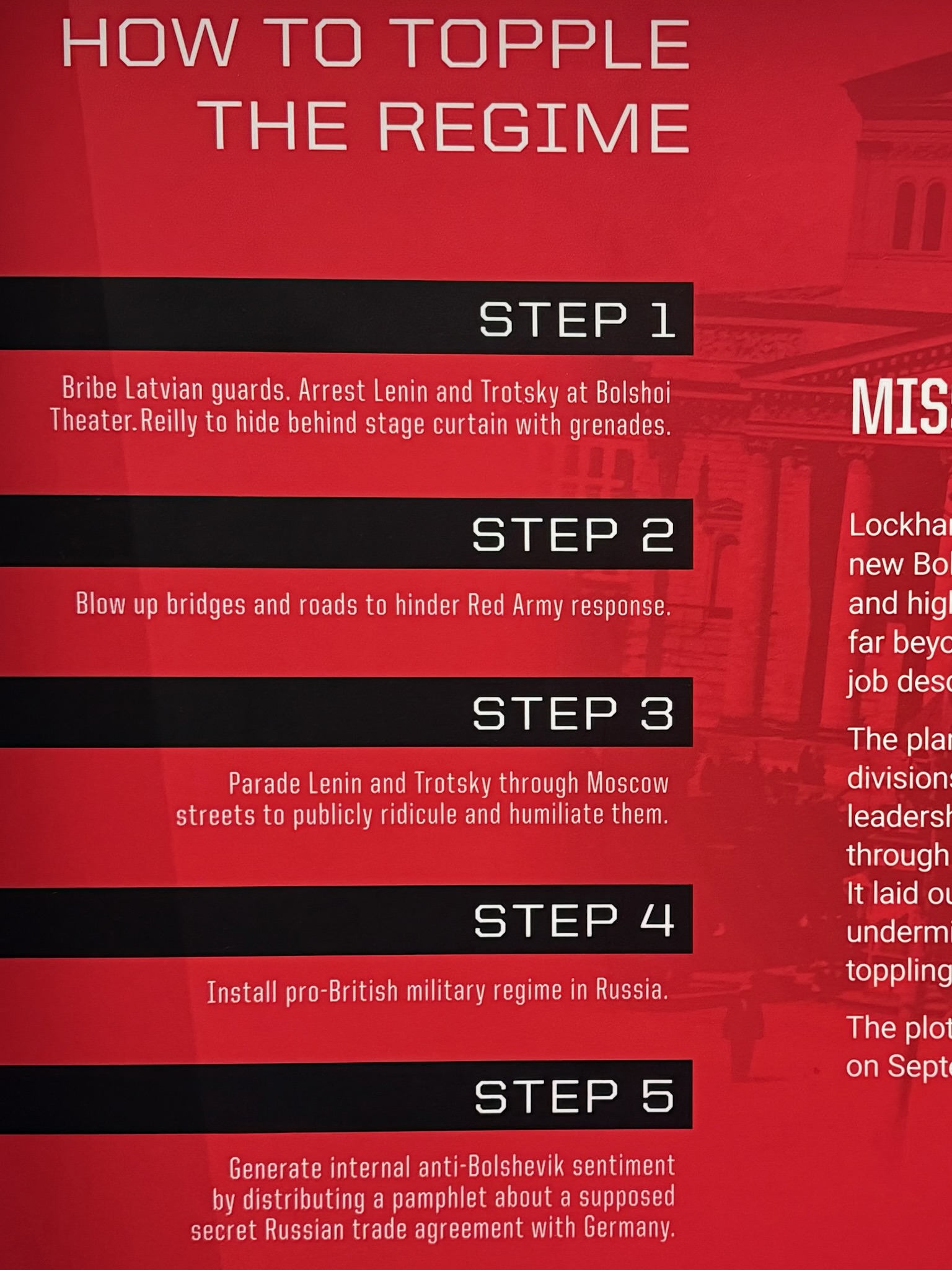
The first story: In 1918, Britain tried to subvert the Bolsheviks in the Russian Revolution. It failed because the Latvian guards told the Bolsheviks about the plot. Interestingly, the Soviets set up a fake anti-Bolshevik resistance group to lure in international political foes.
Second story: the Nazis tried to destroy the British economy by flooding it with fake currency in order to devalue their monetary system and destroy the economy. The Nazis printed almost one million nearly perfect fake notes per month. They were paying agents and informants with the fake British money, too! The fakes were so good that it took decades to remove all the fake bills from circulation.
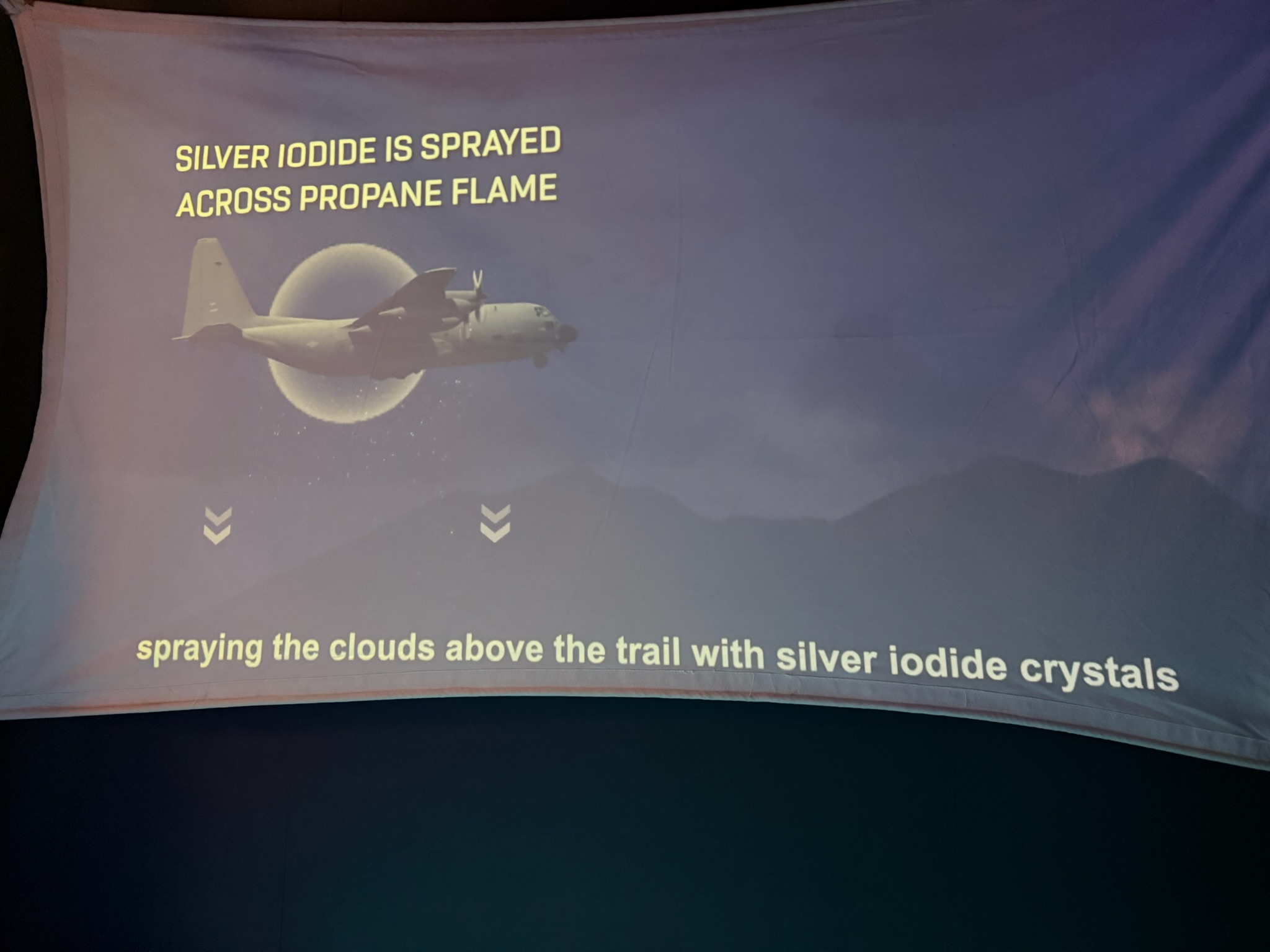
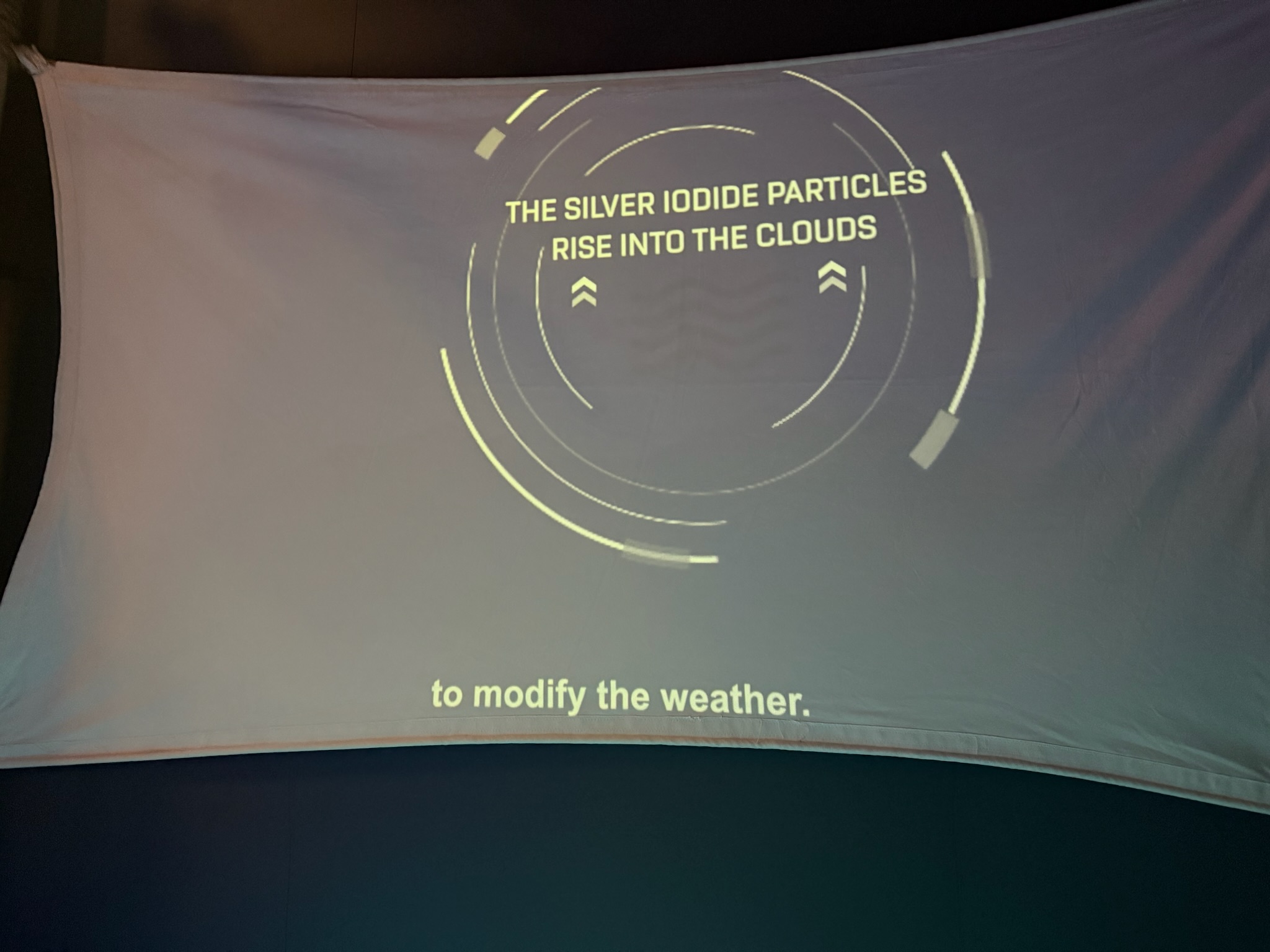
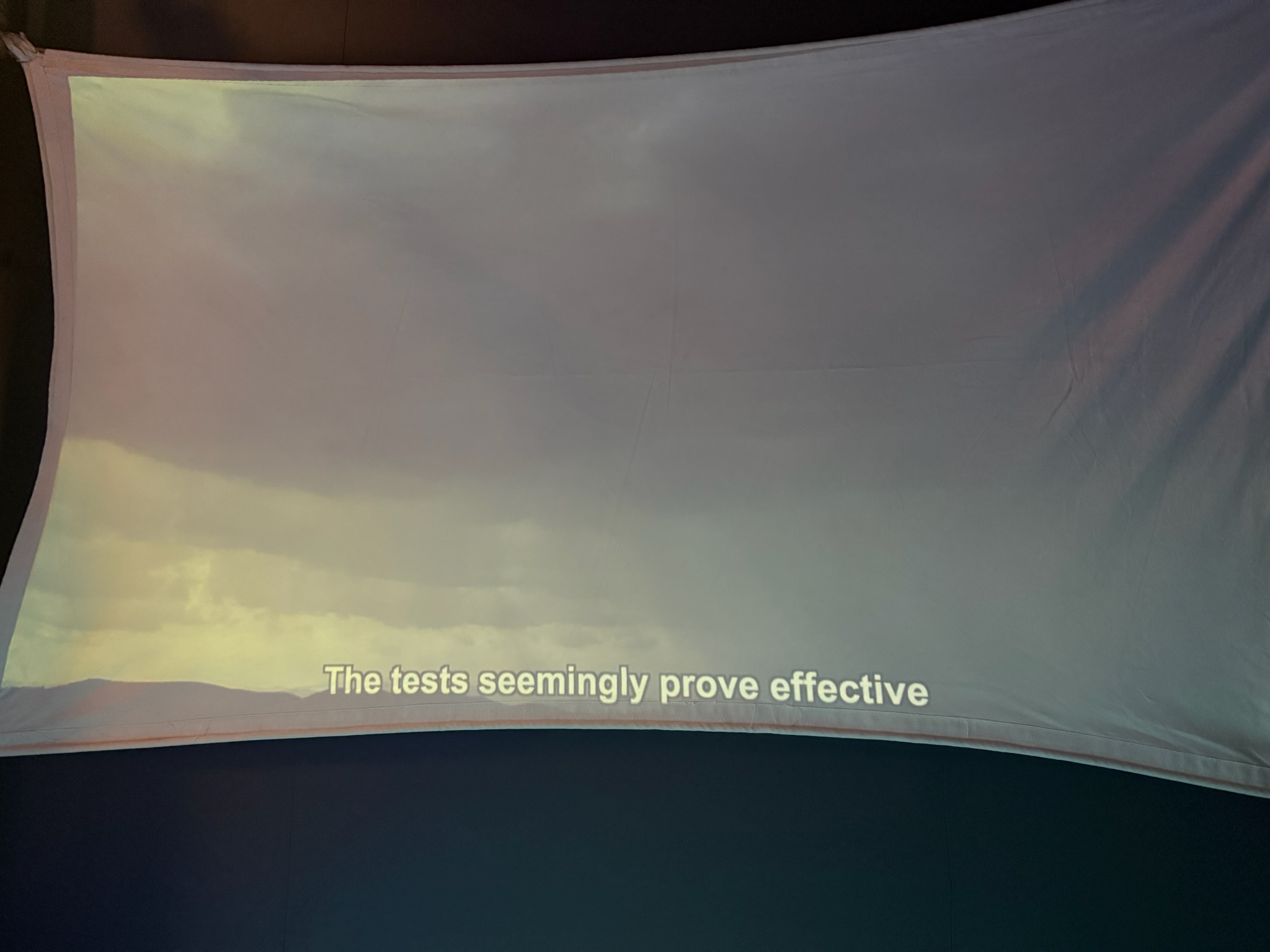
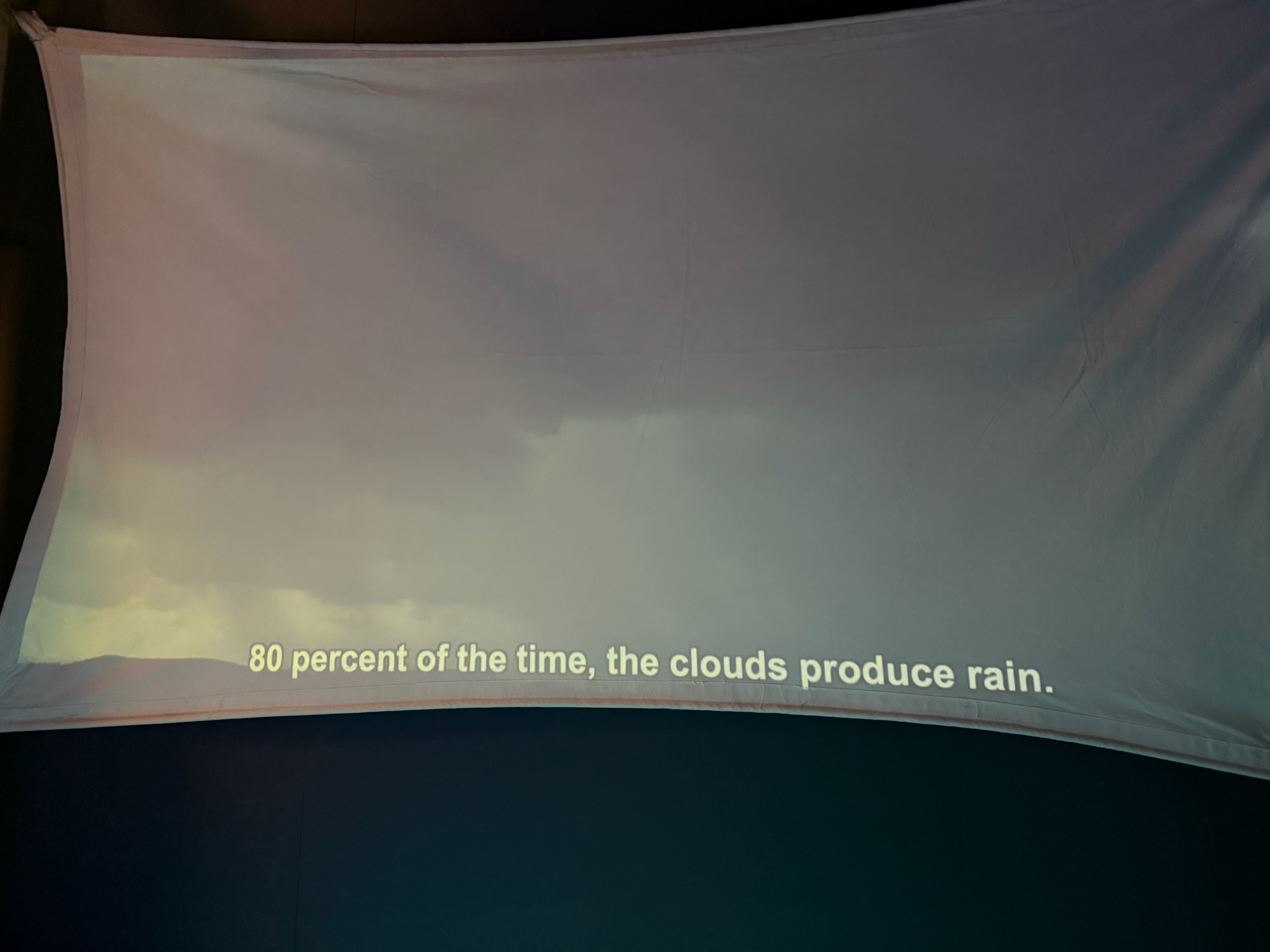
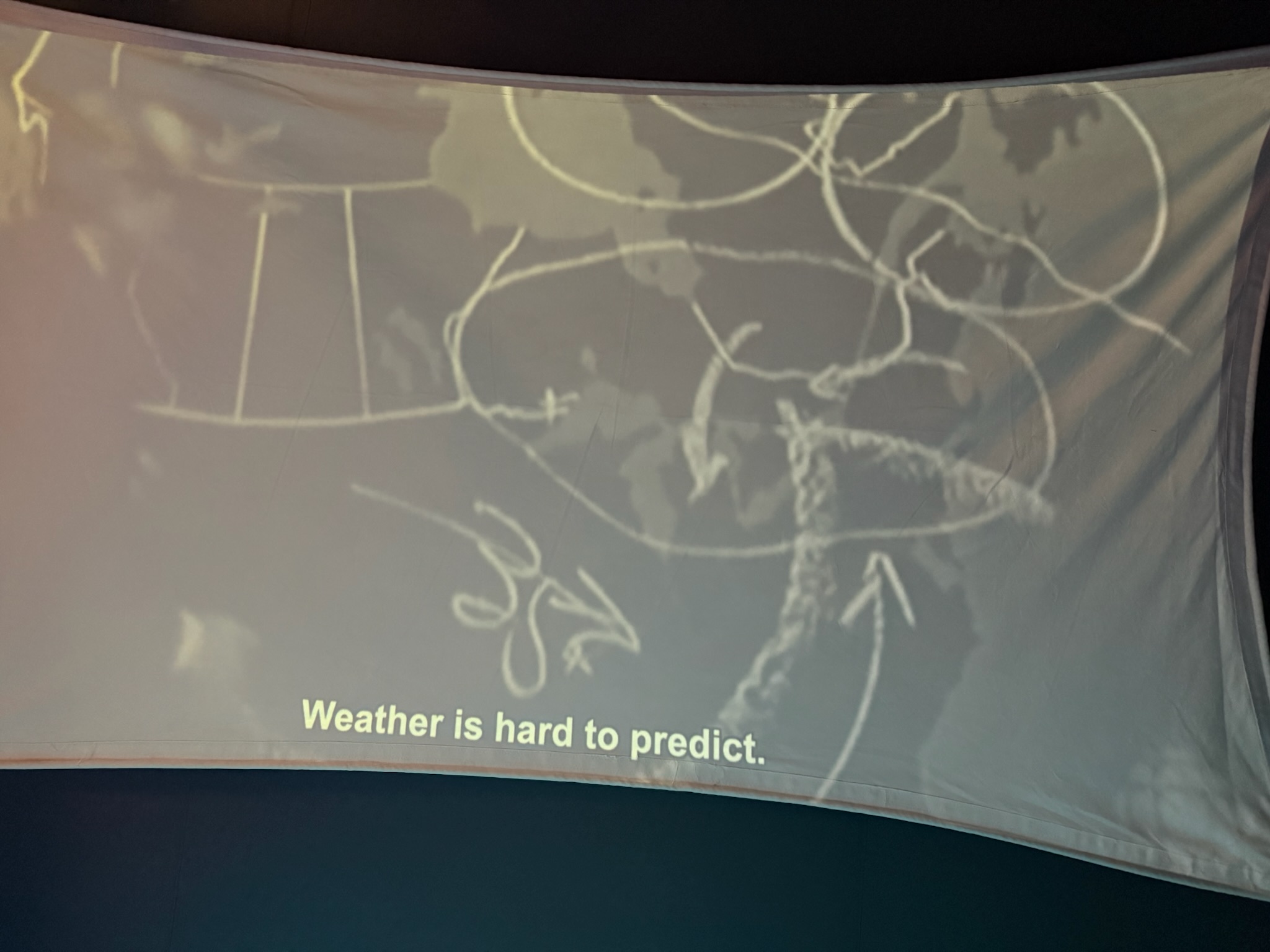
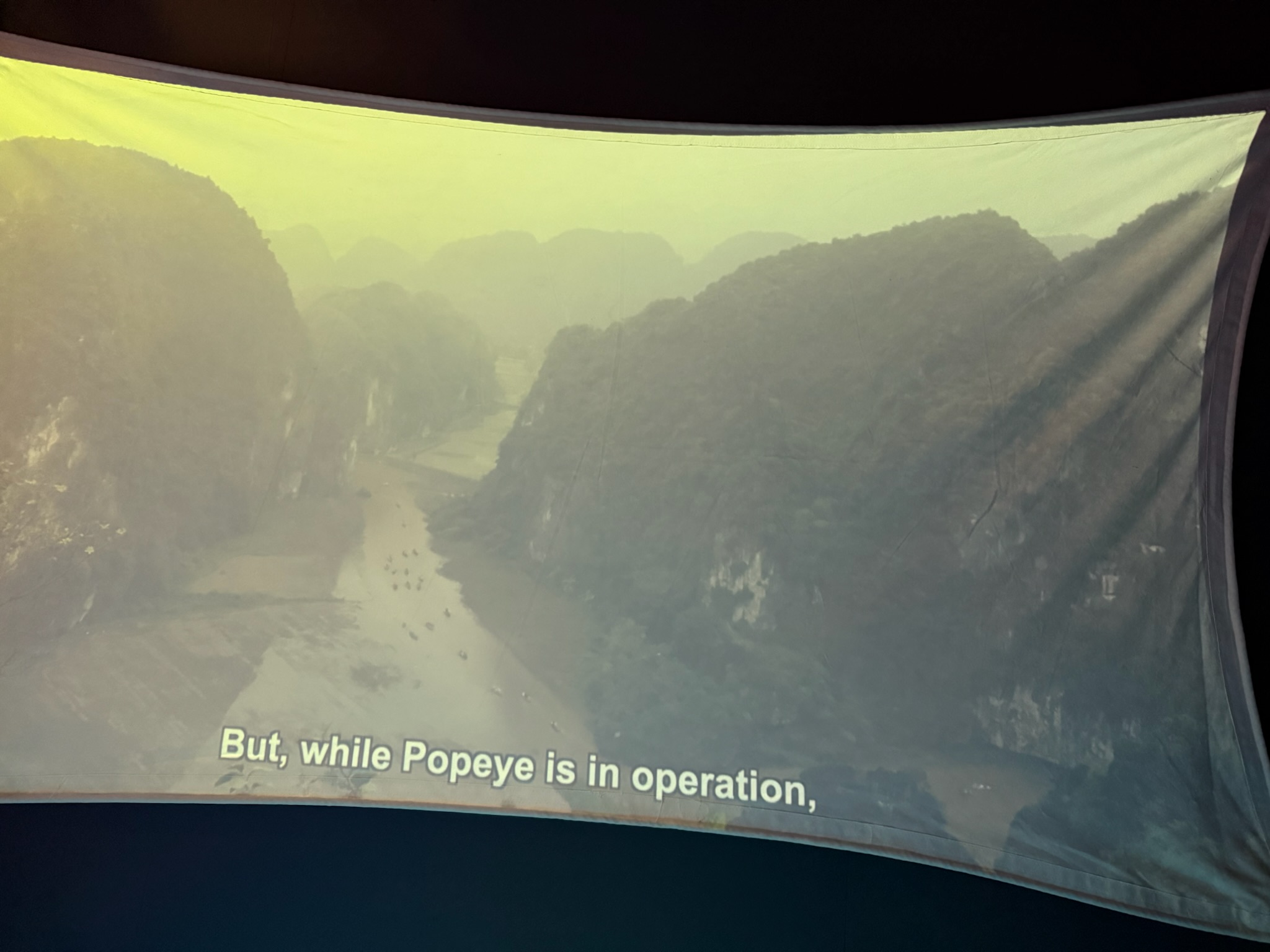
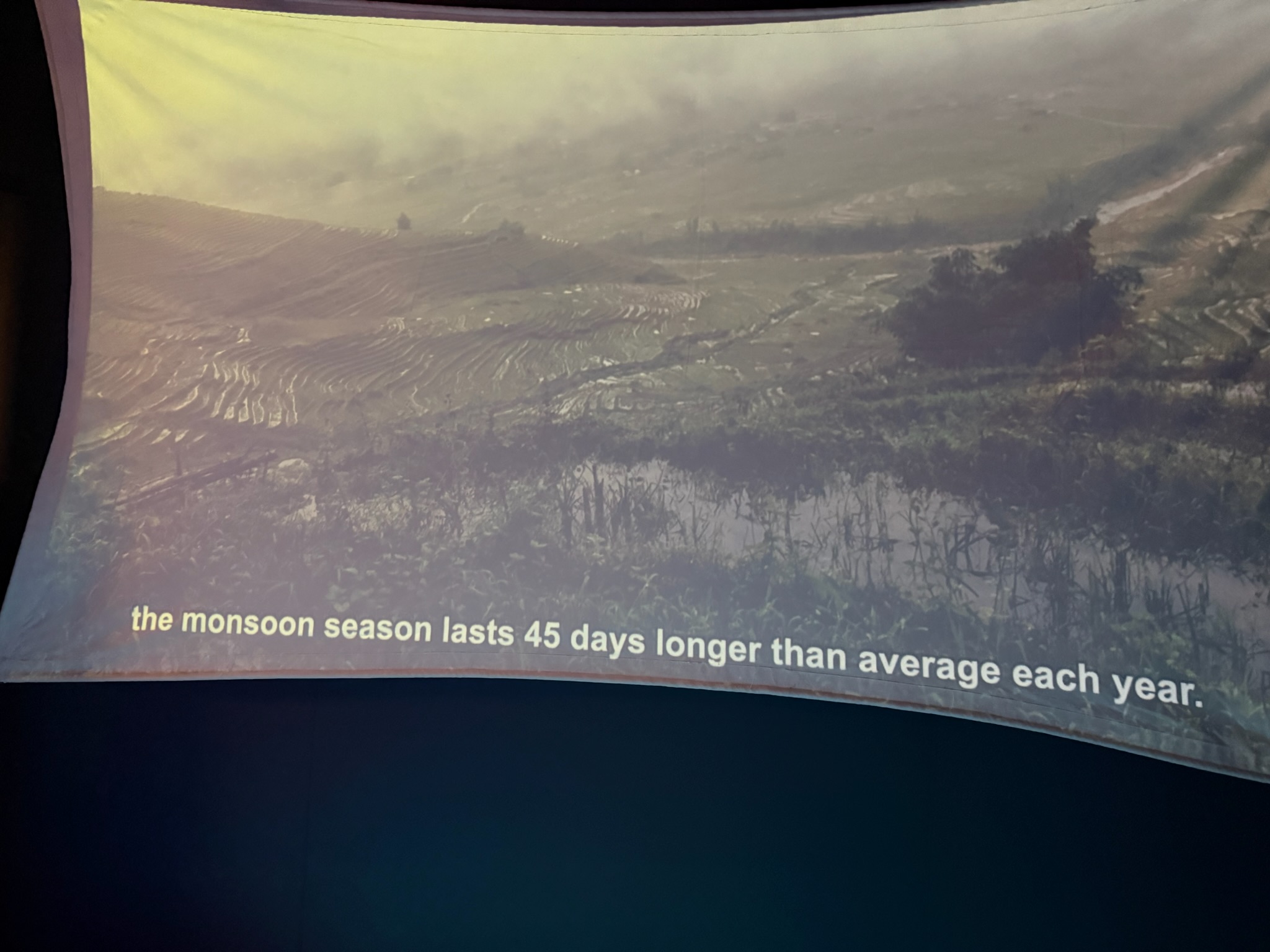
The jaw dropping story: there was a video about the US’s Operation Popeye in the Vietnam War, where they used cloud seeding to modify the weather, extending the monsoon season by 45-days each year. It also made the rains stronger. The hope was that flooded out roads would stop supplies from reaching the enemies. Christi watched the film several times and took photos of the pivotal parts and made a slide show from them:


There was a section on sabotage and a display on various tools used for sabotage, such as TNT disguised as coal and radio-frequency jammers that self-detonates. There was a display about how the CIA hired magician John Mulholland to write a manual on how to do sleight-of-hand and misdirection techniques to pull off said sabotage. It even mentioned the MK Ultra program, where the CIA extensively tested various ways to mind-control people, including by slipping them drugs.
There was a sign about how countries worked on perfecting “tasteless, odorless toxins that couldn’t be detected in an autopsy” to eliminate targets. One of the stories was of a Bulgarian who escaped from the Soviet Union and was actively denouncing the Soviets from his new country of residence. The KGB sent someone to shoot him with a tiny poison dart the size of a pin head, using an airgun disguised as an umbrella. He had thought he’d been bitten by a bug and had no idea he’d been shot with poison.
Another surprising section was called Erased From History: “For some… even murdering is not enough. They may also try to rewrite history as if the person had never lived, revising textbooks, news accounts, and photographs to wipe out all traces of their adversaries.” They showed examples of photos that had been doctored to delete people from them, including former Soviet leader Leon Trotsky and current North Korean leader Kim Jong-un’s uncle.
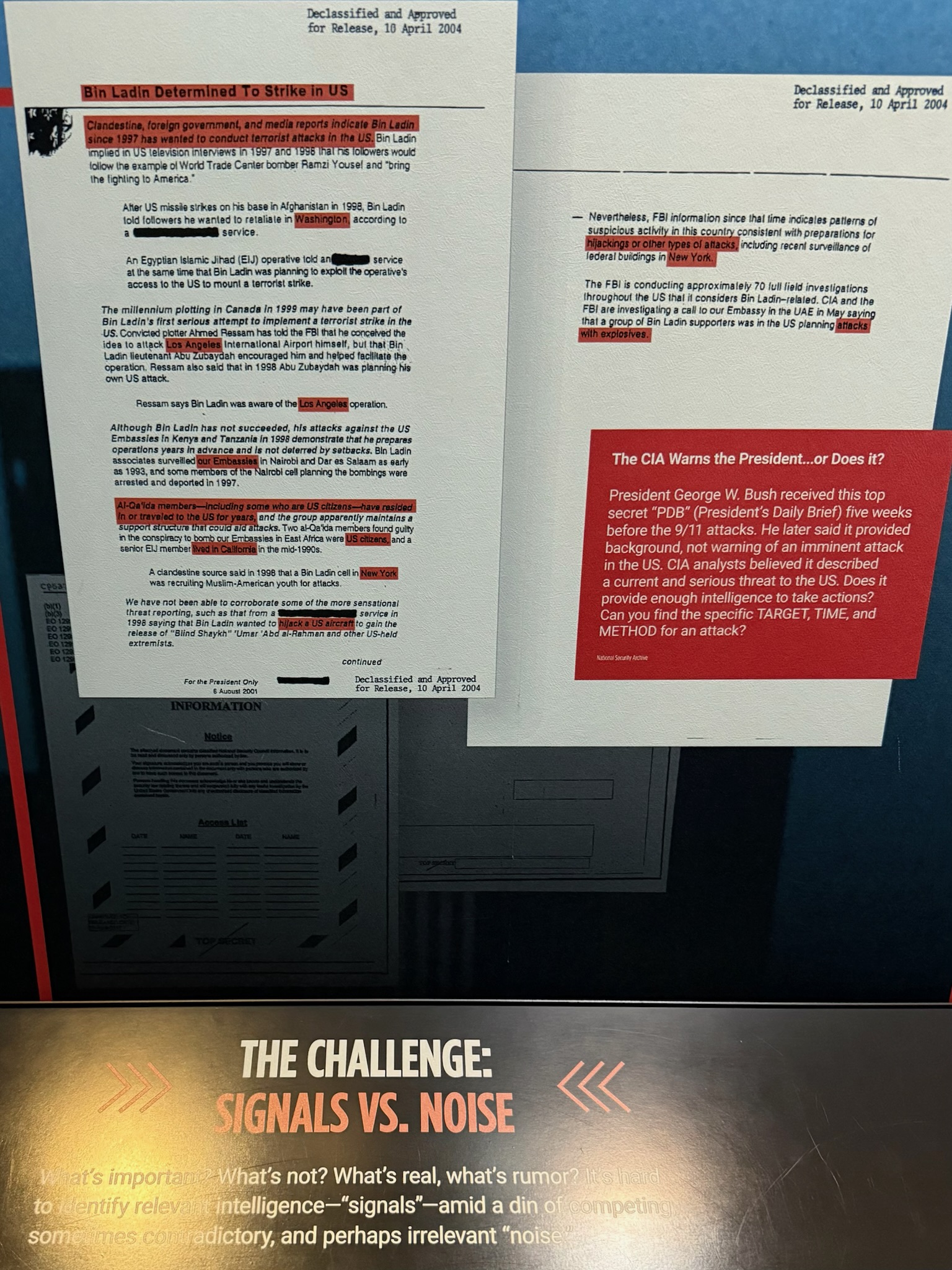
We walked down a flight of stairs and found ourselves in a display about the American Revolution, with a short film about George Washington’s spy networks. They were pretty clever. One woman communicated by hanging certain laundry on the wash line. Each item represented a message that could be seen from a distance.
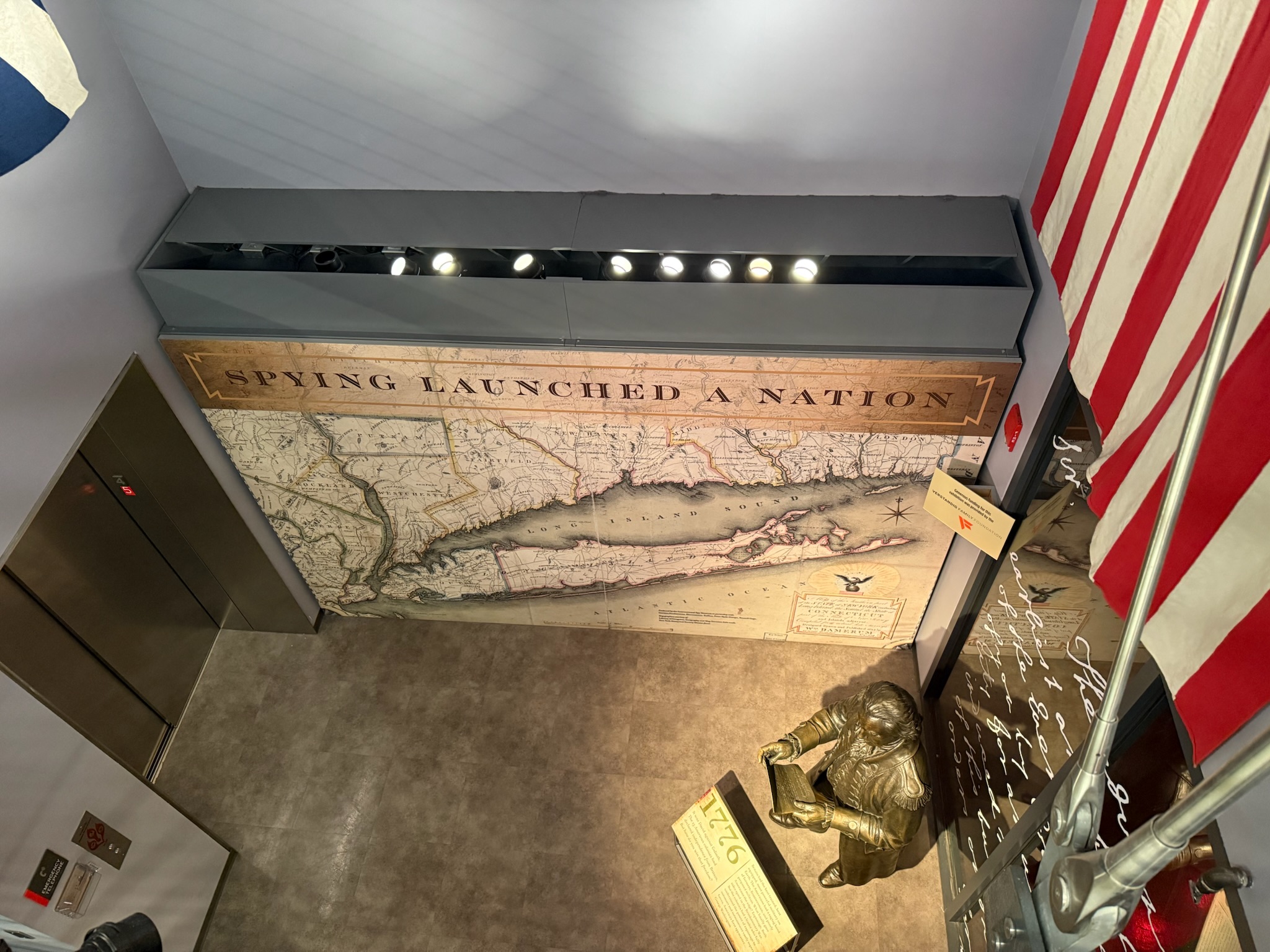
The next exhibit was about the September 11, 2001 terrorist attack on the World Trade Center. There was a copy of the report titled “Bin Laden Determined to Strike in US” that was given to then President George HW Bush on August 6, 2011. Several other reports were also displayed that were prepared by intelligence agencies warning of Al Qaeda threats, particularly involving planes. The signs basically said that it was a failure of imagination; the US leaders didn’t take Al Qaeda seriously because they couldn’t imagine they were a real threat without a sophisticated military. The signs said that then US Defense Secretary Donald Rumsfeld immediately blamed Saddam Hussein and Iraq because he simply couldn’t believe Al Qaeda could pull off a complex attack without Hussein’s help. It felt like this display was trying to emphasize that the intelligence community did its job — the failure wasn’t with the intelligence, it was with the leaders who disregarded the intelligence.
The next display was about the Japanese bombing the Hawaiian port of Pearl Harbor on December 7, 1941. Much like 9/11, the US had plenty of warning that the Japanese were planning something big. Diplomatic communications had been intercepted that indicated war with Japan. Peruvian minister in Tokyo warned the US of a “fantastic” rumor about Japan attacking the US. The US did not take the threats seriously.
This failure led to the formation of the Office of Strategic Services (OSS) in 1942. By 1944, 13,000 Americans — 1/3 of whom were women — were working for the OSS across the globe. One of those women was Julia Child! She was Chief of the OSS registry, deployed to Ceylon (now Sri Lanka) and China. Academy award winning film maker, John Ford, was also a Naval Reserve Officer. When he was called back to active duty, he combined his two careers by making the first documentary with actual battle footage. In 1942, “The Battle of Midway” won an Oscar for best documentary. The head of OSS realized what a powerful tool film was and adopted it as part of their strategy.
Another interesting strategy the OSS used was to create a network of 25 fictitious spies to feed disinformation to the Nazis. Apparently, it was successful several times in throwing the Nazis off the Allies track — for example, they thought the allies were going to attack in Sardinia, so they had troops ready, but the Allies actually attacked Sicily. They only gave details about one of the characters: they dressed up a dead homeless man in a uniform and stuffed his pockets with things like love letters from his fiancé and ticket stubs so he seemed like a real person — and he also had a bogus “classified intelligence report” on him.
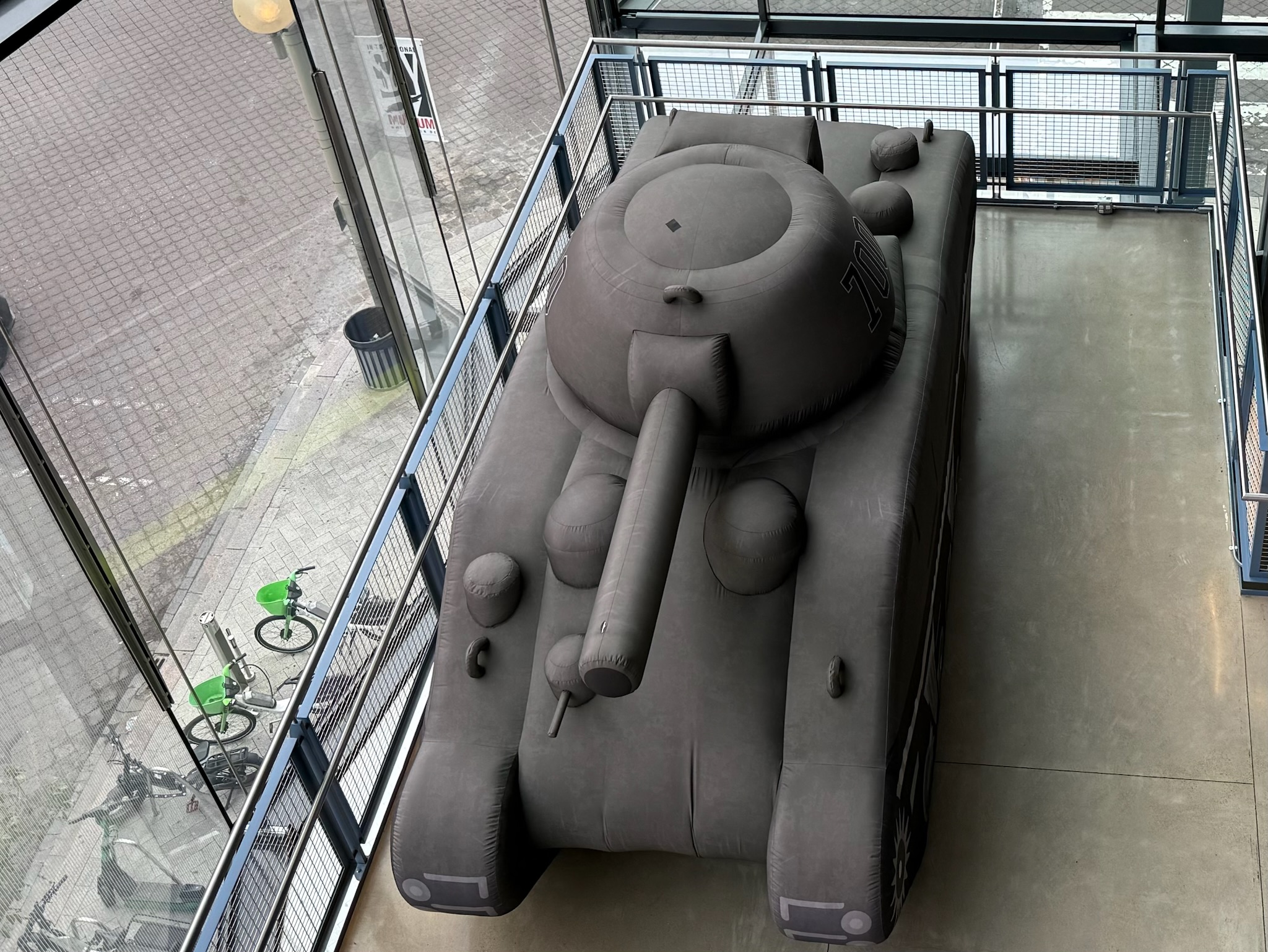
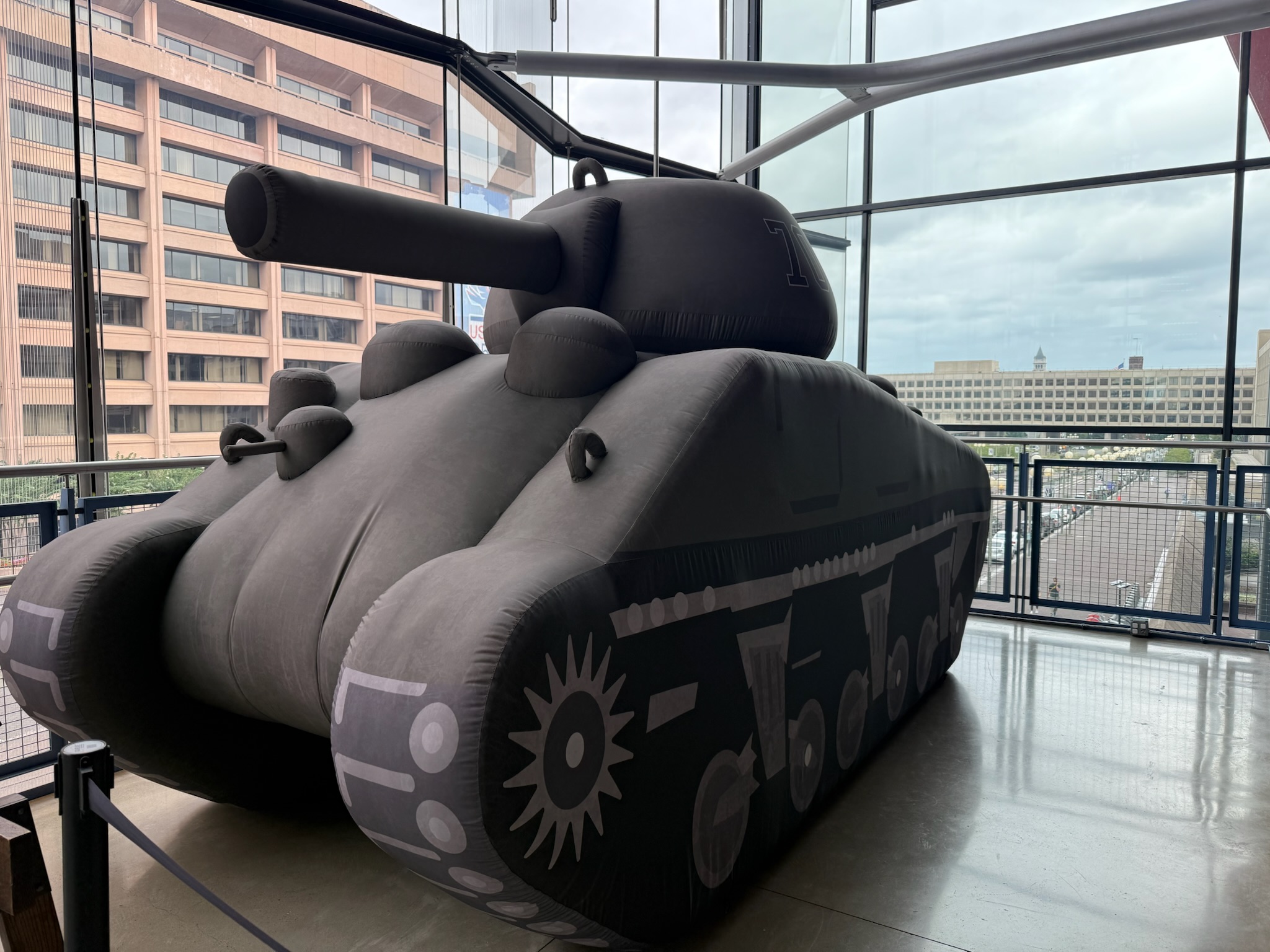
Another disinformation campaign was “phantom troops.” Prior to the D-Day Invasion at Normandy, the Allies fooled the Germans into thinking the invasion was going to happen in Dover by assembling fake military equipment — inflatable tanks and trucks, plywood airplanes, and empty barracks. They took the Nazis by surprise when they invaded at Normandy and not Dover.
To add to the confusion, on D-Day, they dropped hundreds of these burlap and sand dummies with cotton parachutes all over France, far from where the real paratroopers were landing. The dummies exploded on impact, making the trick less obvious.
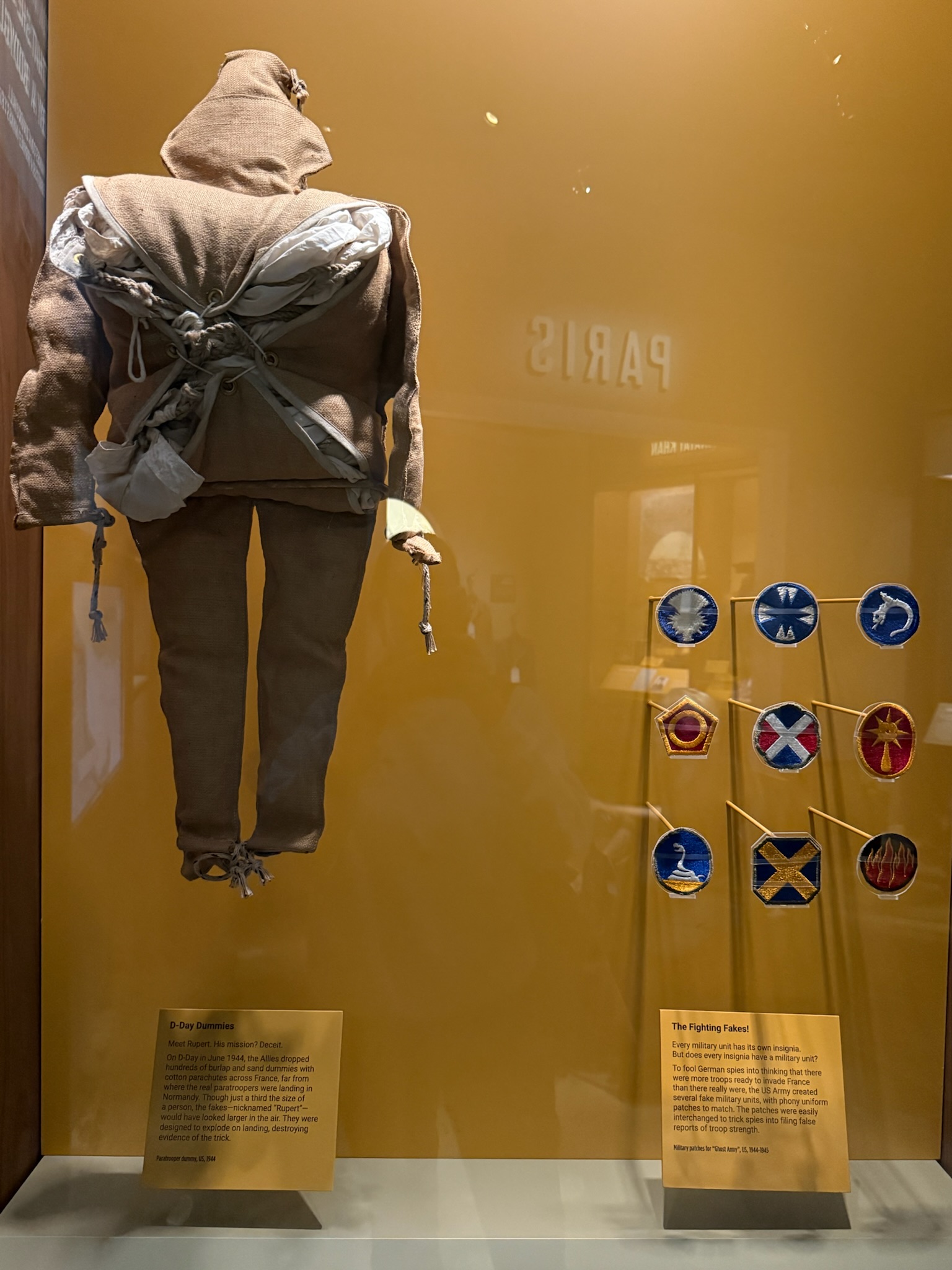
The “phantom troops” was a strategy utilized by the Allies for the remainder of the war. To be continued…