The National Air & Space Museum in Washington, DC – Part 5: Exploring The Planets & Nation of Speed

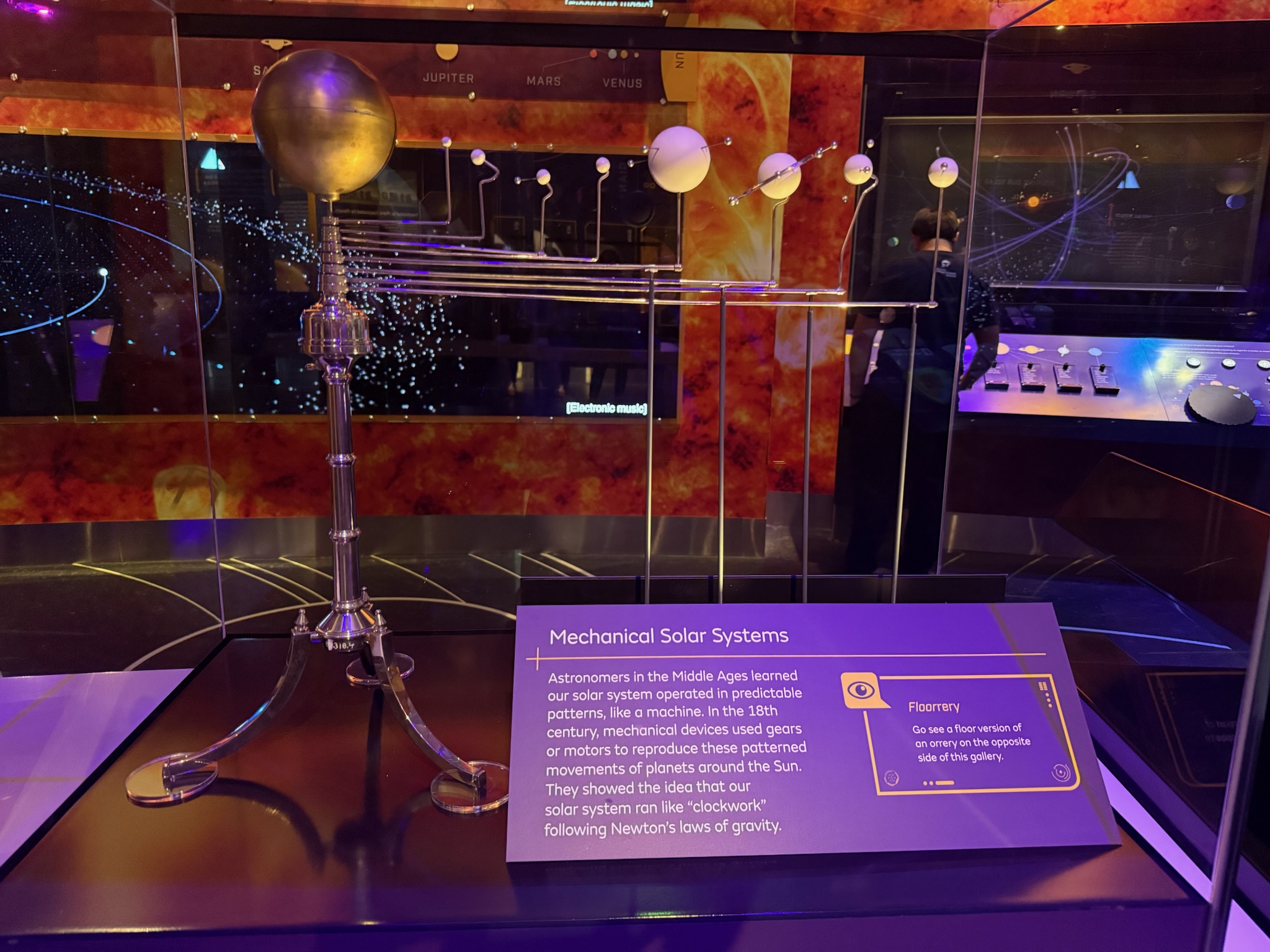
continued… When Pluto was discovered in 1930, the scientific community agreed it was a planet. In 1987, another very large object was found in the Kuiper Belt. Since then, over a thousand more objects have been discovered. While Pluto was the largest, one named Eris has more mass and also has a moon. In 2006, the definition of planet was altered to be a celestial body that: a. is in orbit around the sun, b. has enough mass for its gravity that it has (nearly) a round shape and c. has cleared other large objects from the region of its orbit. Pluto did not meet criteria C. A new category was created: dwarf planet, which Pluto met the criteria for. Eris was also categorized as dwarf planets.

New Horizons was the first spacecraft to explore Pluto and its moons. It revealed that Pluto and moon Charon have dramatic landscapes and altered surfaces that were surprisingly young. It has passed Pluto and is currently in the Kuiper Belt.

The last “real” planet in our solar system is Neptune, and before it is Uranus. Uranus was discovered in 1781 by William Herschel, Neptune was discovered in 1846 by Johann Gottfried Galle. Both are icy gas giants, which means they have small rocky cores, but the majority of the planets are made up mostly of gas and ices — so they don’t have solid surfaces. Both are blue/green in color, which comes from high concentrations of methane. Both have faint rings — Uranus’s has thirteen and Neptune has six.
Continue reading

The National Air & Space Museum in Washington, DC – Part 4: Pioneers of Flight and Exploring The Planets

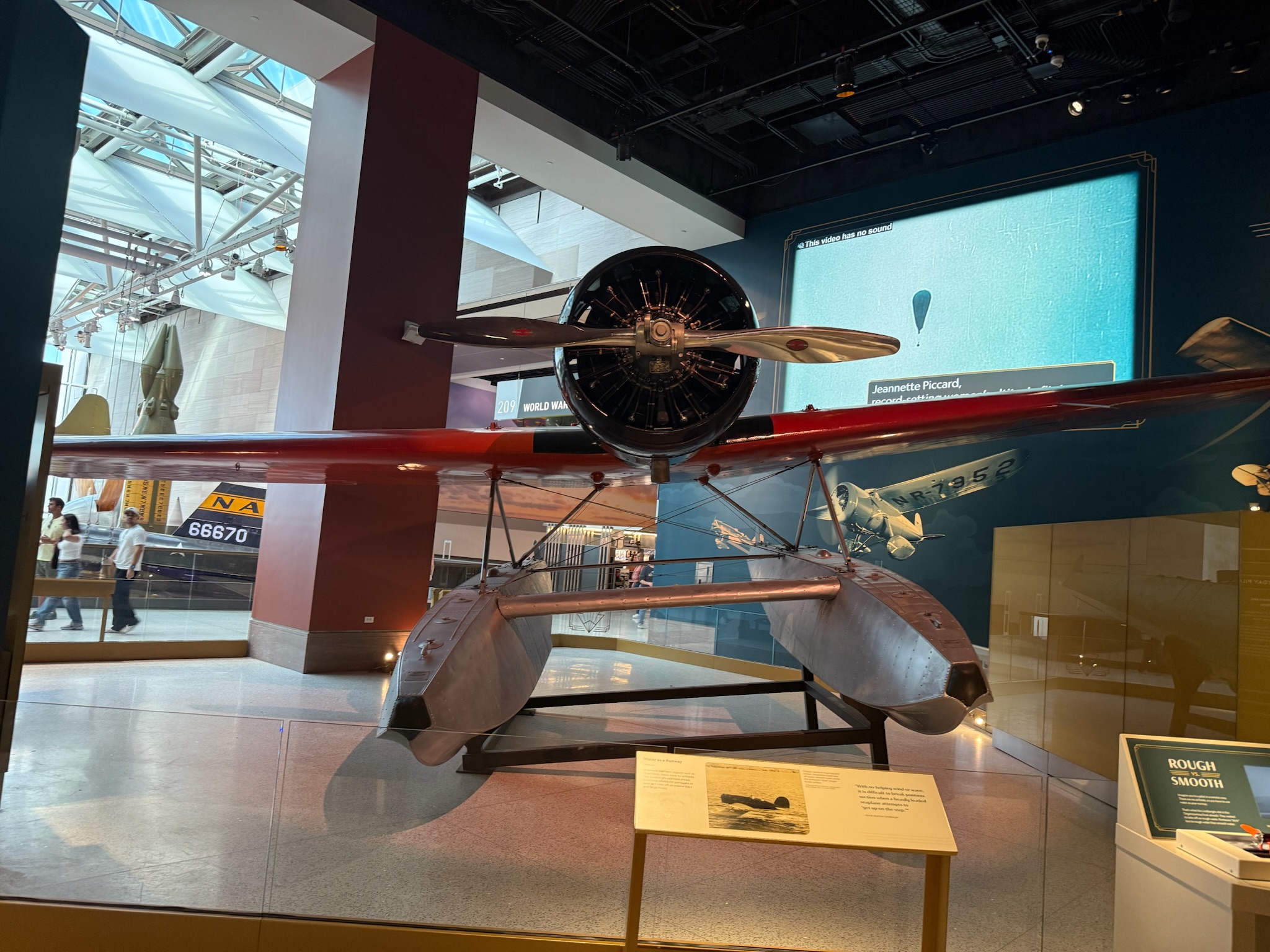
continued... Charles Lindbergh went on to set more records. The one that we found most notable was In 1931 and 1933, he and his wife, Anne, traveled in an airplane to five continents via never-before-flown routes. Ships supplied them with fuel and oil. They carried supplies to maintain and repair the plane and did the work themselves. They tried to plan stops where there was lodging and meals, but they often slept in the plane and ate canned rations. Sometimes, the landings were on a body of water and they’d spend the night anchored. When they knew they would be doing a water landing, they’d switch their wheels for pontoons.

Anne was one of the first women — maybe even the first — to get a glider pilot license in 1929. She earned her pilot’s license in 1931. He operated the radio (in morse code) and took over flying when Charles slept or took sextant sightings. We believe this was the Lindbergh’s plane.

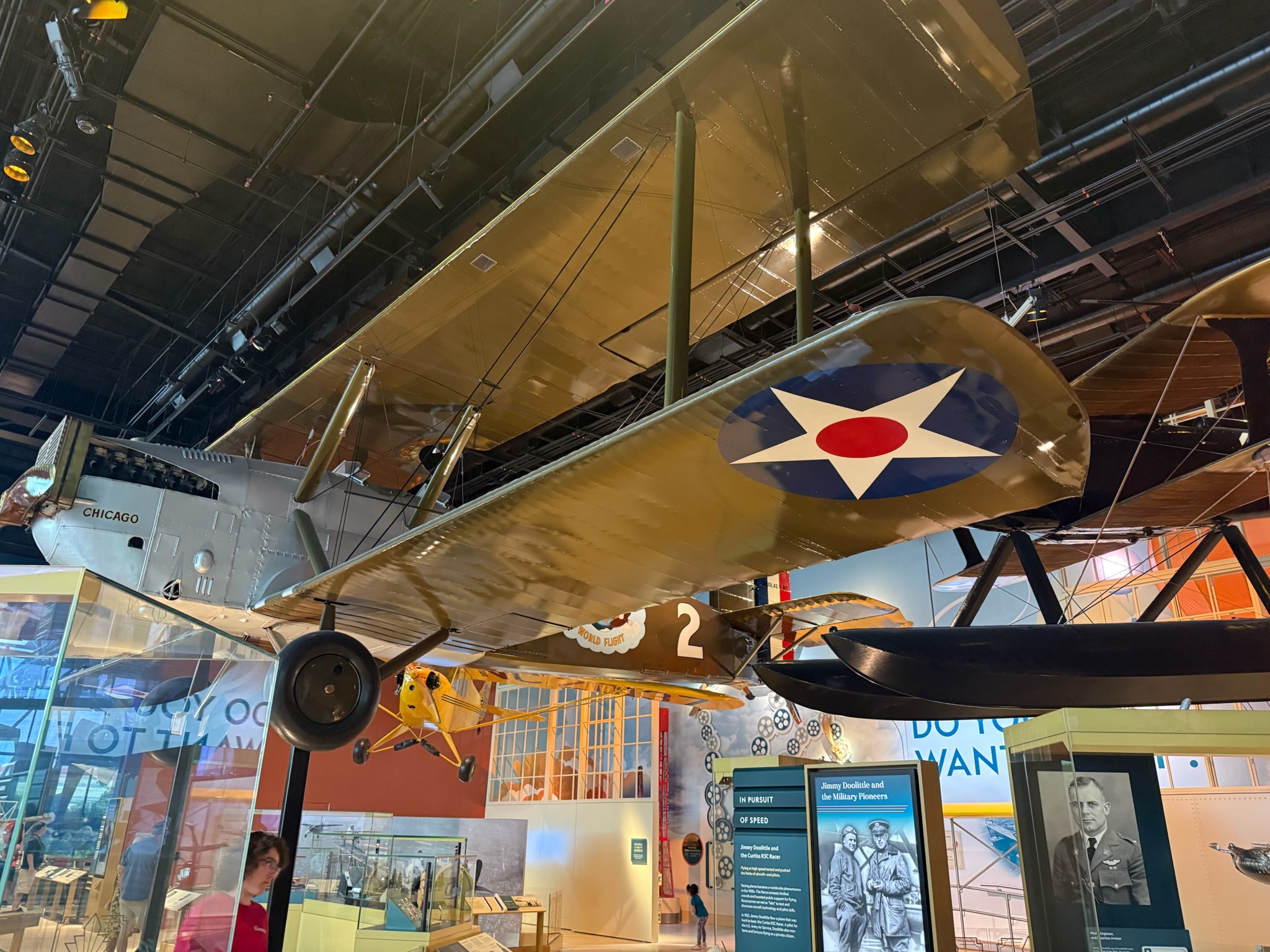
Another large display was about the US Army’s around-the-world trip in Douglas World Cruisers in 1924. The craft had originally been a torpedo bomber that had been modified after World War I. The goal was to prove that an airplane could make it around the entire globe and to show the value of the new US Army’s Air Service. They sent out four of these 2-seat biplanes, each with 2-men crews. Seventy-four landing sites had been pre-selected. US Navy escort ships followed below. At each landing site, the ship’s crews helped with maintenance, repairs, and refueling. The ships carried 35 replacement engines. Like the Lindbergh’s they often had to change back and forth between wheels and pontoons. The signs didn’t say how the Lindbergh’s managed to switch between the two, but for the Douglas World Cruisers, the ships would lift the planes out of the water with a crane. Two planes completed the 27,553-mile journey, which spurred global air travel and trade. We think this was the plane, but again, it was hard to match the planes hanging from the ceiling with the signs on the ground.

Continue reading

The National Air & Space Museum in Washington, DC – Part 1: The First Floor

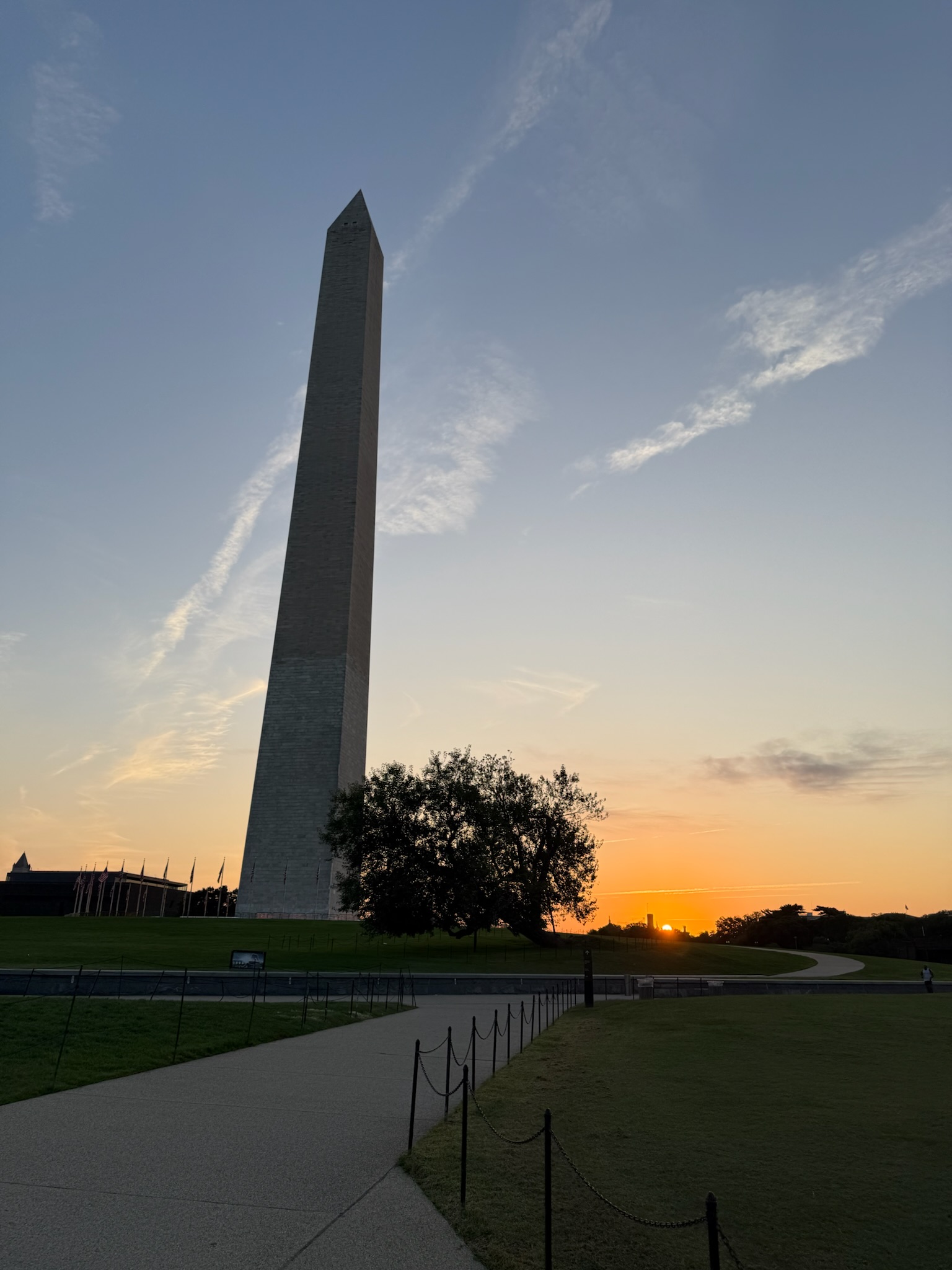
Monday, September 22 — Eric went for a run this morning to the Lincoln Memorial. He saw the sunrise behind the Washington Memorial.

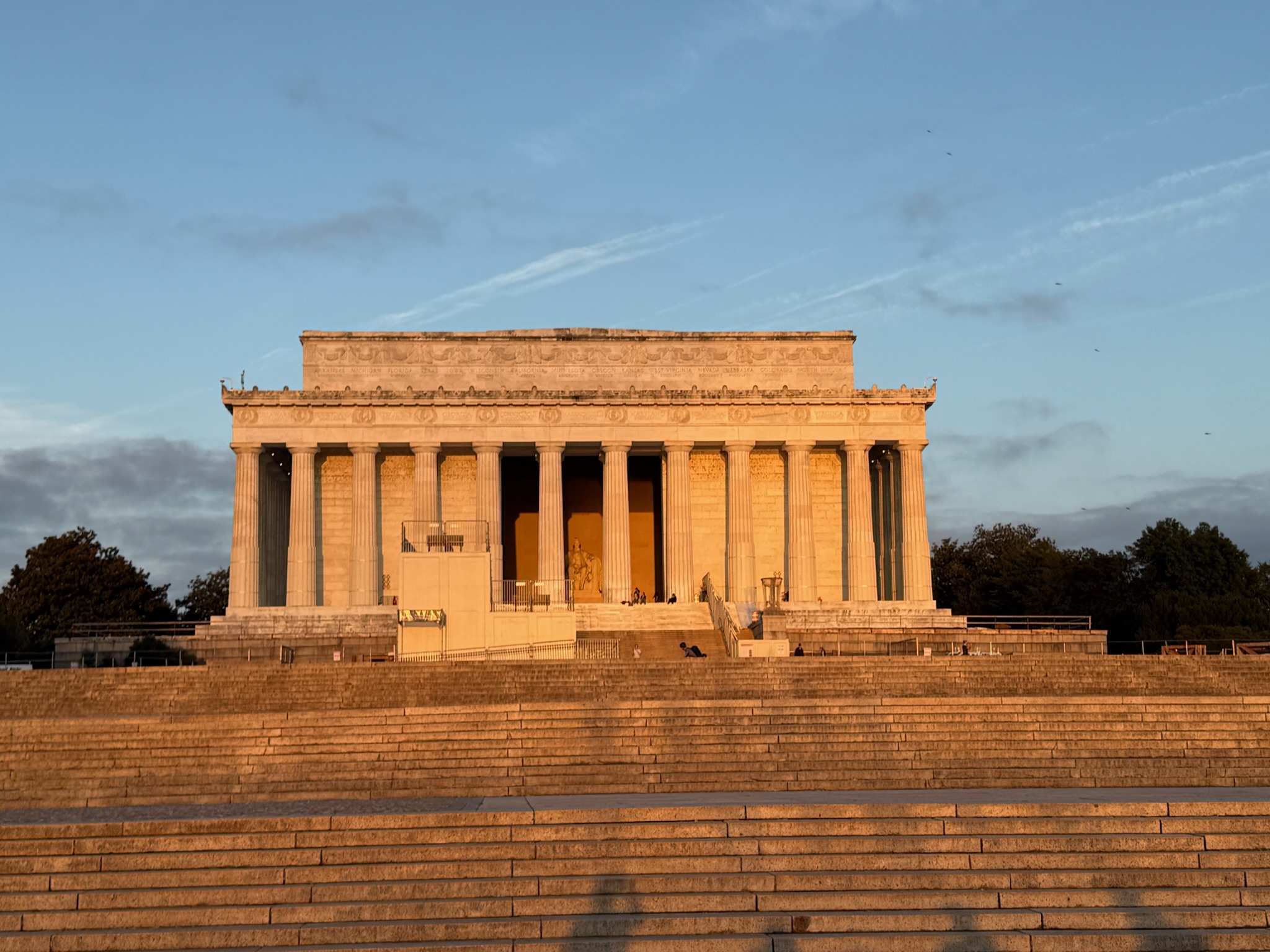
The Lincoln Memorial glowed in the early morning sun.

He went inside and said hi to Abe.

Continue reading

The Spy Museum in Washington, DC – Part 4

continued… In 1945, WWII ended and then-President Truman dissolved the OSS. But with the Cold War brewing, people convinced Truman they needed to peacetime intelligence agency to prevent another Pearl Harbor from happening. To try to garner public support, they even used the propaganda card by making a Hollywood film called “OSS” about the heroic actions of the OSS during the war. In 1947, Truman authorized the creation of the CIA, which was staffed by many OSS alumni.

The next section was provocative. “In a democracy, there is always tension between openness and secrecy. When people fear their country is under threat, they accept more security. When fears fade, they often demand greater transparency.” The first display was about Julius and Ethel Rosenberg. They were convicted of espionage in 1951 and later executed, based on the US governments assertion that there was indisputable evidence that the Rosenbergs had passed atomic weapon information on to the Soviets. However, the evidence was top secret and couldn’t be shared — while there was supporting evidence revealed in court, the jury convicted without seeing the allegedly most damning evidence. The execution was highly controversial, with many protests. In 1995, the evidence was finally released — it was captured and decrypted correspondence that proved that Julius was a Soviet spy. Whether he passed on information about atomic weapons and whether Ethel was a spy were less clear.

In the 1970s, there was a movement to expose the government’s extralegal activities. In 1971, a group broke into the FBI office and stole information about COINTELPRO, a secret counterintelligence program to infiltrate, monitor and disrupt social and political movements. Tactics utilized included wiretapping, forgery, searching homes, sending anonymous notes ad leading false information. The files were given to the press and published. The burglars were never caught. From 1975 – 1976, there were congressional hearings on the FBI and CIA operations, which led to reforms, including instituting a congressional oversight committee and the creation of the FISA court to review secret surveillance requests.

In 2013, government contractor Edward Snowden stole and leaked to the press 1.5 million classified files about secret US surveillance programs, such as PRISM, that violated people’s privacy rights by harvesting data from cell phones, land line phone, emails, texts, social media and more.

Continue reading

The Walters Museum in Baltimore, Maryland – Part 2

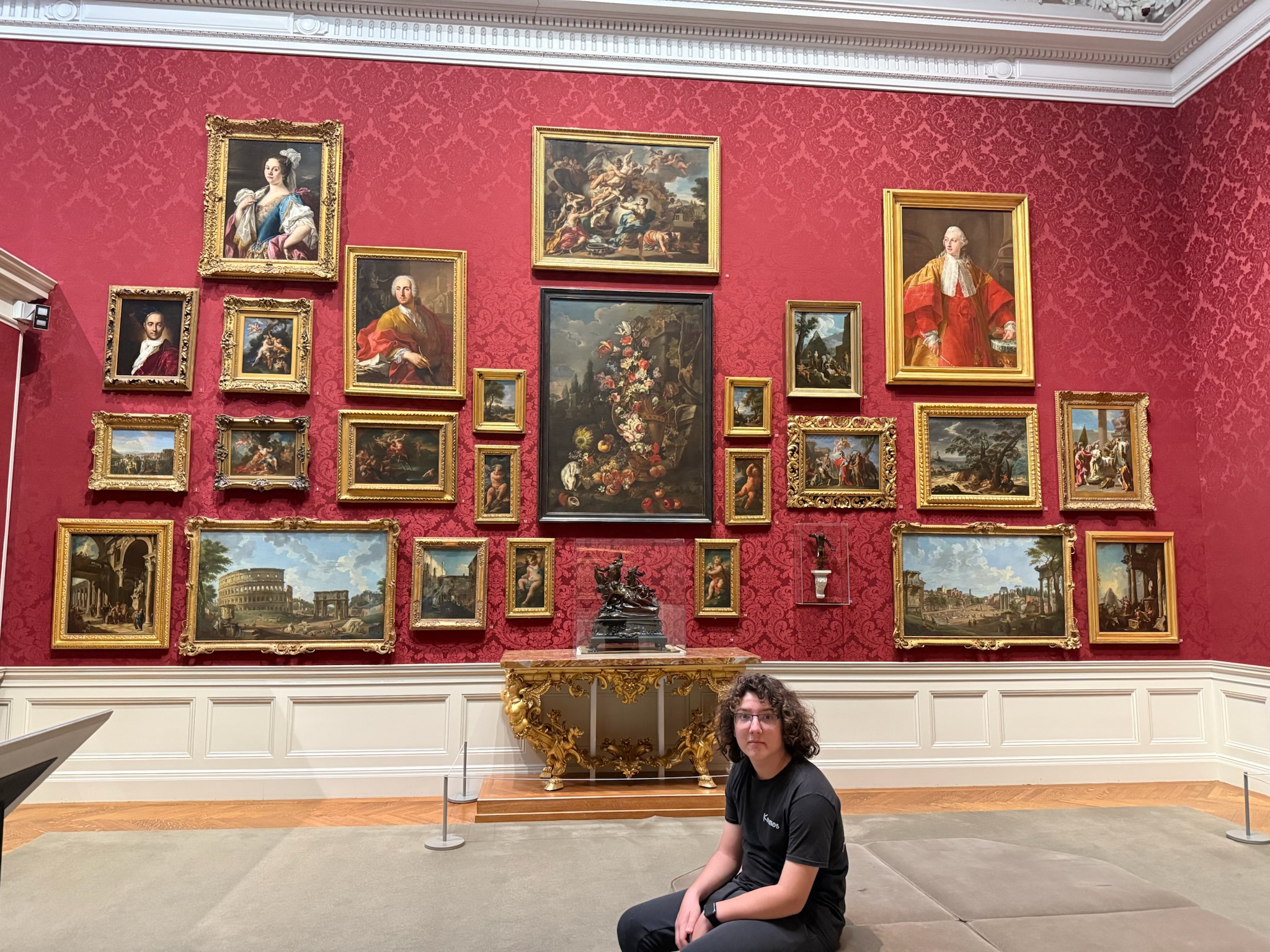
continued… The third room on the third floor of the Charles building was similar to the first two that we’d already seen: very large, spacious rooms filled with large paintings and some other types of art.

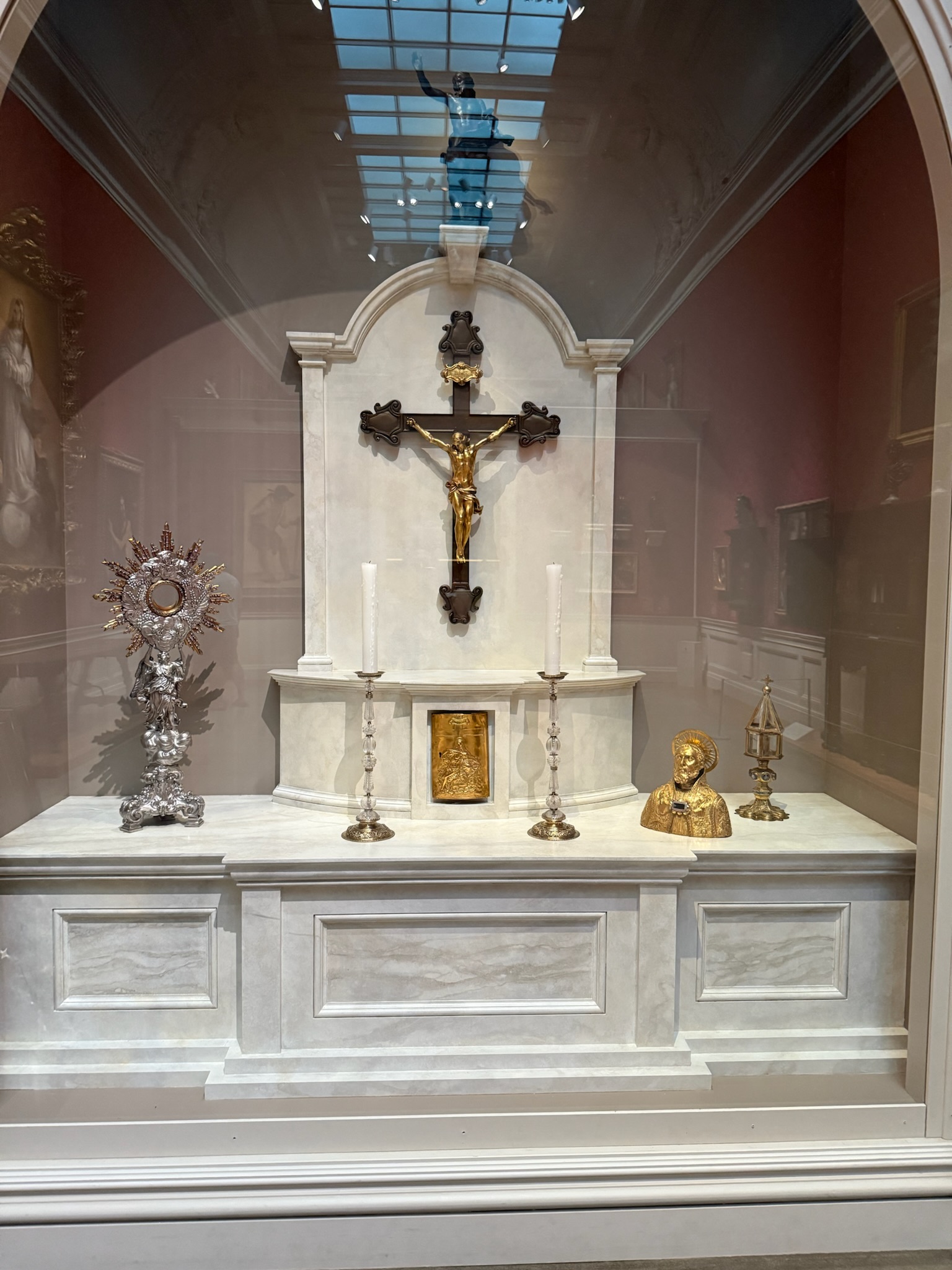
There were also exhibits in the walkway that ran along the perimeter of the courtyard below.

Continue reading