Introduction to Dungeons & Dragons (D&D)

Keith had to write a report for school on a topic of interest to him. We decided to post it so he can share it with the new potential players that he meets.

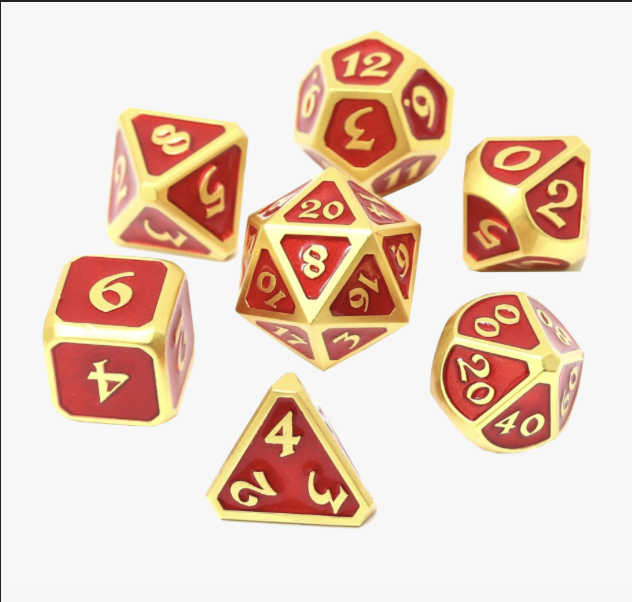
Dungeons and Dragons, known as D&D for short, is a strategic roleplaying game. There are a variety of things you can do in D&D. The entire premise of the game is that you are someone else, somewhere else. That someone else could be a dragonborn monk, an elvish wizard or an orcish ranger. The somewhere else could be a dark dungeon, a mighty forest, or the open ocean. 

The core part of D&D is rolling dice. For the ease of play, people abbreviate dice names. They call them “d” and then the number of sides there are on the dice. For example, a d6 is a six-sided dice. 

Continue reading

Keith’s Perspective on Our Last Week in Baltimore / Le point de vue de Keith sur notre dernière semaine à Baltimore

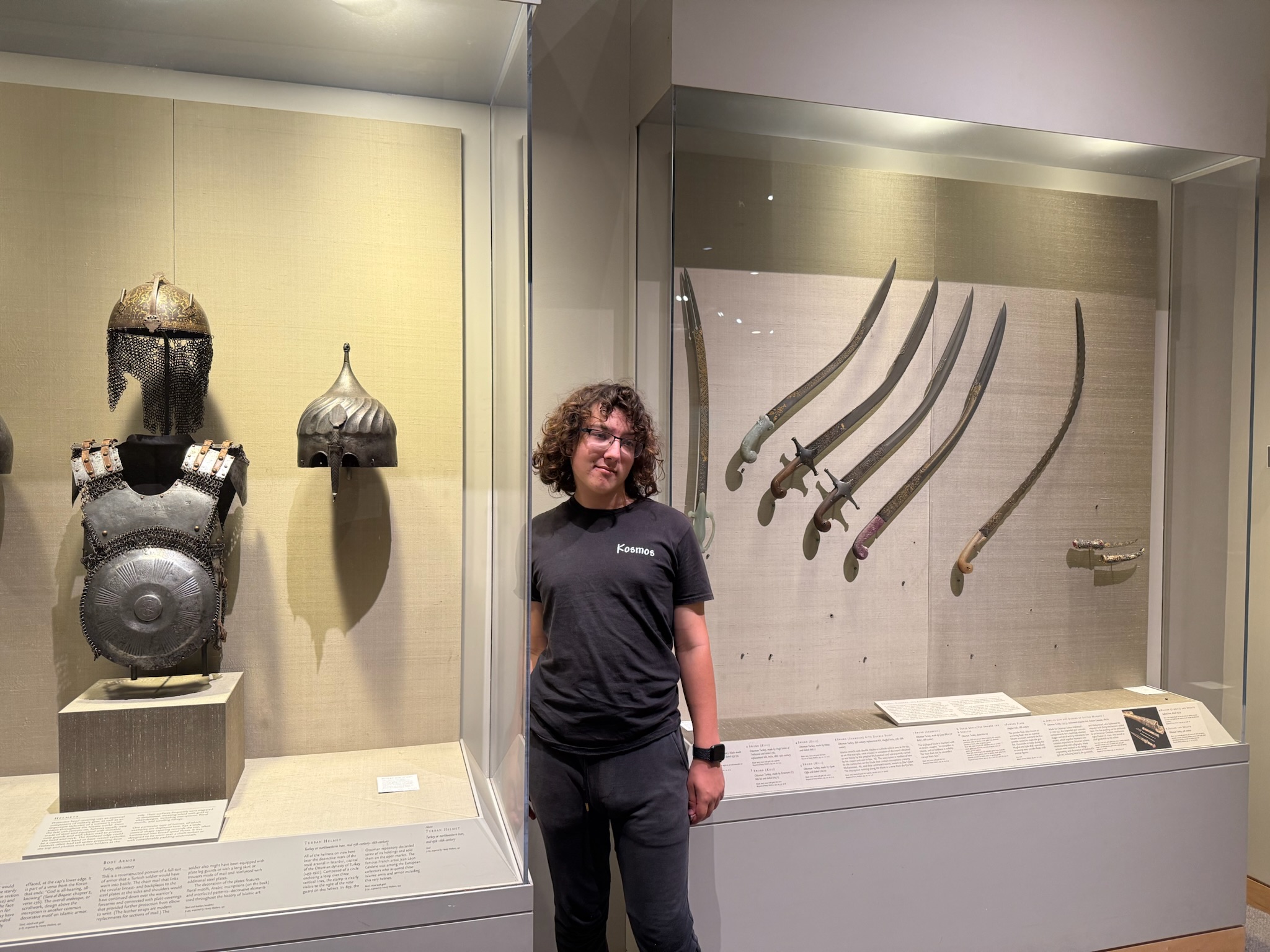
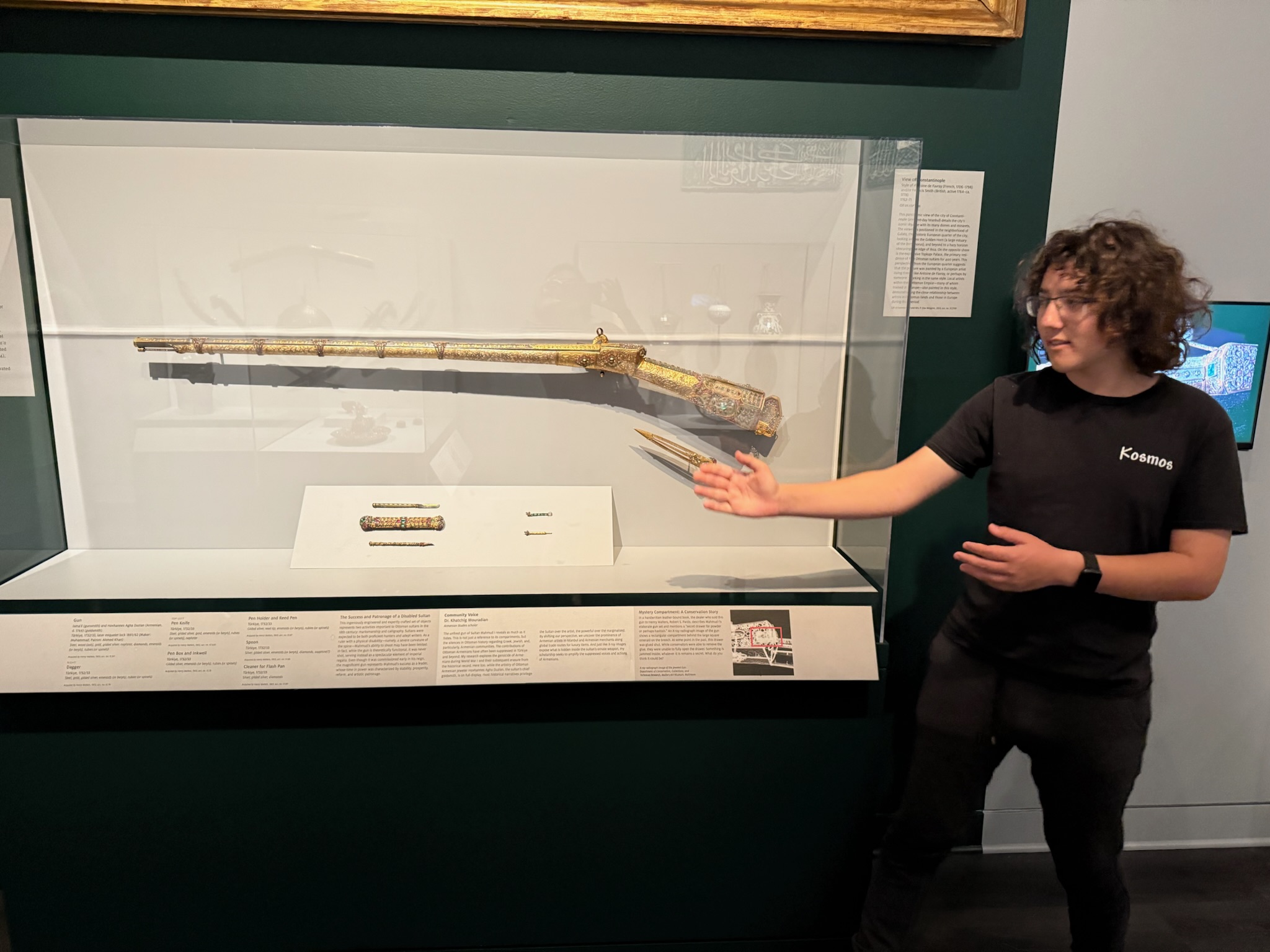
This week has been mellow. On Saturday, we went to the Walter’s Museum. It had lots of old paintings and a few old suits of armor and a few old weapons. I learned that Samurai armor includes a mask that’s kinda creepy. 

Continue reading

Keith’s Perspective on Baltimore and DC Museums and Memorials/Le point de vue de Keith sur les musées et les mémoriaux de Baltimore et Washington DC

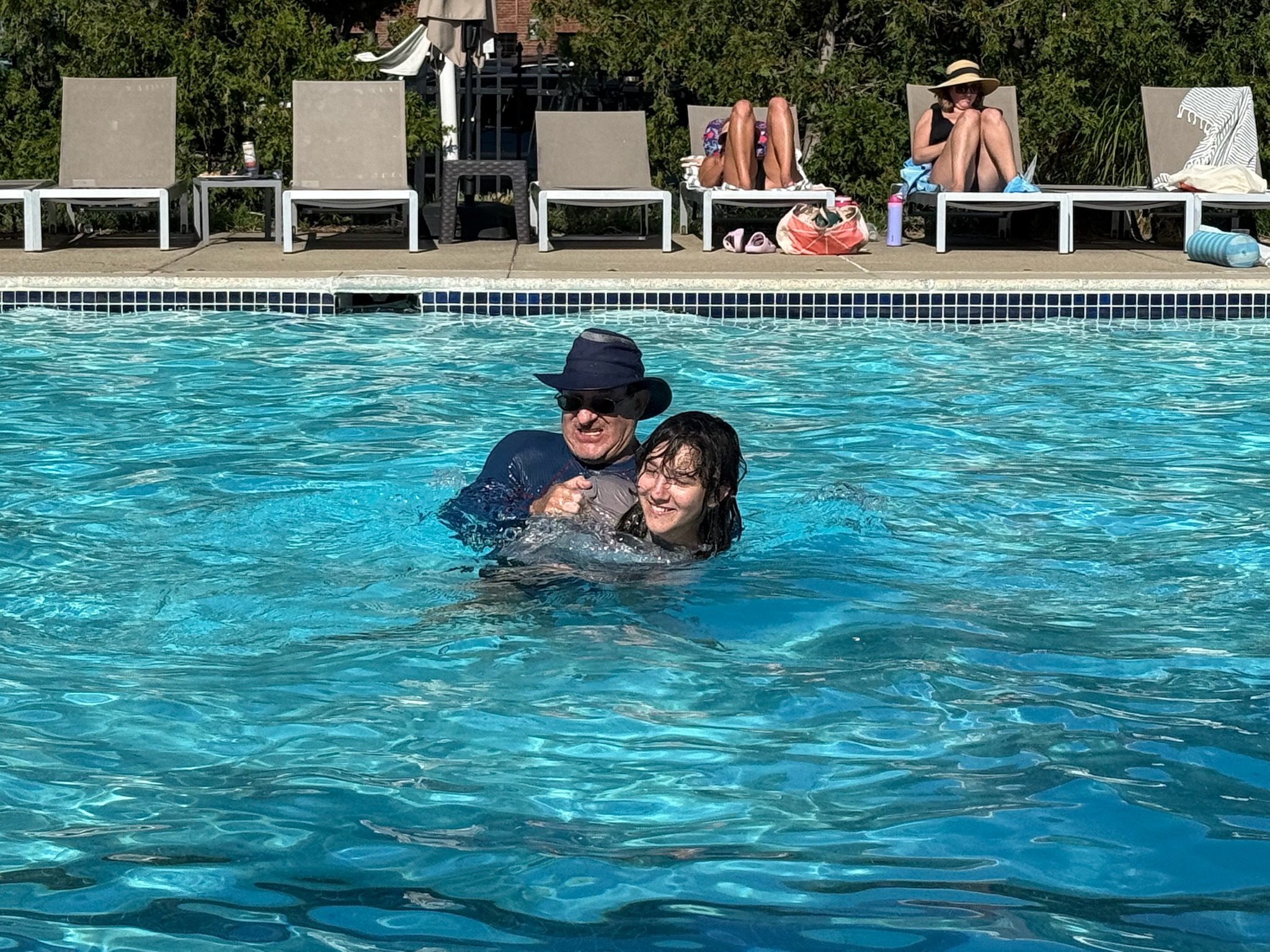
This week has been fun. On Saturday, we went to the marina pool. 

Cette semaine était amusante. Samedi nous sommes allés à la aupiscine de marina. 

On Sunday, we went to Washington DC by car just for the day. We saw a few of the monuments, and they were kind of boring. I learned that The Jefferson Monument is pretty far from the most popular monuments. We didn’t see the whole loop because dad and I were hungry and it was a long walk. After the monuments, we ate at a Shake Shack close to the marina that we’re going to stay in while we’re in DC. 

Continue reading

Keith’s Perspective on Our First Week in Baltimore/Le point de vue de Keith sur notre première semaine à Baltimore

This week has been fun. On Saturday, we went to the coffee place and got drinks, then I did tutoring. After tutoring we left for Baltimore. The passage was a little bit rough at the start, but it calmed down. On Sunday, we arrived in Baltimore. We ate at a restaurant called Pussers, then rested for the rest of the day. 

The complex that the marina was in

Cette semaine était amusante. Samedi nous sommes allés à un café pour prendre des boissons, puis j’ai fait le tutoring. Après ça nous sommes partis pour Baltimore. Le passage était un peu agité au départ mais l’océan s’est calmé. Dinanche nous sommes arrivés à Baltimore. Nous avons mangé à un restaurant qui s’appelle Pussers, puis nous nous sommes reposés le reste du jour. 

Continue reading

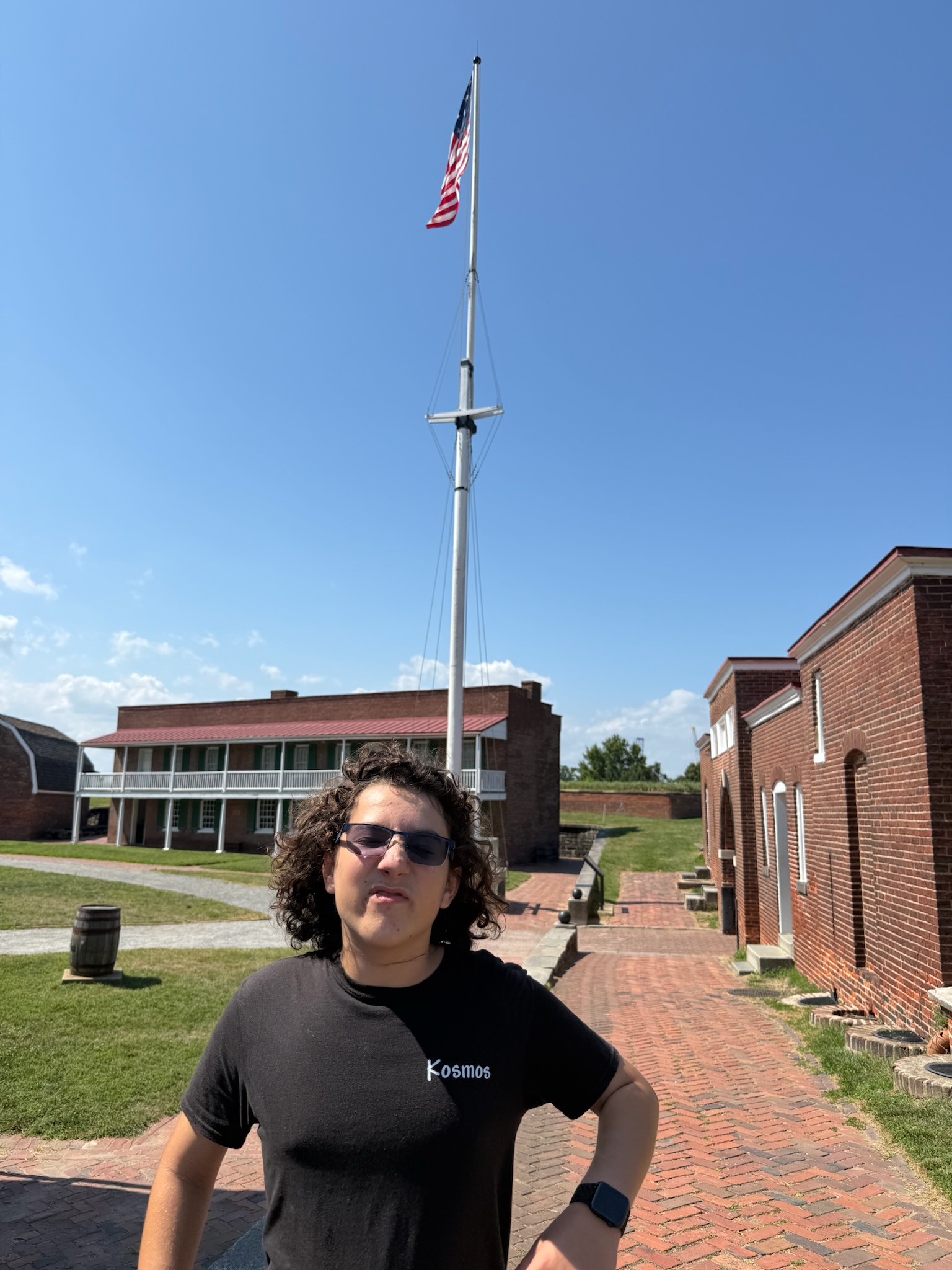
Fort McHenry National Monument and Historic Shrine, Part 1

continued… After the film, we pursued the small exhibit area in the visitor’s center. They had a timeline of events that occurred between 1777 and 2014. Many of the events they chose to highlight were tied to the American flag in some way, such as a few times there were changes to the number of stars, and when laws banning defamation of the flag were passed and then repealed by the Supreme Court. But many of the events highlighted were odd choices, such as the US winning the 1980 winter olympics.

There was an exhibit on The War of 1812 that probably took up half of the display area. We found out that near the start of the war, the Americans had executed a three-pronged attack on Canada, where they won some battles, but lost battles in the most strategic locations. The British attacked the US east coast to draw the US forces out of Canada. In 1814, the British won the war they’d been fighting against France, freeing up more troops to focus on the war in America. They created a naval blockade along the entire coast, damaging America’s commerce and keeping American warships contained. While reading the signs, we remembered that Moses Myers had gone bankrupt as a result of the economic hardship from this blockade.

In 1814, the British were especially aggressive in the Chesapeake, destroying ships filled with valuable cargo, destroying supplies, looting and destroying properties, and waging bloody battles. The British were also offering freedom to slaves who ran away and joined the British troops. The sign in the visitor’s center said about 2,600 slaves took the offer. A different sign at another part of the museum said that 200 slaves joined the British military and 4,000 slaves had run to the British to be resettled, so we’re not sure which set of signs was correct.

Much to the Americans shock, the British burned Washington DC. American leaders hadn’t thought the British would bother with DC, so it was poorly protected. The president and other government officials barely escaped, but they did manage to take some valuable documents with them, such as the Declaration of Independence.

Continue reading