The Exhibition Hall in the Capitol, Washington DC – Part 2

continued… There was an exhibit about notable addresses to Congress that took place here in the Capitol. Interestingly, John Adams, who was president in 1800 when the Capitol opened, was the first and last president to speak to Congress in person in a joint session (meaning both the Senate and House legislators were in attendance) in the Capitol for over 100-years. Woodrow Wilson restarted that tradition of in-person communication in 1913. In the interim, the president simply addressed the legislators in writing.

The first foreign dignitary to address congress was the Marquis de Lafayette in 1824, though he addressed each chamber separately instead of having a joint session. The first foreign head of state to address Congress in a joint session was King Kalakaua of Hawaii in 1874. In 1939, King George VI became the first reigning British monarch to visit the US. His successor, Queen Elizabeth II of England, came to the Capitol several times, and the Pope came once in 2015. Other notable leaders were Russian President Boris Yeltsin, who came only six months after the collapse of the USSR and British Prime Minister Winston Churchill, who visited three times.

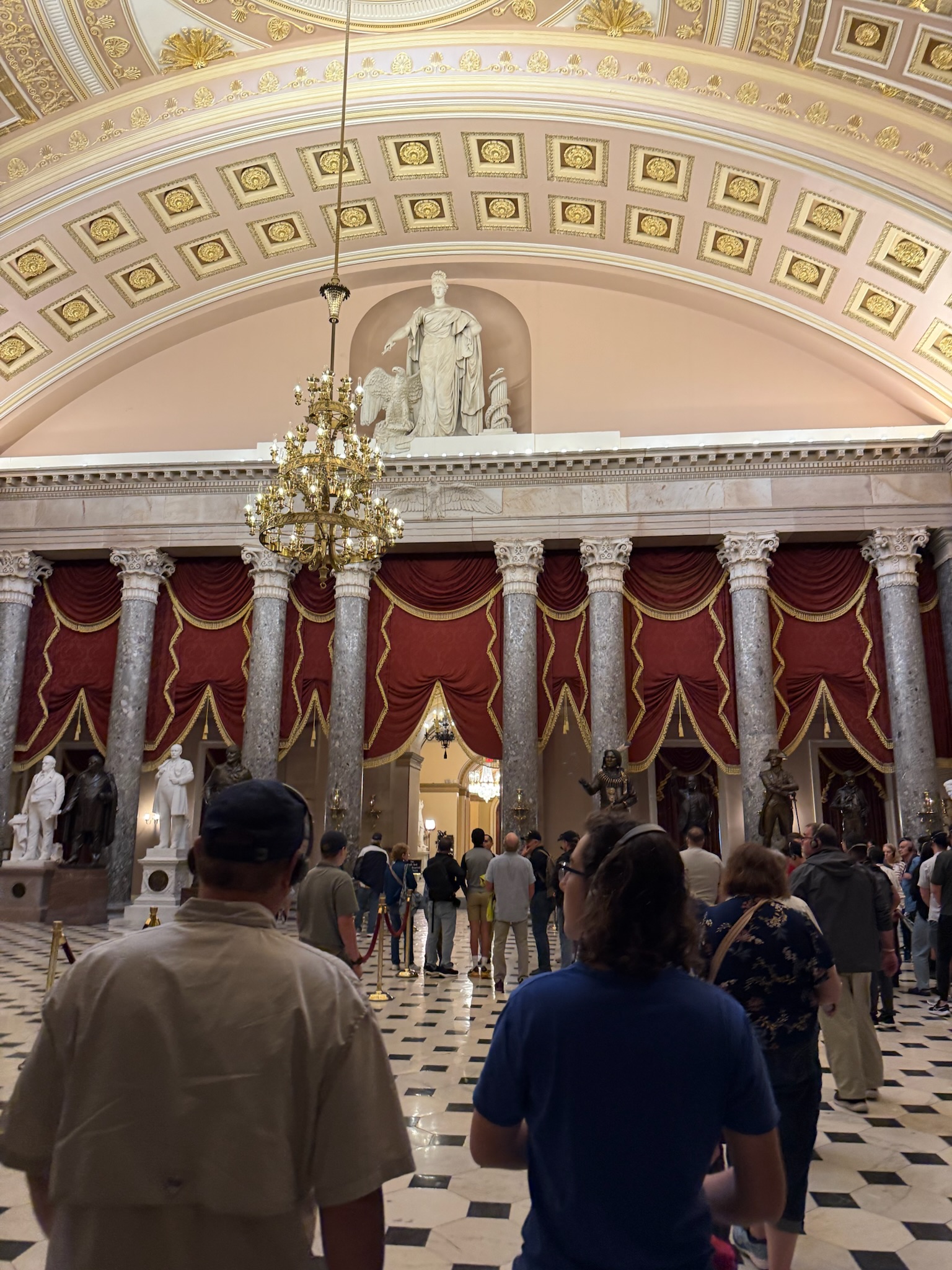
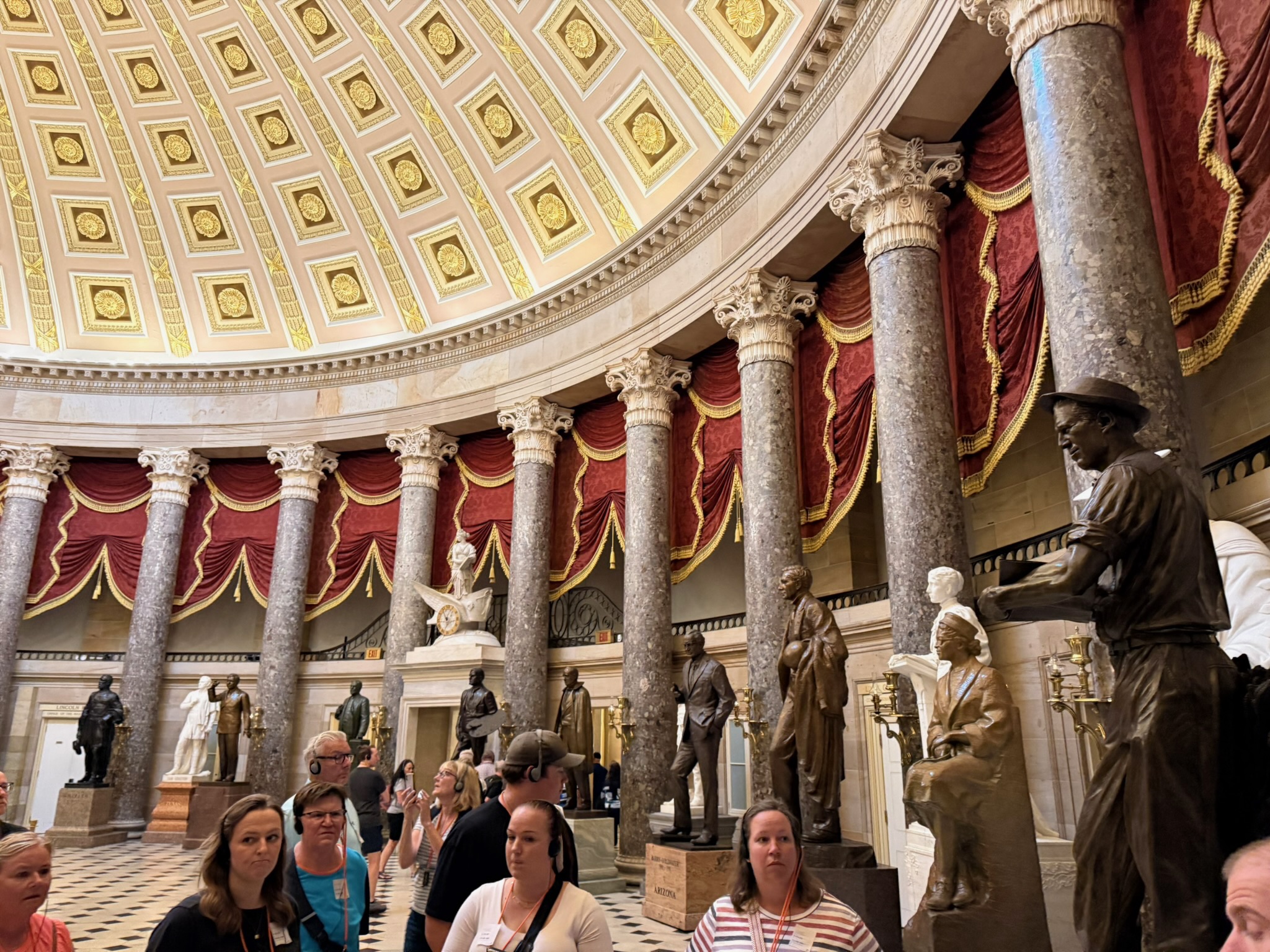
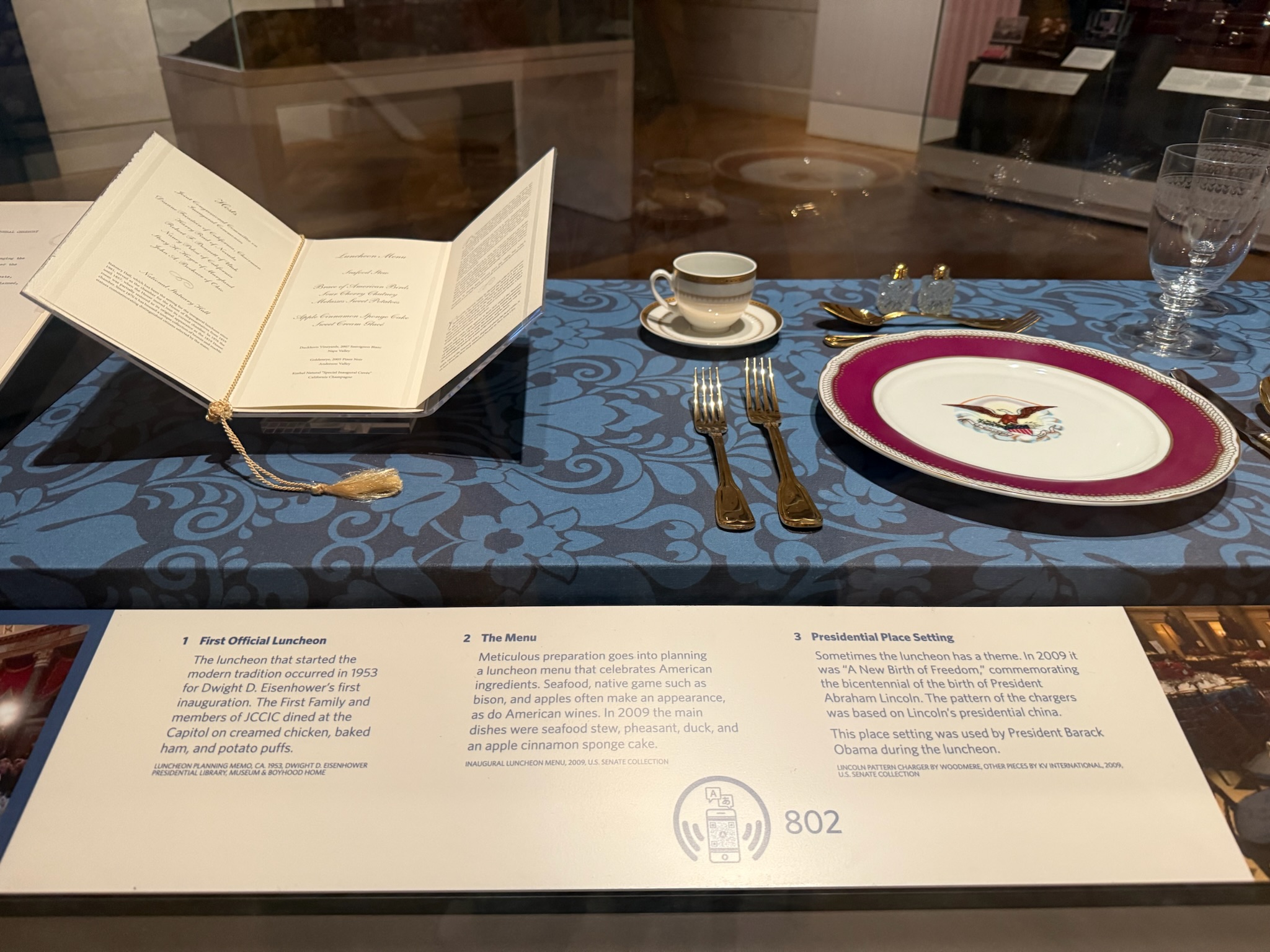
As previously mentioned, presidential inaugurations were conducted here. There was a display about how the exact location has changed over the centuries (going from inside to outside, then from the east side to the west side), the extensive logistics to prepare for the event, what they do in inclement weather, etc. What we didn’t know was that there was a luncheon held in Statutory Hall afterwards. With only 232-seats, It was the “the most exclusive event in Washington.” Only the legislators in leadership and on the inauguration planning committee, the vice president, former presidents, and special VIPs were invited. The tradition began in 1953 with Dwight Eisenhower.
Continue reading

The Exhibition Hall in the Capitol, Washington DC — Part 1

continued… The next exhibit was about the building itself. As we had briefly mentioned earlier, the original structure was planned in 1791, construction started in 1793, and was completed in early 1800s… when the country had 16 states and 5.5-million people. By 1850, there were 32 states and the population had exploded to 23-million. Both the House and Senate had outgrown their chambers, so they decided to add grand extensions onto the original wings. The House moved into its new chambers in 1857, and the Senate moved into theirs in 1859. The old dome was replaced with the current dome as a part of this expansion project. By the beginning of the 20th century, the legislators ran out of space yet again. The first House and Senate office buildings were opened across the street in 1908 and 1909, respectively.

Fun fact: Originally, the name for the building was going to be Congress House, but then-Secretary of State Thomas Jefferson insisted on Capitol, wanting the gravitas of Ancient Rome’s Republic and its Capitoline Hill.

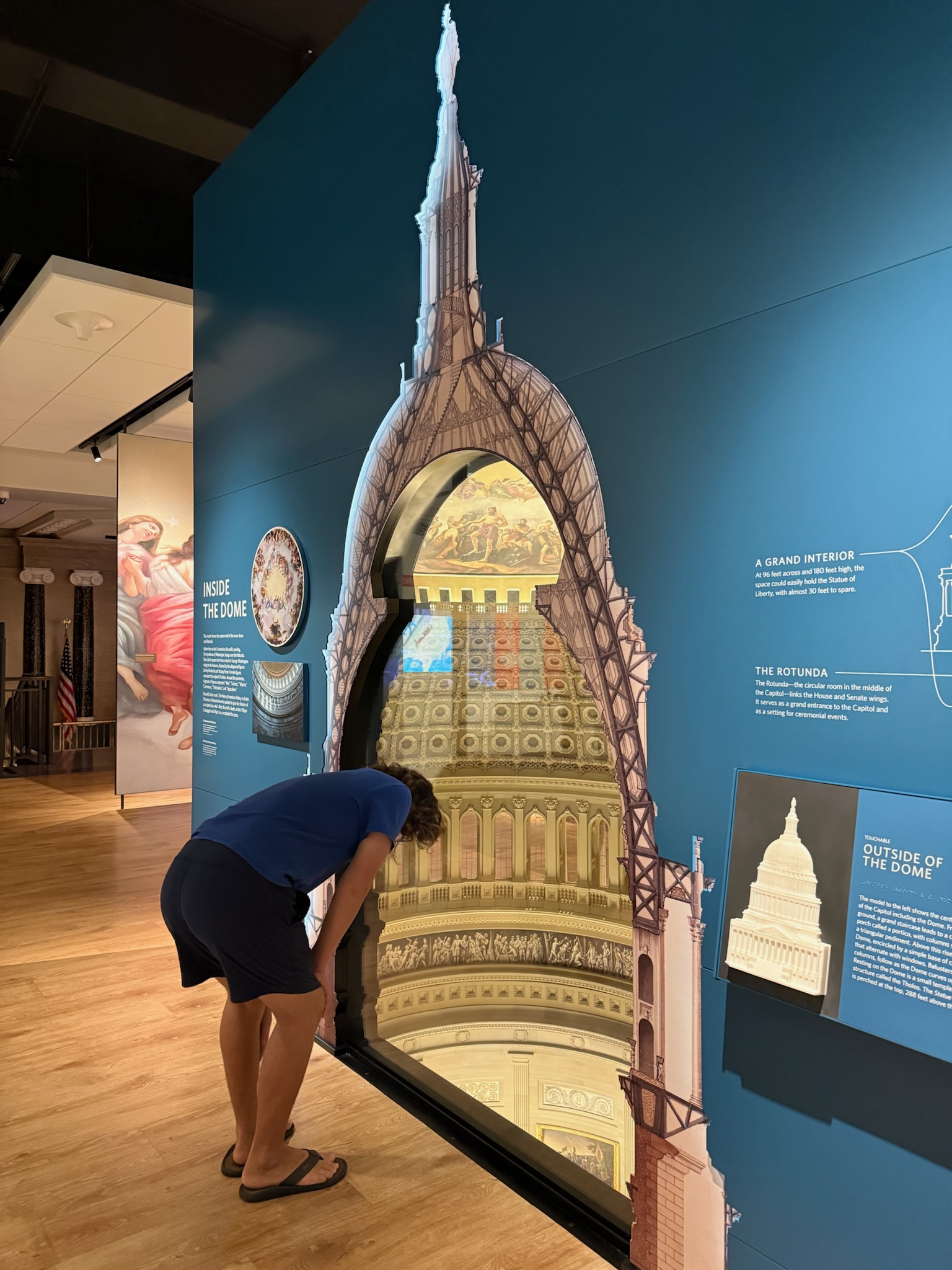
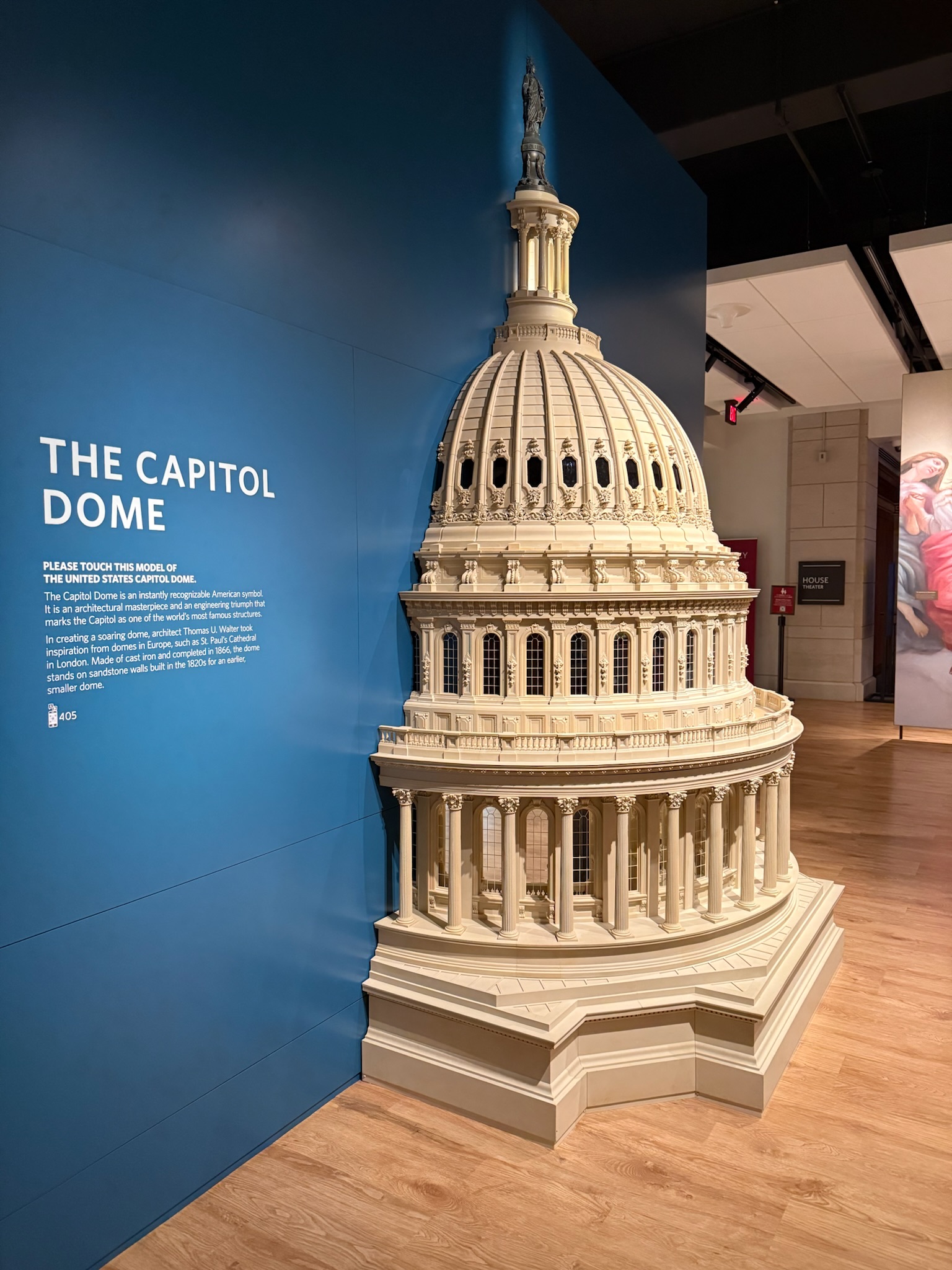
The display about the dome gave a lot of details about the structure. Architectural enthusiasts would probably find the display fascinating as it was something of an engineering feat. We found this model of the dome to be a clever and unique presentation format.

It was cool to be able to peer inside the model to see what it looked like on the inside when standing on the ledge between the friezes and octagonal panels.

Continue reading

Tour of Congress, Washington DC

Thursday, Sept 25 — Several weeks ago, we’d booked tickets to take a tour of Congress for today at 1020. The confirmation had said to arrive at least a half-hour early for the security screening. Since ride shares were so much faster and easier than the free shuttle or Metro, we hailed a ride share and were dropped off in the east side of the building near the Visitor’s Center entrance at 0945. Much to our surprise, the entrance was underground.

When we arrived, there were only a few people in the line to enter the building. But within one minute, a large group of high school students arrived, and the line was suddenly very long. Talk about perfect timing! We were through the security check within a few minutes. Once waved through, we had no idea which way to go. Someone asked us if we were there for a tour. When we said yes, he directed us to take an escalator up to the next level.

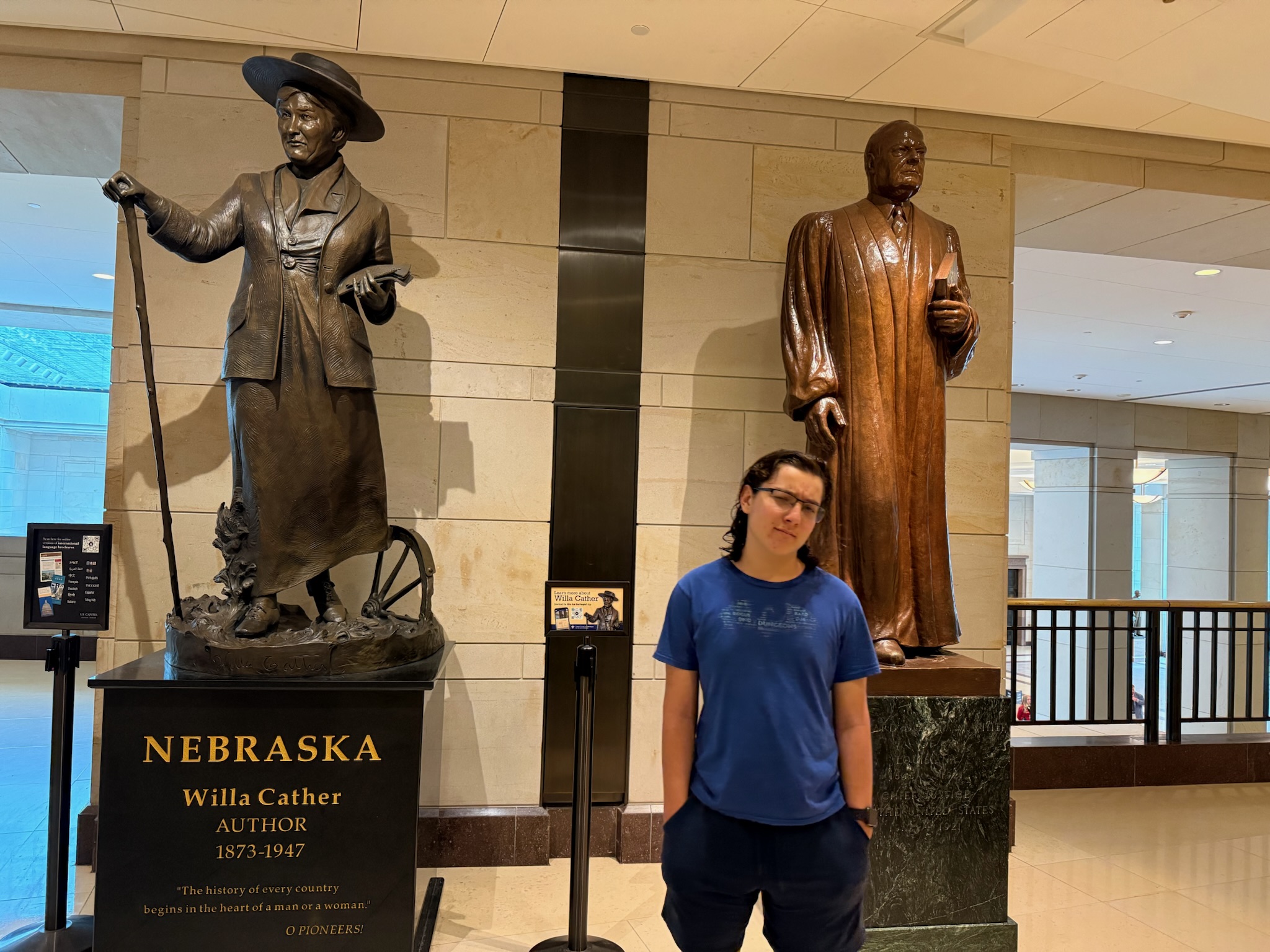
We came to a large room dotted with statues. Each statue had the name of a state on it. We later found out it was called The Emancipation Hall.

The guy to the right was Edward Douglas White of Louisiana, who was a lawyer, state legislator, US Senator and Chief Justice of US Supreme Court.
Continue reading

The National Postal Museum and Union Station in Washington DC

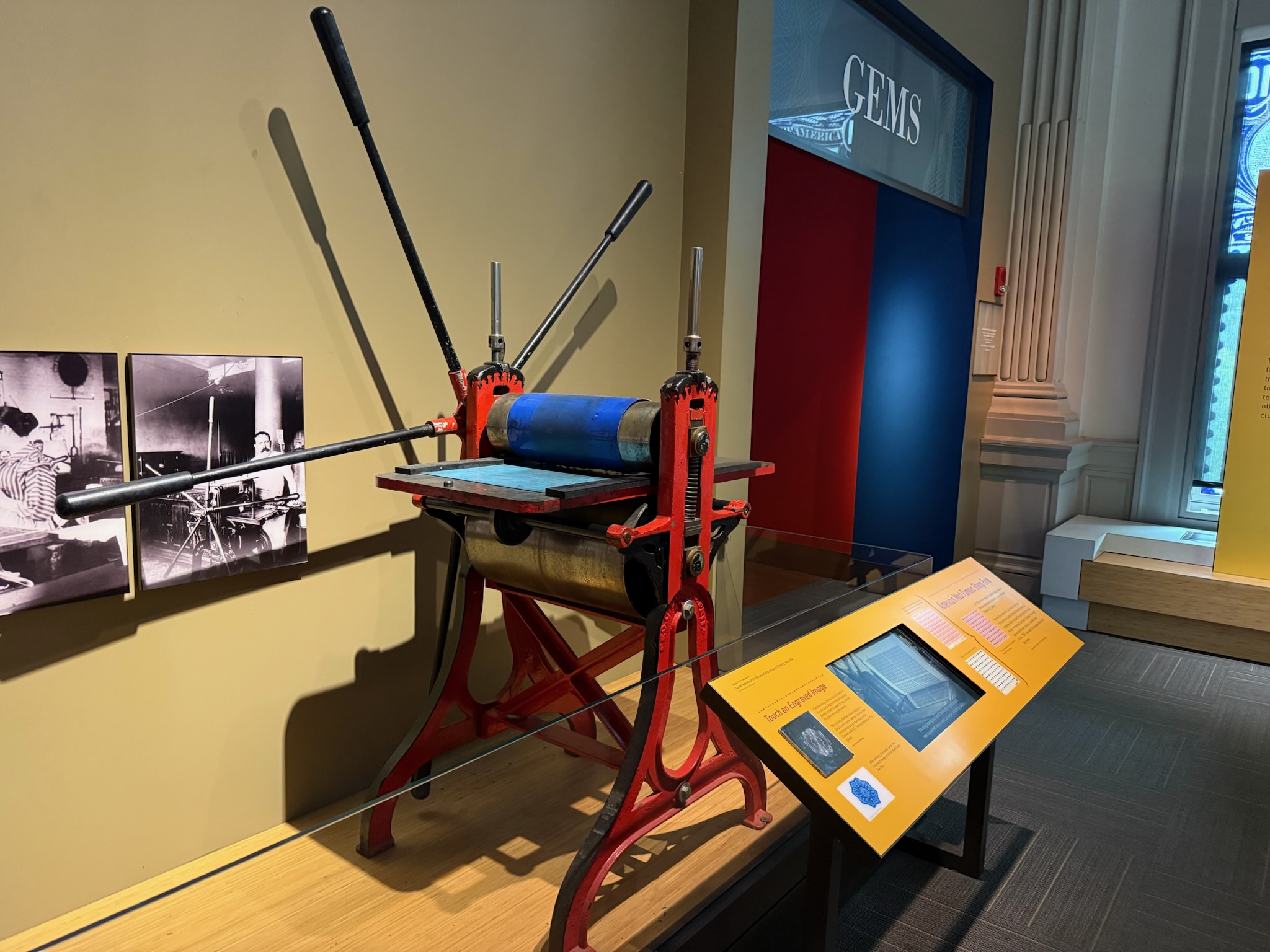
continued... Prior to the early 1900s, stamps were printed on small hand presses called a Spider Press.

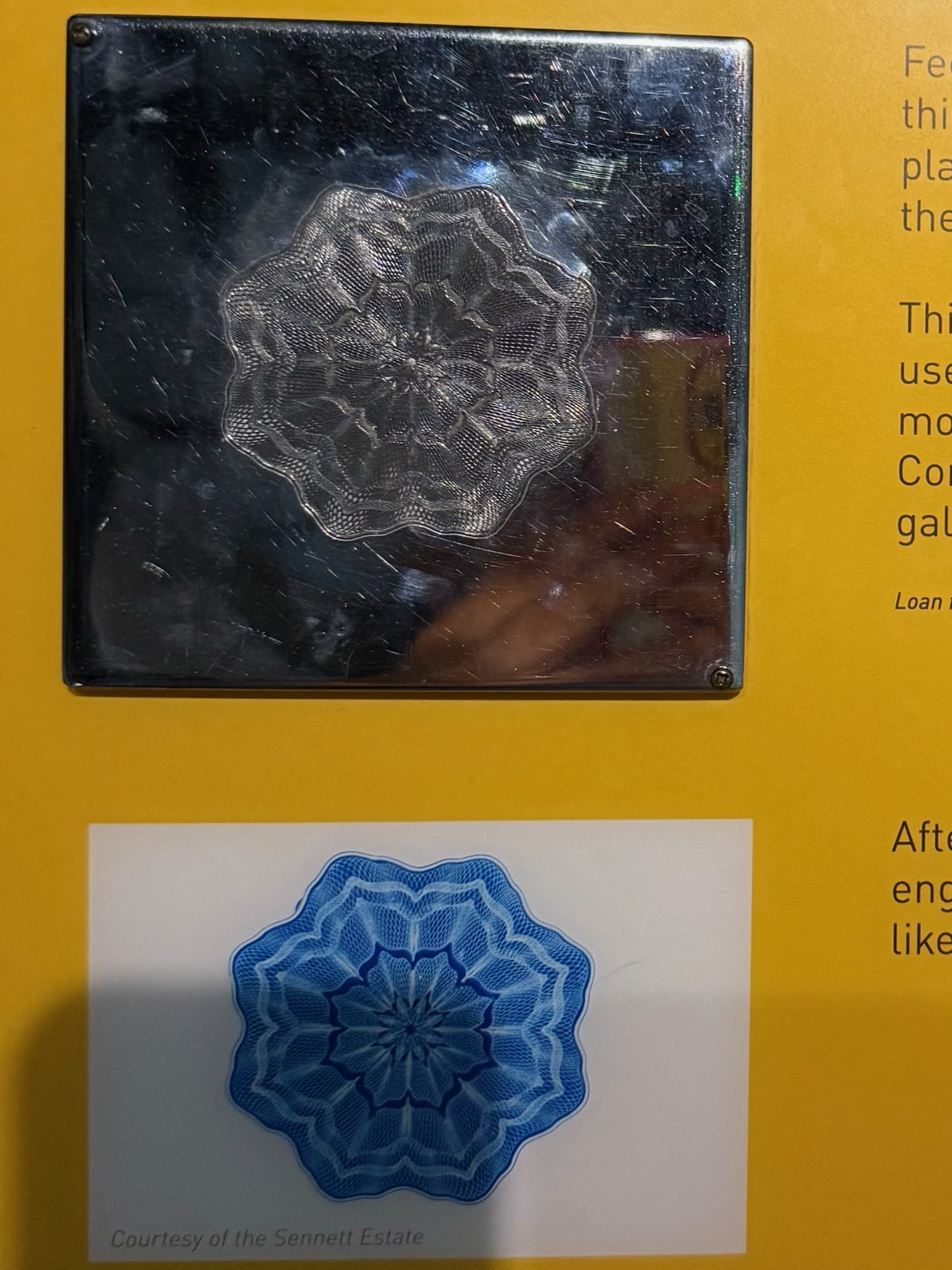
They utilized flat plate presses with recessed engraving to create a sharp image. They usually had fancy frames and were 1 – 2 colors. They could only utilize one color at a time, so the multicolored stamps had to be impressed separately with each color. This led to considerable variation among stamps and some errors. These early stamps with errors were some of the most valuable to stamp collectors.

Continue reading