The National Postal Museum in Washington DC – Part 3

continued... As we learned in Yorktown, after declaring independence back in 1776, the Continental Congress worked on forming a central government as the war raged around them. By November 1777, they had adopted The Articles of Confederation, which was the first constitution of the US. The states were sovereign entities and the national government had extremely limited powers. One of the few powers the new federal government gave itself was to create a central postal system.

By 1787, it was clear the new government wasn’t working out because of the severely limited ability to function. This was when they began drafting the current Constitution and Bill of Rights. The first amendment in the Bill of Rights was as much about protecting mail service from censorship as protecting dissenters, journalists, etc. From what we gathered, it sounded like during the interim years, the Post Office just kept running as it had been since it was created in 1775. In 1792, legislation specific to the Post Office operations was finally passed. Back then, news was most commonly spread through the mail. Congress understood that mail and newspapers were both critical components that made the engine of the Republic run. Congress decided that rates for newspapers would be lower than letters in order to help facilitate the spread of information. Back then, newspapers were often only one letter size page. Because the letters were subsidizing the newspapers, letters were expensive to mail. Congress also forbade Postal workers from opening mail unless it was undeliverable as addressed. While the contents were still considered private, the workers could try to discern from the contents where the letter was supposed to go.

In 1800, the Post Office began using the “hub-and-spoke-system” that is still in use today. Certain post offices were selected as distribution centers, where mail for large areas was processed and sent on.

When gold was discovered in California in 1848, getting mail to/from California became a priority. The Post Office contracted with several shipping companies. Some ships went all the way around Cape Horn, but the faster service was by splitting the route up: Ships on the east coast going between the US and Panama/Nicaragua, an intermediary to carry the mail across the isthmus, and ships on the west coat going between Panama/Nicaragua and San Francisco.

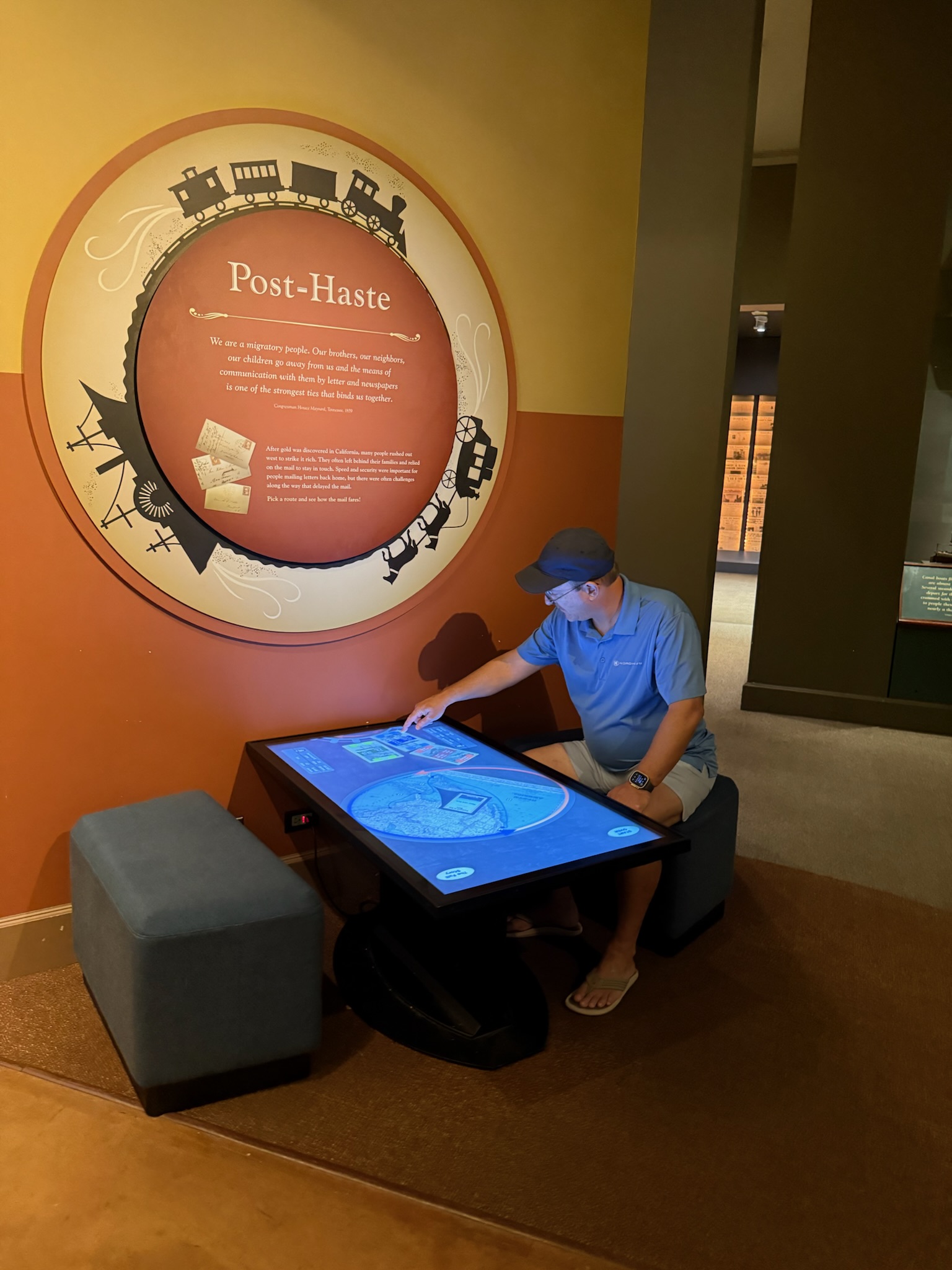
By 1851, mail could get all the way across the country via three overland routes, but each route only ran once a month. A twice-weekly single overland route was established in 1857. The Post Office awarded the contractor who worked the route, John Butterfield, a six-year contract at $600,000 per year. When establishing routes out west, Congress was concerned with more than just the mail. Congress understood that civilization would form along the mail routes, so establishing the route was a critical piece of growing the nation. One of the last displays in the room was a game where you could see the challenges that were faced on each of the western routes.
Continue reading

The National Postal Museum in Washington DC – Part 2

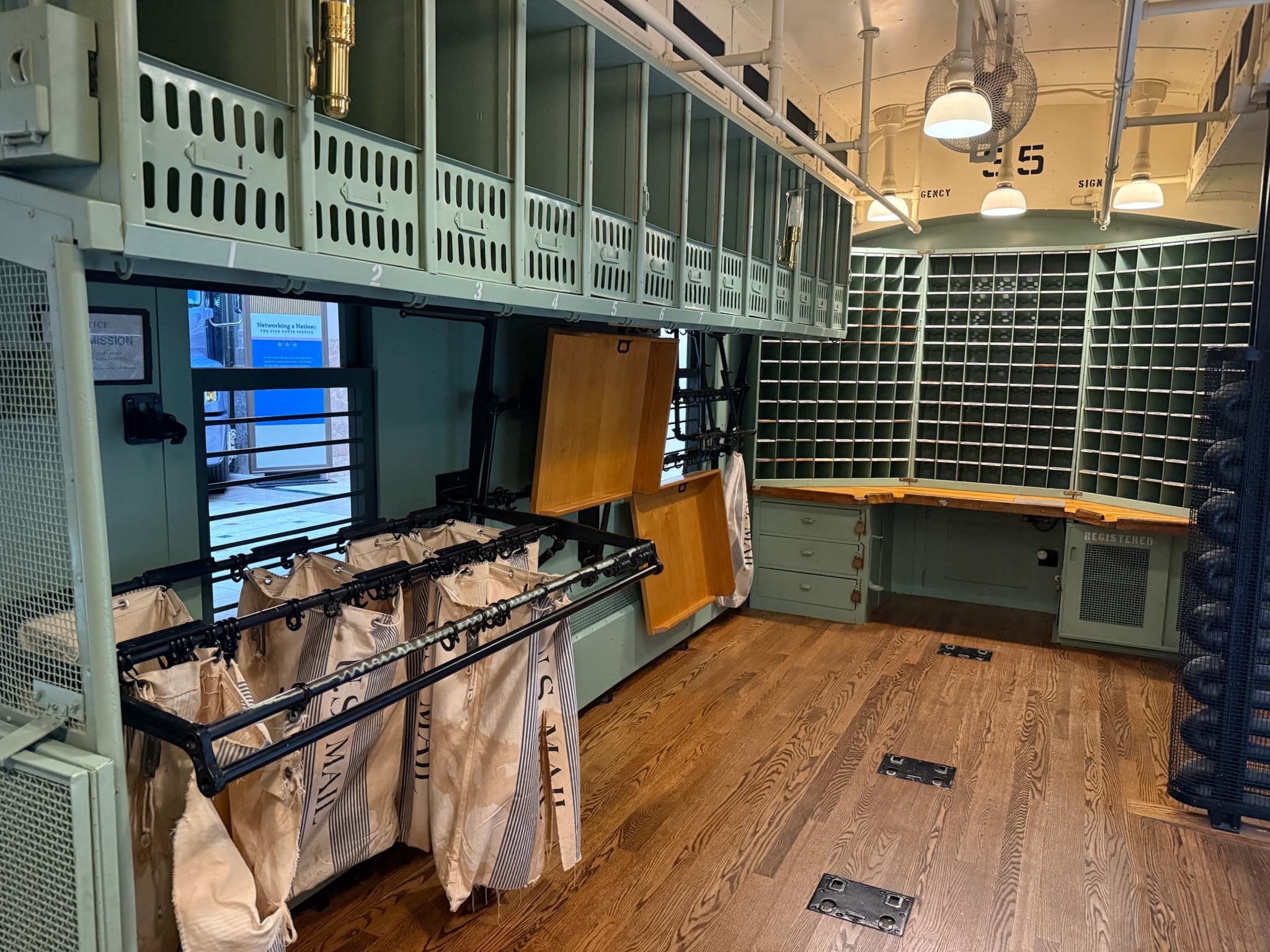
continued… Next we moved over to the section about trains. After the Civil War ended in 1866, the Post Office started placing clerks on trains to sort the mail while in transit. It was the mainstay of postal operations for almost a century. The clerks worked long hours and their job was dangerous as railway accidents were common. Processing mail on trains ended in 1977 after three decades of declining railroad traffic.

Mail sorting station on a train
Continue reading

The National Postal Museum in Washington DC – Part 1

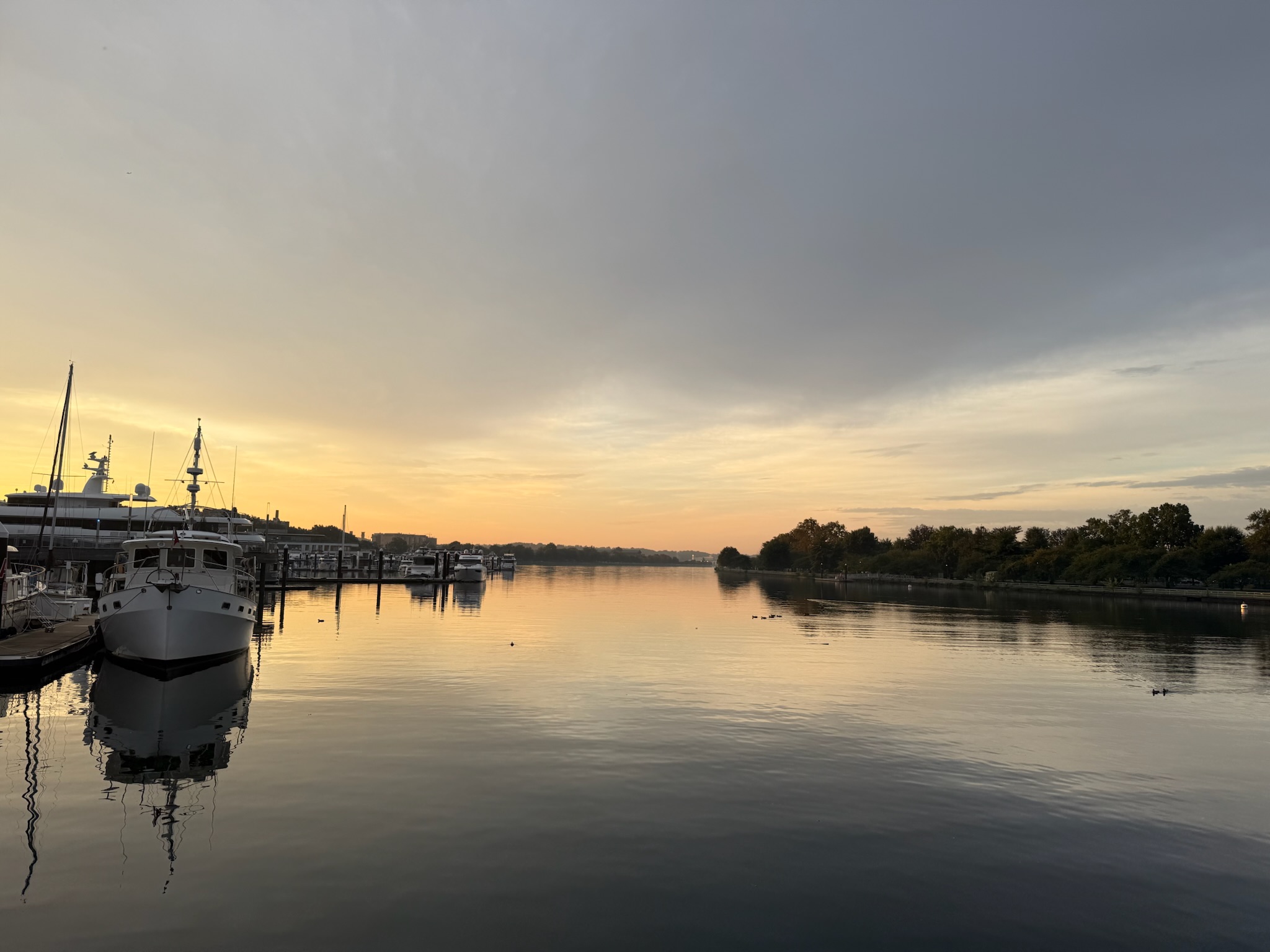
Wednesday, Sept 24 – Dawn in the marina

Yesterday, the marina had told us another boat was coming in on Friday that needed our end-tie, and that we needed to move prior to their arrival. Since it was such a calm morning, the first thing we did was move to another slip. All went smoothly with that, and interestingly enough, the power worked fine and we didn’t need the isolation transformer.

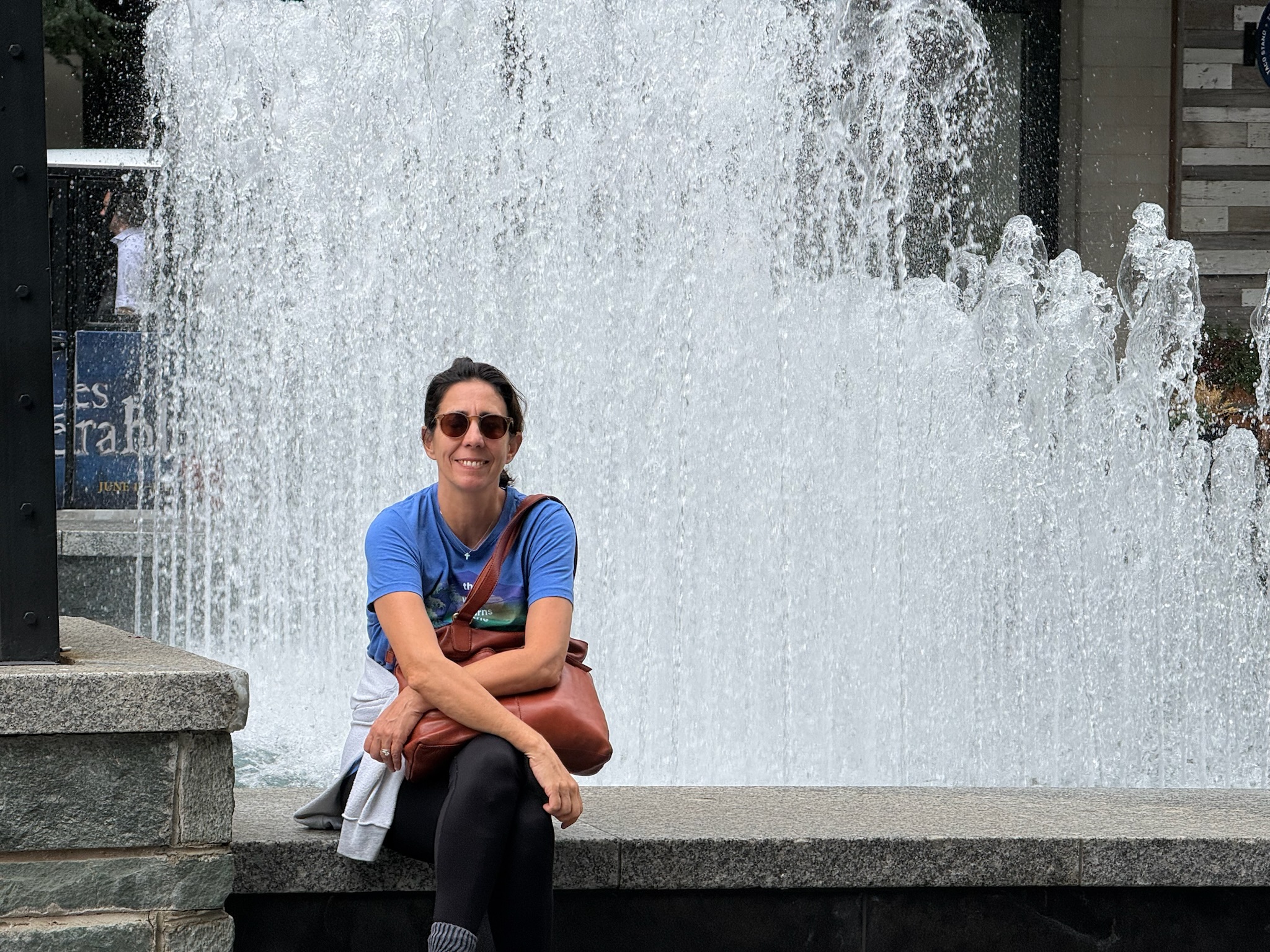
Our big outing of the day was the National Postal Museum. It was 2.3 miles away, located a little bit north of the Capital building. According to Apple Maps, if we took the Metro, it would cost $6.75 each way for the three of us, we’d need to change lines, and the total transit was estimated to take 35-minutes. Eric checked the ride-share app and found that it would cost $9.00 and take 20-minutes to be delivered door to door. We opted for the ride-share. We waited for the driver at the fountain by Surfside taco, which had a traffic light and a small U shaped road that made it an easy location for the driver to pick us up.

While in the car, the driver suggested that after we finished at the museum, we should go across the street to Union Station. He said that even if we took another ride share back to the marina instead of the Metro, that the station was an “experience worth seeing.” He dropped us off at the Massachusetts Ave. East entrance, which was the south side of the building.

Continue reading

The Library of Congress in Washington, DC – Part 2

Continued… The Southwest Gallery had an exhibit called something along the lines of The Two Georges that compared and contrasted US President George Washington and British King George III.

As we’d learned in Yorktown, when the colonies had been established, the Monarchy had been pretty hands-off. When King George III came to power in 1760, he pursued stricter policies of control over the colonies. Long story short, the American Revolution was basically the colonies saying no to this control, viewing the king as a tyrannical ruler who could not be reasoned with. King George III stayed in power until 1811, when he became too sick to rule. Rather than abdicating the throne, King George III had his son rule on his behalf as the Prince Regent. The king died in 1820.

George Washington was a wealthy farmer from Virginia. He became the commander-in-chief of the military during the Revolutionary War. The two Georges were literally fighting one another over control of the colonies. Washington resigned from the military when the war ended in 1783, but remained active in the politics of the new nation. He became the US’s first president in 1789 and was in power until 1797, when he chose to retire despite being encouraged to run for a third term. The exhibit made a point of stating that Washington voluntarily relinquished power while King George clung to power to the very end, even when he was too sick to rule. Washington died unexpectedly in 1799 from an infection, only three-years after leaving office.

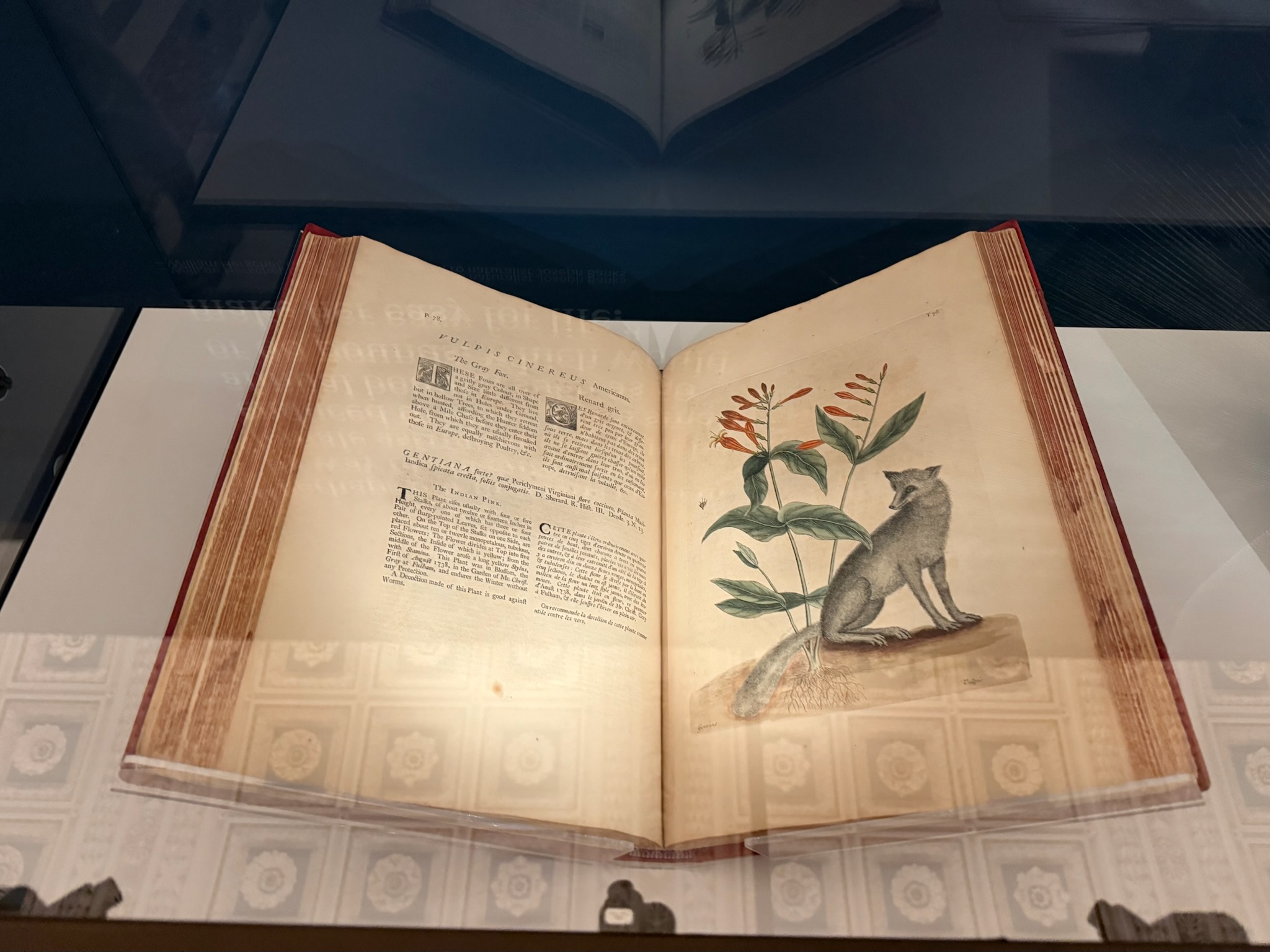
Both Georges were Enlightenment men who were into science and agricultural advancements. George III was an important patron of scientists and explorers, funding people such as Captain James Cook, naturalist Joseph Banks and astronomer William Herschel. Washington had wanted to establish a university in the Capital, believing that “flourishing the state of the arts and sciences” would lead to “national prosperity and reputation.” Both Georges owned this book on botany/horticulture.

Continue reading

The Library of Congress in Washington, DC – Part 1

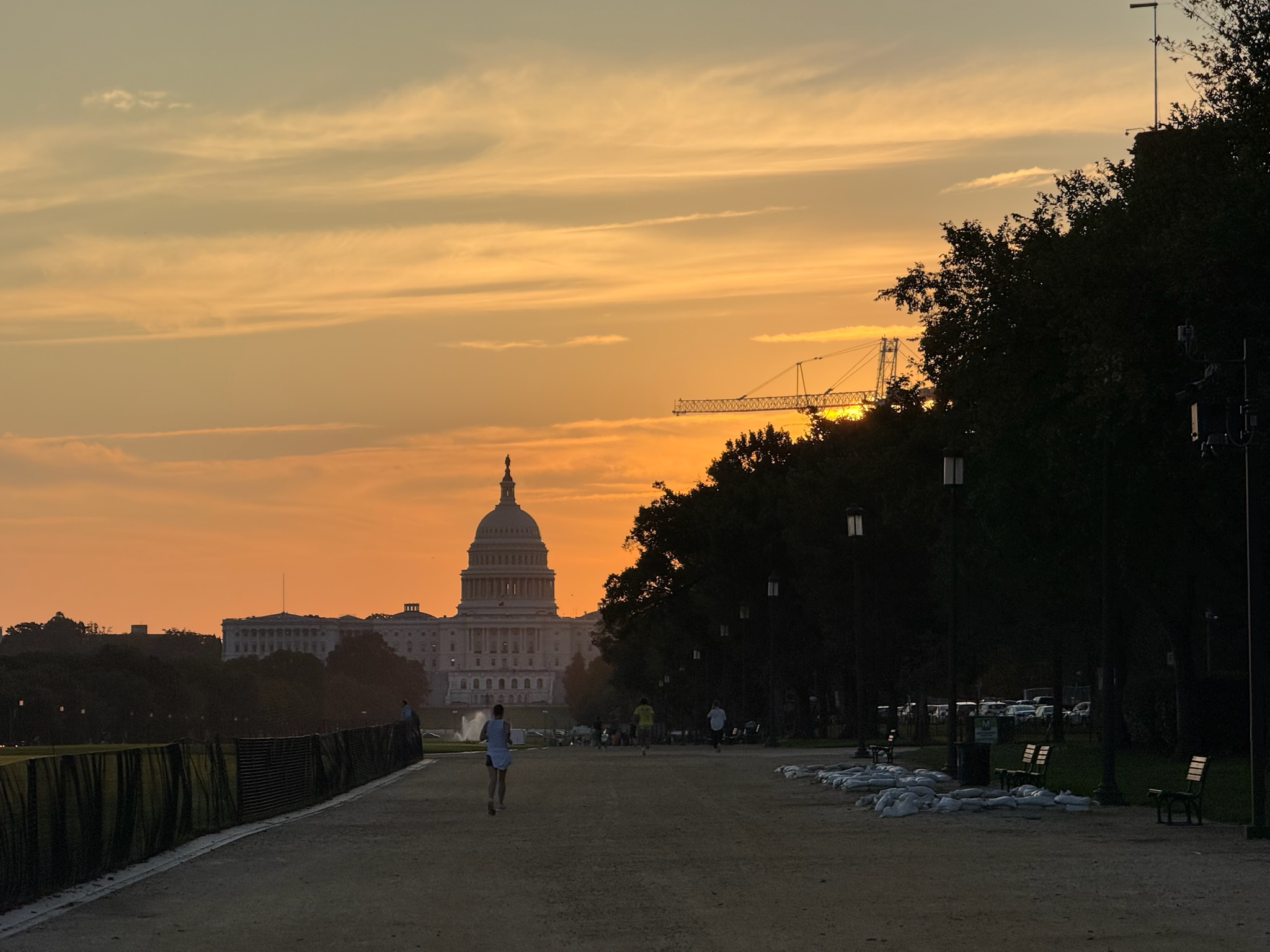
Eric went for another run at dawn on Tuesday, September 23. Here was the Capital in the early morning glow.

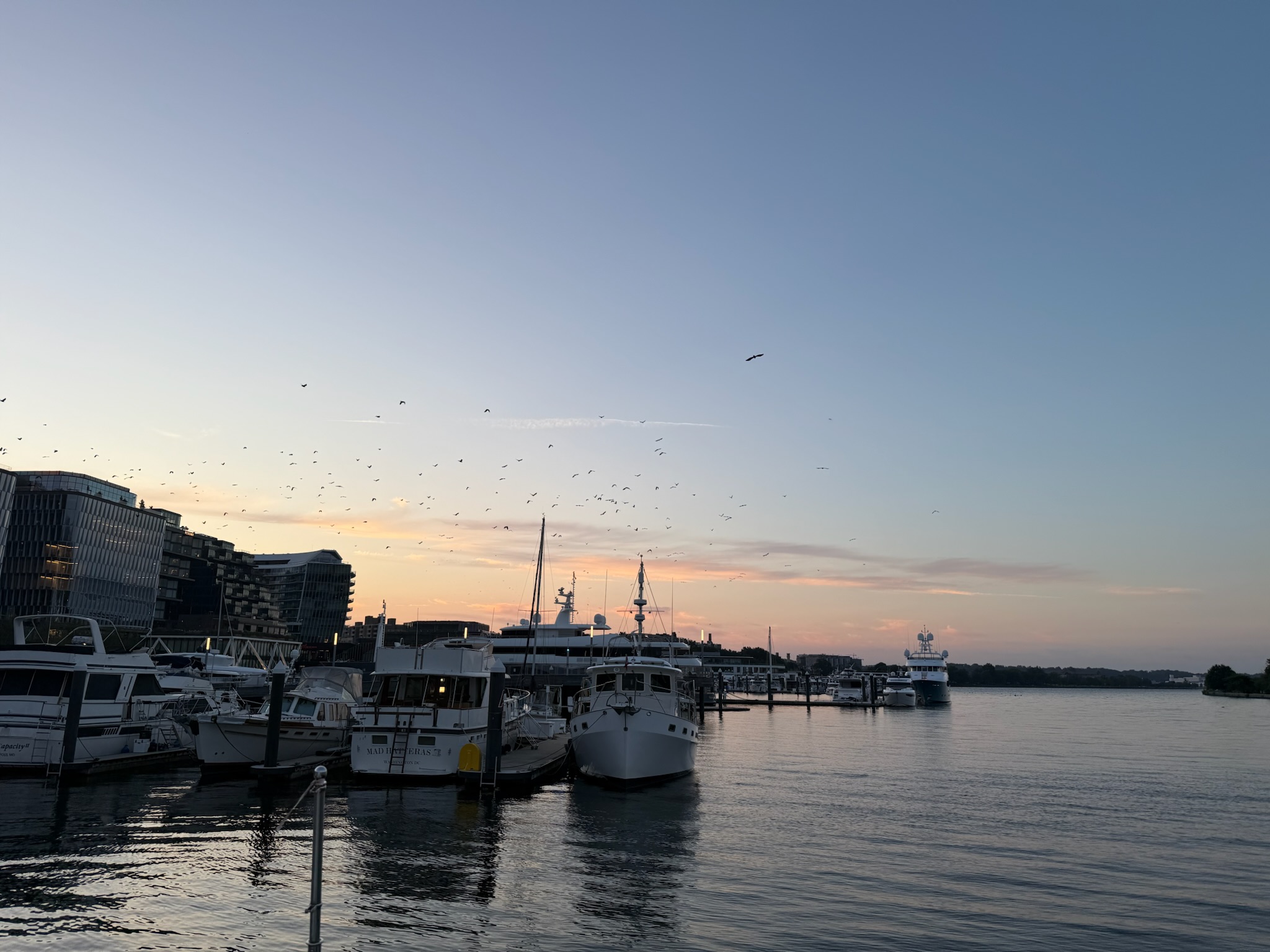
Meanwhile, this was the dawn back at the boat

Two months ago, we’d contacted our congressperson to ask for tickets to visit The White House, The Library of Congress, and Congress. We called their office and were told to fill out a form online. After waiting a week, Christi called to follow up. They said The White House hadn’t released dates they’d be open for tours yet, so they couldn’t submit our request. A few days later, we saw a press release that the White House was undergoing renovations and would be closed for tours indefinitely. Christi called again to follow up. The Congress woman’s office emailed her a link allowing her to sign up online for tickets to the other two venues. Tickets were free, but due to security reasons, they wanted personal information. Several days after that, Christi got emails from each venue saying we’d been approved for tickets, with a link to order them online.

Continue reading