The American Revolution Museum at Yorktown in Williamsburg, Virginia – Part 3: Muskets and The Lead Up to the Revolutionary War

continued… We hustled from the farm back to the Continental Army encampment to see the musket demonstration that was about to begin. We wound up talking to the soldier for a solid twenty-minutes. Special forces may have used rifles for specific purposes, but the general forces only used muskets. Muskets were the military weapon of choice because they were easy to learn how to use, quick to load, could be mass produced, and had standard size shells. However, they were not accurate. While rifles were accurate, back then rifles were all custom made for each user, took a long time to reload, were harder to learn, and all the rifles had different sized shells. He explained that for hunting, you only had one shot, as the animals would run away after that shot, so accuracy was important. But for the type of warfare they did during the revolutionary era, quickly reloading to fire off more shots was more important than each shot being accurate. He had said that during the civil war, when more rifles were used, the percentage of hits was the same with rifles as muskets because most soldiers weren’t taking careful aim.

He explained that the soldiers fought in tight formation lines because they needed a barrage of bullets fired at once to have a chance to hit enemy soldiers. It also ensured the soldiers could hear the orders being communicated. The soldiers stood shoulder to shoulder, fired muskets on command, reloaded as quickly as possible, and continued to shoot upon command until the ammunition ran out. It sounded like the soldiers took the bayonet off during the firing, and on command all put their bayonets back on the end of the rifle. It made a loud click-click sound. He said that the hundreds of click-clicks would terrify the other side and make them want to run away — the bayonet clicking was actually more important as a psychological fear weapon than an actual weapon. If the other side didn’t cede, they would rush across the battlefield and try to stab the opposing troops with their bayonets.

The soldiers wore bright colored clothing because they wanted their own side to easily see and identify them. The weapons, especially the cannons, were loud and made a lot of smoke, so it was hard to see and hear in the middle of a battle. The heavy smoke obscuring visibility was where the term “fog of war” originated.
Continue reading

The American Revolution Museum at Yorktown in Williamsburg, Virginia – Part 2: A “Middling” Farm

continued… After seeing the entire Continental Army encampment, we went over to the farm. This recreation was based on a real farm owned by Edward Moss that had existed at that time. We don’t remember the details now, but he had a lot of acres, so this was a tiny microcosm of what the actual farm was like.

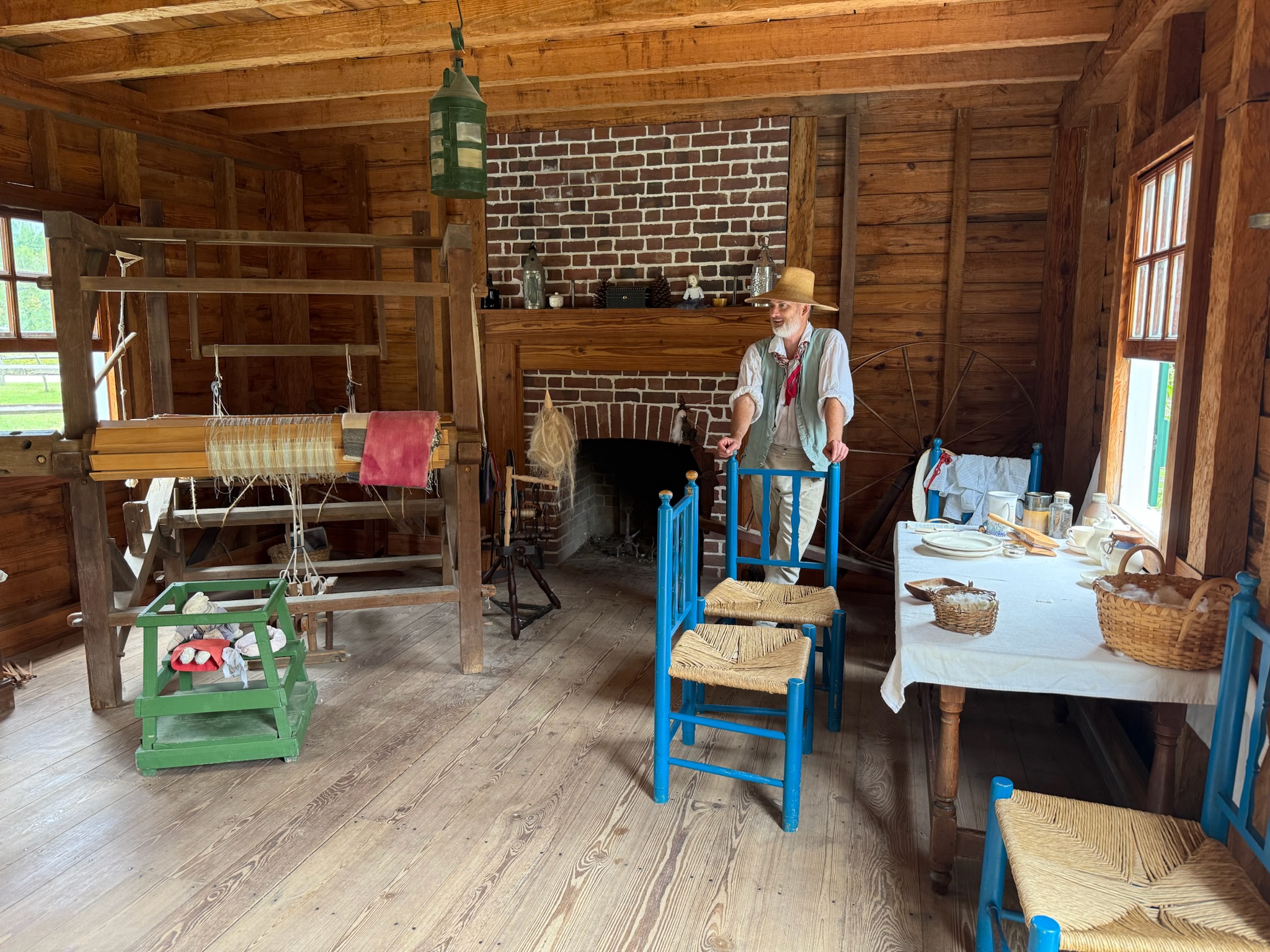
The house was two rooms. There was a spindle wheel in the parlor, and “Edward” was making thread. He explained that prior to the rebellion, textiles were imported from England. But when the Patriots had ordered a boycott of all British goods, people had to start making their own textiles. He said that thread was made out of a variety of materials. The easiest and most popular yarn material was wool, but today he was using cotton. Even though cotton grew well in Virginia, it was unpopular because it was difficult to separate the seeds out (the cotton gin had not yet been invented).

Continue reading

The American Revolution Museum at Yorktown in Williamsburg, Virginia – Part 1: A Continental Army Encampment

Friday, August 1 – Since Eric and Keith were still on west coast time, they slept much later than normal. Our plan was to go back to Williamsburg to go to the American Revolution Museum at Yorktown, which was about 20-miles east of Jamestown. Yorktown was the town where the final major military engagement in the American Revolution took place in 1781. The British had set up a base at Yorktown. Washington marched his troops down from New York for a siege on the base. The French navy secured the Chesapeake, so no British supplies or reinforcements could get in to aid the troops in Yorktown, nor could the British escape. After the Patriots won this battle, a peace treaty was negotiated and signed, giving the United States sovereignty over itself.

Like Jamestown, there were two different historical attractions. One was an archeological tour run by the National Parks Service (NPS) and the other was a “living history museum” — meaning it was a recreation of what life was like back then — which was run by the same organization that ran the Jamestown Settlement.

The day was grey and very windy, and felt kind of ominous. However, there was no rain in the forecast and the temperature was pleasant. It was a nice change from the oppressive heat that we’ve experienced since arriving in Virginia.

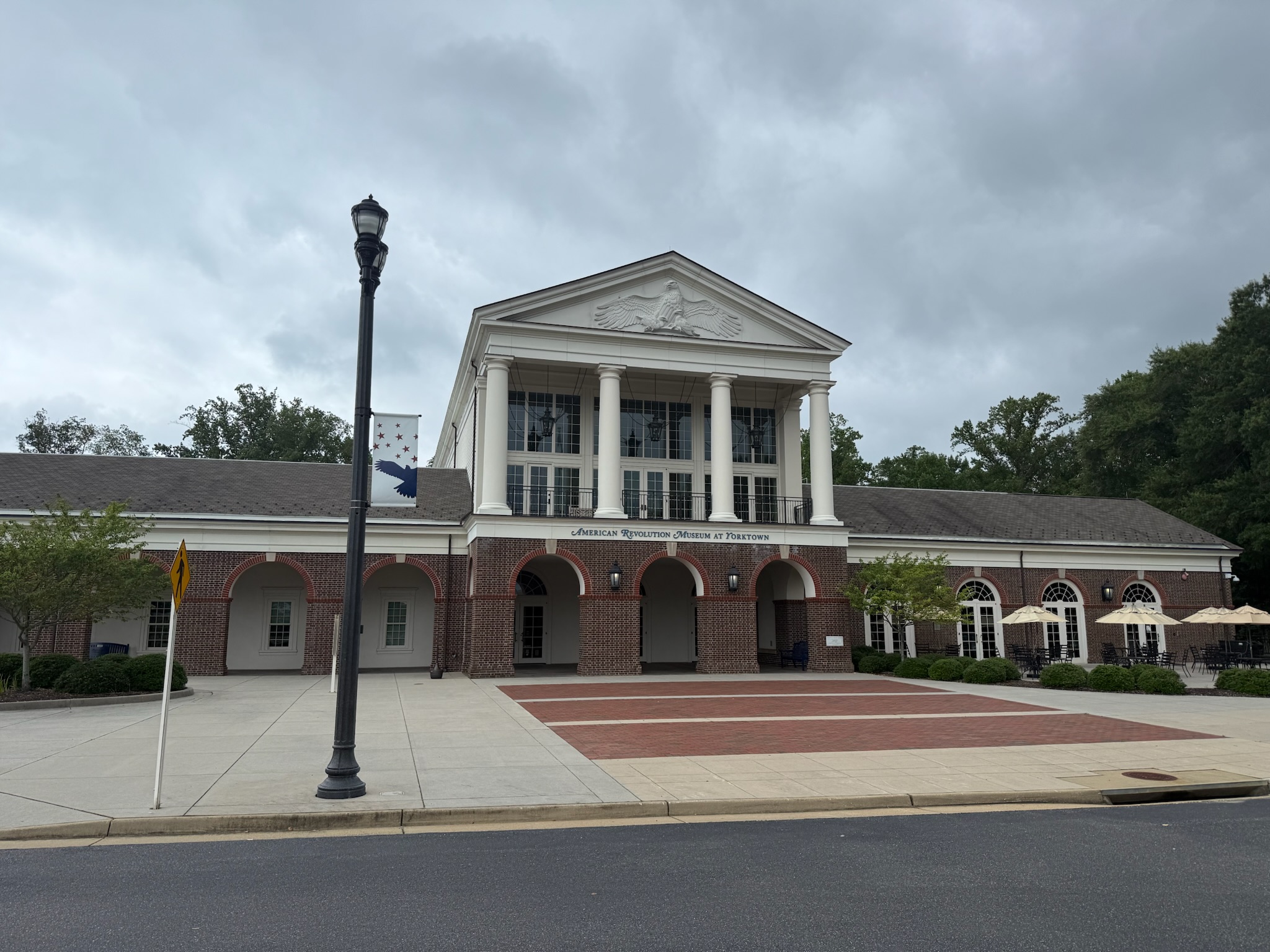
The museum opened at 0900, but between the late start and traffic, we arrive until 1100. Parking was free. The tickets were $22 for 13+, so $2 more per person than the Jamestown Settlement. Like Jamestown, there was a large, nicely laid out and beautifully decorated indoor museum and an outside area with recreations of what life was like towards the end of the War of Independence.

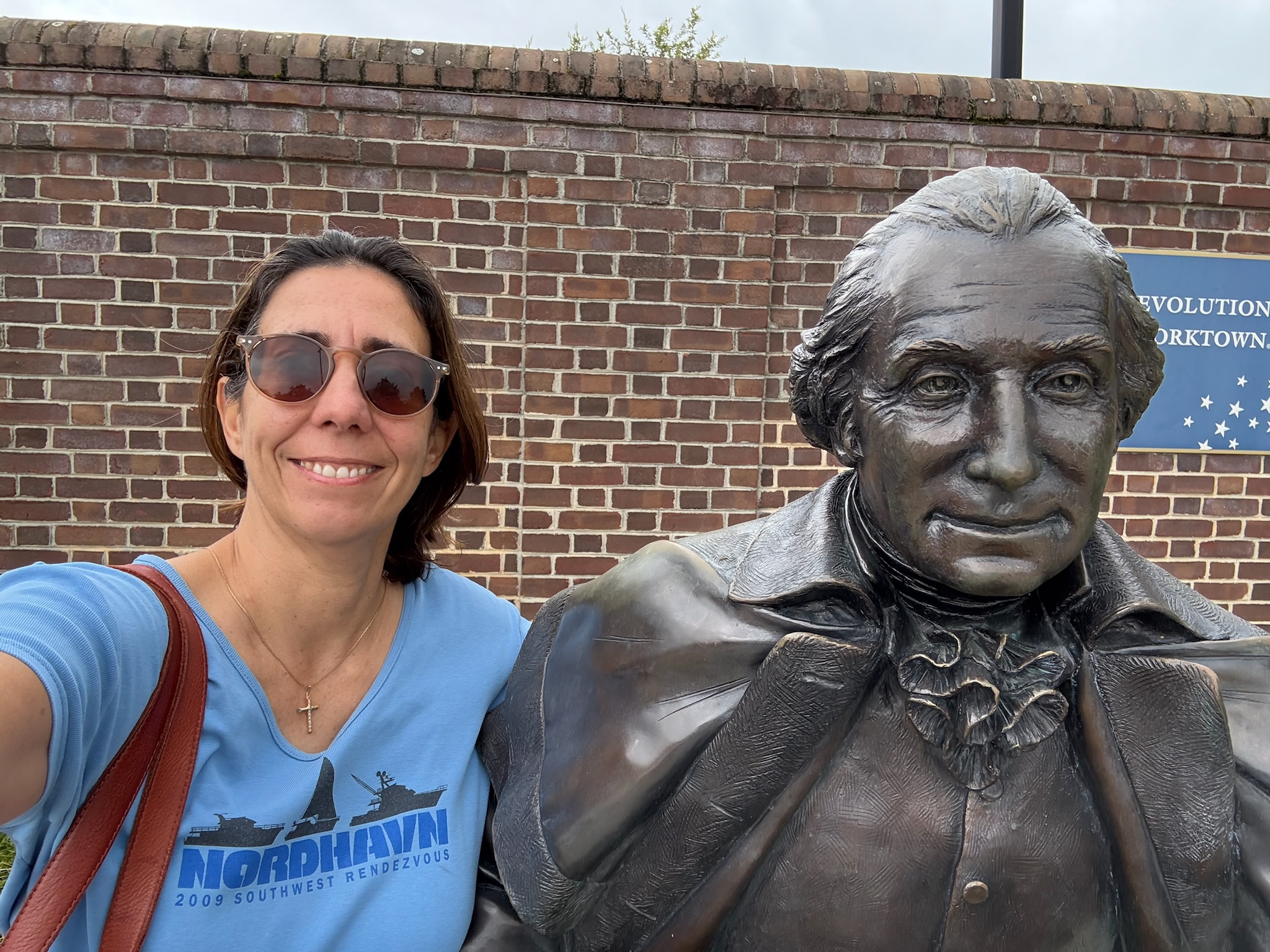
Christi sitting with George Washington in front of the museum.
Continue reading

Keith’s Perspective on Virginia and The San Diego Comicon/Le point de vue de Keith sur la Virginie et le Comic-Con de San Diego

This week has been so awesome! On Saturday, we went to Stoney’s for lunch, then we had our friends from Bigger Boat over for D&D. After that we went to a Latino festival, then we went to a place called Insomnia Cookies and got dessert. The cookies weren’t anything special. 

Cette semaine était trop géniale! Samedi nous avons mangé à Stoney’s pour le déjeuner, puis nos amis de bigger boat sont venus pour jouer à donjons et dragons. Après ça nous sommes allés à un festival Latino, puis avons mangé à un restaurant qui s’appelle Insomnia Cookies pour le dessert. Les cookies n’avaient rien de special. 

Continue reading

Quiet Week in Norfolk for Christi While Eric and Keith Were In San Diego

Thursday, July 31 – The last 11 days have been quiet in Norfolk.

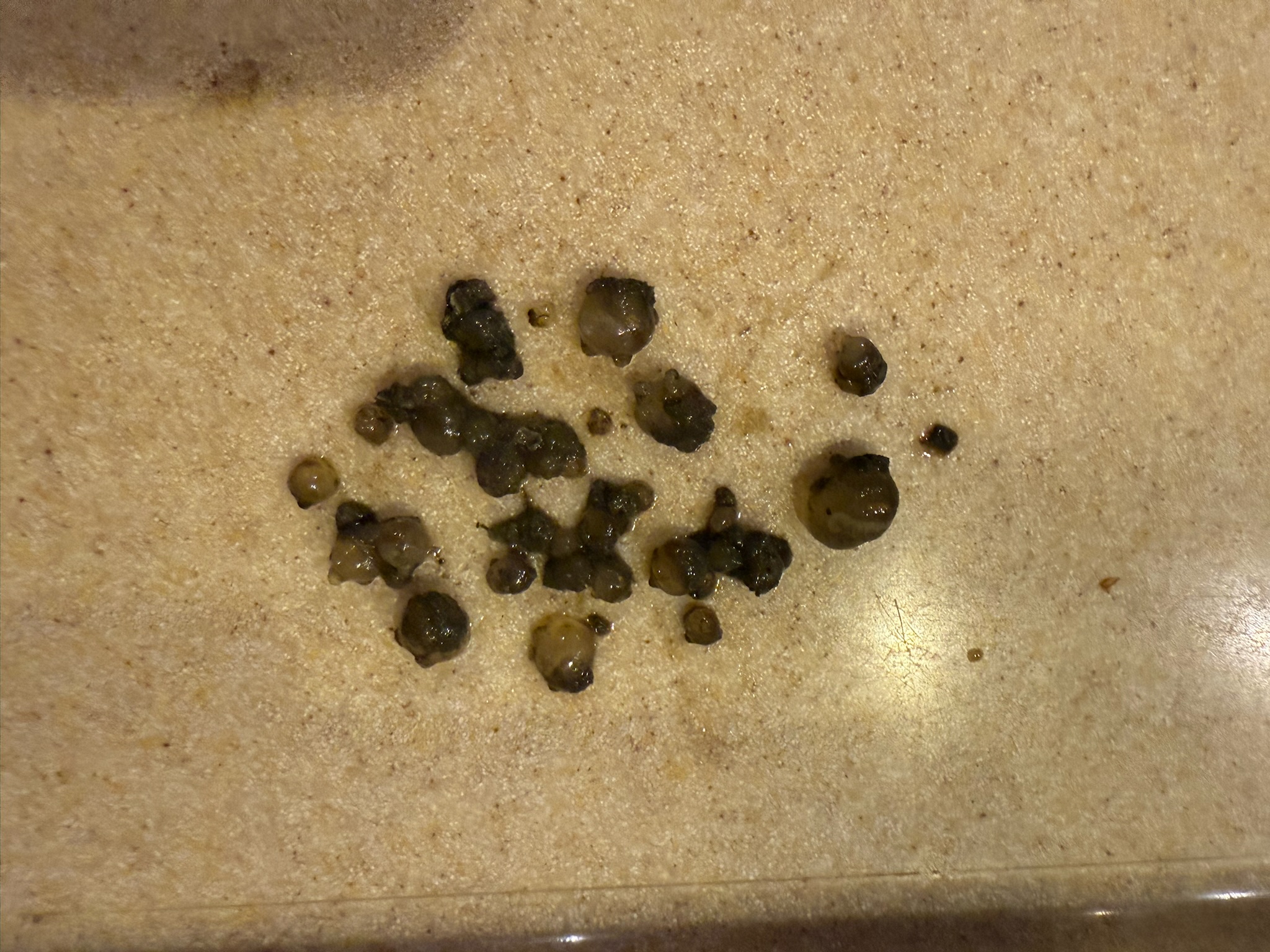
We spent Monday the 21st doing chores and work at the boat. One of those chores was cleaning the sea strainers for the two air conditioning units that we run most frequently (pilot house and downstairs). The first strainer we pulled out had a small fish and a couple of weird little gelatinous balls. The balls didn’t just fall out when inverted, but they did come out with a little bit of shaking. Then we pulled out the second one. It was completely full of those gelatinous balls. Very few fell out when inverted and shaken; we had to use a scraper tool to get them out. And it did take a surprising amount of scraping to get them all out. We’ve never seen anything like this before.

Keith finished his science fair project, so he was now officially done with school work (though Christi still had grading to do).

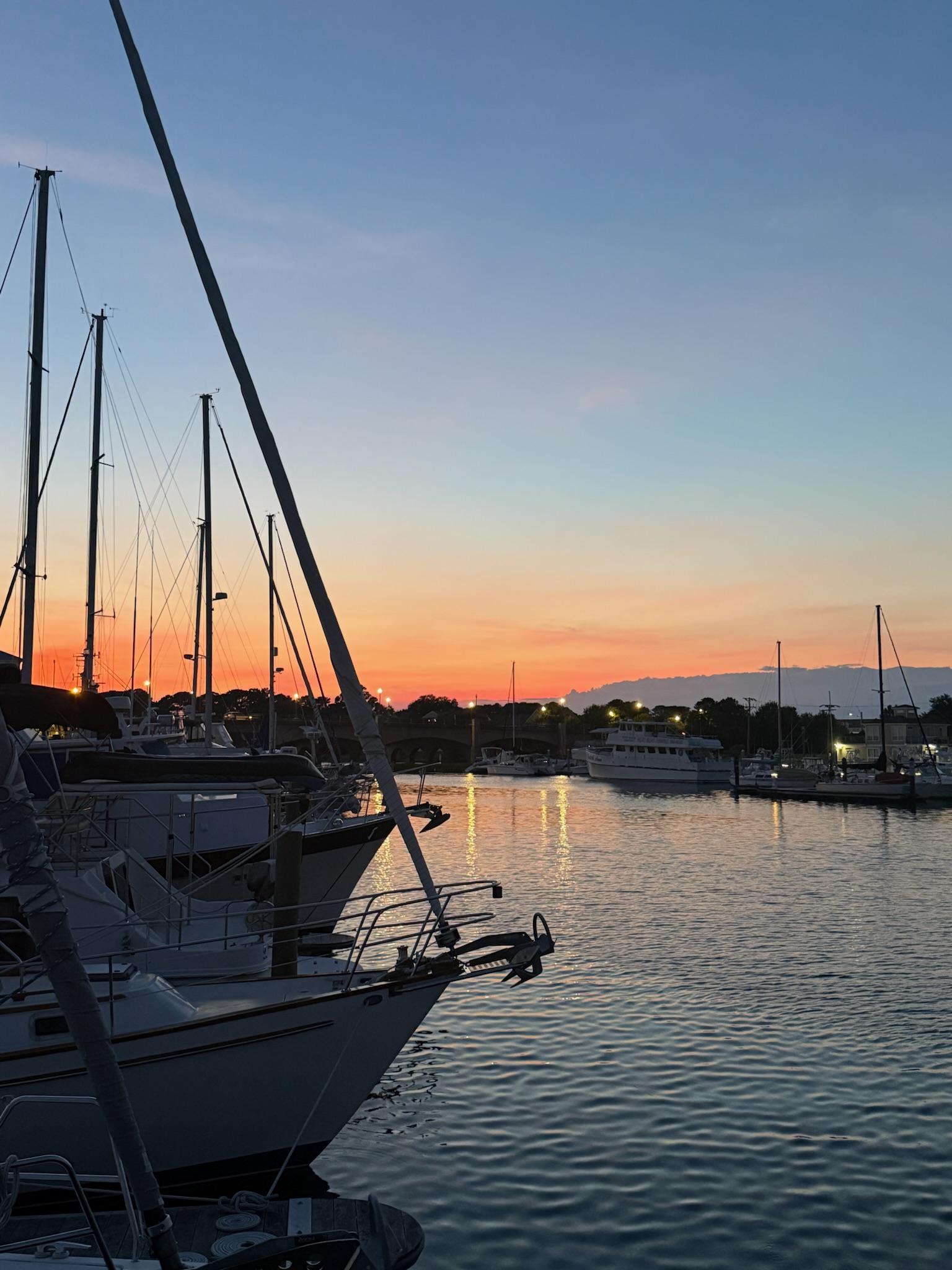
On Tuesday, July 22, Eric and Keith flew to San Diego in the early afternoon. Christi spent the morning getting them ready to go. In the afternoon, she puttered around the boat. It was a particularly colorful sunset.

Continue reading