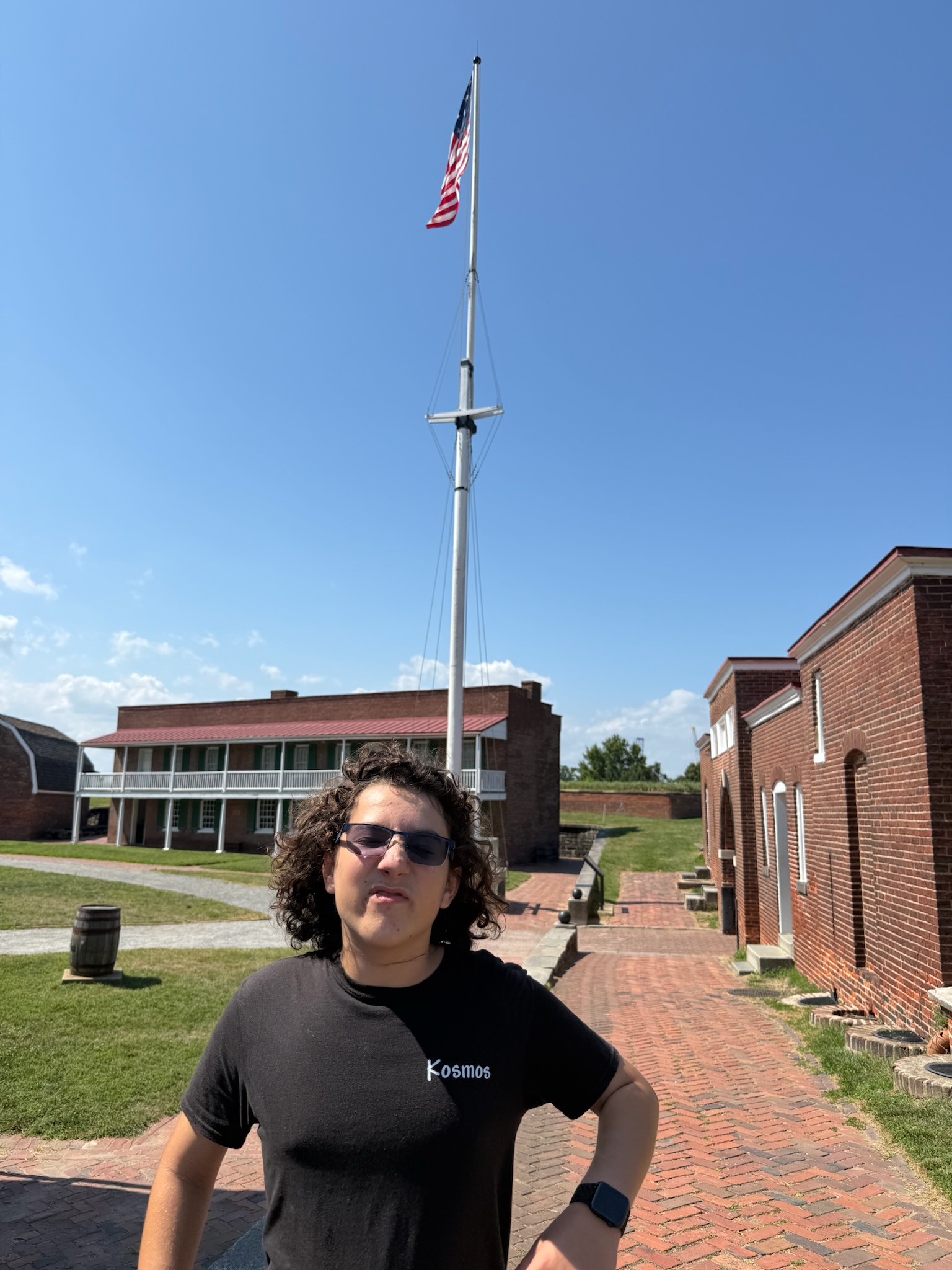
The Star Spangled Banner Flag Museum in Baltimore, MD

Saturday, August 16 — When we’d looked at tourist attractions in Baltimore, the one we wanted to see the most was the Phoenix Shot Tower. Per what we read online, instead of using molds, molten lead was dropped from a platform at the top of the tower, through a sieve-like device, into a vat of cold water at the bottom of the tower to produce “drop shot” for muskets. It sounded like the “tours” were just poking one’s head inside to see how the mechanism worked. The sites we looked at all said it was only open on Saturdays and Sundays, but some said from 1000 – 1200 and others said 1200 – 1600. We decided that the best bet was to go at 1130. It was not open.
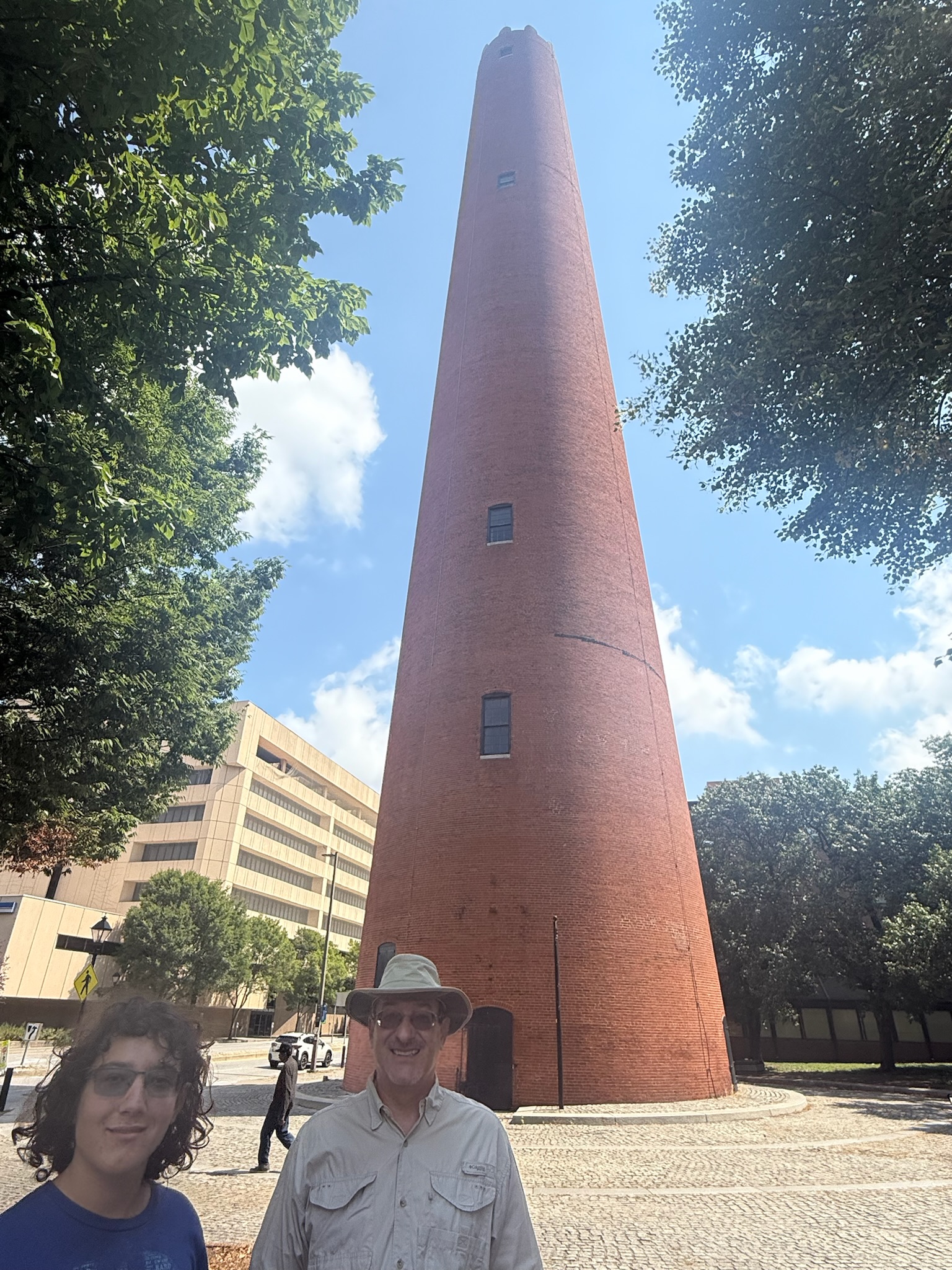
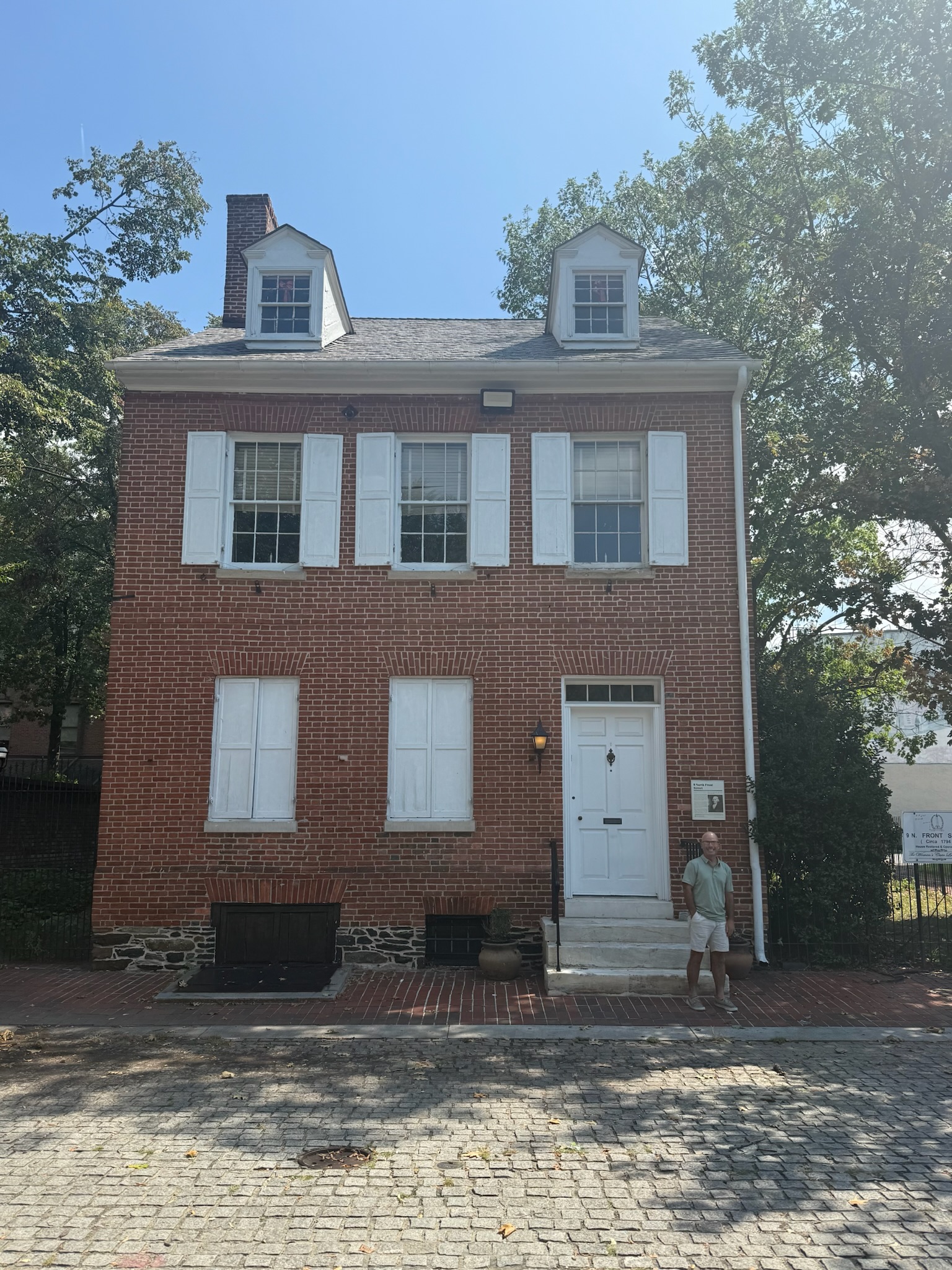
Our friends on Parabola that we’d met in the Bahamas, David and Hazel, were from Baltimore. They met us at the Shot Tower. The Shot Tower was surrounded by a park. In the park was another historical home, built in the 1790. It was now occupied by the Women’s Civic League and not open to the public.
Continue reading

Keith’s Perspective on Our First Week in Baltimore/Le point de vue de Keith sur notre première semaine à Baltimore

This week has been fun. On Saturday, we went to the coffee place and got drinks, then I did tutoring. After tutoring we left for Baltimore. The passage was a little bit rough at the start, but it calmed down. On Sunday, we arrived in Baltimore. We ate at a restaurant called Pussers, then rested for the rest of the day. 

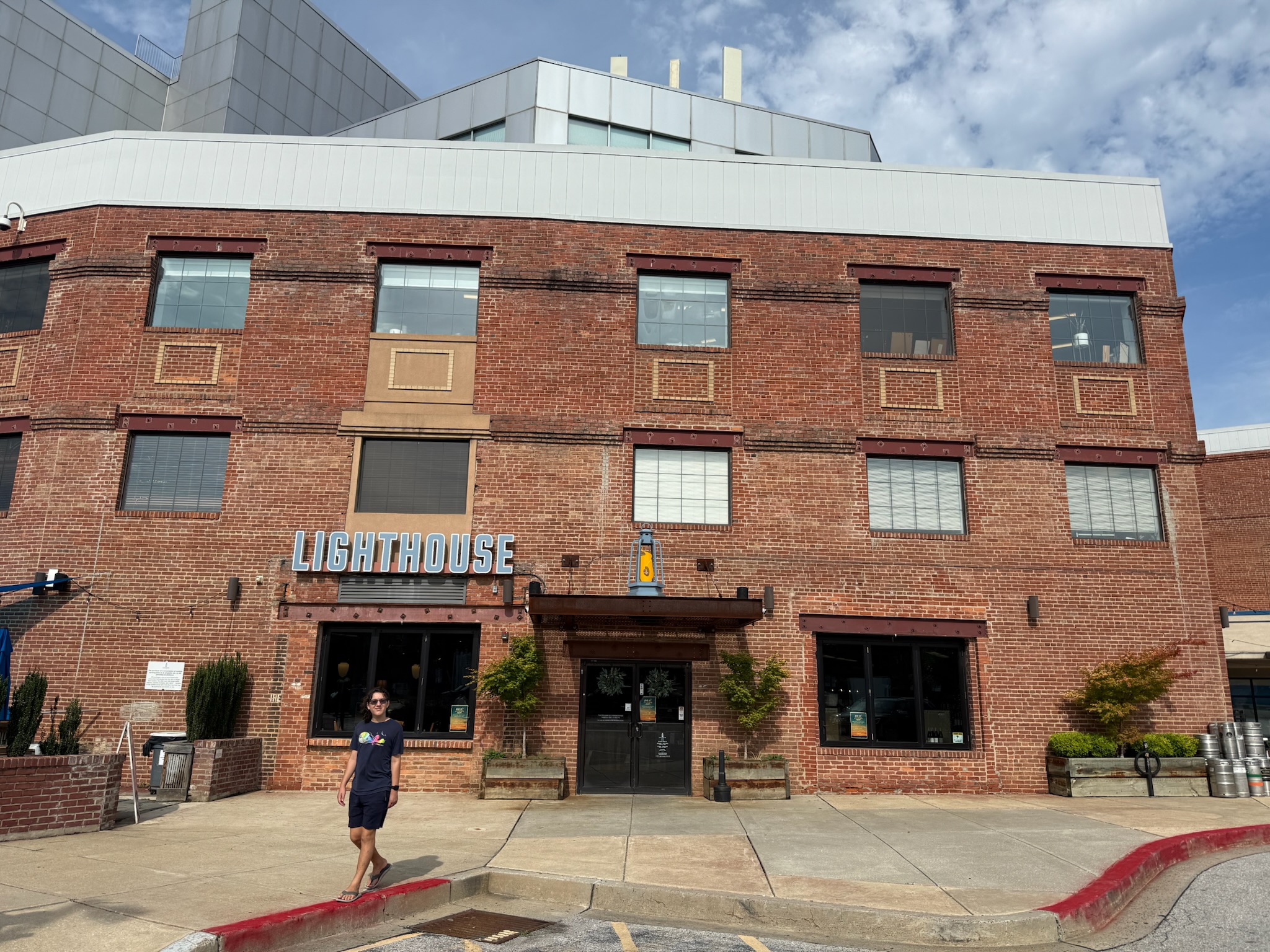
The complex that the marina was in

Cette semaine était amusante. Samedi nous sommes allés à un café pour prendre des boissons, puis j’ai fait le tutoring. Après ça nous sommes partis pour Baltimore. Le passage était un peu agité au départ mais l’océan s’est calmé. Dinanche nous sommes arrivés à Baltimore. Nous avons mangé à un restaurant qui s’appelle Pussers, puis nous nous sommes reposés le reste du jour. 

Continue reading

Historic Ships in Baltimore Museum (MD): The USS Constellation – Part 3

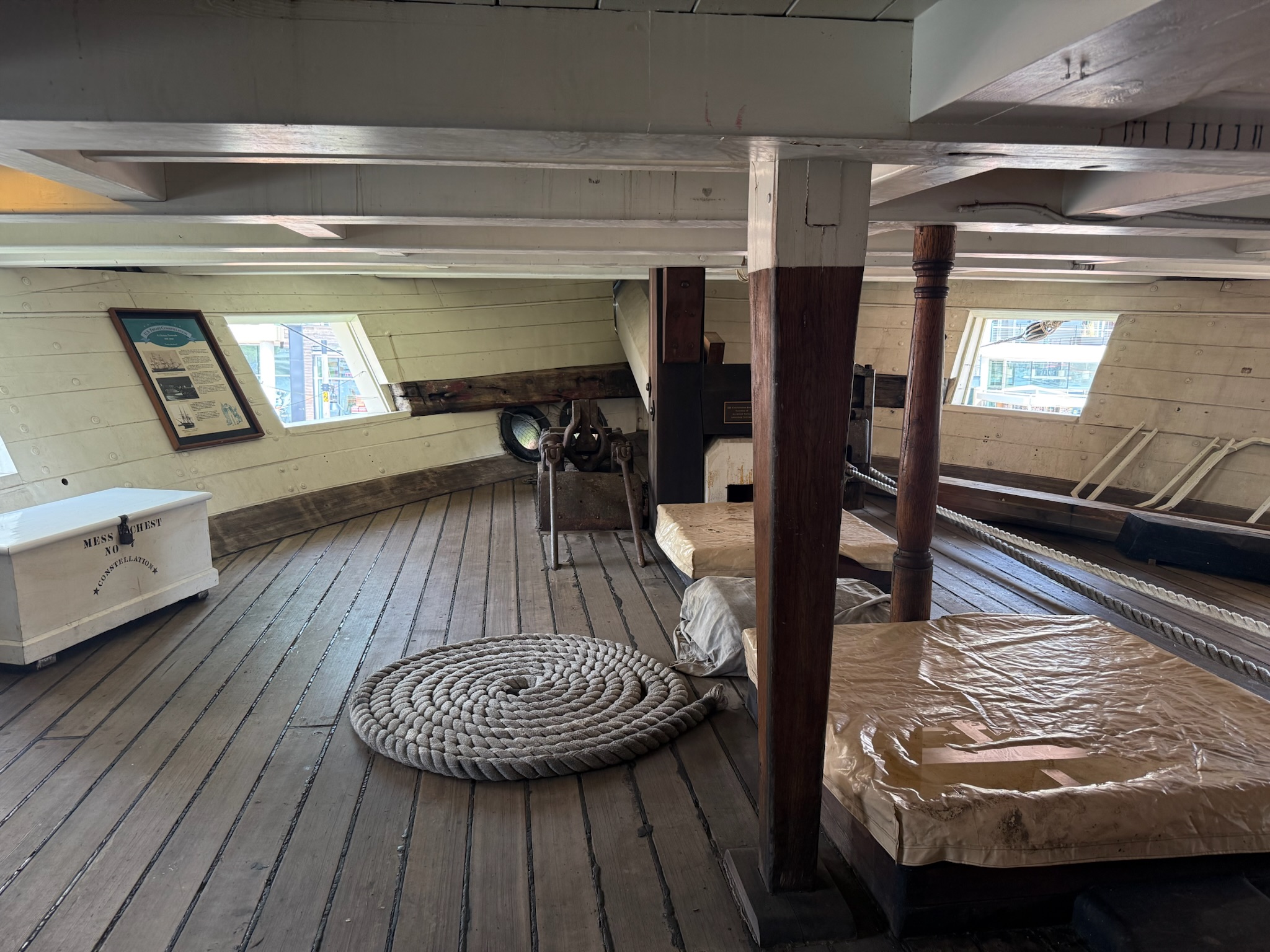
continued… This was the forward of the boat on the gun deck.

After three years of patrolling the Mediterranean, the USS Constellation was sent back to the US for maintenance work. She returned to service in 1862 and was sent back to the Mediterranean Sea. In 1864, she was sent to patrol in the West Indies. That cruise only lasted for a few months before she was sent to Norfolk to become a Receiving Ship. Receiving ships were essentially floating dormitories where new recruits were housed and trained prior to being deployed. Then in 1859 she was called back into active service as the flagship of the African Squadron.

Continue reading

Historic Ships in Baltimore Museum (MD): The USS Constellation – Part 2

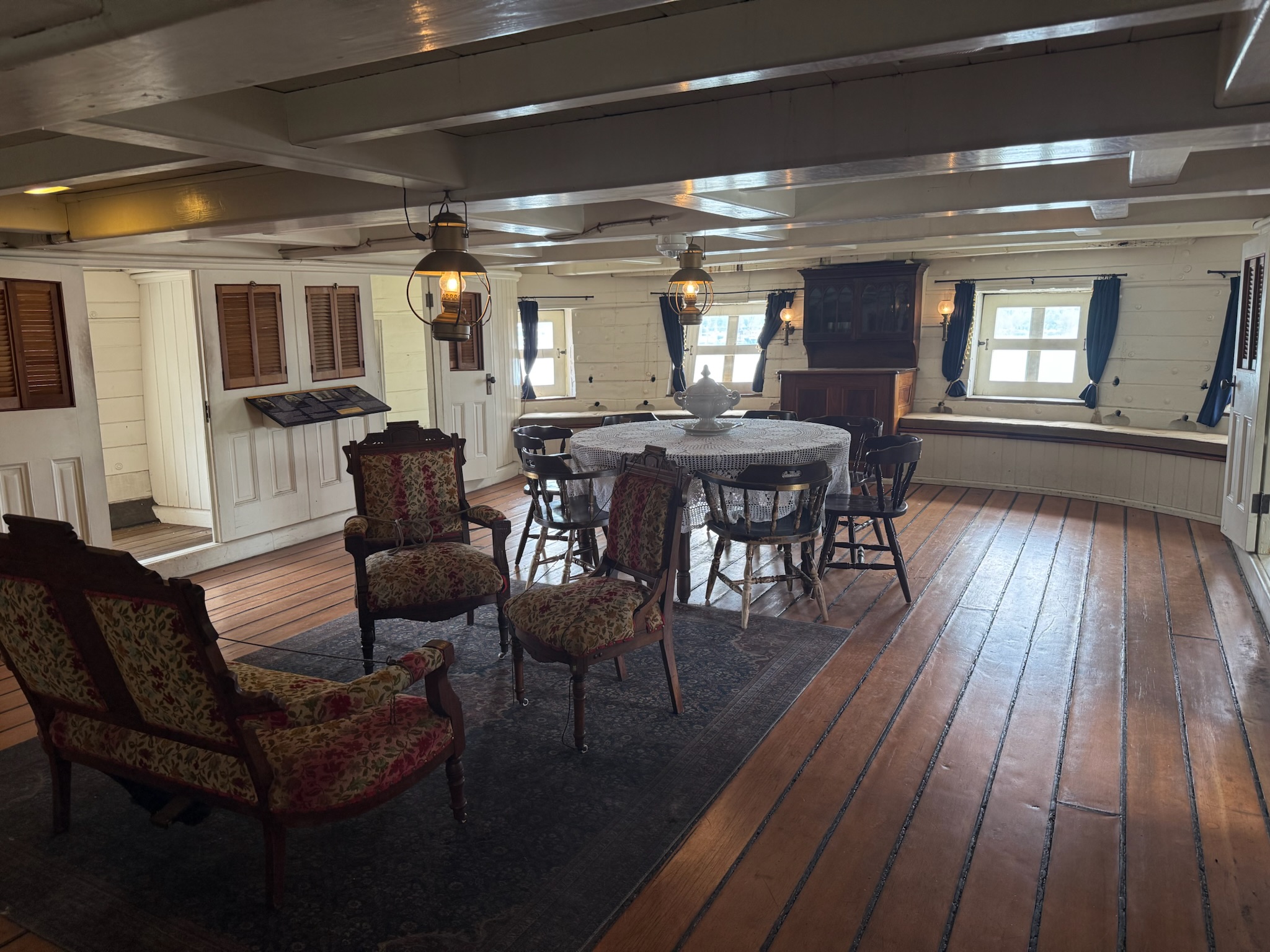
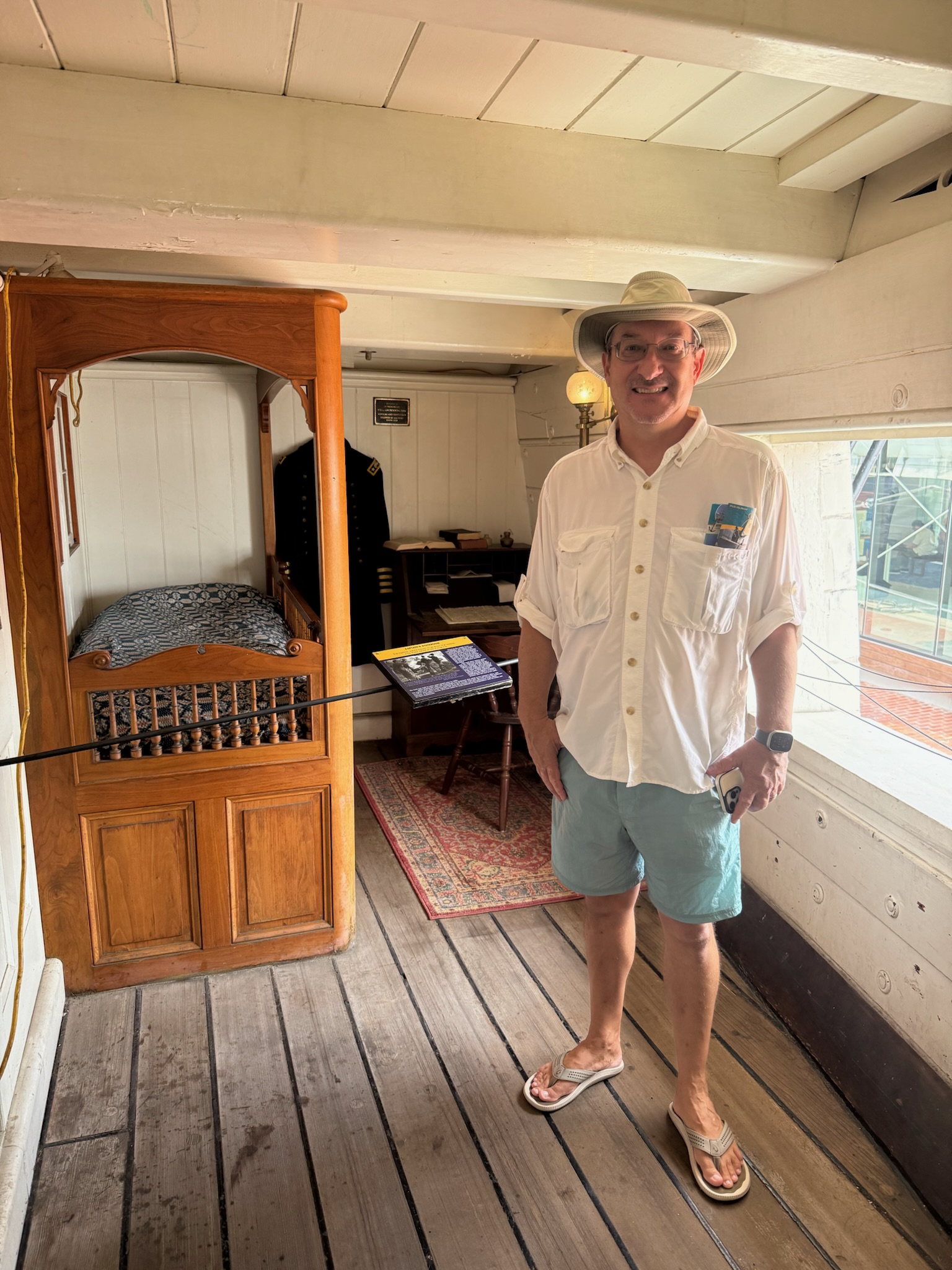
continued… The Captain’s cabin was a suite of six rooms used for sleeping, administration, dining and entertaining. The signs in this room also had details about USS Constellation’s early years and Civil War service: her first assignment after commissioning was in the Mediterranean Sea protecting merchant ships from raiders, and she was there for the first few years of the war (under the Union). If we understood the sign correctly, it sounded like the Confederates may have been confiscating ships.

The middle area with the dining table and lounge chairs was called the “Day Cabin.” Apparently, etiquette required the captain to entertain frequently. He’d host dinners for his officers and, when the ship was in foreign ports, would host dinner parties for foreign dignitaries. There were small private rooms with doors on the port and starboard sides.

The captain had a feather bed in his sleeping area.

This was his head (bathroom) at the starboard aft. We assumed he went potty in a bucket and tossed the contents out the widow, but the sign had no details.

Continue reading

Historic Ships in Baltimore Museum (MD): The USS Constellation – Part 1

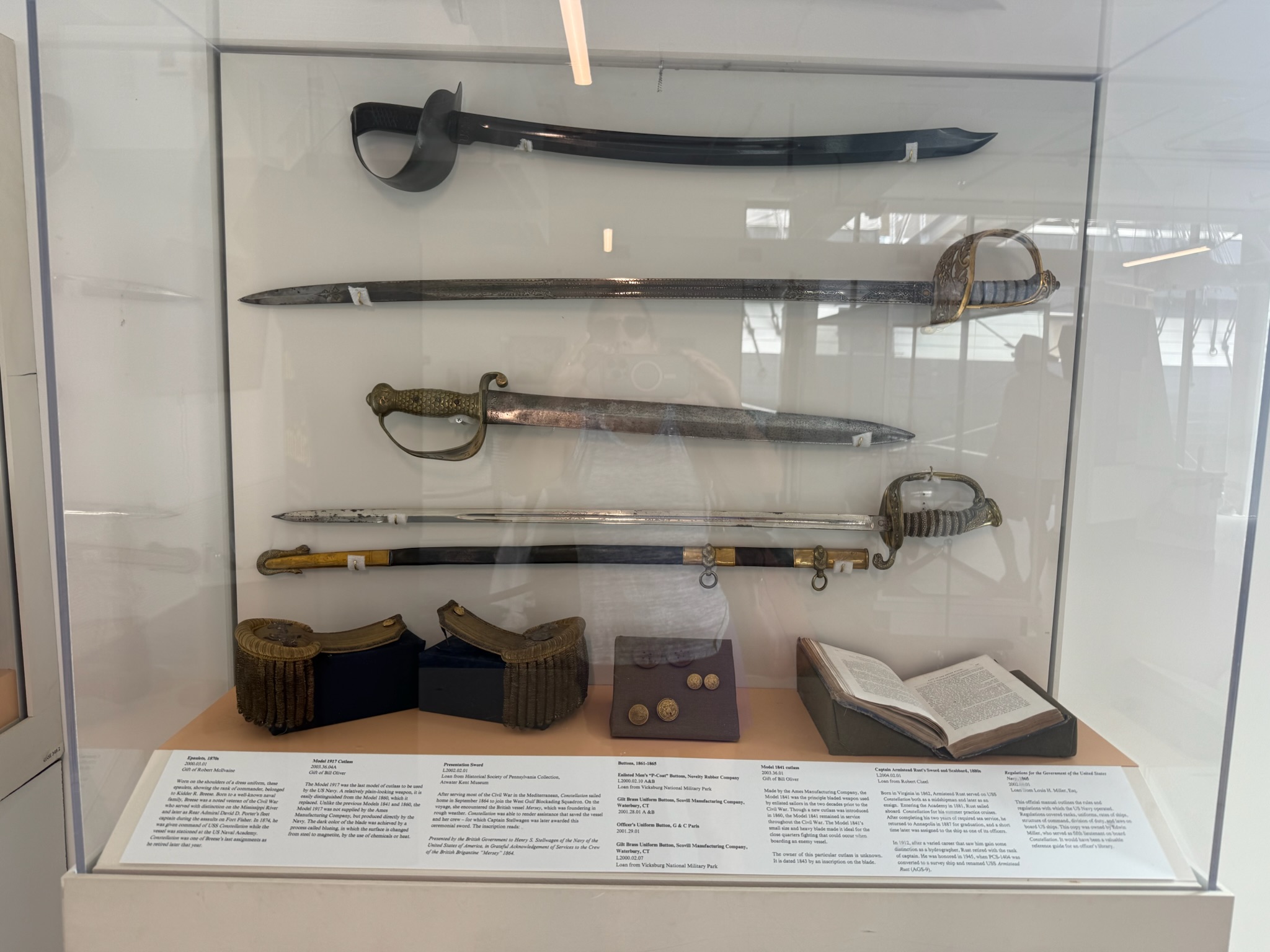
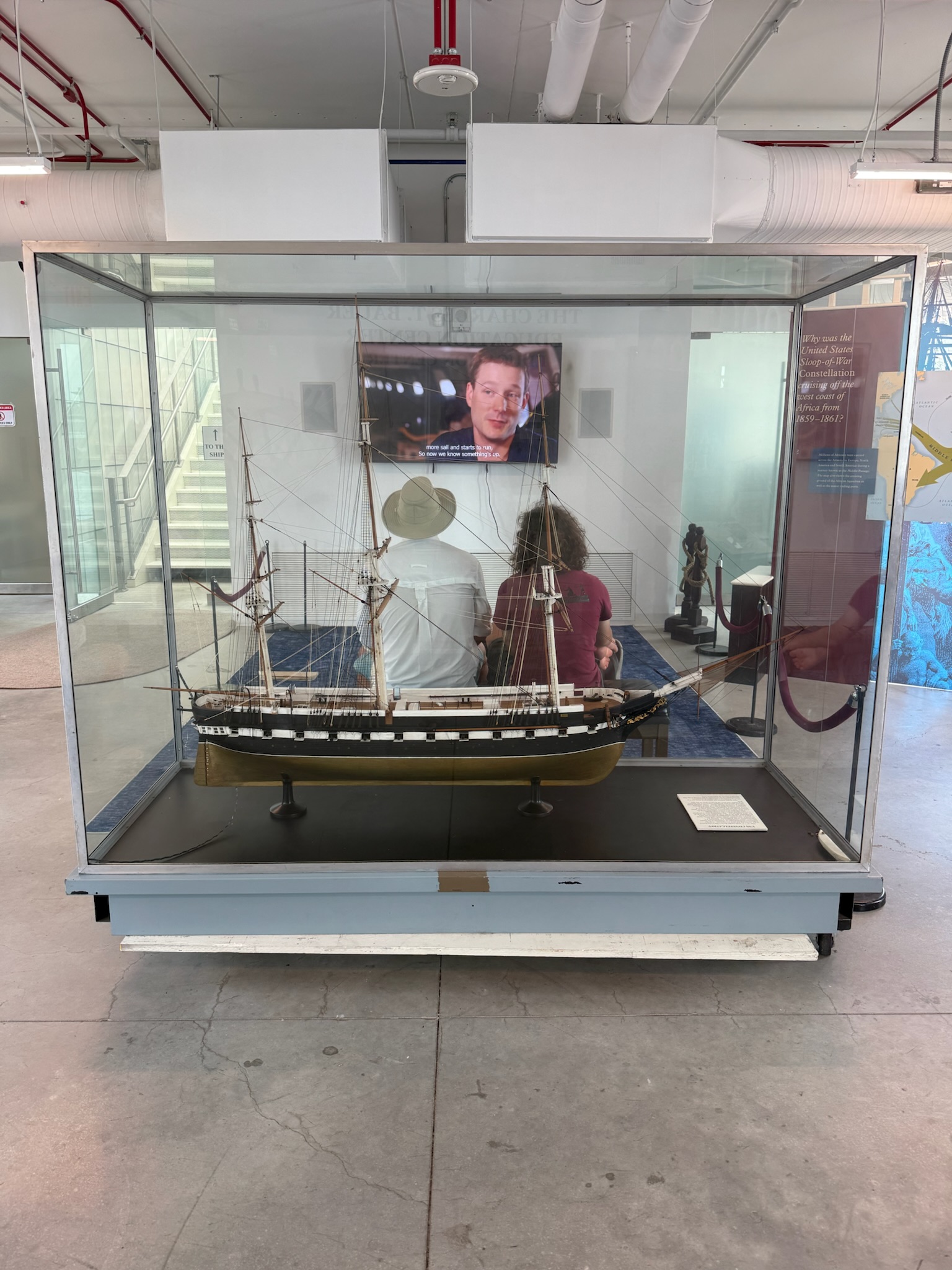
continued… The museum was in a single room. It focused primarily on the history of the slave trade and the USS Constellation’s role in trying to stop the illicit trade after slavery was outlawed. There was also an assortment of artifacts from various years that the USS Constellation was in service and a video playing on a loop. Since it was air conditioned, we were happy to linger in the museum and enjoy the cool air.

In our own personal travels this summer, we’d learned about the inception and progression of slavery in Jamestown. When we visited Fort Monroe, we learned a little bit about the abolition of slavery in 1865. In Yorktown, we’d learned that during the Revolutionary War, more and more colonists opposed slavery and by 1784, five states had already banned slavery. When the fledgling new American government was drafting the constitution in 1787, they set a 20-year moratorium on federally banning slavery, hoping that in 20-years they’d come up with viable political and economic alternatives for the states that relied on slavery.

Continue reading