Historic Ships in Baltimore Museum (MD): The USS Torsk Submarine

Friday, August 15, 2025 – The plan was to get to the submarine museum as soon as it opened. We’d been thwarted the last two times we’d tried to go, so we were hoping that the adage “three times a charm” was true for us.

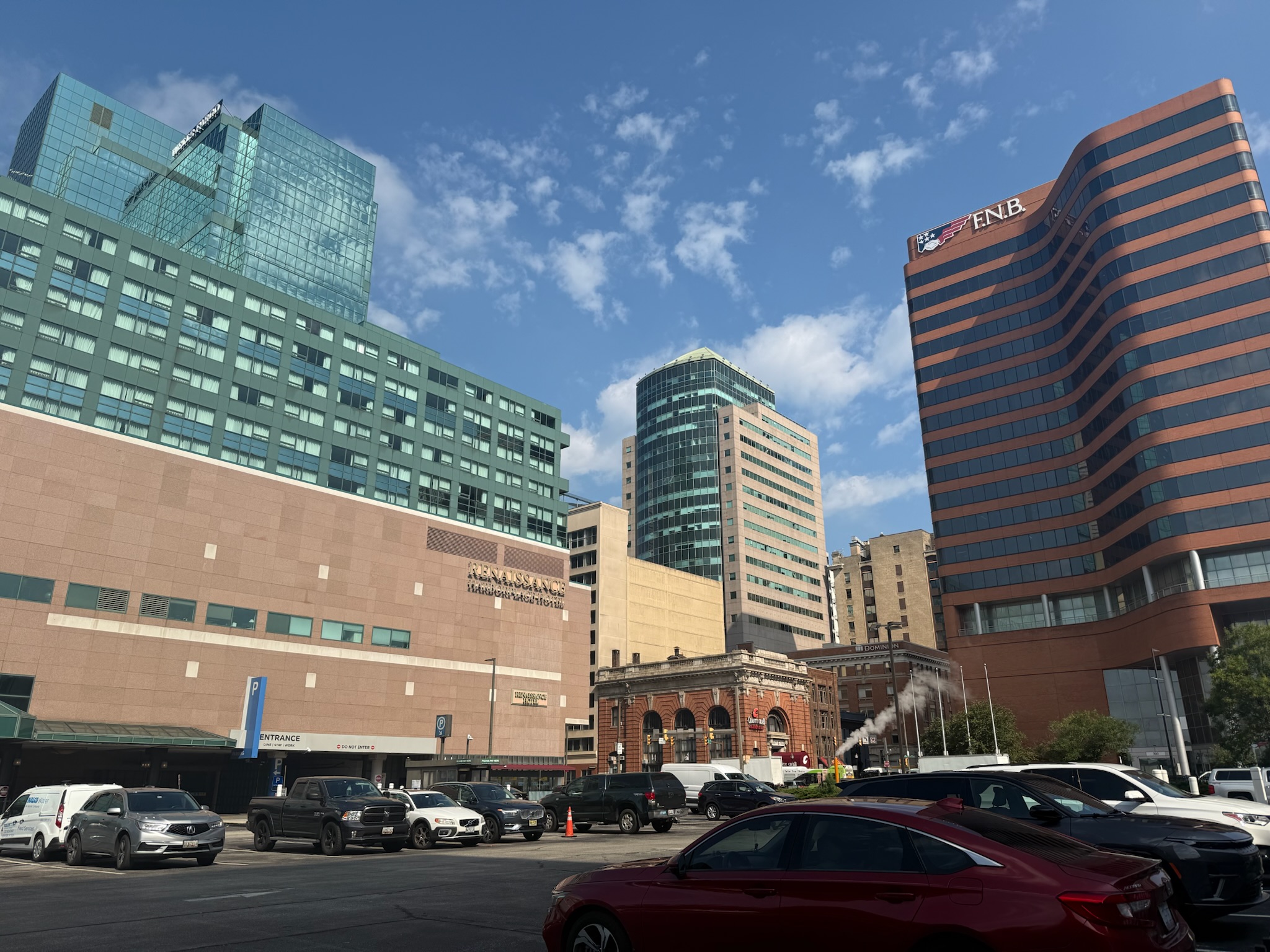
We found a parking spot on the street near the museum with relative ease. We were kind of shocked to find that street parking was $5.00 per hour, with a four-hour limit. This was the view of downtown from where we parked.

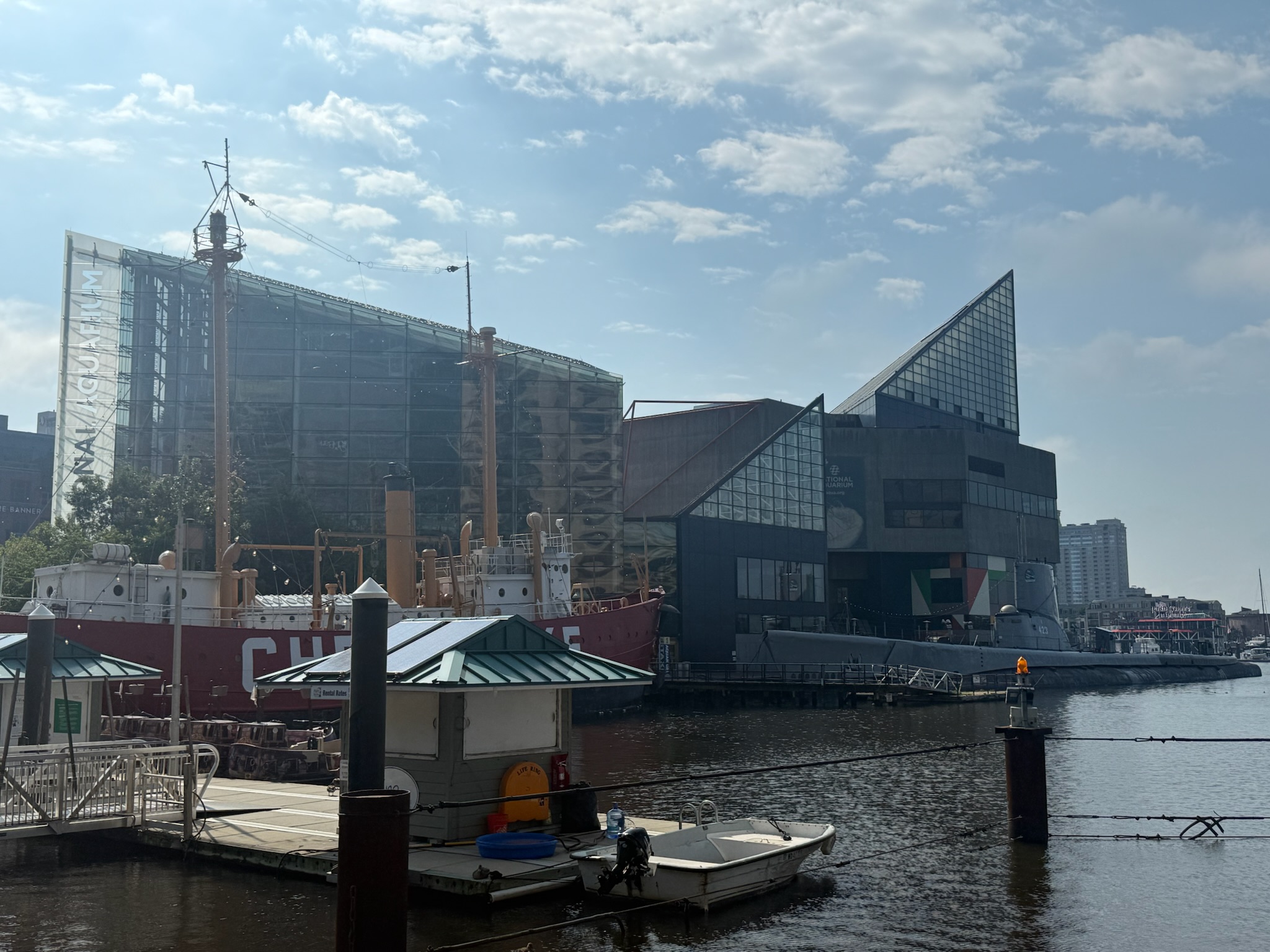
The submarine and a lighthouse ship were docked on Pier 3, right next to the National Aquarium.

Continue reading

A Little Exploring in Canton and Lunch at G&M

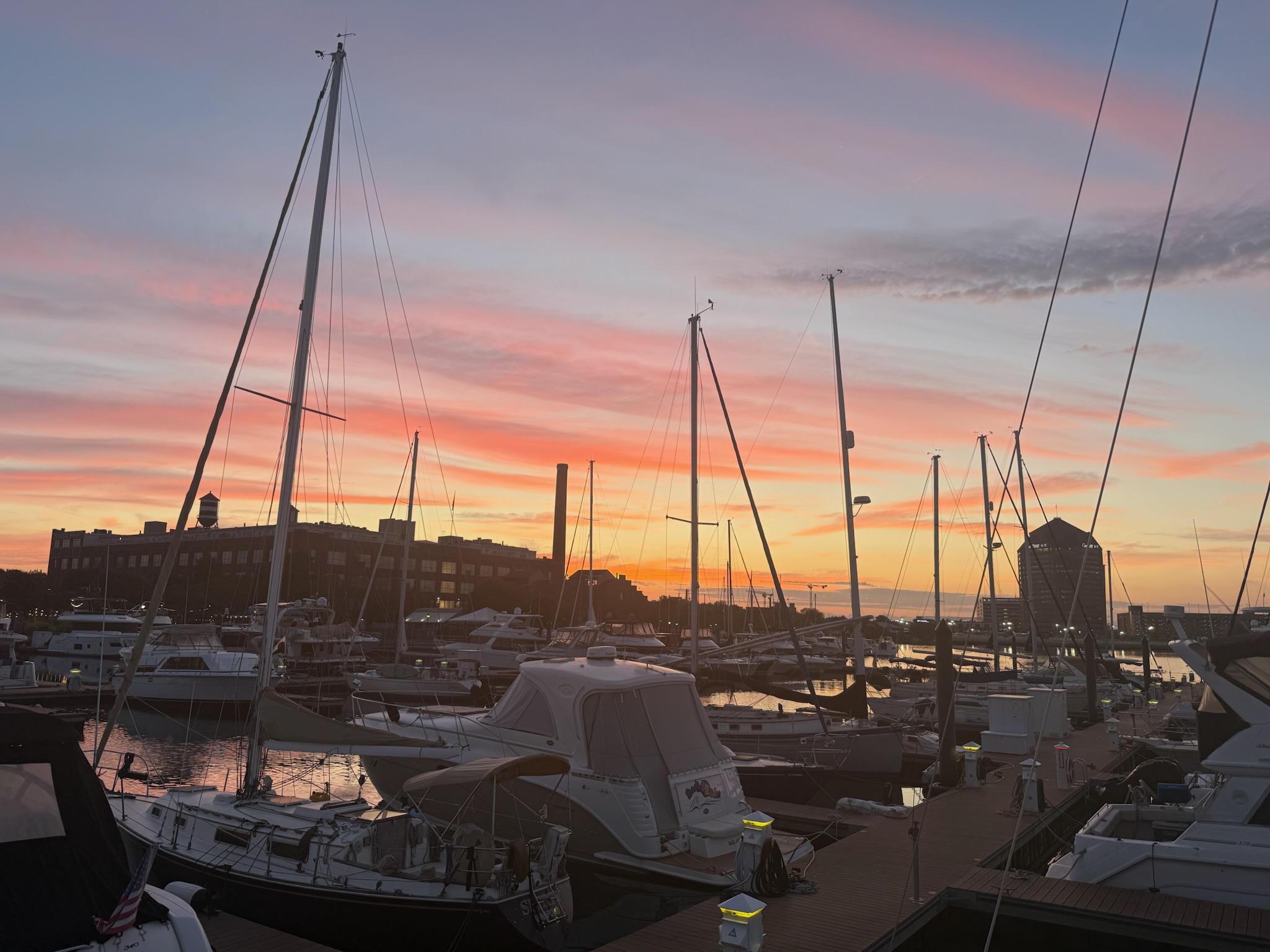
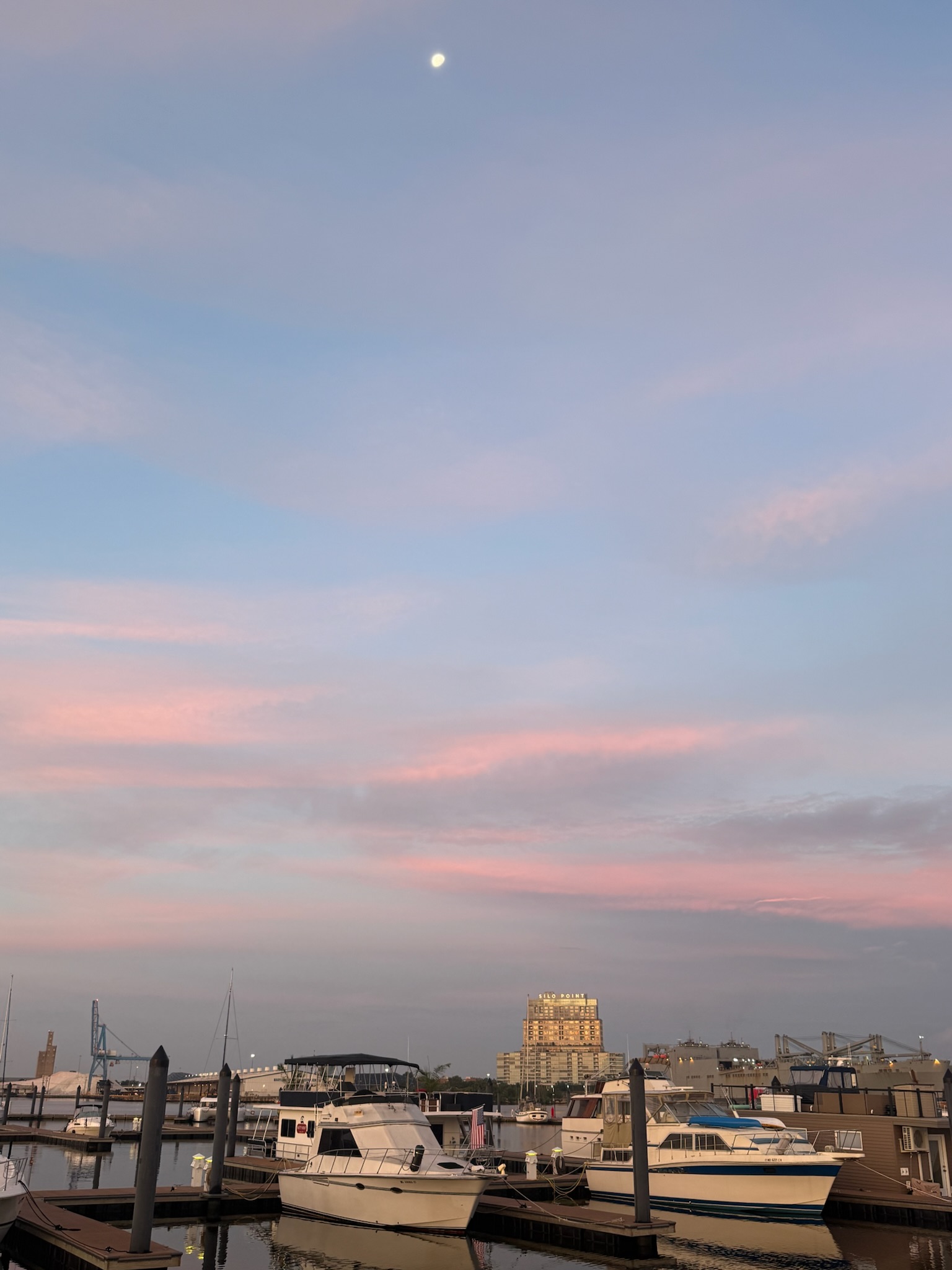
The sunrise on Wednesday, August 13, 2025 was glorious.

Even the west side of the sky lit up with color

Tuesday was a mellow day. It was hotter and more humid than Monday was, and the sky was ominously grey. We did chores around the boat in the morning and early afternoon. In the later afternoon, a family that we’d met at the Latino Festival came by for a visit.

Continue reading

Fort McHenry National Monument and Historic Shrine, Part 2

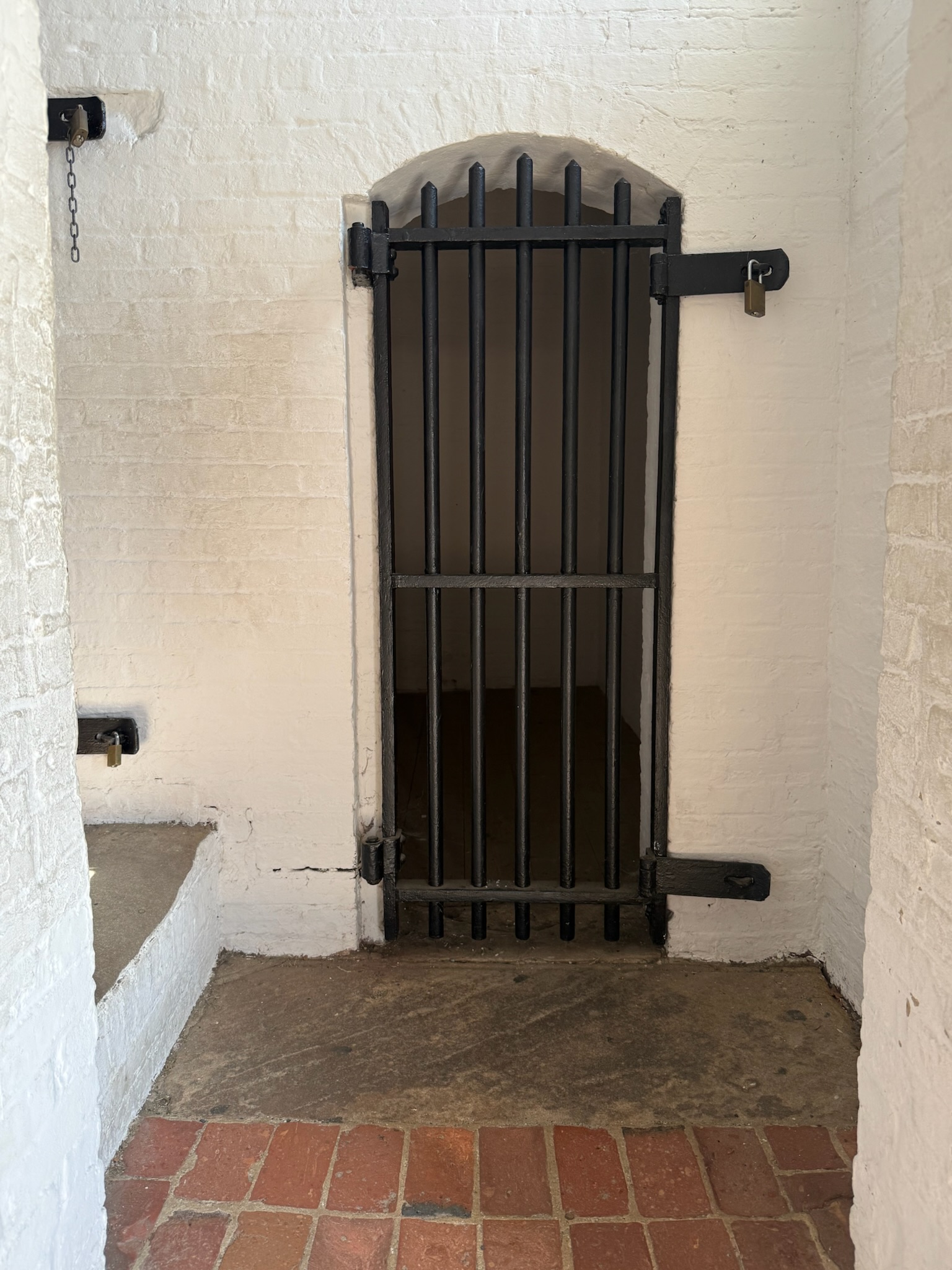
continued…. Going clockwise, the next building (the one near the flag and entrance), was a casemate (fortified chamber) and was used as a prison. The prison had three cells. According to the sign, there was a mattress that was leaned up against the wall during the day and laid on the floor at night for sleeping. The toilet was a barrel that was emptied every morning. They did not allow silverware to be used and cut up the food into small pieces for the prisoners. Bathing was apparently not allowed.

It also had an exhibit about the Civil War. In February of 1861, the southern states formed the Confederacy. It sounds like Maryland had not joined, even though it was a slave state. In April, Confederate forces fired upon Ft. Sumter in Charleston Harbor. A week later, there was an attack on an infantry regiment stationed in Baltimore, and a riot broke out. Four Union soldiers and nine civilians died, telegraph lines were cut and railroad bridges burned. On April 22, President Lincoln suspended the writ of habeas corpus, which meant people could be detained without proof, and put Baltimore under federal control for 6-months. Martial law was imposed, police officers were replaced with Union soldiers, newspapers shut down, telegraph lines were monitored, hundreds of citizens and elected officials were arrested (many held here at Ft. McHenry) for being Southern sympathizers, and Ft. McHenry’s cannons were turned to face the city. The Maryland legislature condemned Lincoln’s actions, viewing him as a dictator who overthrew the public’s freedom. Lincoln believed it was essential to prevent Maryland from joining the Confederacy for Maryland’s own safety and security.

Continue reading

Fort McHenry National Monument and Historic Shrine, Part 1

continued… After the film, we pursued the small exhibit area in the visitor’s center. They had a timeline of events that occurred between 1777 and 2014. Many of the events they chose to highlight were tied to the American flag in some way, such as a few times there were changes to the number of stars, and when laws banning defamation of the flag were passed and then repealed by the Supreme Court. But many of the events highlighted were odd choices, such as the US winning the 1980 winter olympics.

There was an exhibit on The War of 1812 that probably took up half of the display area. We found out that near the start of the war, the Americans had executed a three-pronged attack on Canada, where they won some battles, but lost battles in the most strategic locations. The British attacked the US east coast to draw the US forces out of Canada. In 1814, the British won the war they’d been fighting against France, freeing up more troops to focus on the war in America. They created a naval blockade along the entire coast, damaging America’s commerce and keeping American warships contained. While reading the signs, we remembered that Moses Myers had gone bankrupt as a result of the economic hardship from this blockade.

In 1814, the British were especially aggressive in the Chesapeake, destroying ships filled with valuable cargo, destroying supplies, looting and destroying properties, and waging bloody battles. The British were also offering freedom to slaves who ran away and joined the British troops. The sign in the visitor’s center said about 2,600 slaves took the offer. A different sign at another part of the museum said that 200 slaves joined the British military and 4,000 slaves had run to the British to be resettled, so we’re not sure which set of signs was correct.

Much to the Americans shock, the British burned Washington DC. American leaders hadn’t thought the British would bother with DC, so it was poorly protected. The president and other government officials barely escaped, but they did manage to take some valuable documents with them, such as the Declaration of Independence.

Continue reading

The Trek to Fort McHenry National Monument and Historic Shrine

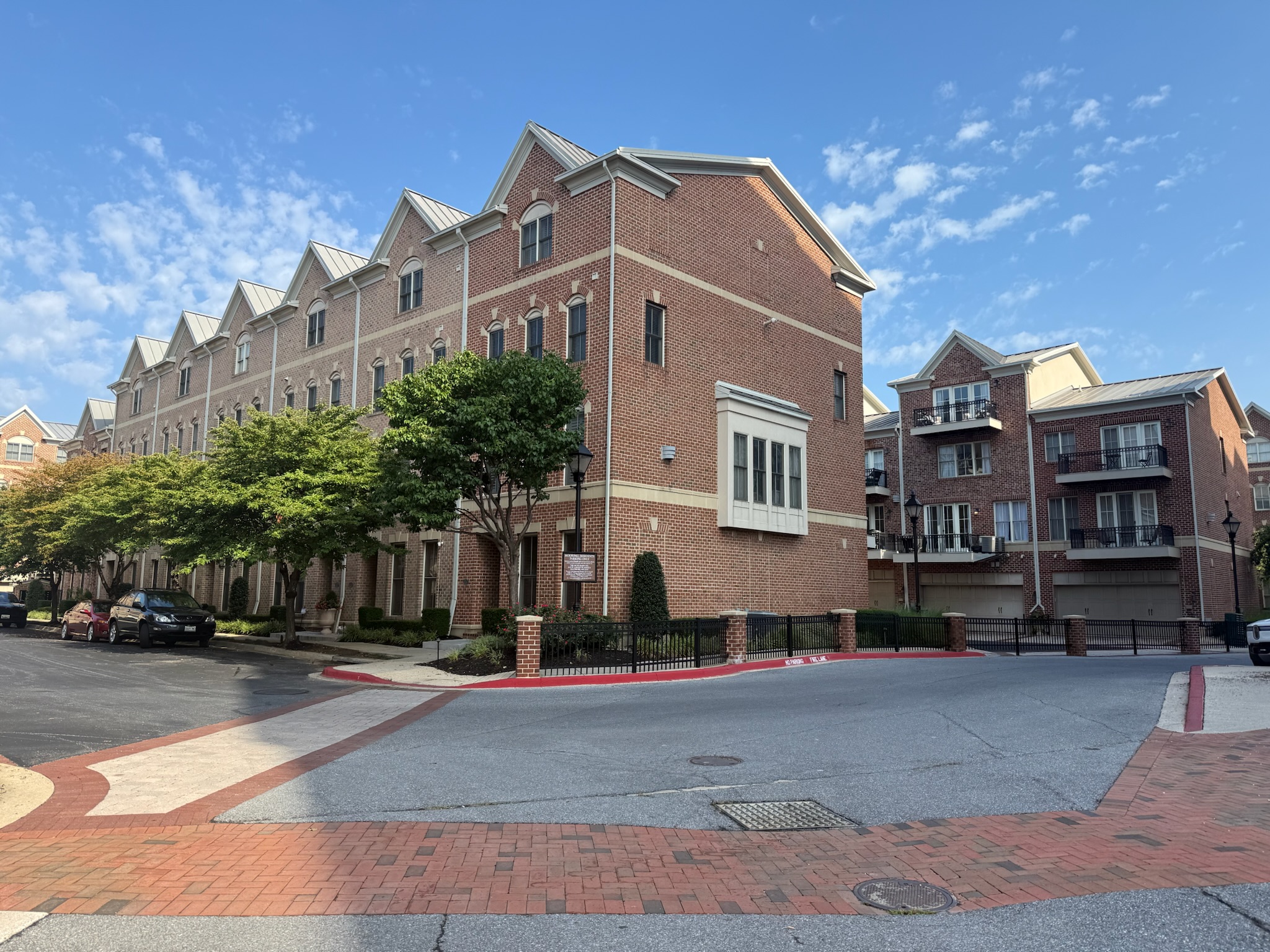
Monday, August 11, 2025 — In the early morning, the weather was great and there were lots of people out. Eric and Keith started the day out with a 1.4 mile walk, heading west along the waterfront towards downtown. Directly next to the large metal condo complex near the marina office (in yesterday’s photos) was a large development of newer- looking townhouses, and they saw mostly these townhomes for the majority of the walk.

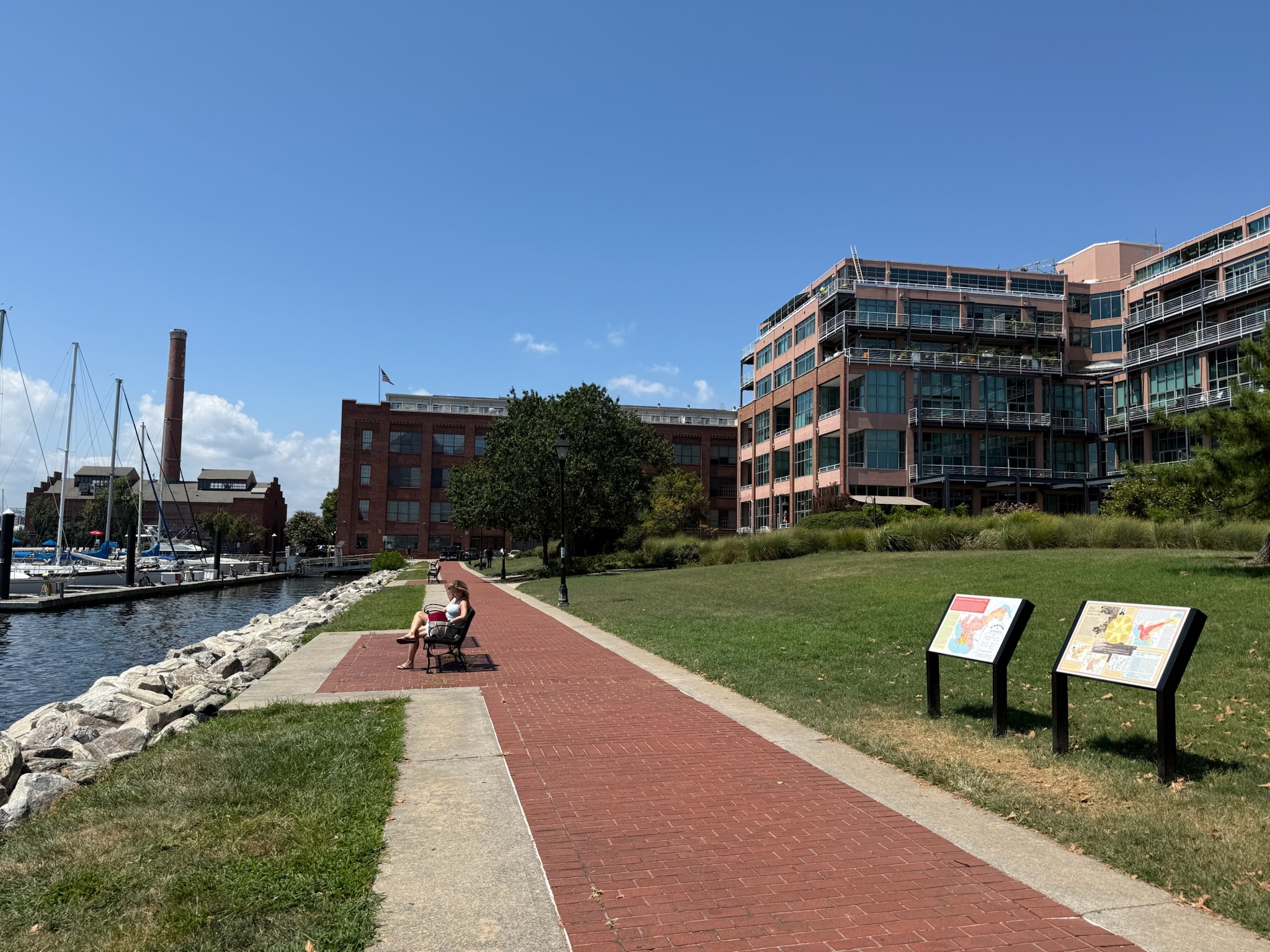
We’d decided to go to Ft. McHenry today. Since there was a ferry stop near us and one at the fort, it looked like it would be easy to get there. We walked east along the waterfront for 1/4 mile to the Canton Waterfront Park Terminal. Here is a shot taken from the ferry terminal looking back towards the marina.

Continue reading