Keith’s Perspective on Gettysburg and Our Fourth Week in Annapolis/Le point de vue de Keith sur Gettysburg et notre quatrième semaine à Annapolis

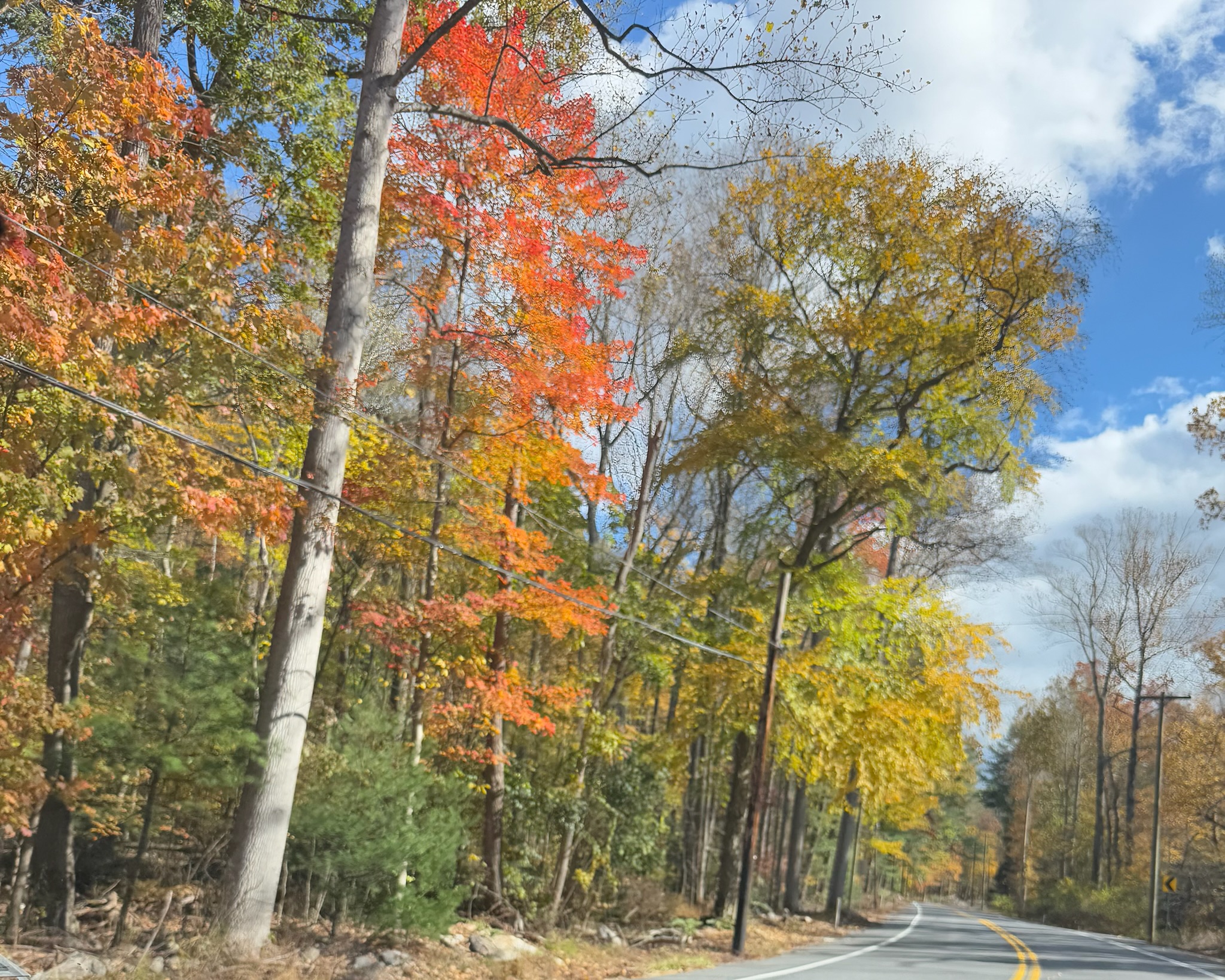
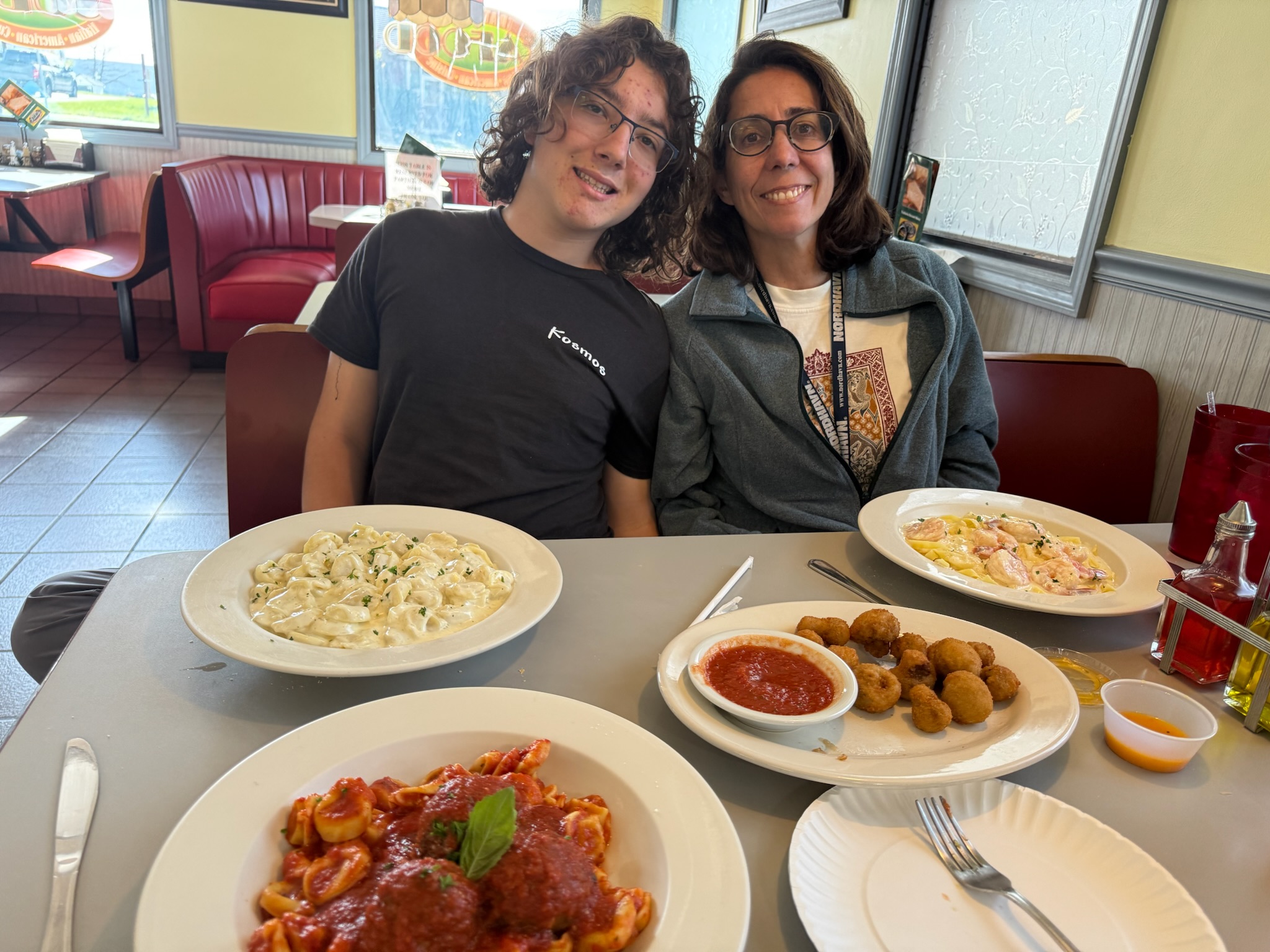
This week has been fun. On Saturday, we drove up to Pennsylvania to see the leaves change color. We stopped at an Italian restaurant, which I thought was going to be meh but it turned out to be really really good. Afterwards we went to Gettysburg. Mom promised that we wouldn’t go to a museum, but dad had other plans! We went to the museum of the Gettysburg address. I learned that I was very bored and that my parents are liars (just kidding). Mom is saying I have to put something I learned, so I learned that Abraham Lincoln was not the main speaker at the dedication of the cemetery where he gave the address. 

Continue reading

The Maritime Museum in Annapolis, MD

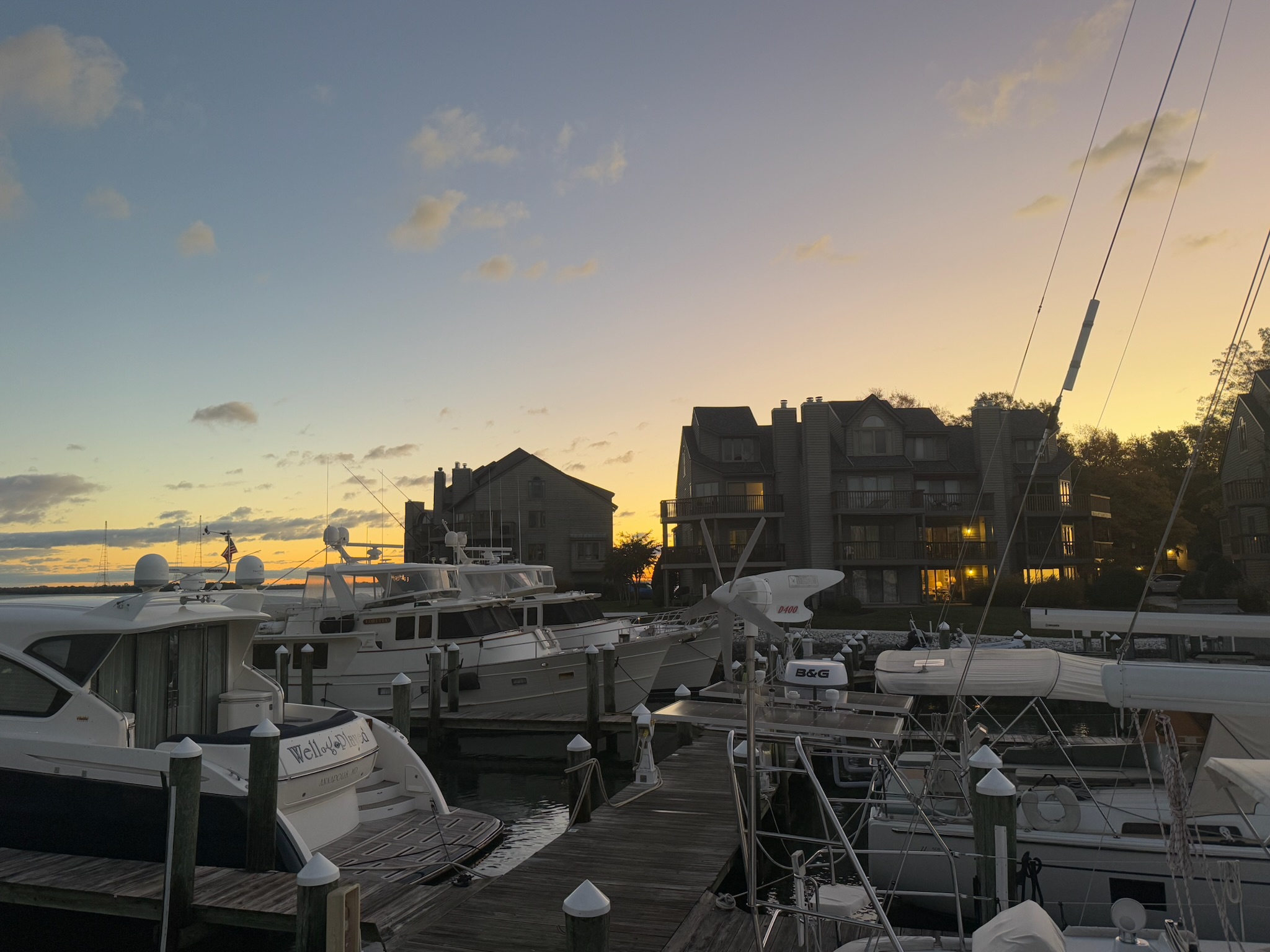
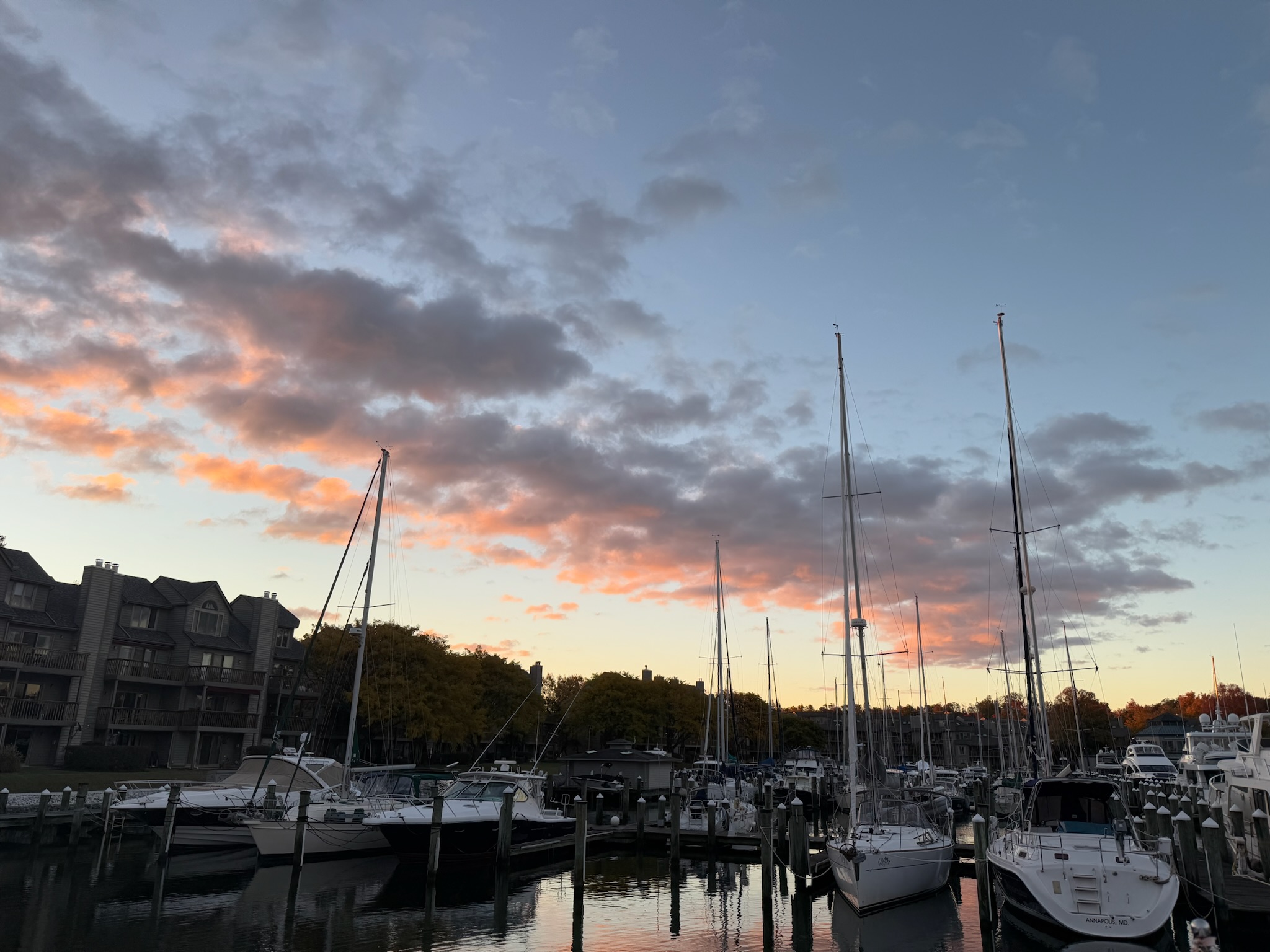
Friday, October 31 — This morning it felt like 38 degrees with wind chill factor. Christi had a hard time dragging herself outside to watch the sunrise. Because of the cold, she didn’t stay outside long, but she was glad she at least got to enjoy a few minutes of the lovely dawn, Here were a couple shots:

We were pleased to report that this morning, the flooding was gone and all was back to normal in the marina. While Christi and Keith did school, Eric cleaned the sea strainers. There was lots of mud in them and two live fish! One fish was long and skinny. He thought it looked like a snake and wondered if it was an eel.  

Continue reading

Flooding in Annapolis, MD

Thursday, October 30 — Yesterday, morning, we spent a long time discussing whether we should leave Annapolis today for Bermuda. The forecasts promised good weather for the passage. But… Hurricane Melissa, which had decimated Jamaica on Tuesday as a category 5, was still in the Caribbean. It had calmed down to a category 3 and was en route to Bermuda. It was expected to calm down to a tropical storm by the time it hit Bermuda and would be long gone by the time Kosmos arrived. But we’d learned the hard way that when there was a hurricane in the broader area, it could make local forecasts inaccurate, so we ultimately decided that the forecasts couldn’t be trusted and it was best to stay put.

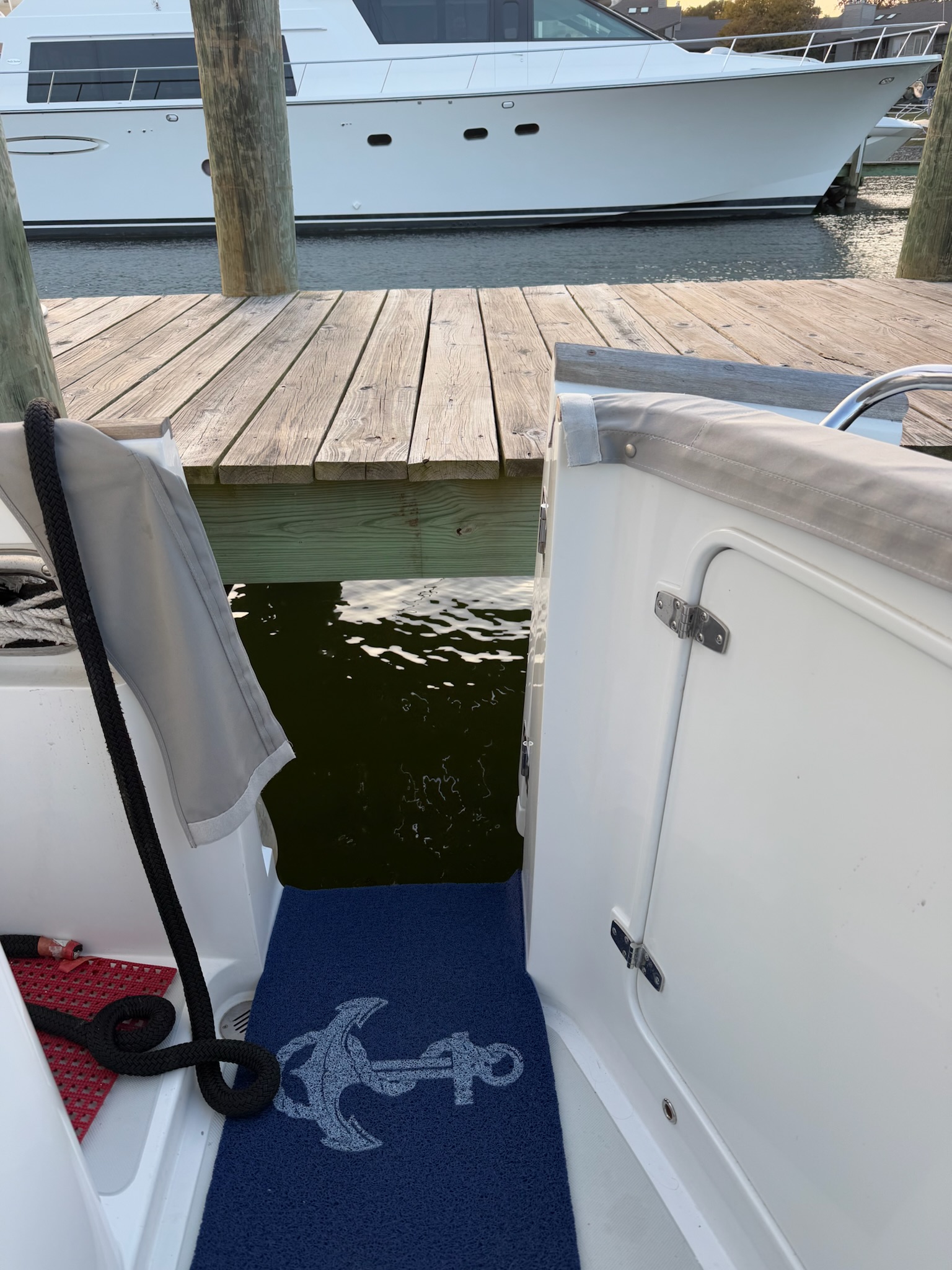
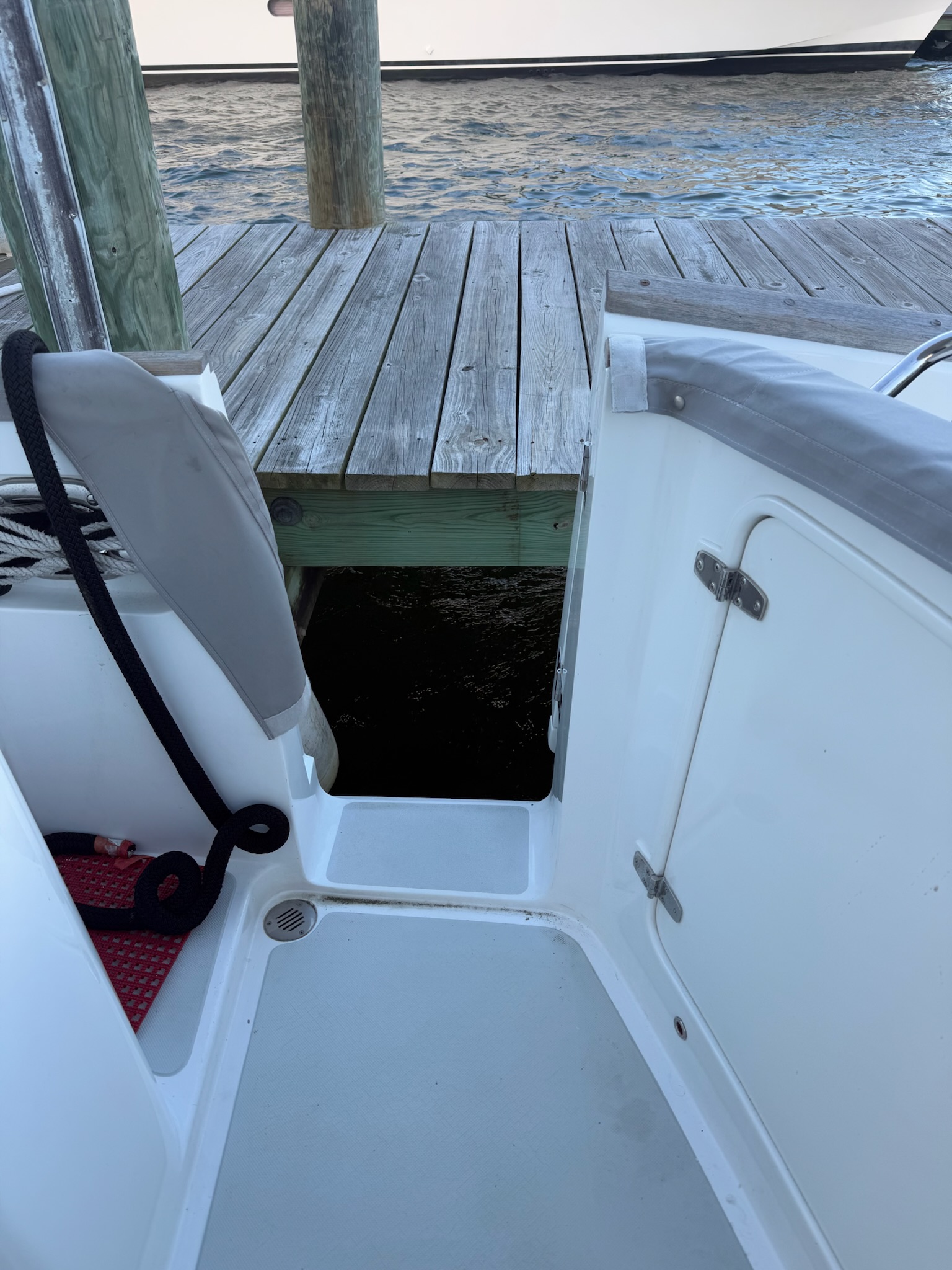
Meanwhile, a storm was coming from the north that was supposed to hit tonight. While Christi and Keith were doing school, Eric spent a long time adjusting the lines and added 4 more lines in anticipation of the storm. For perspective to help understand the tide swings, the first photo was taken near low tide, the second photo near high tide.

Continue reading

The National Military Park Museum in Gettysburg, Pennsylvania – Part 5

continued… Three weeks after the battle ended, Gettysburg attorney David Willis wrote to the Pennsylvania governor and proposed a new cemetery location in Gettysburg where the soldiers in the temporary graves could be properly buried. Wills got the approval from the governor and purchased the 17-acres of land. He hired a landscape architect, who designed the cemetery as a semi-circle, with soldiers of each state buried together in distinct sections.

Moving the bodies from the temporary graves to the cemetery sounded like it was a tough job. Wills paid contractors $1.59 per body moved. 3,555 bodies were moved within two years. It sounds like they were diligent to make sure all the Union soldiers bodies were moved… and it sounds like many Confederate soldiers bodies were overlooked for a decade. After the overlooked bodies were finally exhumed, they weren’t buried at the cemetery in Gettysburg — instead, they were shipped south.

Continue reading

The National Military Park Museum in Gettysburg, Pennsylvania – Part 4

continued…  The attack on one side of the line began at 1530, the other at 1600. At 1800, fighting began at a third location. The fighting continued until nearly midnight, with 19,000 casualties in total. The signs described how copious amounts of dead bodies were strewn over the landscape and the earth was red, soaked with blood. The Confederates had again performed slightly better, but the Union had done a good job of keeping most of their ground.

Per one sign, Union commanders agreed to stay put on the high ground and maintain a defensive strategy. Per another sign, the Union army attacked the Confederates at dawn on July 3 in one spot and fought for seven hours.

It sounded like once the fighting ended in that spot, General Lee decided to attack the center of the Union line. James Longstreet, who was assigned to lead the charge, was dubious that the Confederates could win, but followed orders. That assault began at 1300, with 160 cannons firing on the Union. Nearly 100 Union cannons fired back. Some of the gunners bled from both ears from the concussion. At 1500, in 90-degree Fahrenheit (32-degrees celsius) heat, what is now referred to as Pickett’s Charge commenced. 12,000 Confederate soldiers came out of hiding in the woods, formed a nearly one-mile wide line, and marched towards the Union lines. They were shot at as they marched, and men were continuously falling. With each fall, the men would “close ranks”, meaning the men still marching would move closer together to fill the gaps left by the fallen soldiers. There were “stout rail fences” in between the Confederate and Union soldiers that “proved to be a deadly obstacle.” It took the Confederates about a half-hour to reach the Union line. They briefly broke through the line, but quickly retreated. The Union soldiers cheered at the retreat. Nearly half the Confederate soldiers were killed, wounded or captured.

Continue reading