The Walters Museum in Baltimore, Maryland – Part 1

Saturday, September 13 — We’d planned to go to The Walters Museum and Peabody Library this afternoon. Keith was opposed to going to yet another museum, but Christi and Eric managed to talk him into going because Walters had a large collection of medieval weaponry and armory.

The museum was almost 3.5 miles away, near the Washington Memorial. We could have taken public transit, but it would have taken at least an hour and involved about a mile of walking each way to/from the transit stops. Even though it was a gorgeous day, we’d walked 8-miles yesterday and just didn’t feel like we could do another extensive day of walking. We called a ride-share, instead, and were door to door in minutes.

The museum appeared to be two separate buildings that had been fused together. They each had a very different architectural style, so it was kind of weird looking. We entered through a set of doors set in the glass panel towards the left in this photo. Per the map, we were in the Centre building. The more ornate building was the Charles building. The map indicated there was also a third building on the west side of the Charles building called the Hackerman House.
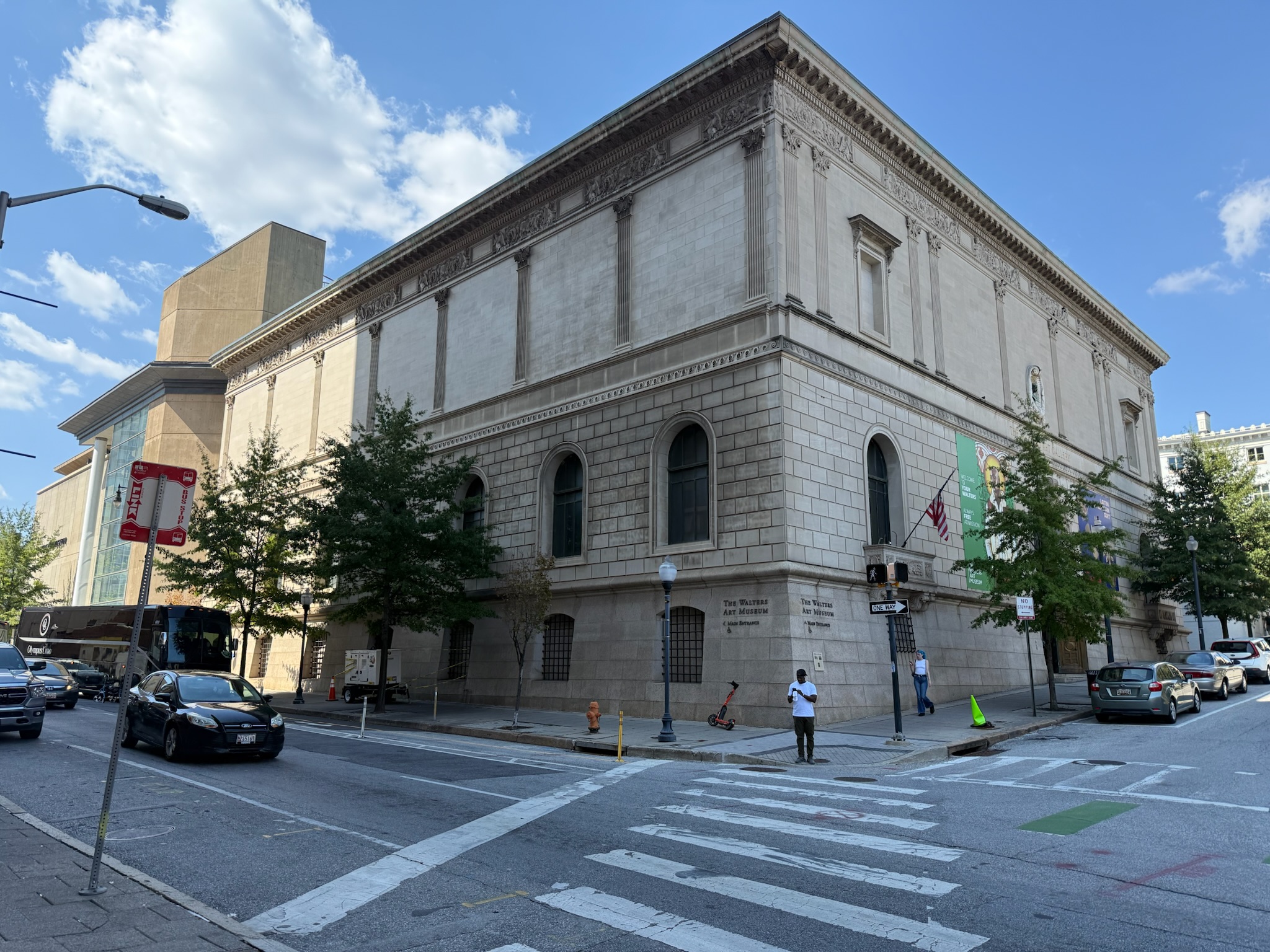
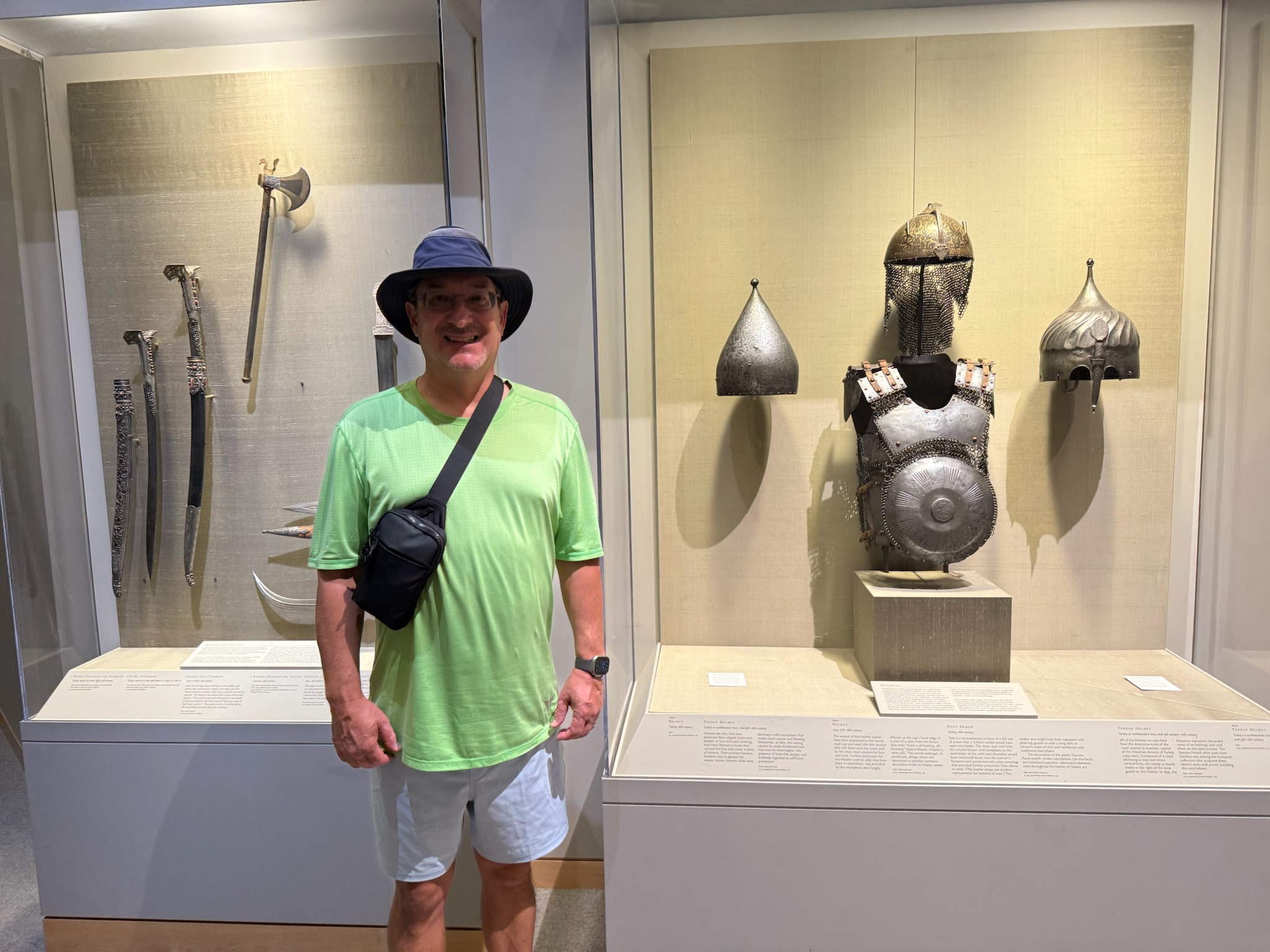
The bus belonged to a tour group of senior citizens from Georgia, and we entered with them. We were delighted to find that admission was completely free for everyone! In order to leave the group behind, we headed up the stairs and started on the 3rd floor of the Centre building, where the medieval exhibit was located. Keith was disappointed to find that the armory exhibit was small.
Continue reading

The Museum of Industry in Baltimore, Maryland — Part 2

continued

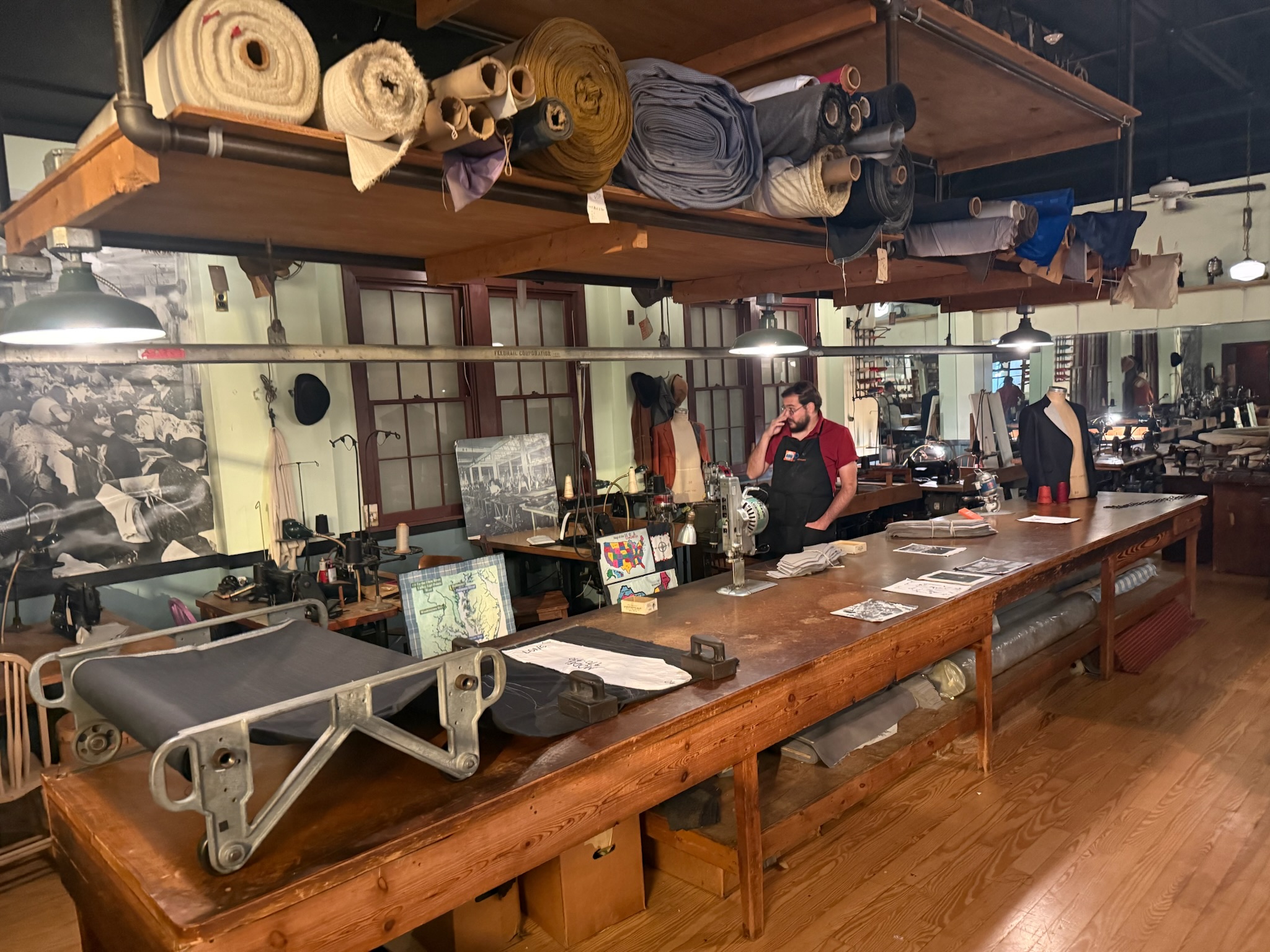
Next we went into another large room that was set up to look like a clothing manufacturing facility. Baltimore was also a hub for clothing manufacturing. Our tour guide showed us the revolutionary technology of the era that made mass-produced clothing possible — a device that simultaneously cut many pieces of cloth stacked together instead of cutting one piece at a time. Coupled with an assembly line sewing process, where each woman on the line sewed a particular piece of the garment and then passed it on to another who would sew her particular piece, ready-to-wear clothes could be quickly produced. The machines were loud and deafness was a problem for the workers.

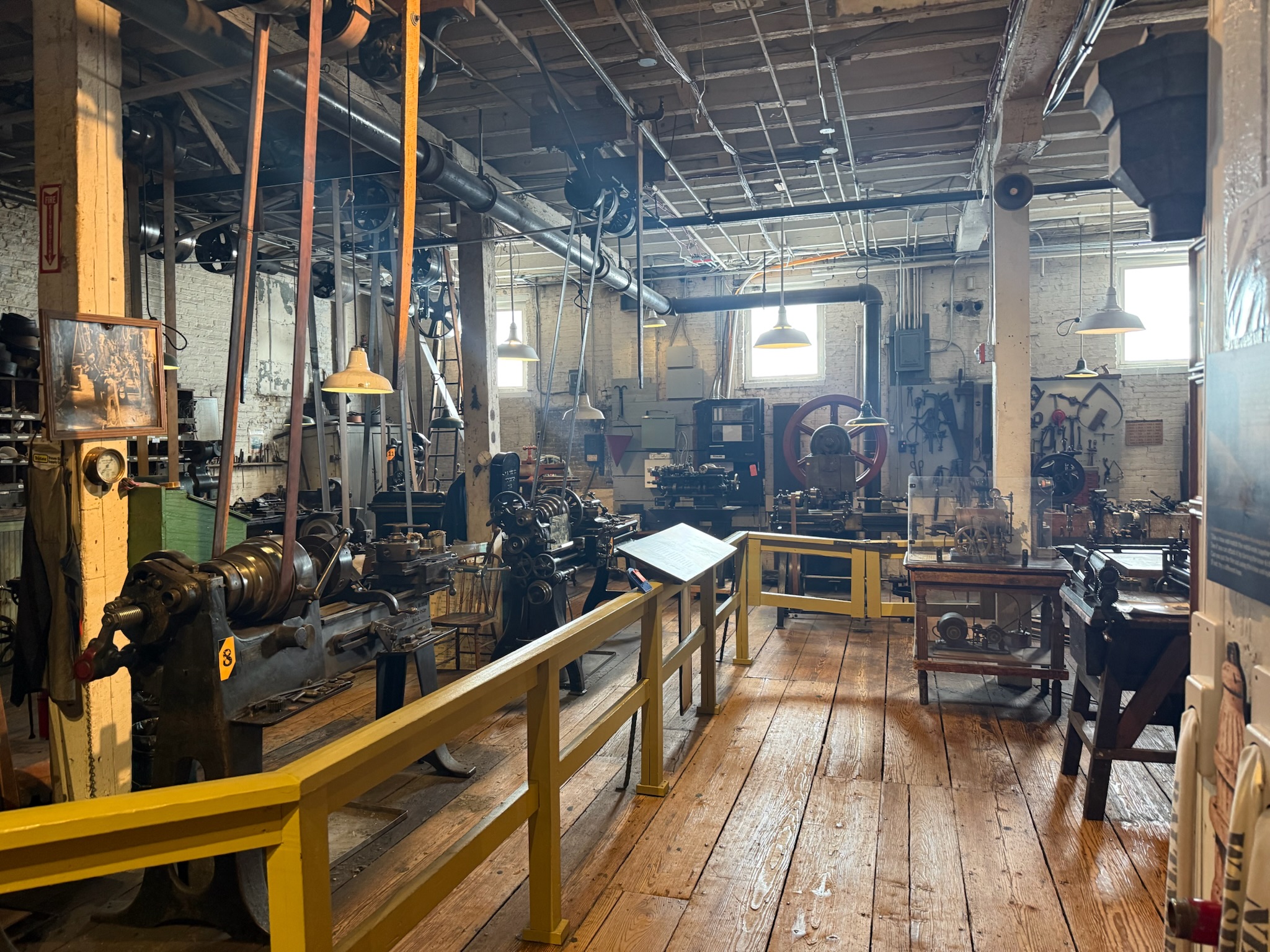
Next we went to a section that was designed to look like a belt-driven machine shop from 1910. Baltimore had also once been a hub for fabricating parts and tools for various industries. Most of the machines were connected via belt to a rod that ran along the ceiling. The rod rotated, moving the belt and powering the machine. The rod was rotated by a steam engine in the corner.

Continue reading

The Museum of Industry in Baltimore, Maryland — Part 1

Wednesday, August 26 — We spent the morning getting ready for our trip to San Diego. By the early afternoon, we were feeling like everything was as ready as could be. We decided to go to the Museum of Industry, which focused specifically on the manufacturing industries of Baltimore that “modernized the nation.”

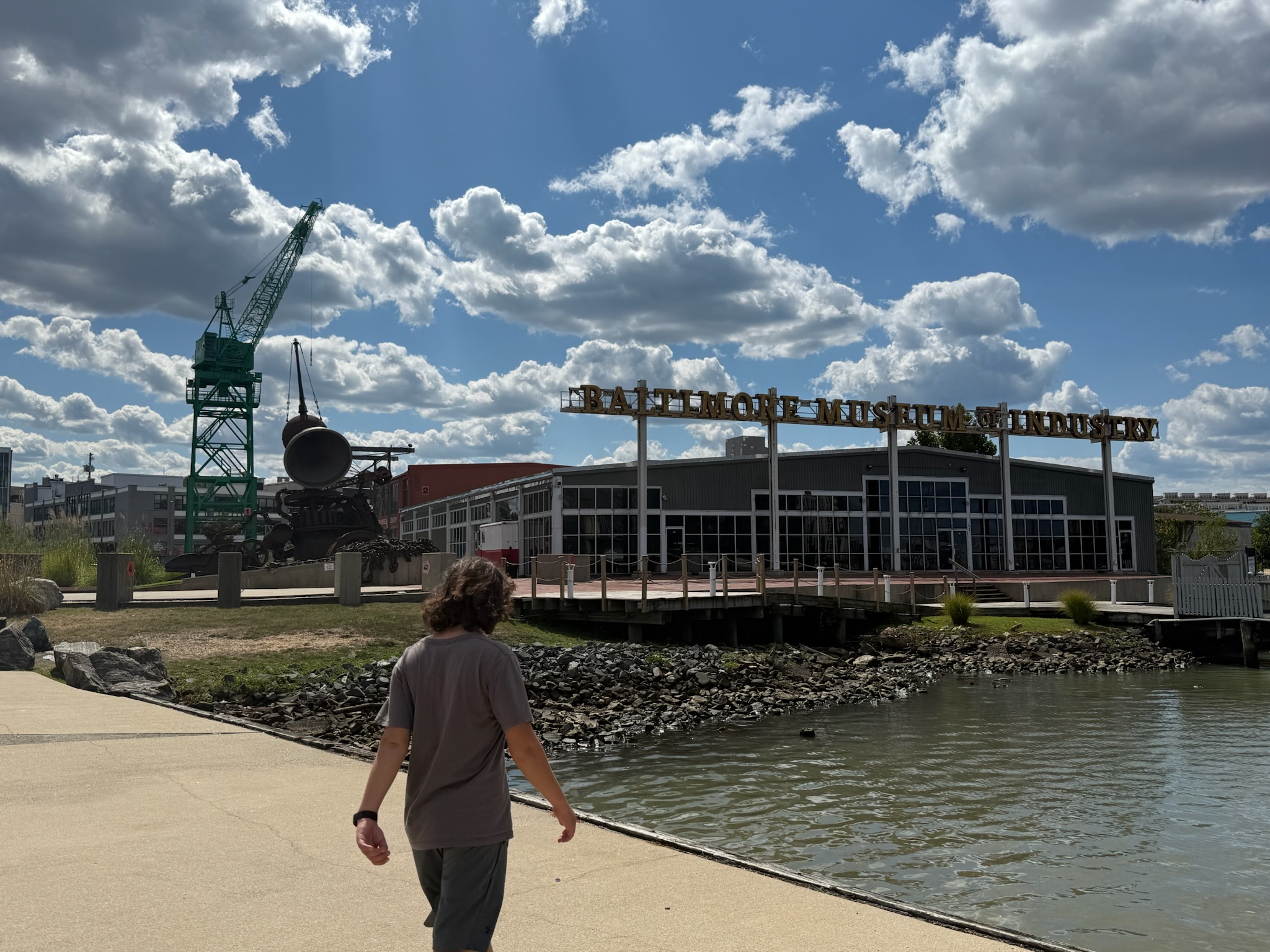
We drove through downtown to the south side of the peninsula that made up the inner harbor. The museum was on the waterfront in a building that was clearly a refurbished old industrial building. Parking was free in the attached lot.

Tickets were $15 for adults and $8 for children 6 – 17. The receptionist told us a free guided tour was about to begin highlighting the black people who were significant in Baltimore’s history. We generally enjoy guided tours, so we signed up.

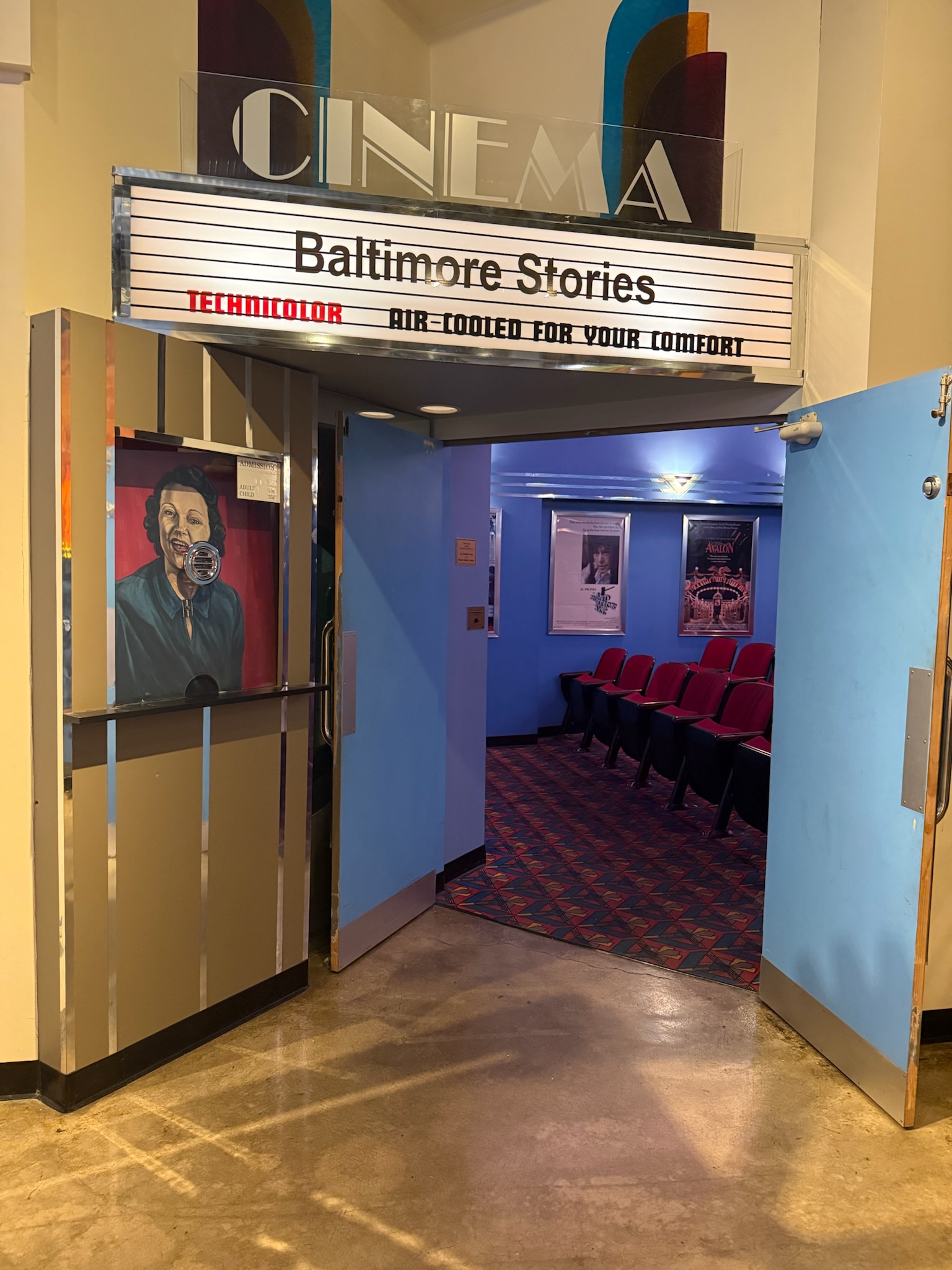
We waited in a small movie theater near the entrance that was showing a film about Linotype machines, which was the most revolutionary change to printing since Gutenberg invented the printing press circa 1440. The machine was invented in Baltimore by a German immigrant between 1882 and 1884. Instead of setting each individual letter by hand, one could type a single line of text and the machine 3-D printed the line from molten lead. The lines were then hand set into the printing press. The discarded lines of tin were reinserted into the machine for melting. The Linotype was rendered obsolete by laser printers.

Continue reading

Keith’s Perspective on D & D Camp in Virginia Beach, VA/Le point de vue de Keith sur le camp D & D à Virginia Beach, en Virginie

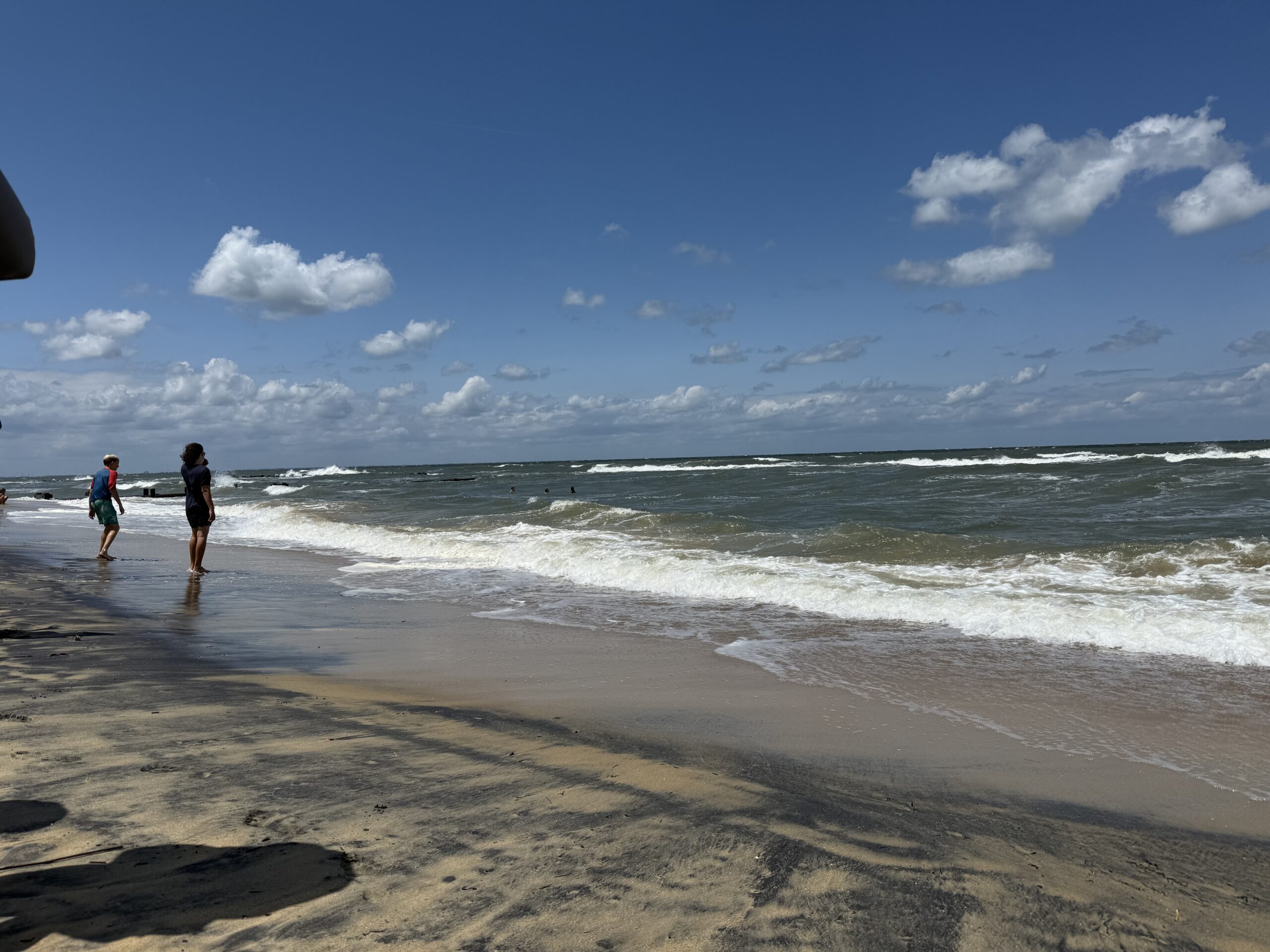
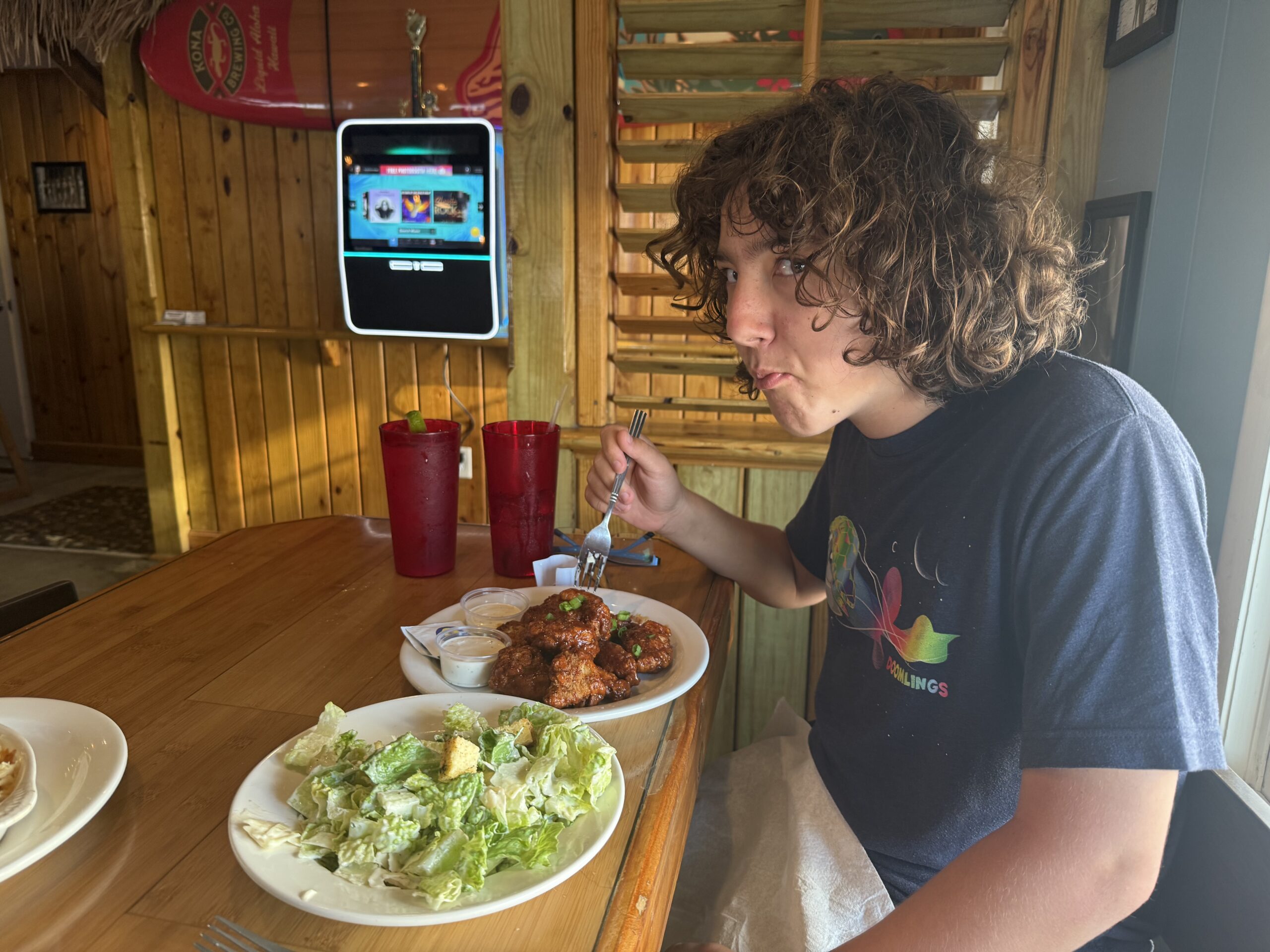
This week has been fun. On Saturday, we went to lunch at a Japanese restaurant, then went to the beach with Blue Heeler. The temperature was amazing, it felt like San Diego. For dinner, we went to a restaurant called Longboard’s, which is just across the river. On Sunday, we went to First Landing National Park with Blue Heeler and went for a three mile walk. We saw some big spider webs and a snake. 

Cette semaine était amusante. Samedi nous sommes allés à un restraurant japonais, puis allés à la plage avec Blue Heeler. Le température était trop bonne, ça ressemblait à San Diego. Pour le dîner nous avons mangé à un restaurant qui s’appelle Longboard’s, qui était de l’autre côté de la rivière. Dimanche nous sommes allés à First Landing National Park avec Blue Heeler et allés faire une promenade de 3 miles. On a vu des grandes toiles d’araignées et un serpent.

Longboard’s
Continue reading

Keith’s Perspective on the Week in San Diego and Virginia/Le point de vue de Keith sur la semaine à San Diego et en Virginie

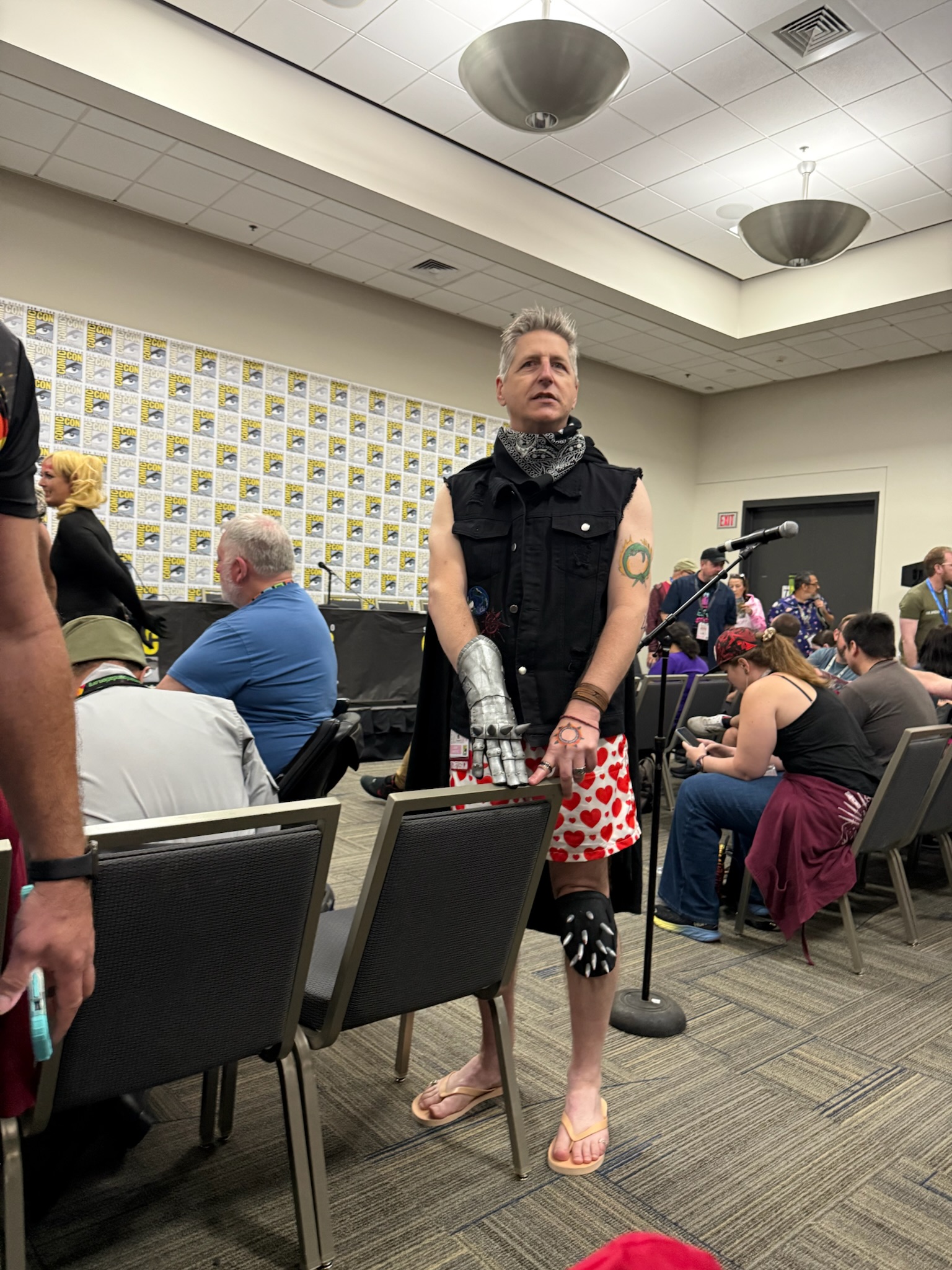
Dungeon Crawler Carl Cosplayer
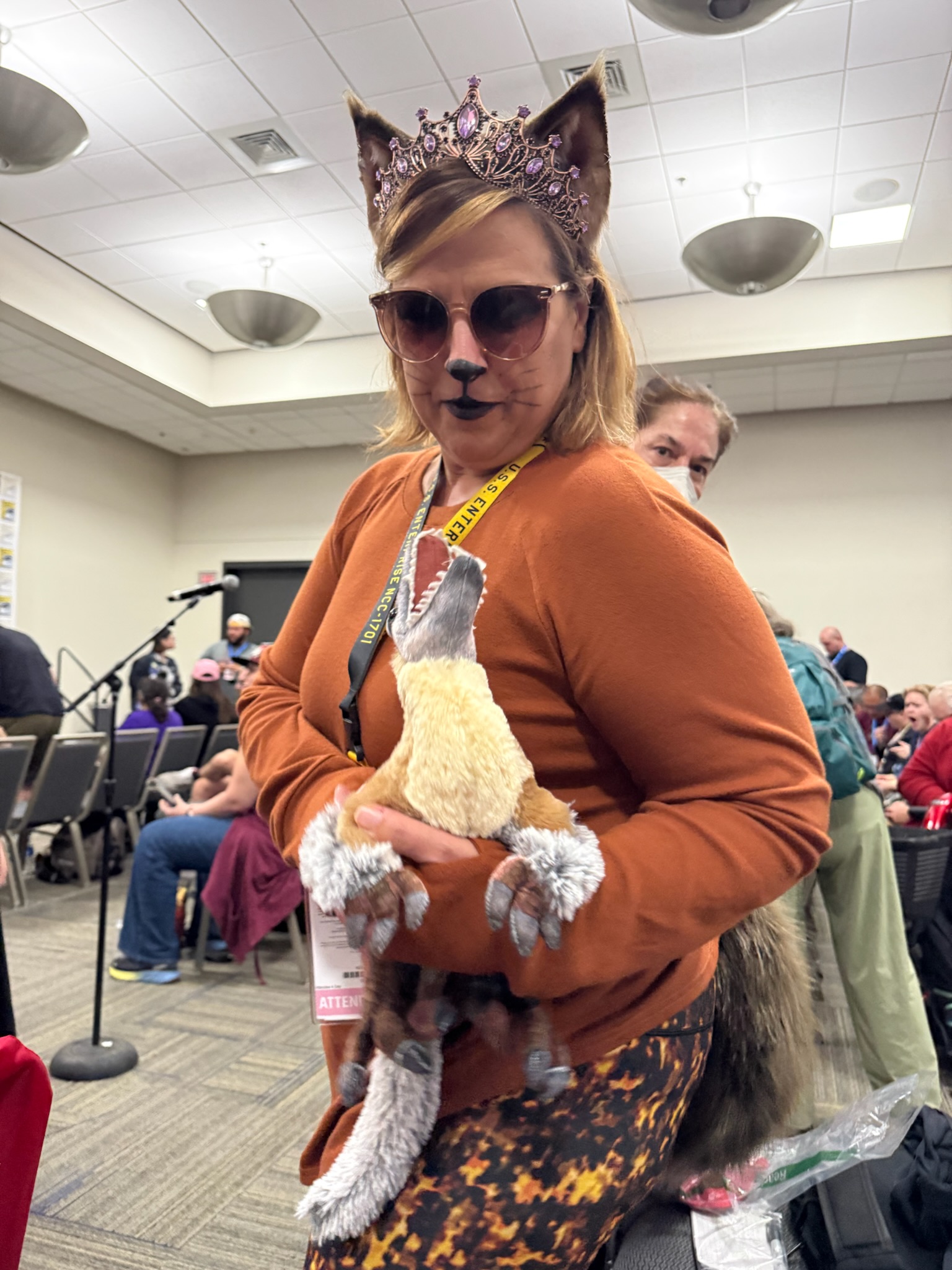
Princess Donut Cosplayer

This week has been amazing. On Saturday, we went to Comicon for our last day there. We went to a panel with Matt Diniman and the narrator of Dungeon Crawler Carl, Jeff Hays. After the panel, we went to an event sponsored by Audible. It was at an arcade, and both Matt Diniman and Jeff Hays were there. It had free food and arcade games, as well. We waited in line for two and a half hours before we got in. Matt had to go do something else, but we still got a picture with him as he was leaving. We also got free mugs, and Jeff even signed one of them for me! 

Continue reading