Historic Ships in Baltimore Museum (MD): The USS Constellation – Part 2

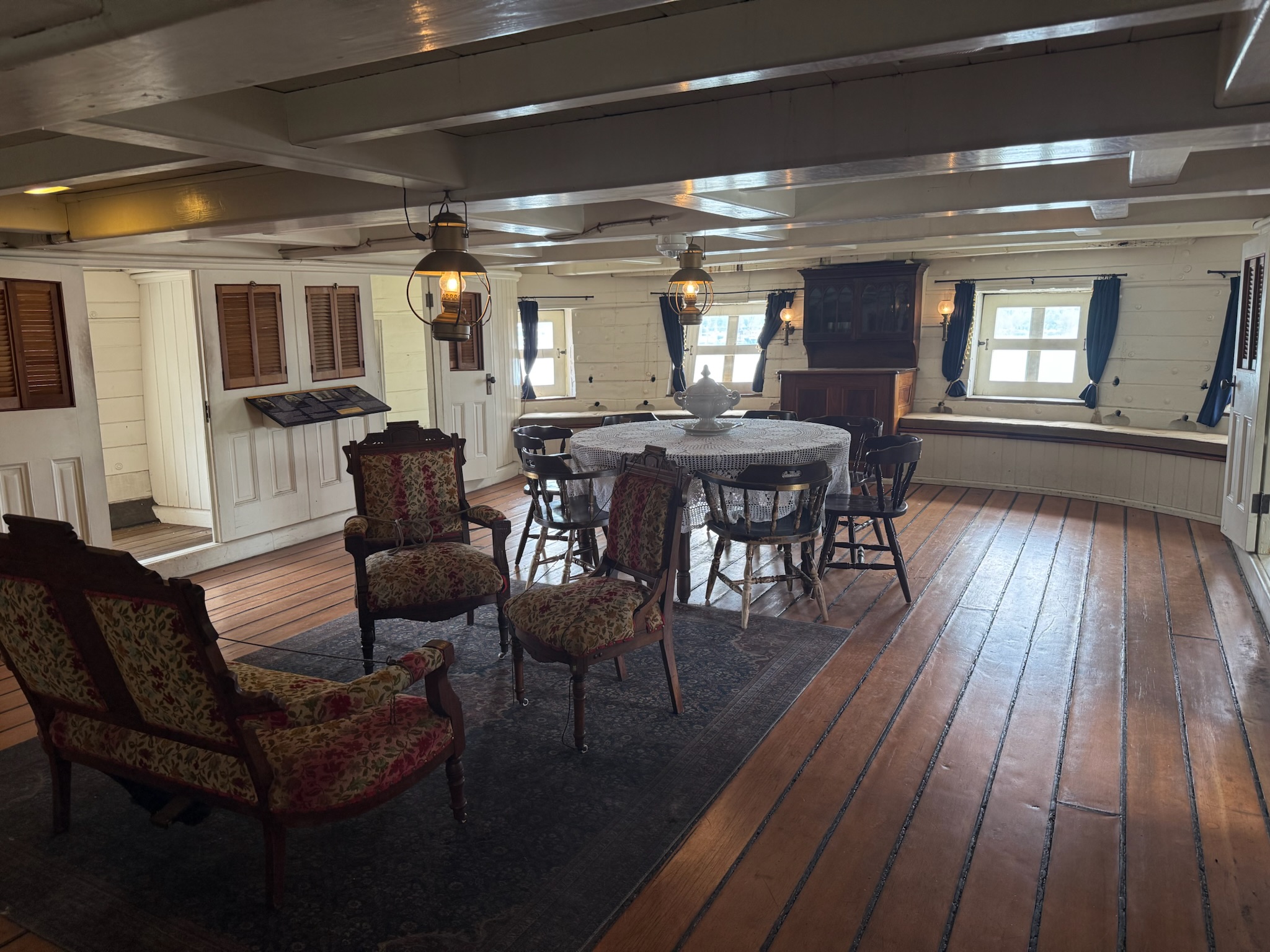
continued… The Captain’s cabin was a suite of six rooms used for sleeping, administration, dining and entertaining. The signs in this room also had details about USS Constellation’s early years and Civil War service: her first assignment after commissioning was in the Mediterranean Sea protecting merchant ships from raiders, and she was there for the first few years of the war (under the Union). If we understood the sign correctly, it sounded like the Confederates may have been confiscating ships.

The middle area with the dining table and lounge chairs was called the “Day Cabin.” Apparently, etiquette required the captain to entertain frequently. He’d host dinners for his officers and, when the ship was in foreign ports, would host dinner parties for foreign dignitaries. There were small private rooms with doors on the port and starboard sides.
The captain had a feather bed in his sleeping area.
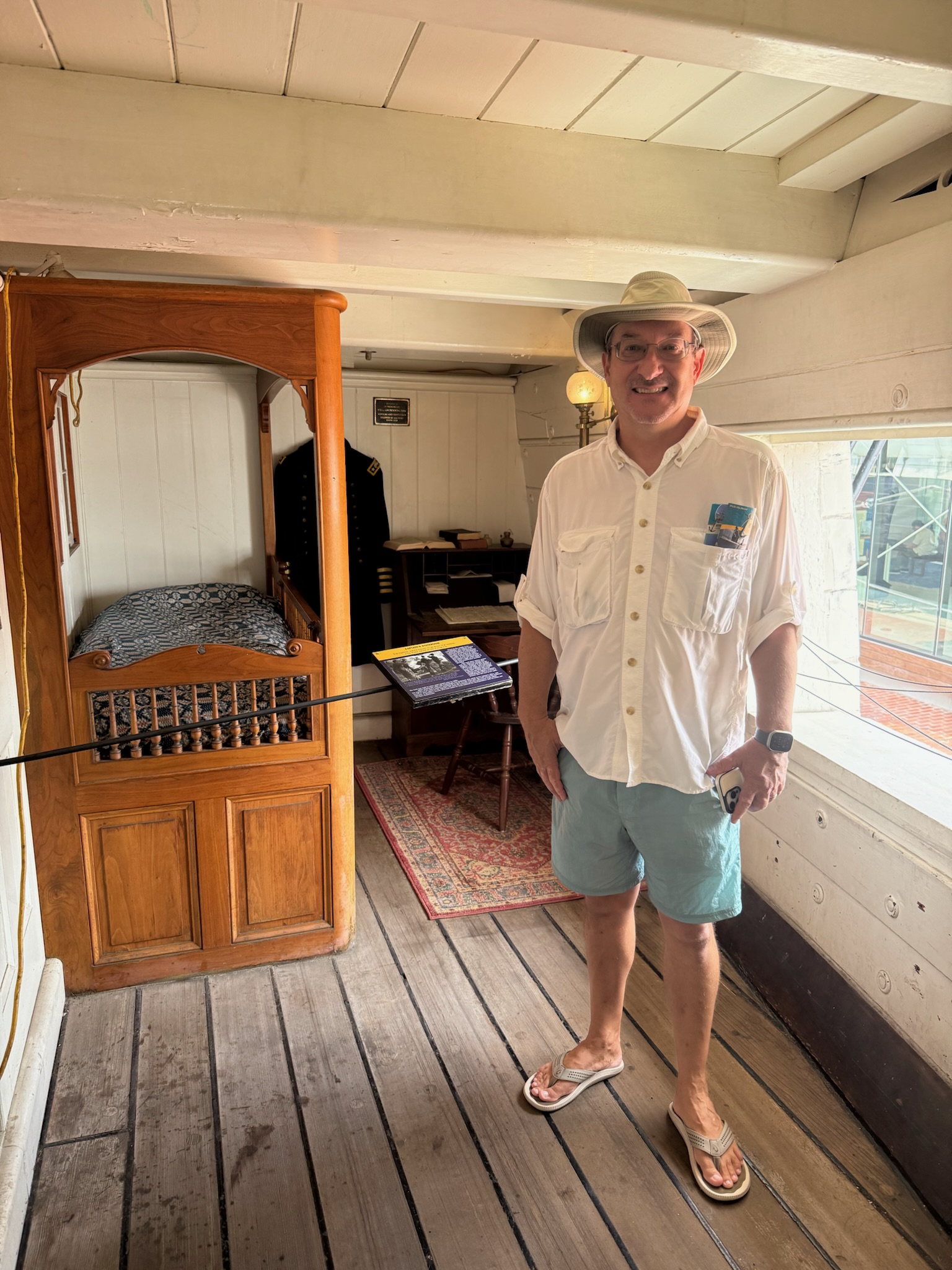
This was his head (bathroom) at the starboard aft. We assumed he went potty in a bucket and tossed the contents out the widow, but the sign had no details.

Continue reading
Historic Ships in Baltimore Museum (MD): The USS Constellation – Part 1

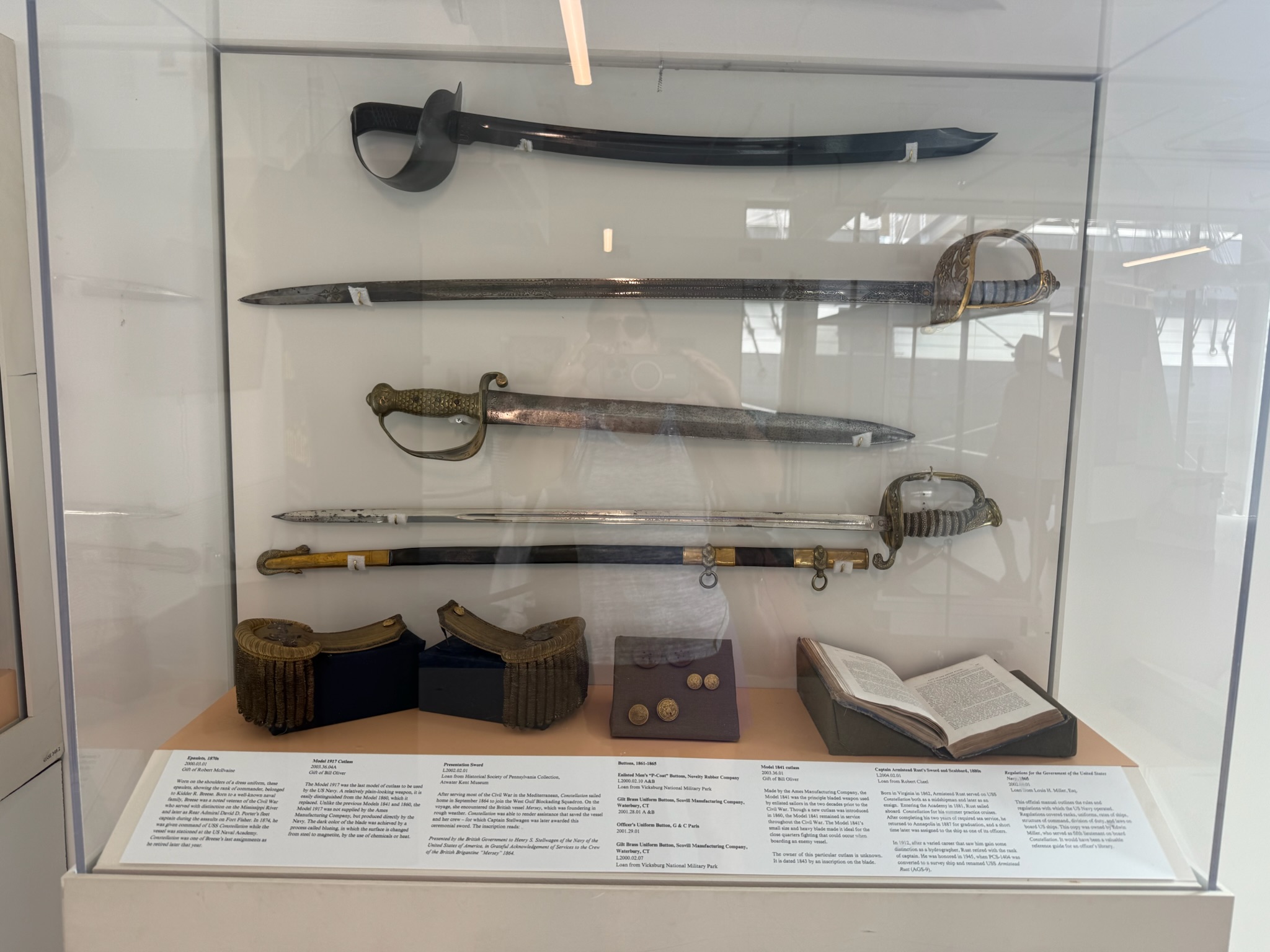
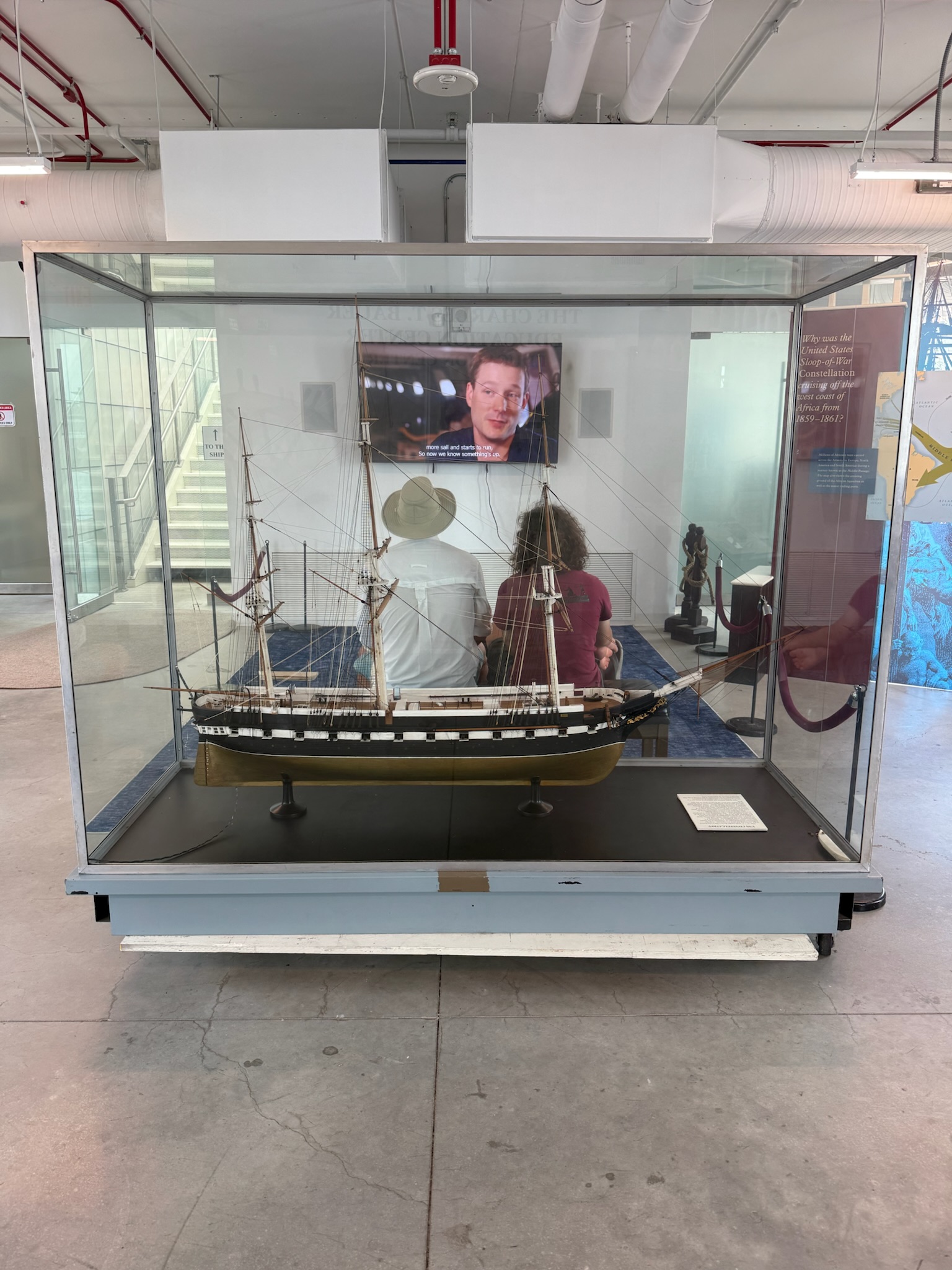
continued… The museum was in a single room. It focused primarily on the history of the slave trade and the USS Constellation’s role in trying to stop the illicit trade after slavery was outlawed. There was also an assortment of artifacts from various years that the USS Constellation was in service and a video playing on a loop. Since it was air conditioned, we were happy to linger in the museum and enjoy the cool air.

In our own personal travels this summer, we’d learned about the inception and progression of slavery in Jamestown. When we visited Fort Monroe, we learned a little bit about the abolition of slavery in 1865. In Yorktown, we’d learned that during the Revolutionary War, more and more colonists opposed slavery and by 1784, five states had already banned slavery. When the fledgling new American government was drafting the constitution in 1787, they set a 20-year moratorium on federally banning slavery, hoping that in 20-years they’d come up with viable political and economic alternatives for the states that relied on slavery.

Continue reading

Historic Ships in Baltimore Museum (MD): The USCG Taney and the USS Constellation

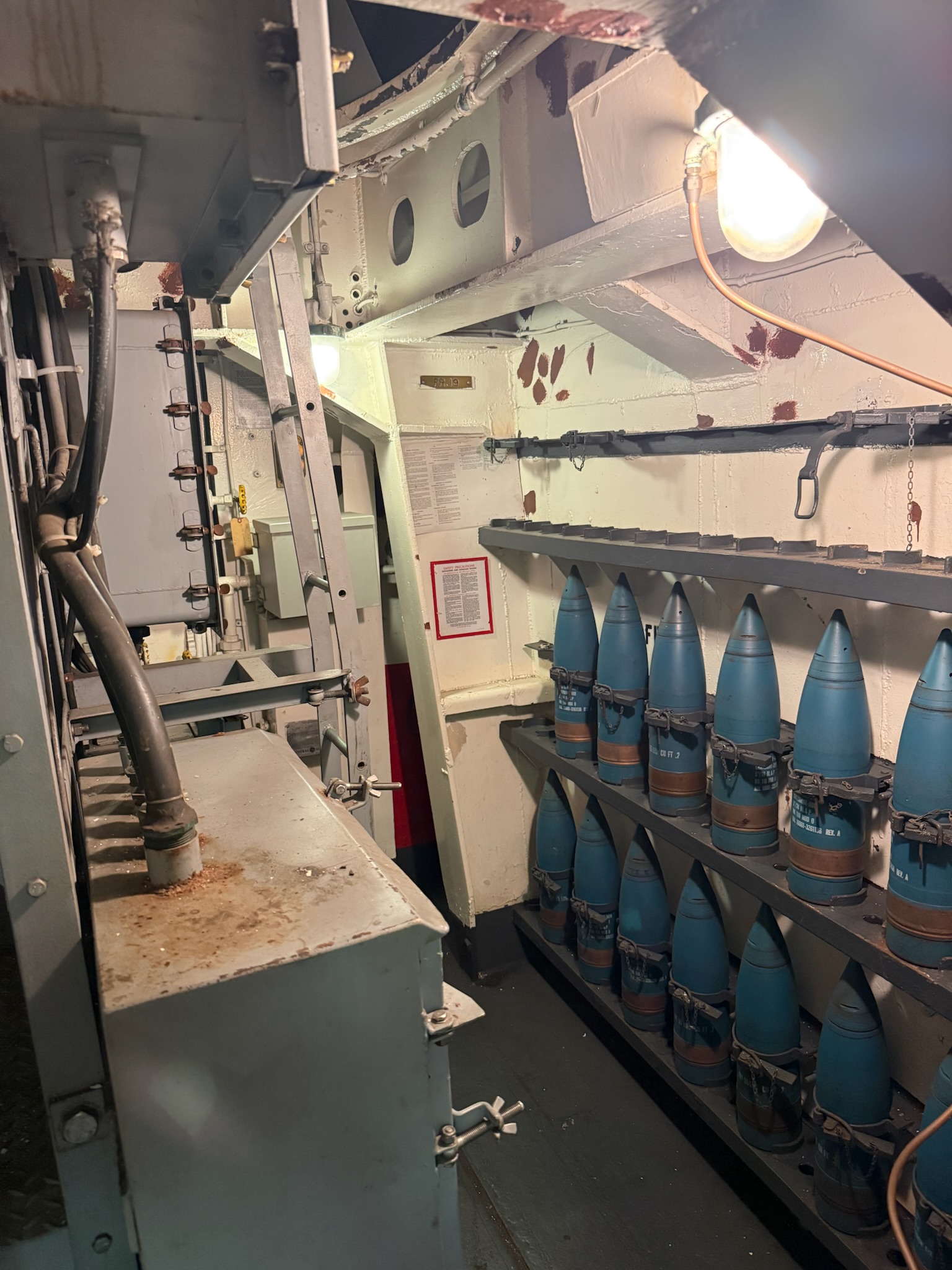
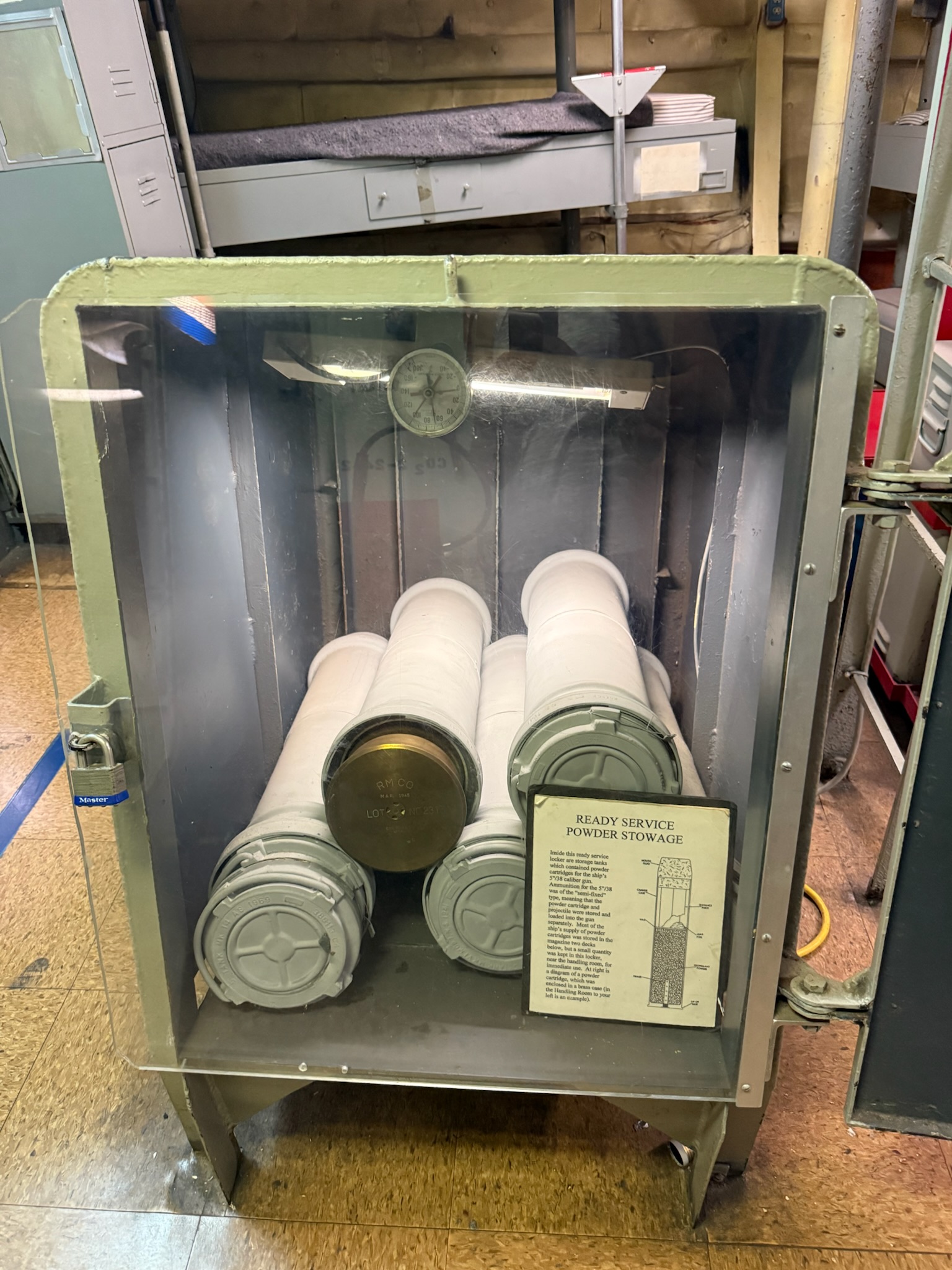
continued… Next was the 5″/38 Caliber upper handling room. The 5″/38 gun was mounted on deck directly above this room. Projectiles (top half of the ammunition) and powder cartridges (bottom half of the ammunition) were stored separately. When needed, they were put together and passed to the gunmen above.

Continue reading

Historic Ships in Baltimore Museum (MD): The USCG Taney – Part 2

continued… In 1970, Taney returned to her pre-Vietnam War Ocean Weather Station duty in Alameda, CA. Two years later, she was transferred to the east coast for Ocean Weather Station duty. In 1977, she was relieved of this task, as the advancement of satellites removed the need for ships to do it.

While this room did give a lot of information on the Taney’s general history, about half the exhibits were focused on the Vietnam War, with a lot of general information about the war along with the Taney’s specific involvement in it.

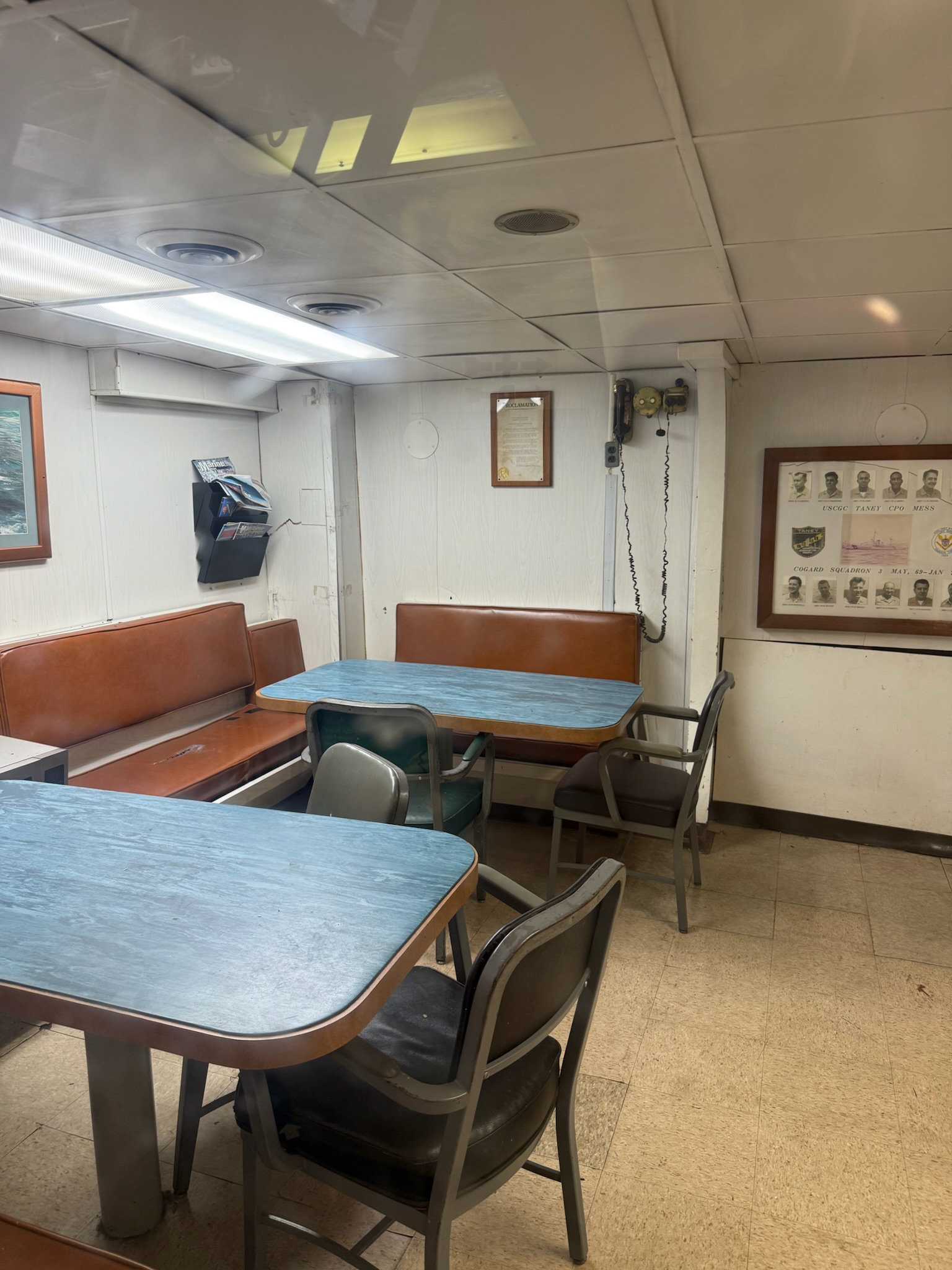
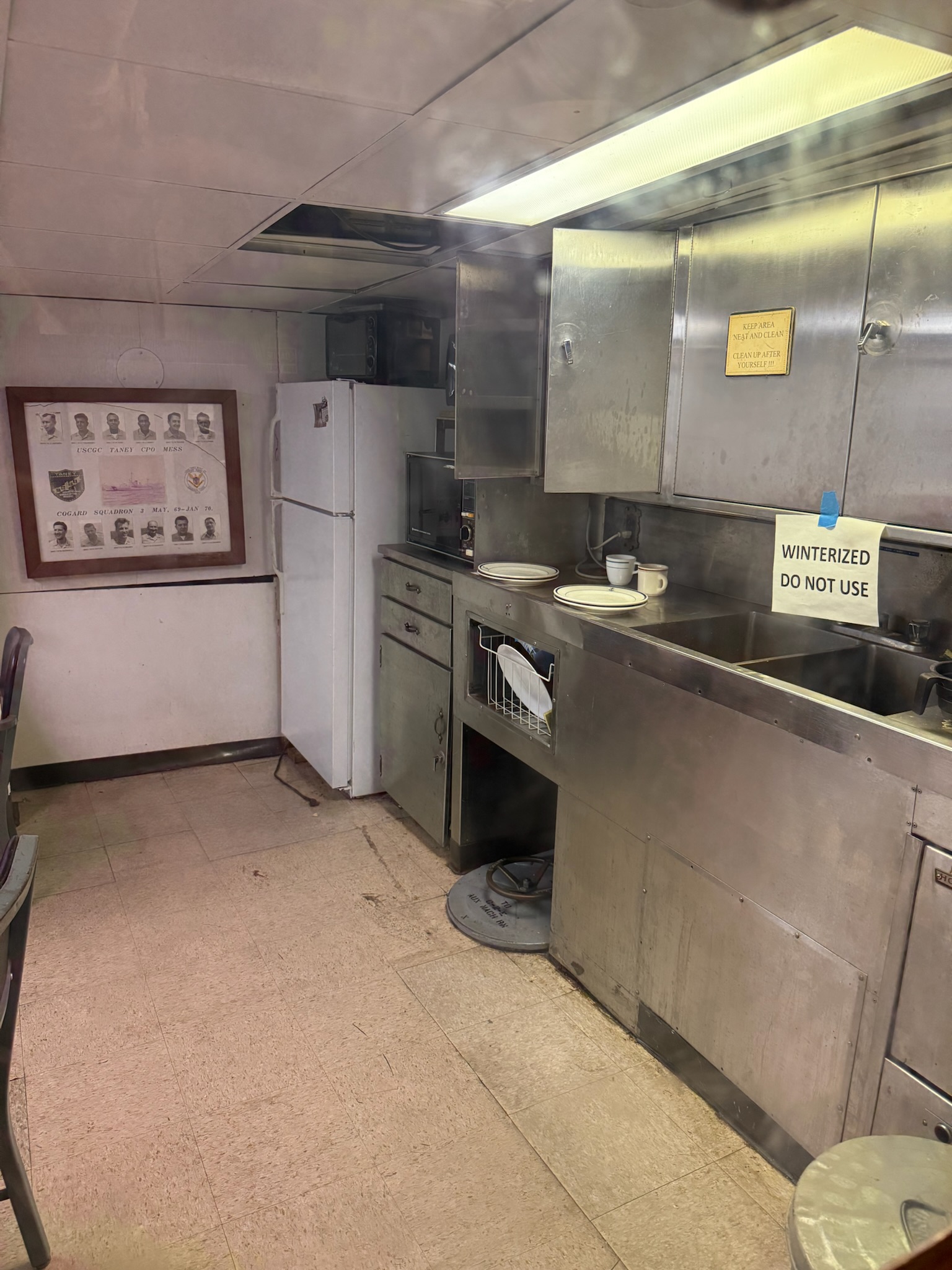
The arrows took us through another hallway into the Chief Petty Officers Mess, where they ate eat meals and hung out in their free time. There were usually 12 – 14 aboard.

Continue reading