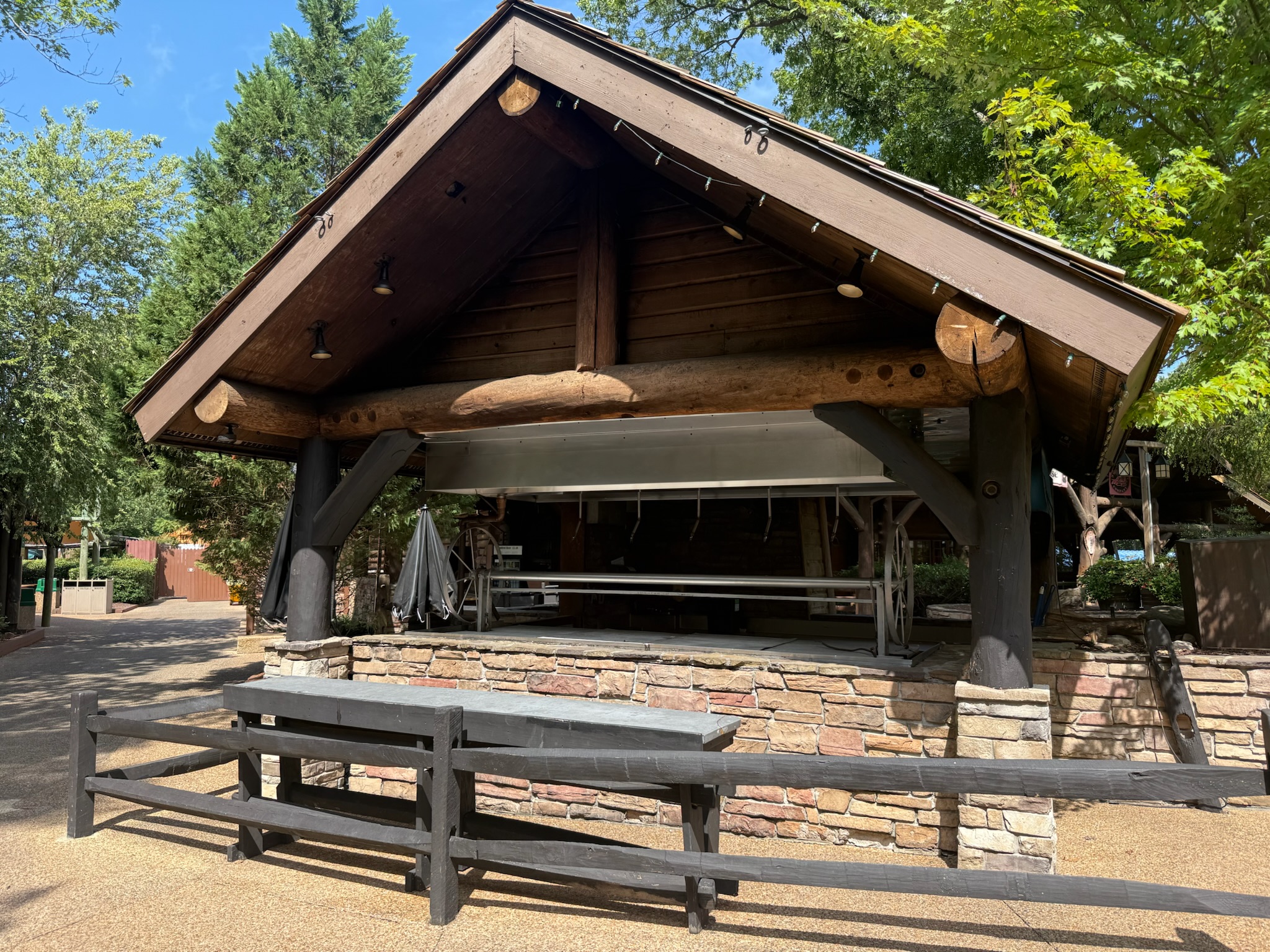
continued… It was now noon. Keith was getting hungry and Eric was eager to eat again. We went to the nearest restaurant, which served barbecue. Up until now, the longest line we’d been in was 15-minutes for the water ride. However, the line to order at the restaurant took about 40-minutes. Eric proudly reported that his meal would have cost more than $30 had he paid a la carte, though Keith’s didn’t make it to $30, so the average between the two was $60.
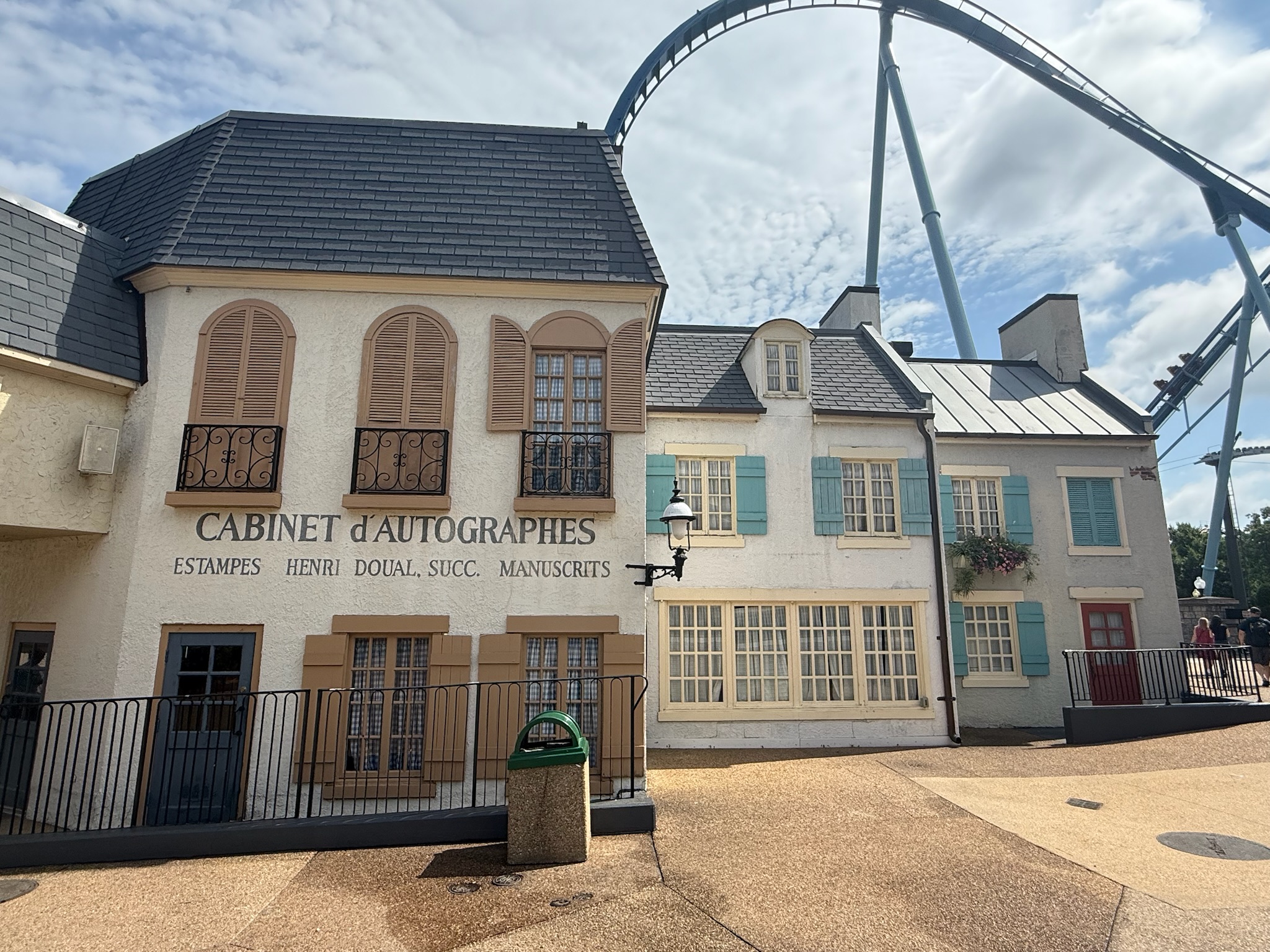
We went to a nearby ice cream shop in France. We each got a milkshake, which was not included in the meal plans.
The next big ride that we wanted to go on was in Scotland. We decided to take the sky tram over to Germany to make the walk shorter. This was leaving France.
Thursday, July 17 — We decided to celebrate Keith finishing 7th grade with a trip to a nearby amusement park called Busch Gardens. We’d booked the tickets online a day before. Apparently, ticket prices were variable based on day of the week/season. Ours were $55 each for one-day general admission. Busch Gardens offered a food package, where for $30 you can get a meal every 90-minutes. We knew from Sea World, which was owned by Busch Gardens, that this was a smoking deal as one meal generally costs $30 by itself. Eric and Keith both got the food package, but Christi had a food allergy that Sea World couldn’t accommodate and we figured that Busch Gardens wouldn’t be able to accommodate it, either. Eric was horrified to find that there was a $21 service fee for booking tickets online.
Busch Gardens opened at 1000, and we pulled into the line to enter the parking lot right at 1000. We knew parking would be expensive, but $34 was even more than we’d anticipated. We found parking close to the entrance and there wasn’t much of a line to get in. It was another hot day, but it was quite windy, and the cool wind kept us from getting too overheated (for the most part).
Entrance to Busch Gardens
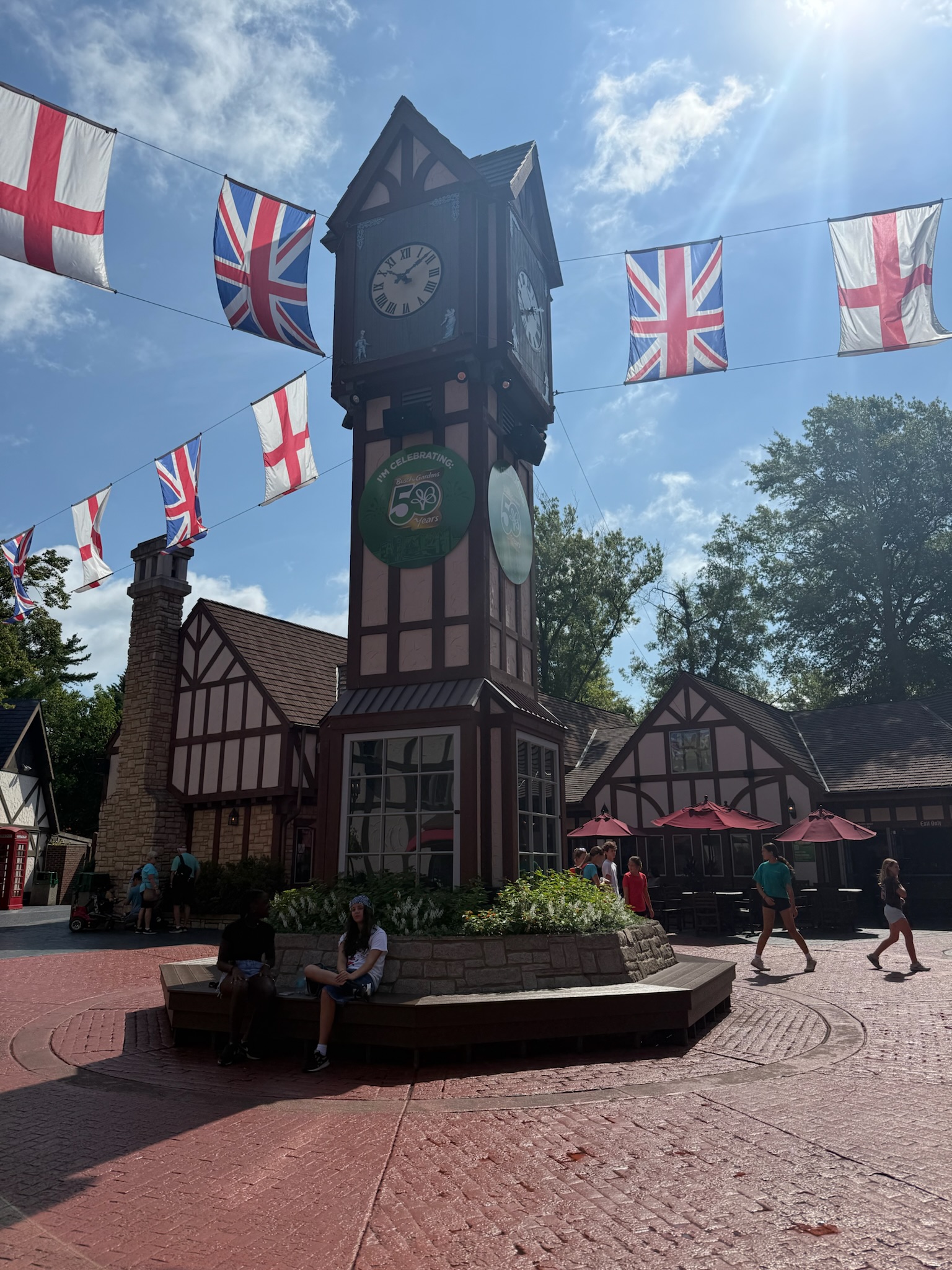
The sign at the entrance said that this park was voted The World’s Most Beautiful Theme Park. The map of the park indicated that the theme for each of the different areas of the park were European countries. The entrance was in England, and it was adorable.
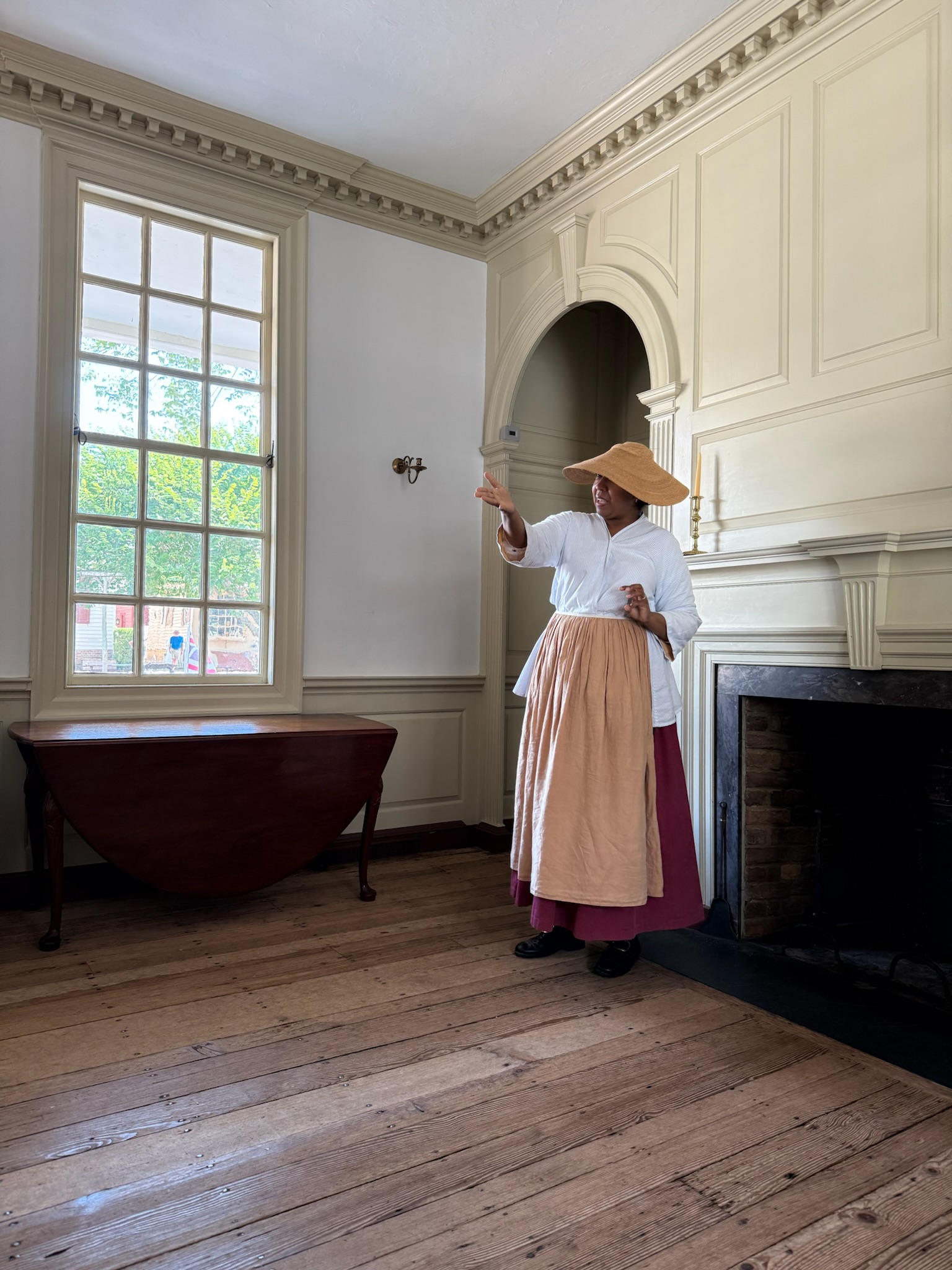
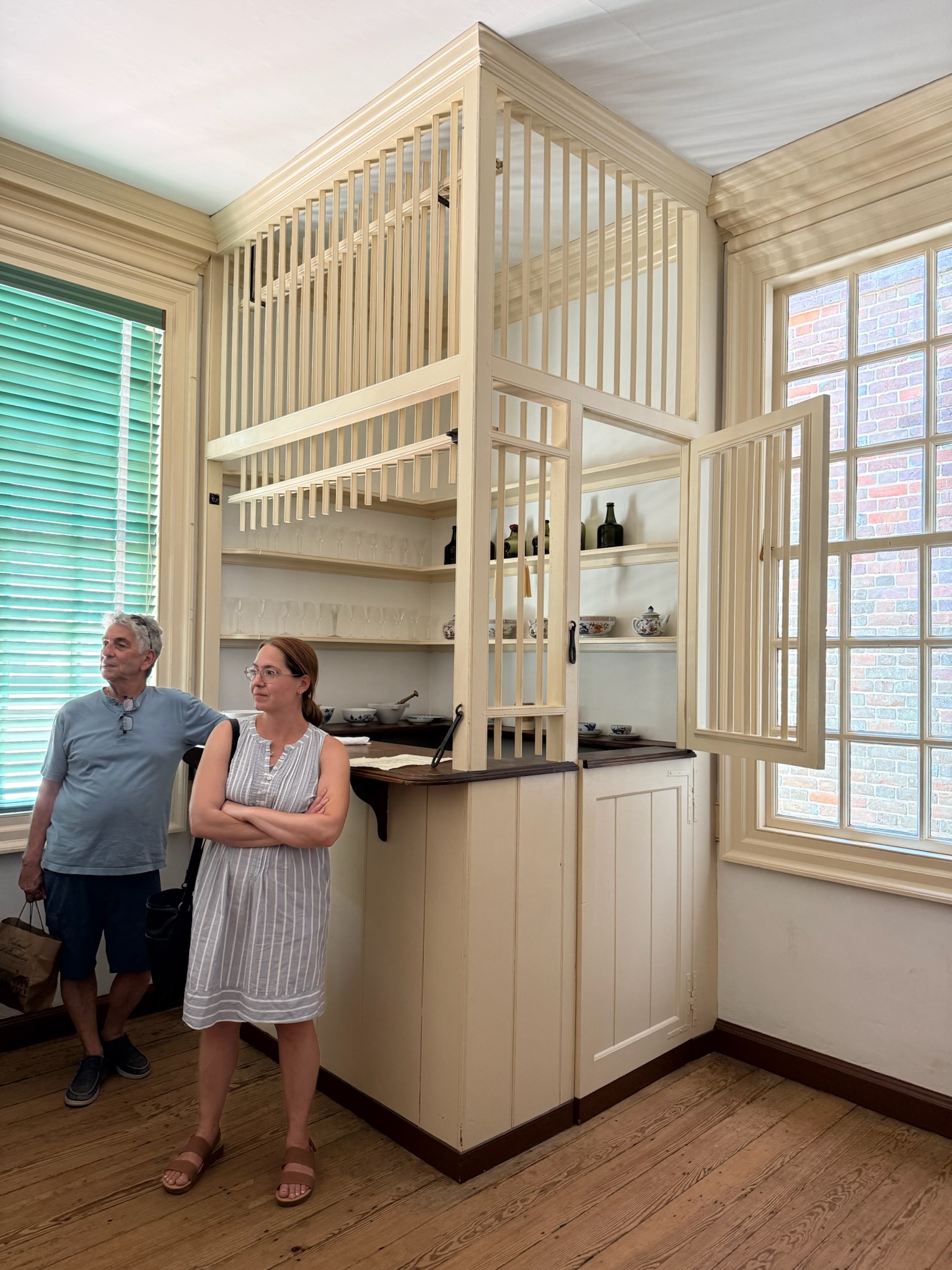
Continued… Upon arrival at the tavern, we were immediately ushered into a room that was lined with chairs. Fortunately, we’d arrived just as the doors were opening and got seats. Within minutes, it was standing room only. A black woman came in and told us she was one of the slaves who had worked at the tavern. She gave us her personal background. If we recalled correctly, she was sold away from her mother at around 12-ish to the tavern and that the people at the tavern became like surrogate family to her. She gave us the tour through her eyes as a slave.
The Raleigh Tavern was established around 1717 and burned down in December 1859, so this building was a reconstruction. They had provided guests with lodging, food, drinks, entertainment, and a stable for their horses. She’d said that not everyone got a private room — rooms were often shared with several others, often strangers. And not everyone got a bed — sometimes people slept on the floor.
She gave us some background on the importance of taverns back in the pre-revolutionary era. Basically, few venues could host big events, so taverns were a popular venue. The Raleigh regularly hosted balls when the court and legislature were in session, making it a high profile networking location.
Taverns became pivotal as the rebellion gathered steam. The patriot rebels certainly couldn’t meet in the Capitol building or Anglican Church as they were controlled by the British. They couldn’t meet in any of the other churches because of the laws about keeping doors and windows open, and they certainly couldn’t meet outdoors where any passer-by would hear their subversive talk. So taverns became critical places for planning. It was in this tavern that the Continental Congress was first proposed.
We went into the next room, which looked a lot like the coffeehouse, with a small beverage service area and a table with several chairs. A game, a newspaper and a book were laid out, indicating how the patrons spent their time in here. She gave more information about taverns, such as they sold liquor, beer, wine and ciders, which added to their popularity.
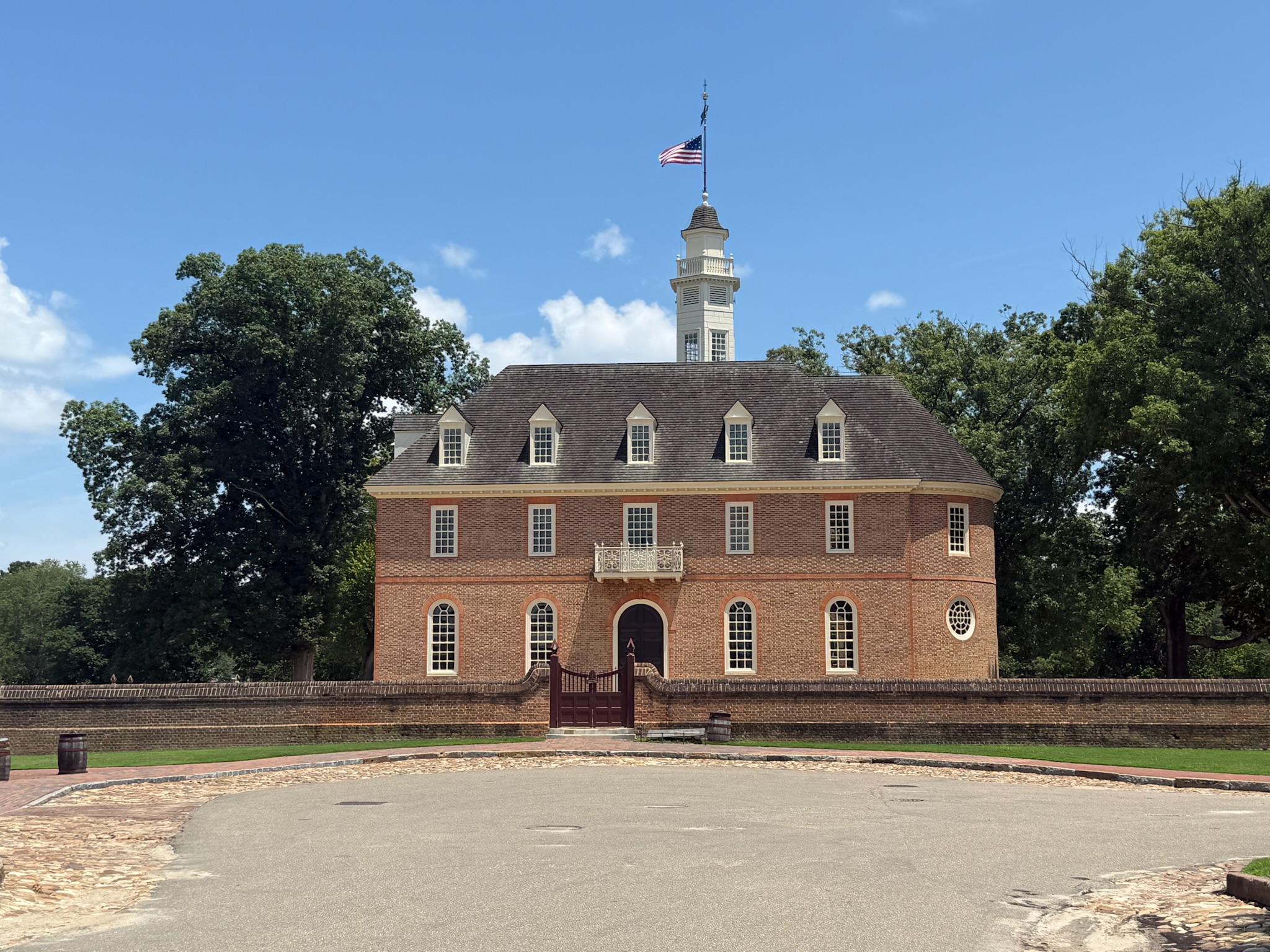
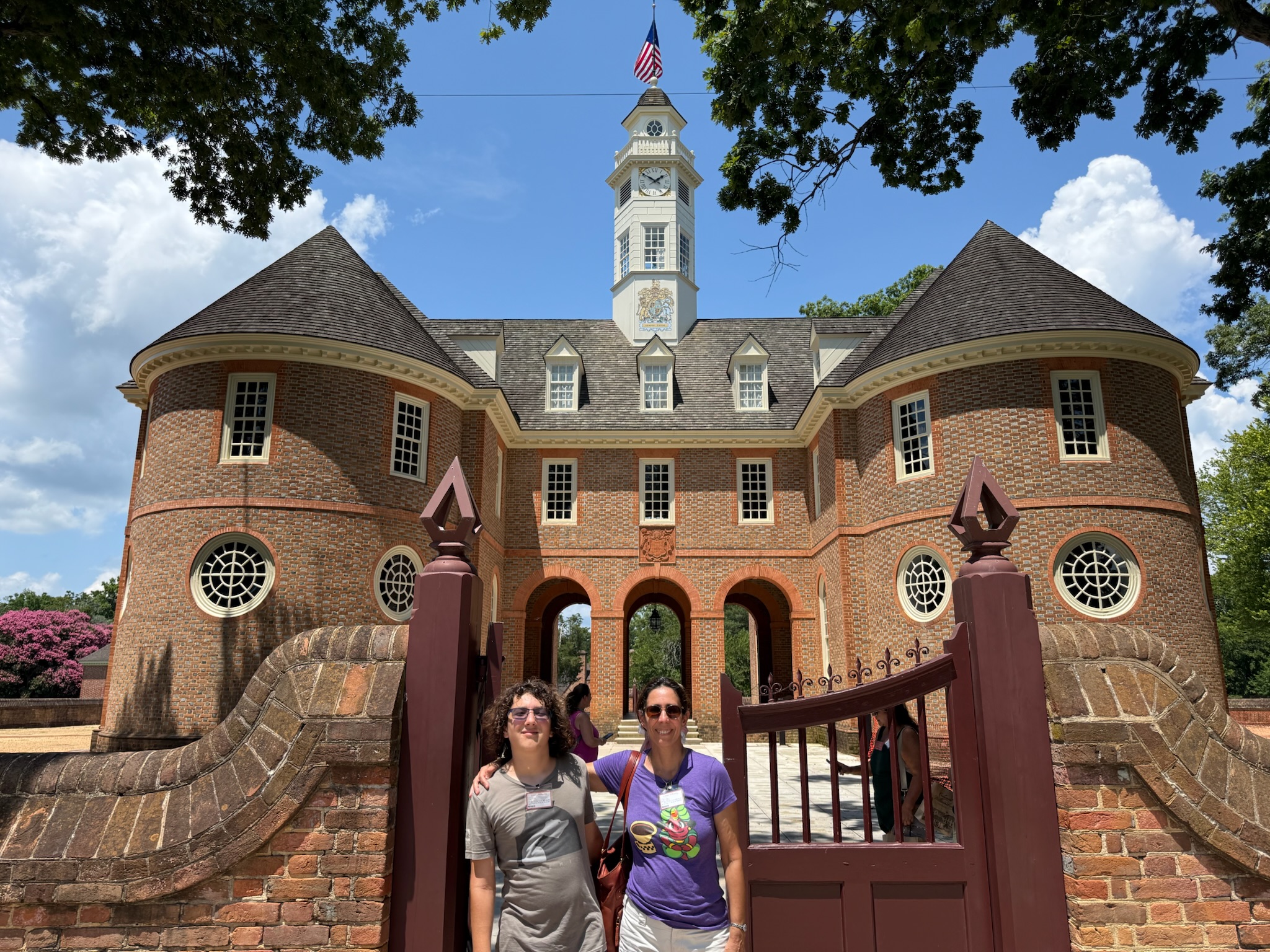
continued… After we left the blacksmith shop, we continued east down Duke of Gloucester Street to the Capitol Building, which was at the end of the street.
This was the side of the building. We had to make a right turn on Blair street to get to the entrance.