The National Air & Space Museum in Washington, DC – Part 2: Destination Moon

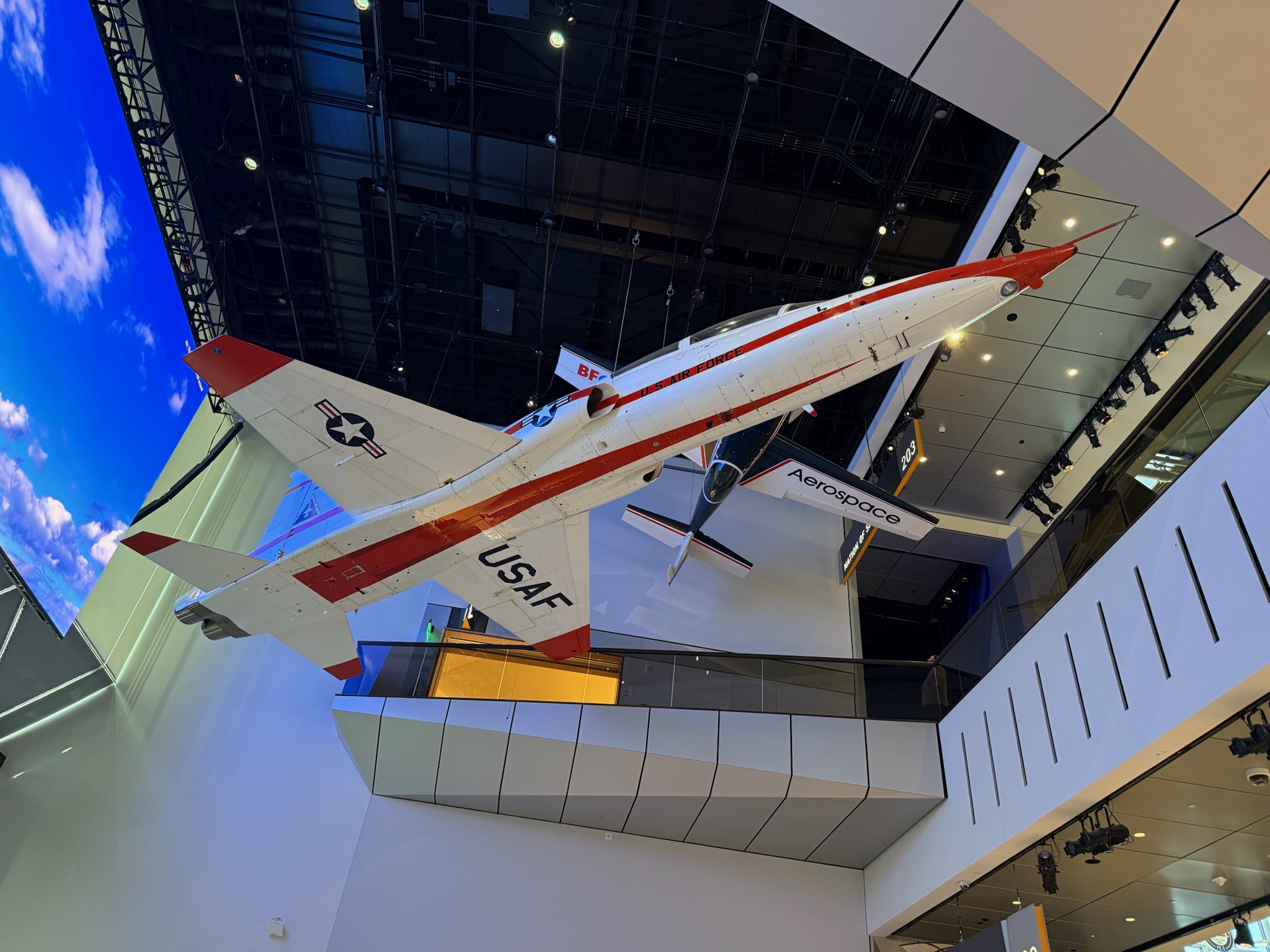
continued… we were already starting to feel like our brains were full. Realizing we couldn’t see the whole museum today, we headed upstairs to the rooms that we wanted to see the most. This Northrop T-38 was hanging over the stairwell. Jacqueline Cochran set eight world records in this jet. At the time of her death in 1980, she had broken more speed, altitude and distance records than any other pilot — than 200, including breaking the sound barrier. Fun fact – she emphasized her femininity and had a line of cosmetics called Wings to Beauty!
Upstairs, the first room that we went into was called Destination Moon. In October 1957, the Soviet Union launched the world’s first satellite, called Sputnik. In 1958, the US responded by creating a new government agency called the National Aeronautics and Space Aviation (NASA), whose goal was to put a man into orbit. The space race was on!

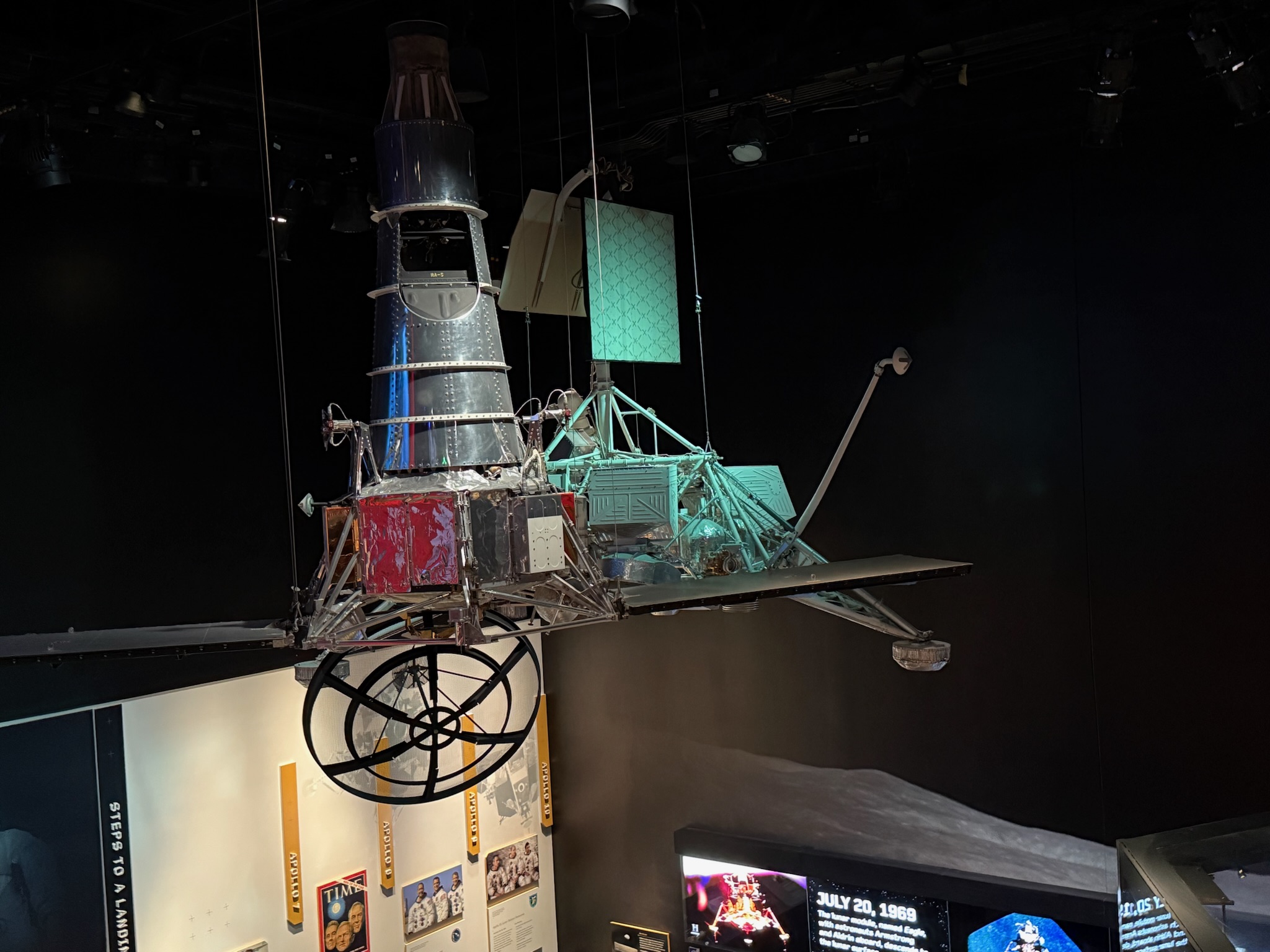
In January 1959, the Soviet Union’s robotic spacecraft, Luna One, left Earth’s orbit and got within 3,700 miles of the moon. In March 1959, the US launched a spacecraft, called Pioneer IV, that successfully left Earth’s Orbit. We think this is a replica of Pioneer, but we’re not sure. It can be hard to match the signs on the ground with the objects hanging from the ceiling.
Continue reading

The National Air & Space Museum in Washington, DC – Part 1: The First Floor

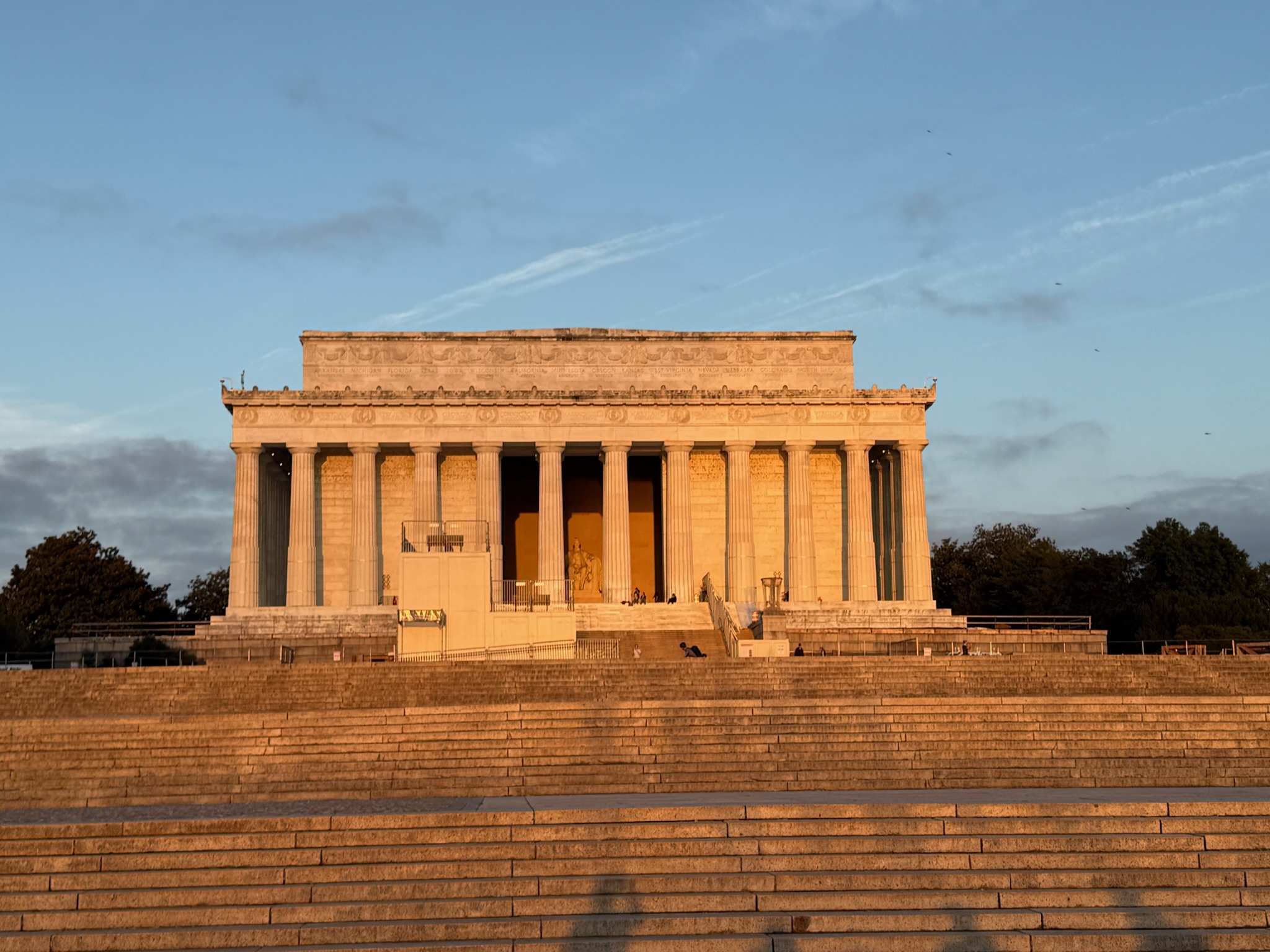
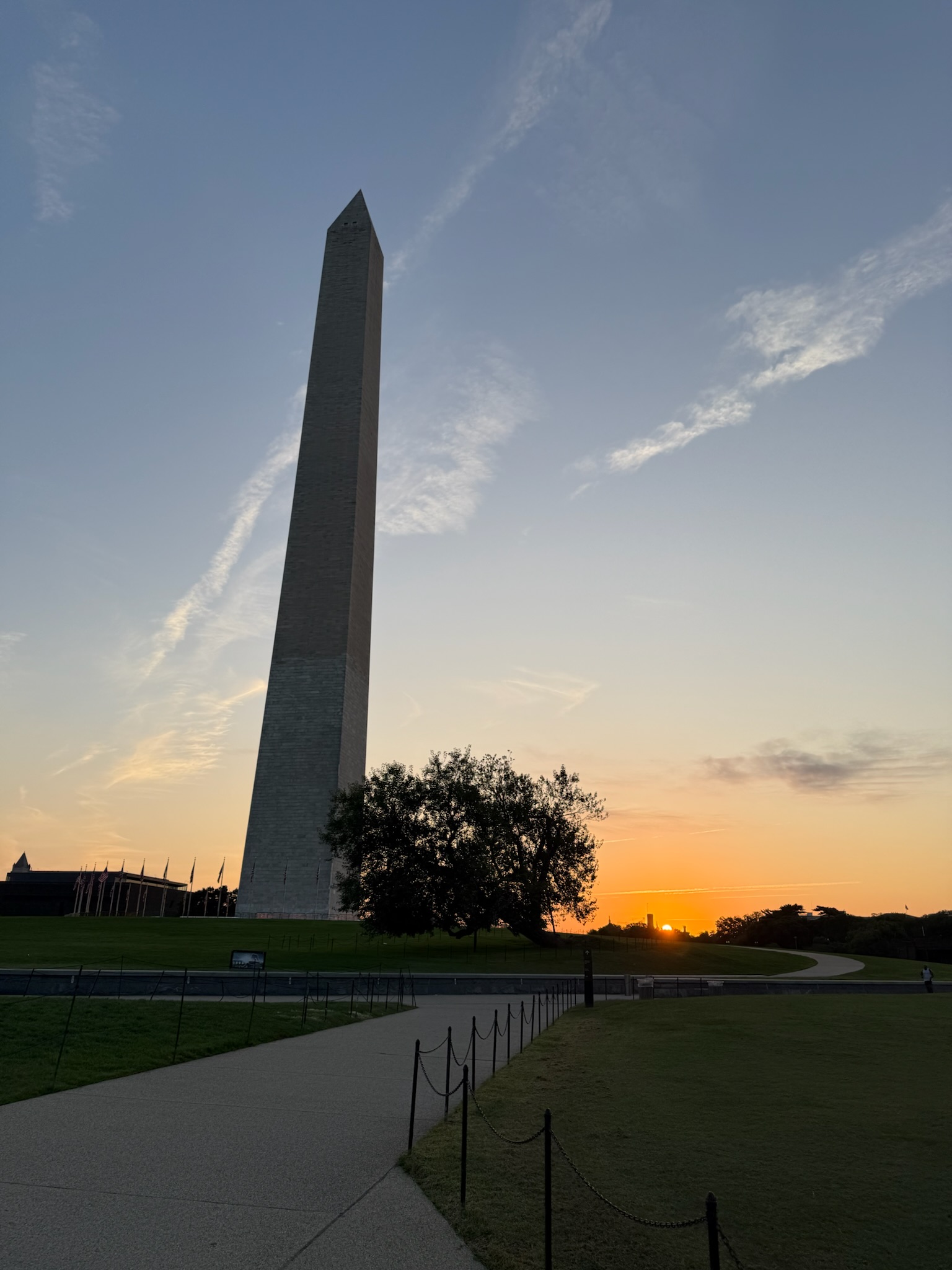
Monday, September 22 — Eric went for a run this morning to the Lincoln Memorial. He saw the sunrise behind the Washington Memorial.

The Lincoln Memorial glowed in the early morning sun.

He went inside and said hi to Abe.

Continue reading

Exploring the National Mall in Washington, DC

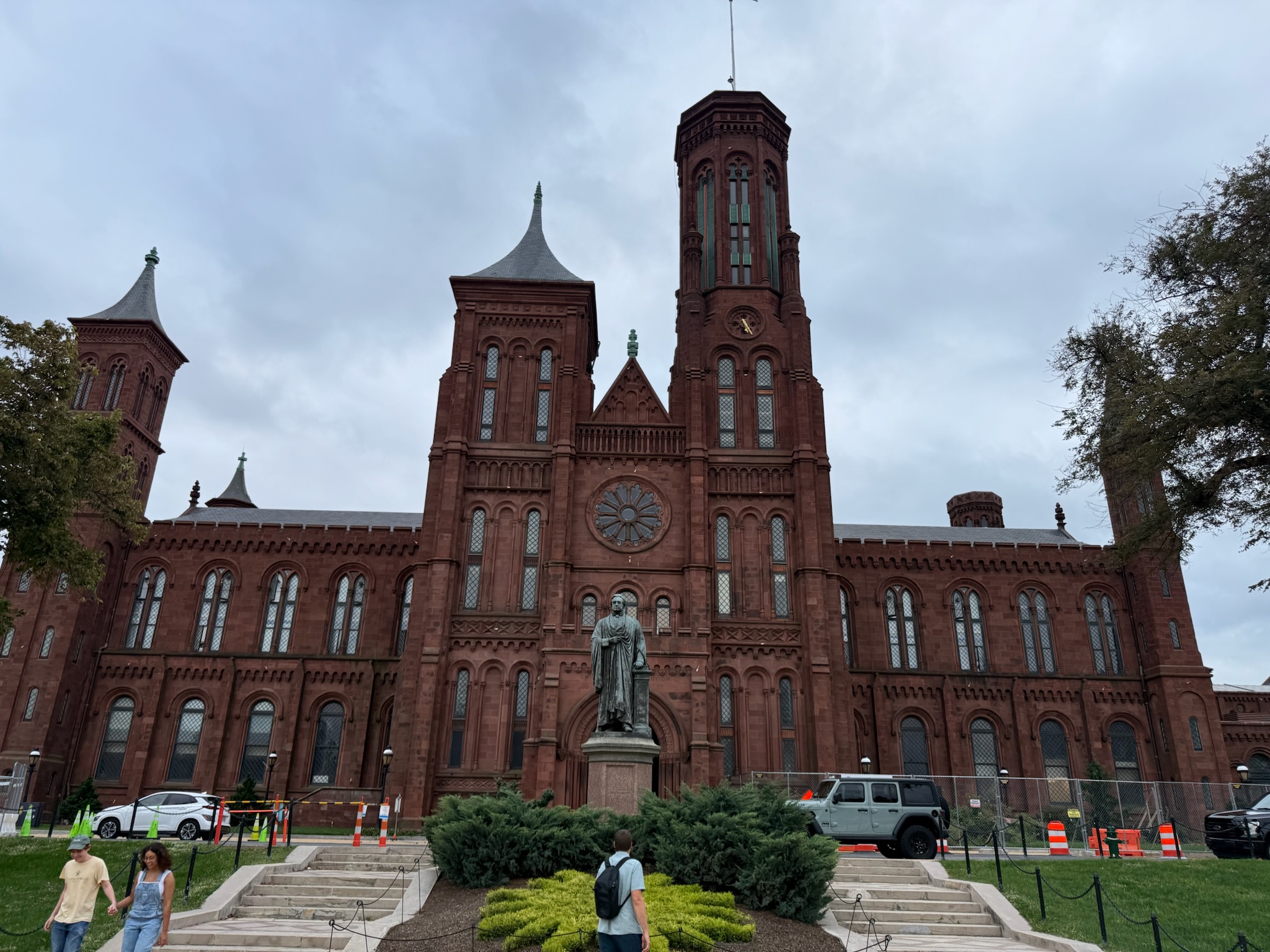
Sunday, Sept 21 continued… we headed west along The National Mall, taking in the buildings on both sides of us. On the south side, next to the Arts & Industries Museum, was the Smithsonian Castle. It was also closed for renovation.

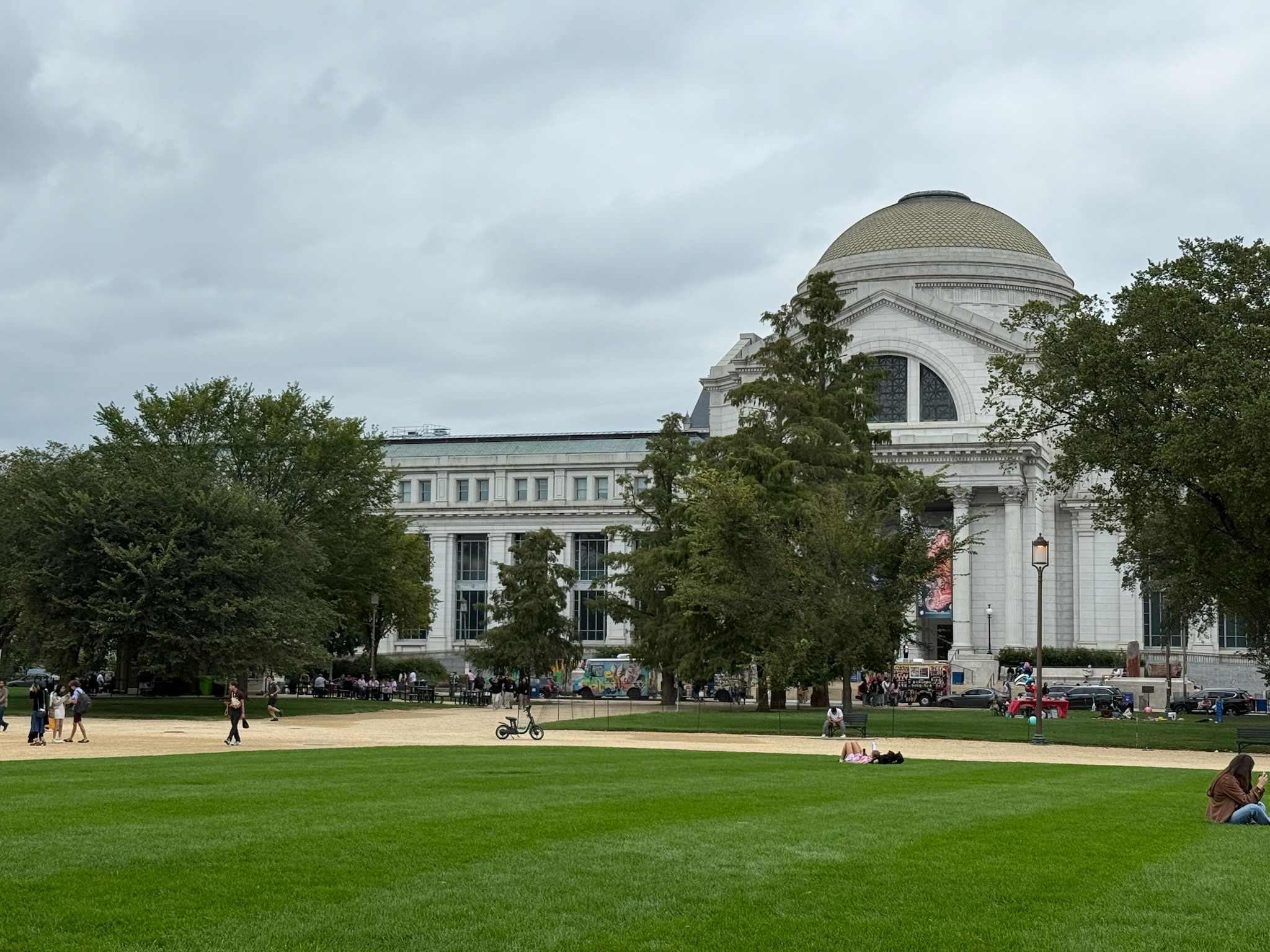
Across from the castle, on the north side of The Mall, was The Museum of Natural History.

Continue reading

The Spy Museum and The National Mall in Washington, DC

continued… The next exhibit was on terrorism, with signs commemorating terrorist attacks around the world in the 20th century and many signs about terrorist attacks that were stopped by the intelligence agencies. This exhibit was disturbing and not something to dwell on.

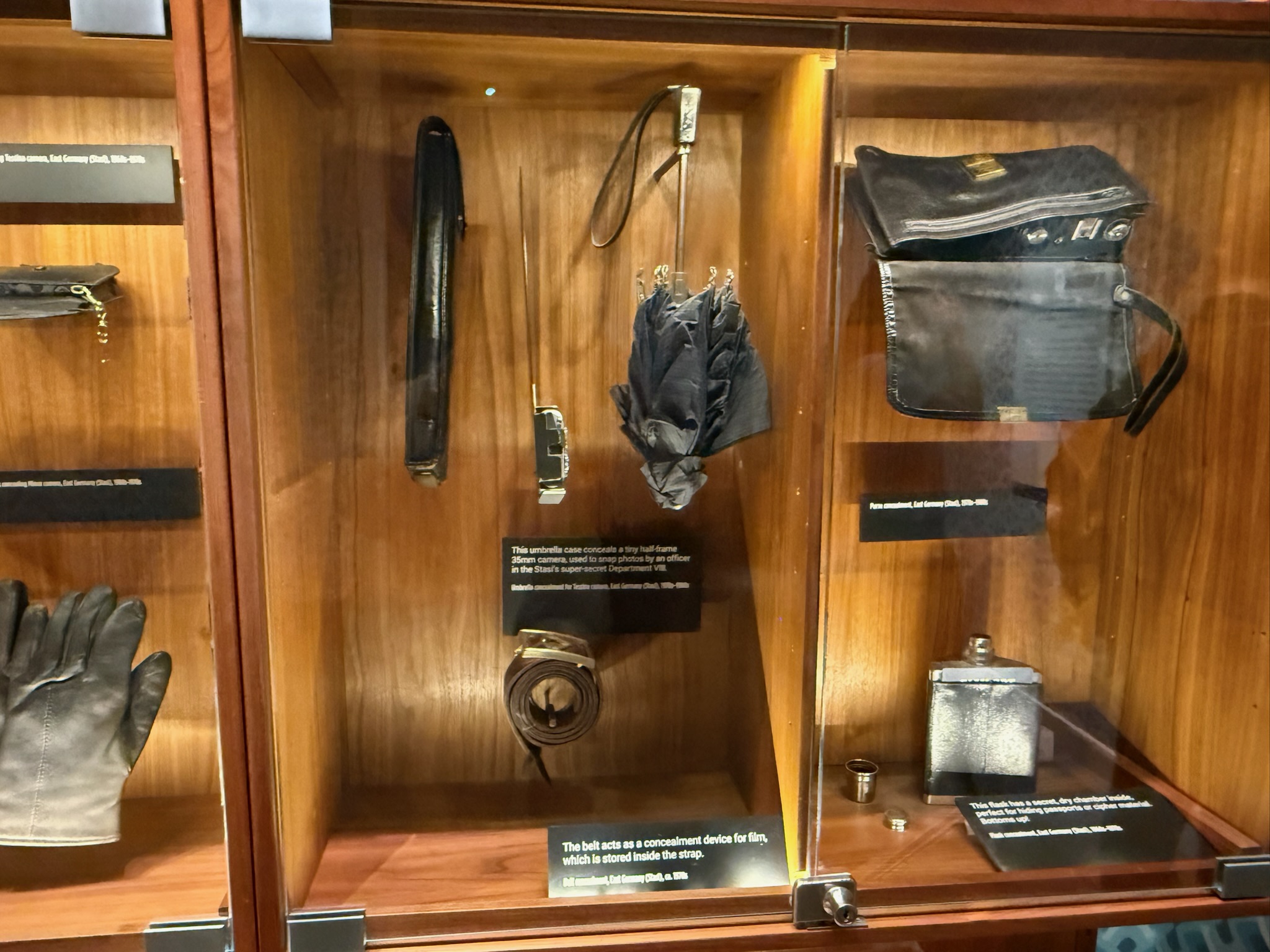
The next exhibit was on the East German Ministry of for State Security, AKA The Stasi. Their goal was to ensure that their citizens lived in fear, and they utilized techniques such as arbitrary arrest, kidnapping, harassment and relentless collection of information to attain this goal. They had 90,000 agents, plus a vast network of citizen informants. The signs talked in detail about their extensive spying network, showing many examples of where they hid microphones and cameras in order to monitor people, how they smuggled out film/recordings, etc.

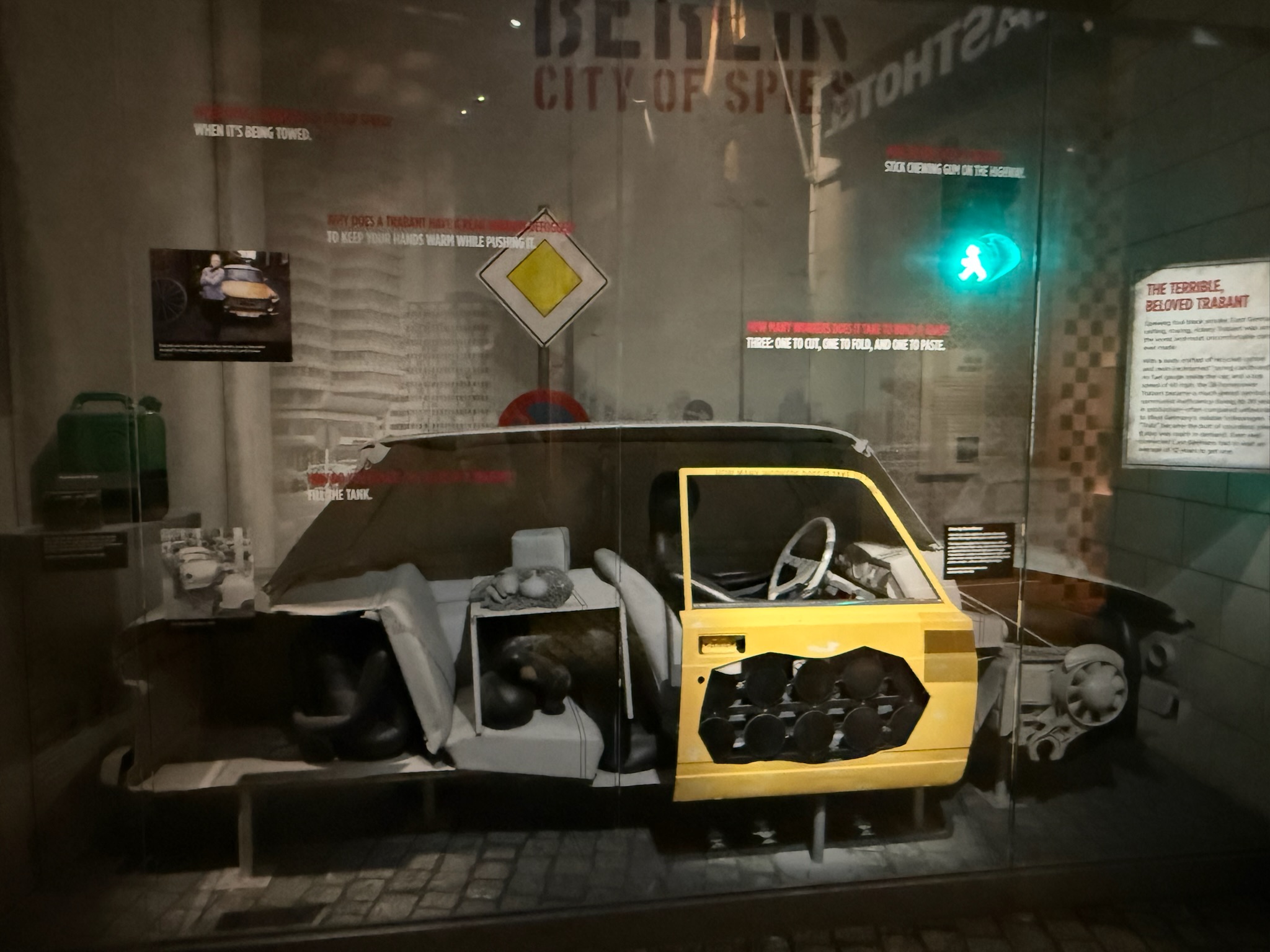
They also mentioned escaping from East Berlin before the wall fell. Between 1961 and 1989, at least 140 people were killed at the wall, most trying to escape. There were apparently many places to hide in a car, and it was common for the Stasi to disassemble cars in search of stowaways — and it was up to the owner to reassemble their cars!

The Trabant was made by the communists and hailed as one of the worst cars ever made.
Continue reading

The Spy Museum in Washington, DC – Part 4

continued… In 1945, WWII ended and then-President Truman dissolved the OSS. But with the Cold War brewing, people convinced Truman they needed to peacetime intelligence agency to prevent another Pearl Harbor from happening. To try to garner public support, they even used the propaganda card by making a Hollywood film called “OSS” about the heroic actions of the OSS during the war. In 1947, Truman authorized the creation of the CIA, which was staffed by many OSS alumni.

The next section was provocative. “In a democracy, there is always tension between openness and secrecy. When people fear their country is under threat, they accept more security. When fears fade, they often demand greater transparency.” The first display was about Julius and Ethel Rosenberg. They were convicted of espionage in 1951 and later executed, based on the US governments assertion that there was indisputable evidence that the Rosenbergs had passed atomic weapon information on to the Soviets. However, the evidence was top secret and couldn’t be shared — while there was supporting evidence revealed in court, the jury convicted without seeing the allegedly most damning evidence. The execution was highly controversial, with many protests. In 1995, the evidence was finally released — it was captured and decrypted correspondence that proved that Julius was a Soviet spy. Whether he passed on information about atomic weapons and whether Ethel was a spy were less clear.

In the 1970s, there was a movement to expose the government’s extralegal activities. In 1971, a group broke into the FBI office and stole information about COINTELPRO, a secret counterintelligence program to infiltrate, monitor and disrupt social and political movements. Tactics utilized included wiretapping, forgery, searching homes, sending anonymous notes ad leading false information. The files were given to the press and published. The burglars were never caught. From 1975 – 1976, there were congressional hearings on the FBI and CIA operations, which led to reforms, including instituting a congressional oversight committee and the creation of the FISA court to review secret surveillance requests.

In 2013, government contractor Edward Snowden stole and leaked to the press 1.5 million classified files about secret US surveillance programs, such as PRISM, that violated people’s privacy rights by harvesting data from cell phones, land line phone, emails, texts, social media and more.

Continue reading