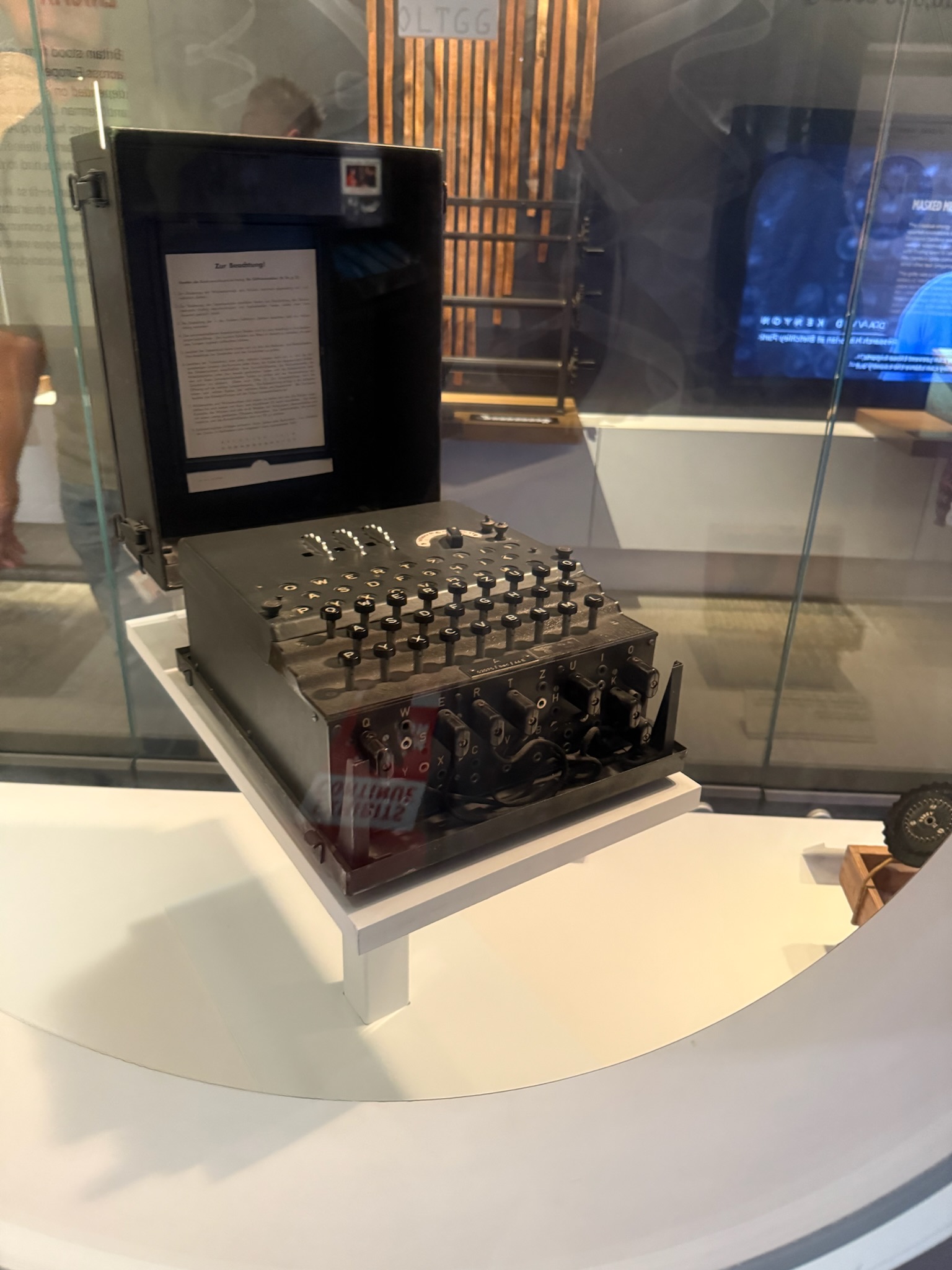
continued... We can’t remember what the purpose of this machine was… since it was in the exfiltration section, we think it may have been a machine used to help train spies on escaping capture.
There was a small theater playing a film on a loop with real ex-spies telling their most thrilling stories about their spying days.
The next section was jaw dropping! The sign said “When governments task intel agencies to secretly undermine a rival’s political or economic system — perhaps by buying votes, bribing candidates, or disrupting trade — the results can change history… The stories here… all are bold attempts to transform the political or economic landscape.”
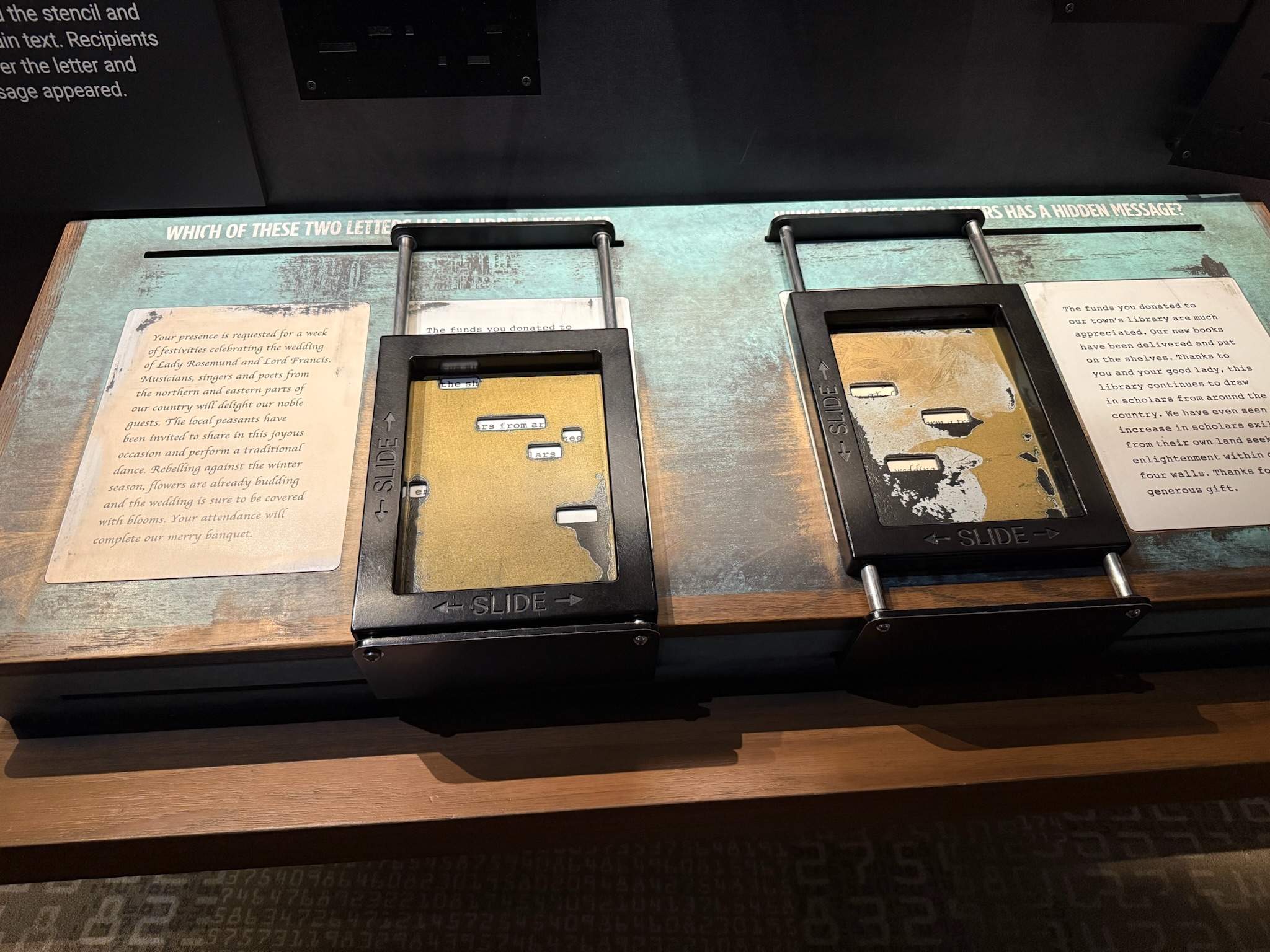
continued… There was a room on cryptography. Since Eric was a cryptographer, he was especially interested in this one. There was a display about various encryption tools that date back thousands of years — and were commonly used until relatively recently — such as the Cardano Grille. Even invisible ink dated back thousands of years — Pliny the Elder had a recipe for invisible ink that dated back to the 1st century!
Cardano grille. Write an innocuous letter with key words in the boxes that transmit a message.
As we’d leaned in Yorktown, during the Revolutionary War, George Washington had a vast spy network. Knowing the British were spying on the Americans, Washington encrypted his messages using a method called Pigpen. Then Thomas Jefferson invented a new encoding method, called the Jefferson Cipher, that was utilized up through World War II.
There was a display about a secret group of codebreakers that was assembled in 1939 in England when World War II erupted. It started as a team of 100 and eventually swelled to nearly 10,000, three-quarters of whom were women. They worked around the clock out of a mansion named Bletchley Park, which was a private home in England, trying to decrypt intercepted communications. The Germans had a machine called Enigma that was believed to be uncrackable. The team at Bletchley did crack it, but the Germans kept upgrading the technology, so the team at Bletchley had to re-crack the code with each upgrade. They managed to keep the operation a secret for 30 years.
We think this was the Enigma machine, though we aren’t 100% sureContinue reading →
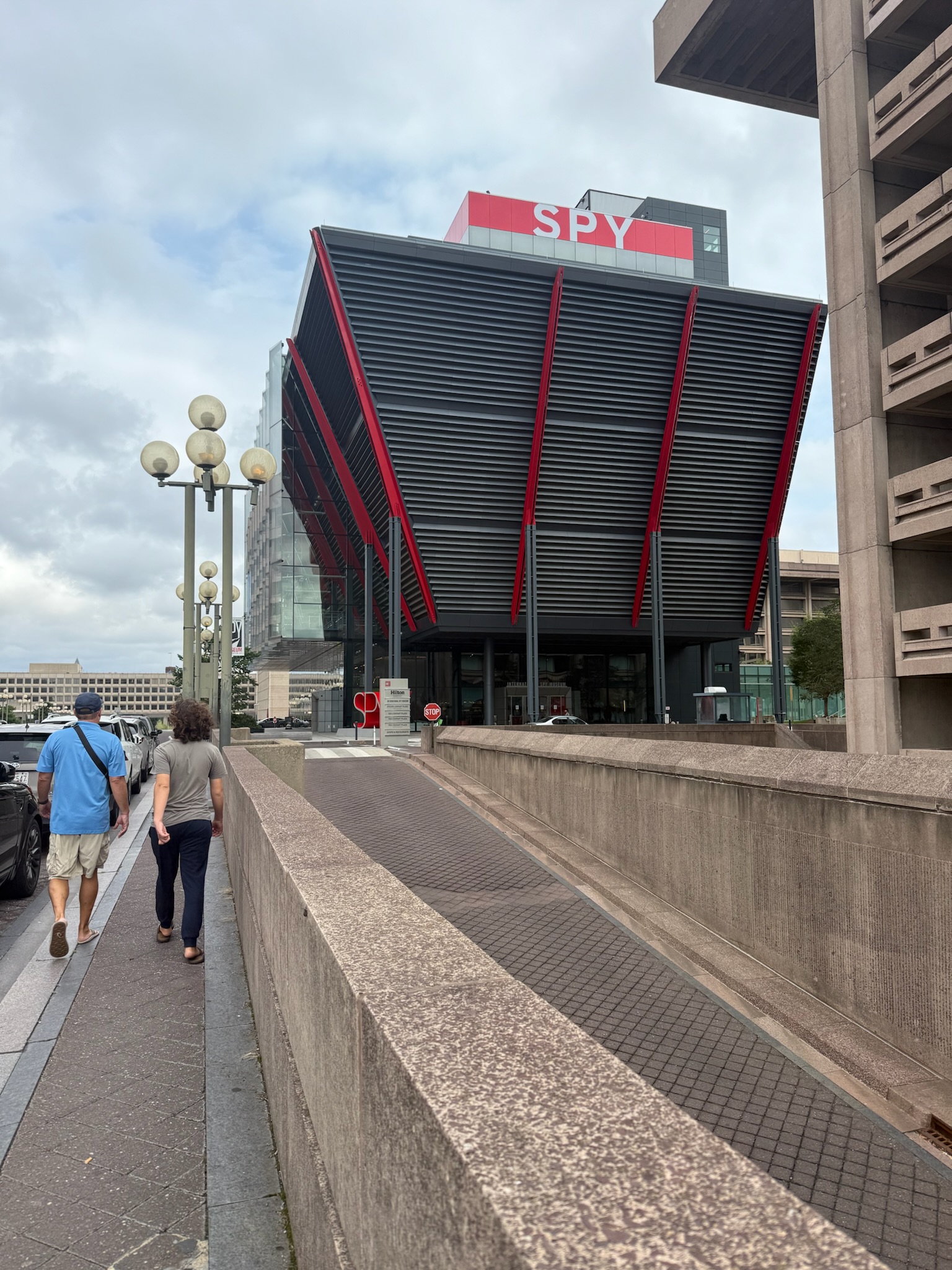
Sunday, Sept 21 — We’d asked several friends which DC museums they liked best. Everyone who had been to the Spy Museum said it was their favorite. So that was the first museum on the DC itinerary. Conveniently for us, it was also the closest to our marina, located in a complex called L’enfant Plaza. The plaza was named after Pierre Charles L’enfant, the architect who designed DC.
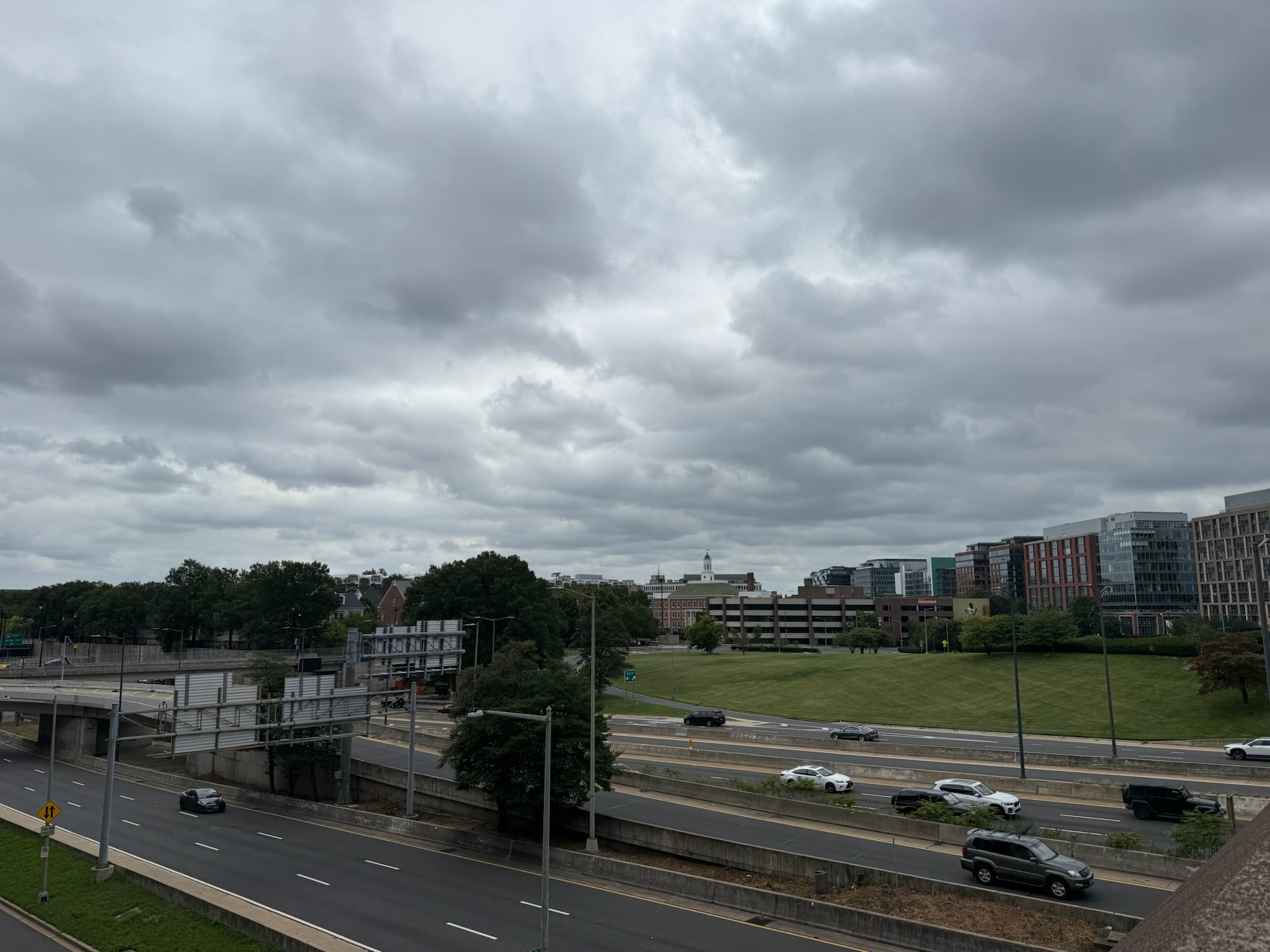
From the Wharf, we crossed over Main Ave SW, followed a bridge over a freeway, and the museum was one of the first buildings along the raised road.
Looking back at The Wharf
For some reason, we expected the museum to be nondescript, but it was probably the most obvious of all the modern buildings.
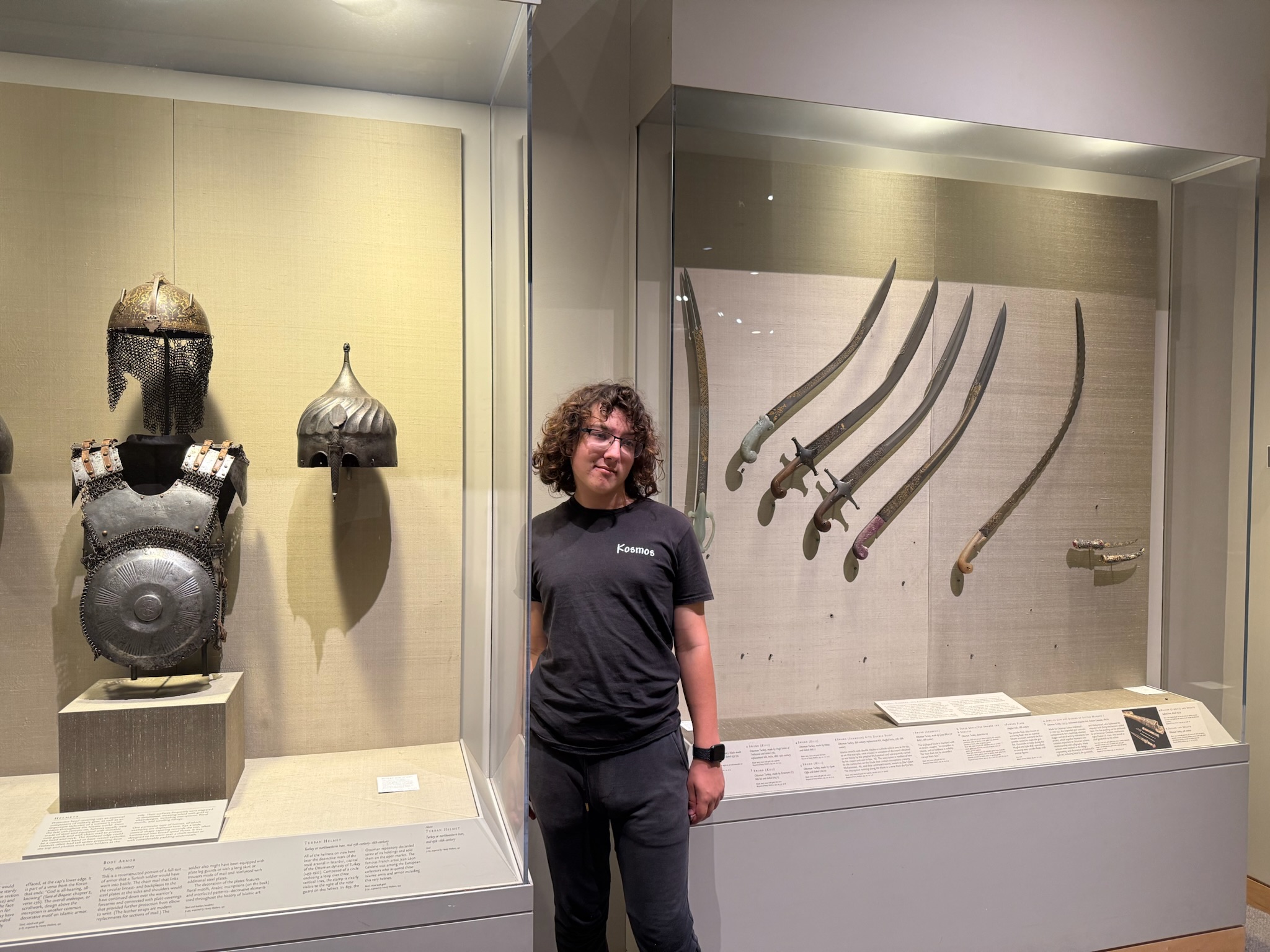
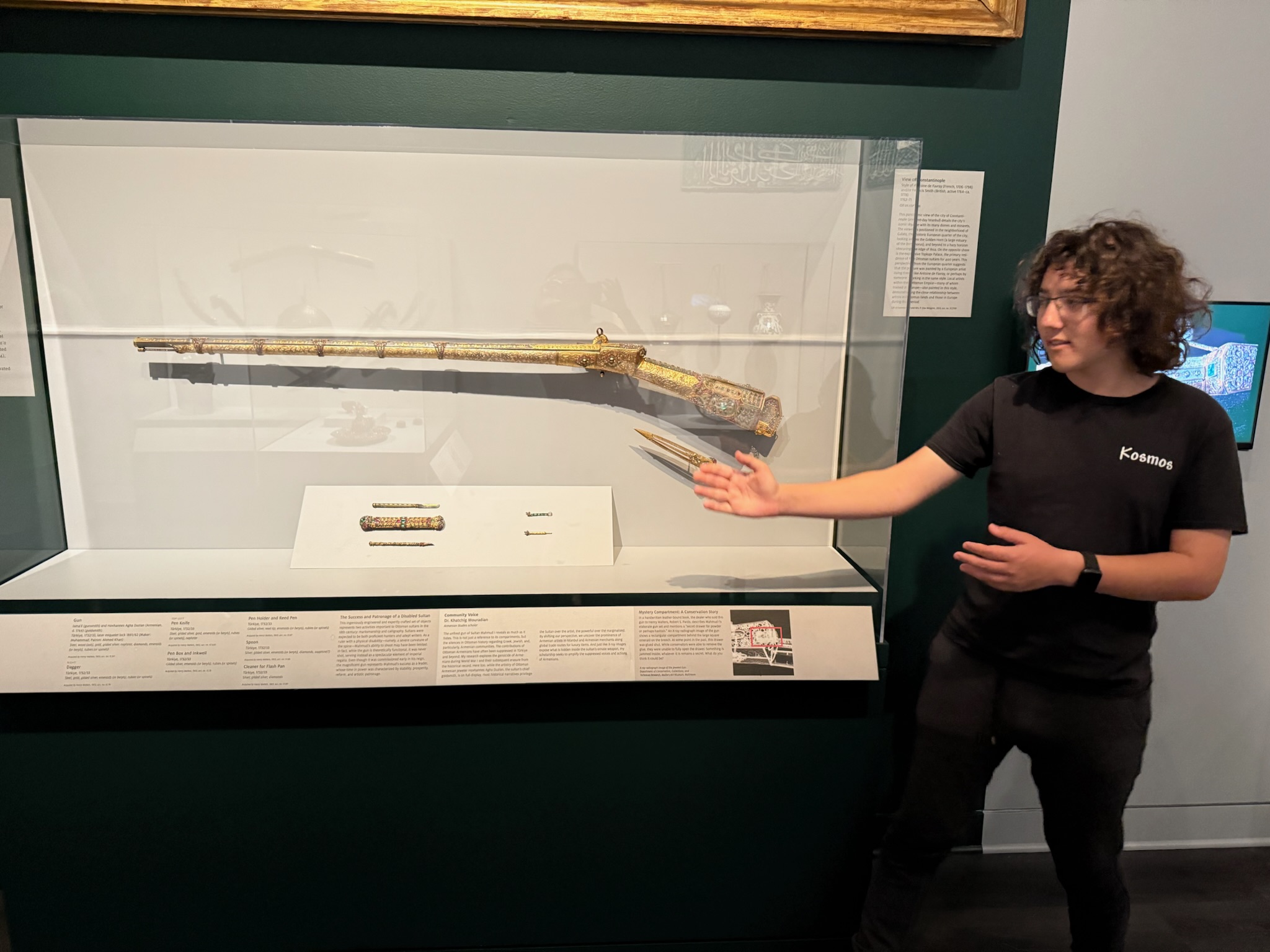
This week has been mellow. On Saturday, we went to the Walter’s Museum. It had lots of old paintings and a few old suits of armor and a few old weapons. I learned that Samurai armor includes a mask that’s kinda creepy.
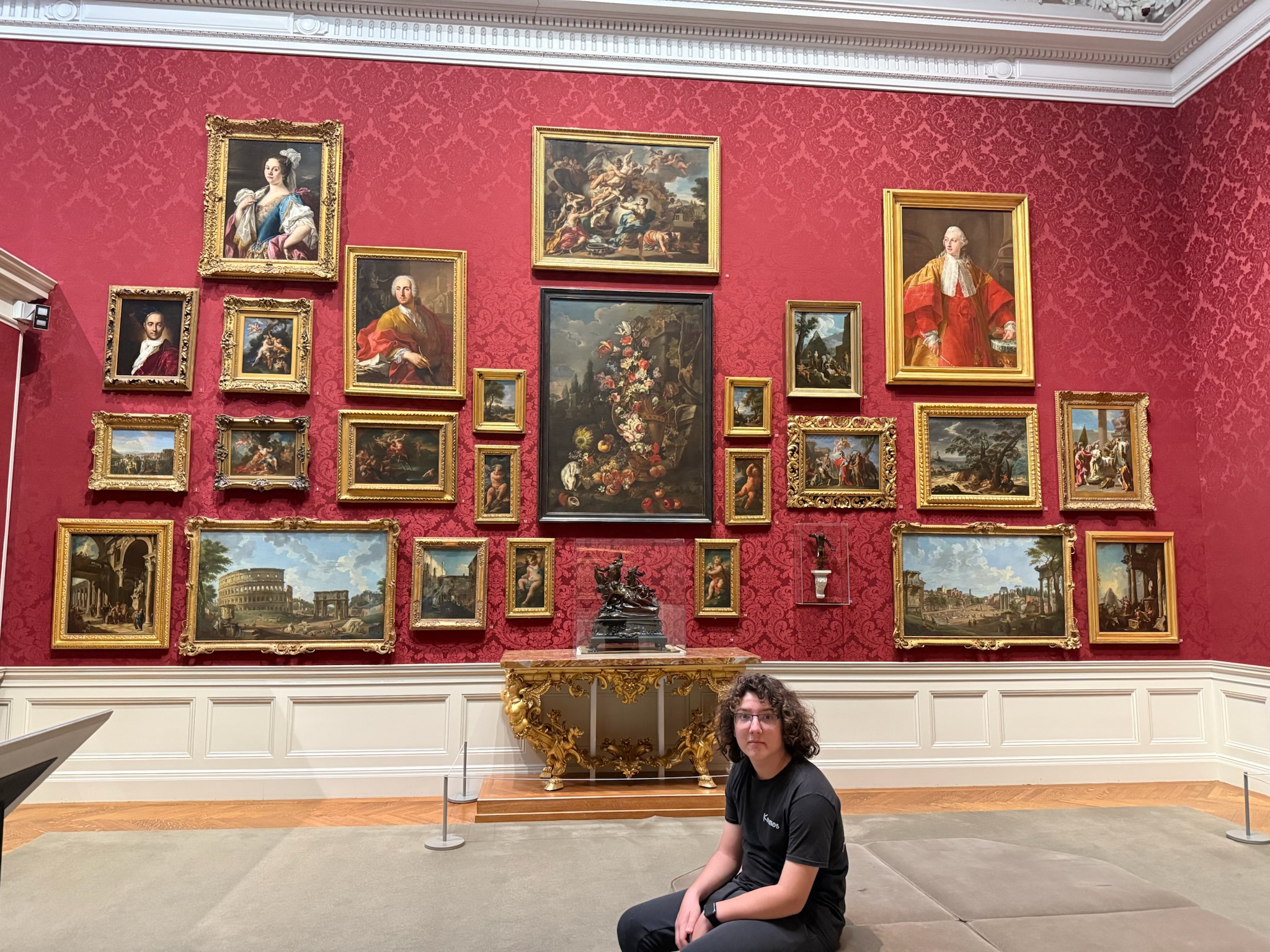
continued… The third room on the third floor of the Charles building was similar to the first two that we’d already seen: very large, spacious rooms filled with large paintings and some other types of art.
There were also exhibits in the walkway that ran along the perimeter of the courtyard below.