Dawn on Saturday, January 3
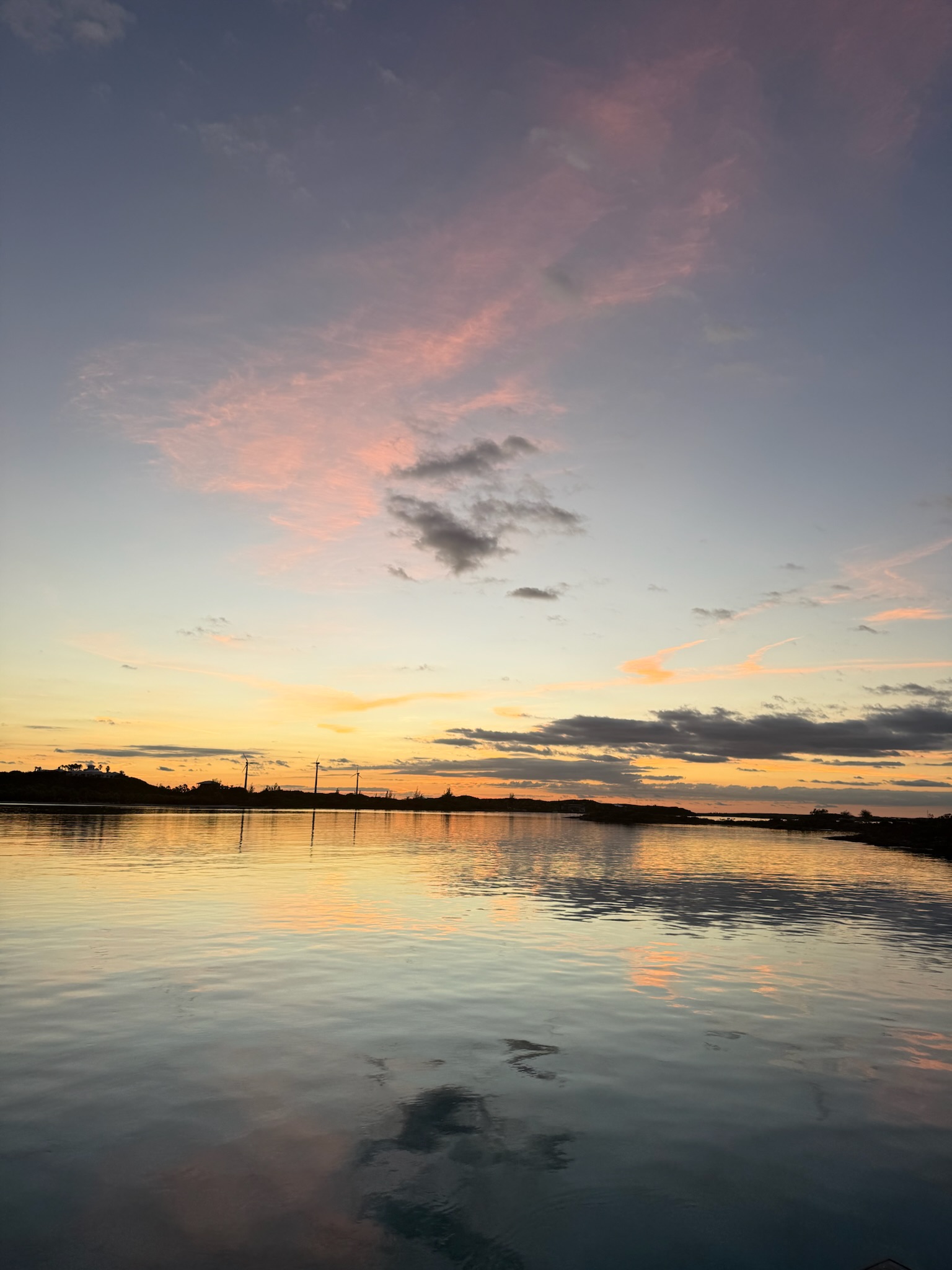
As the sun was rising in the east, the moon was setting in the west. The moonset was magical.
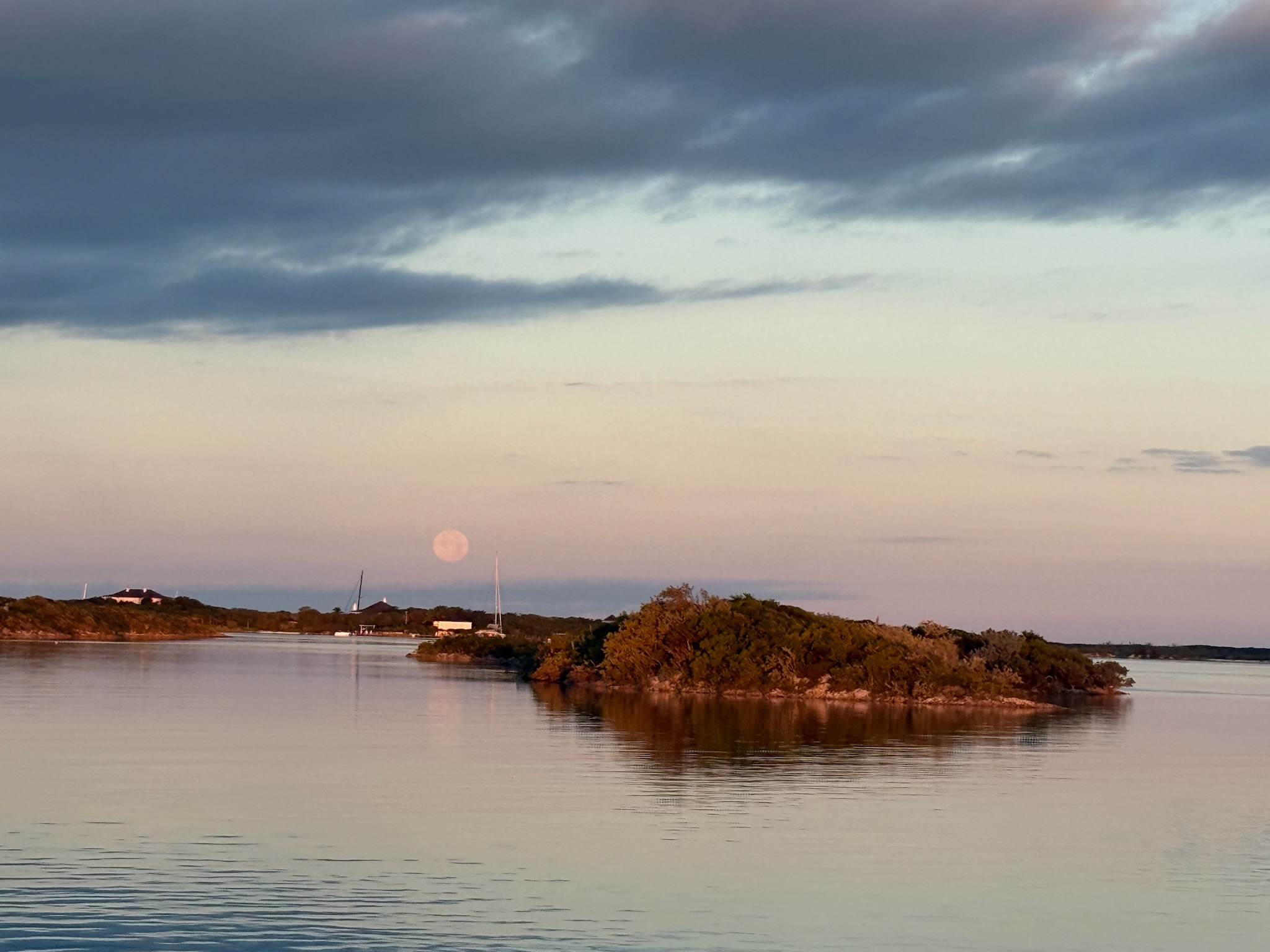
Dawn on Saturday, January 3
As the sun was rising in the east, the moon was setting in the west. The moonset was magical.
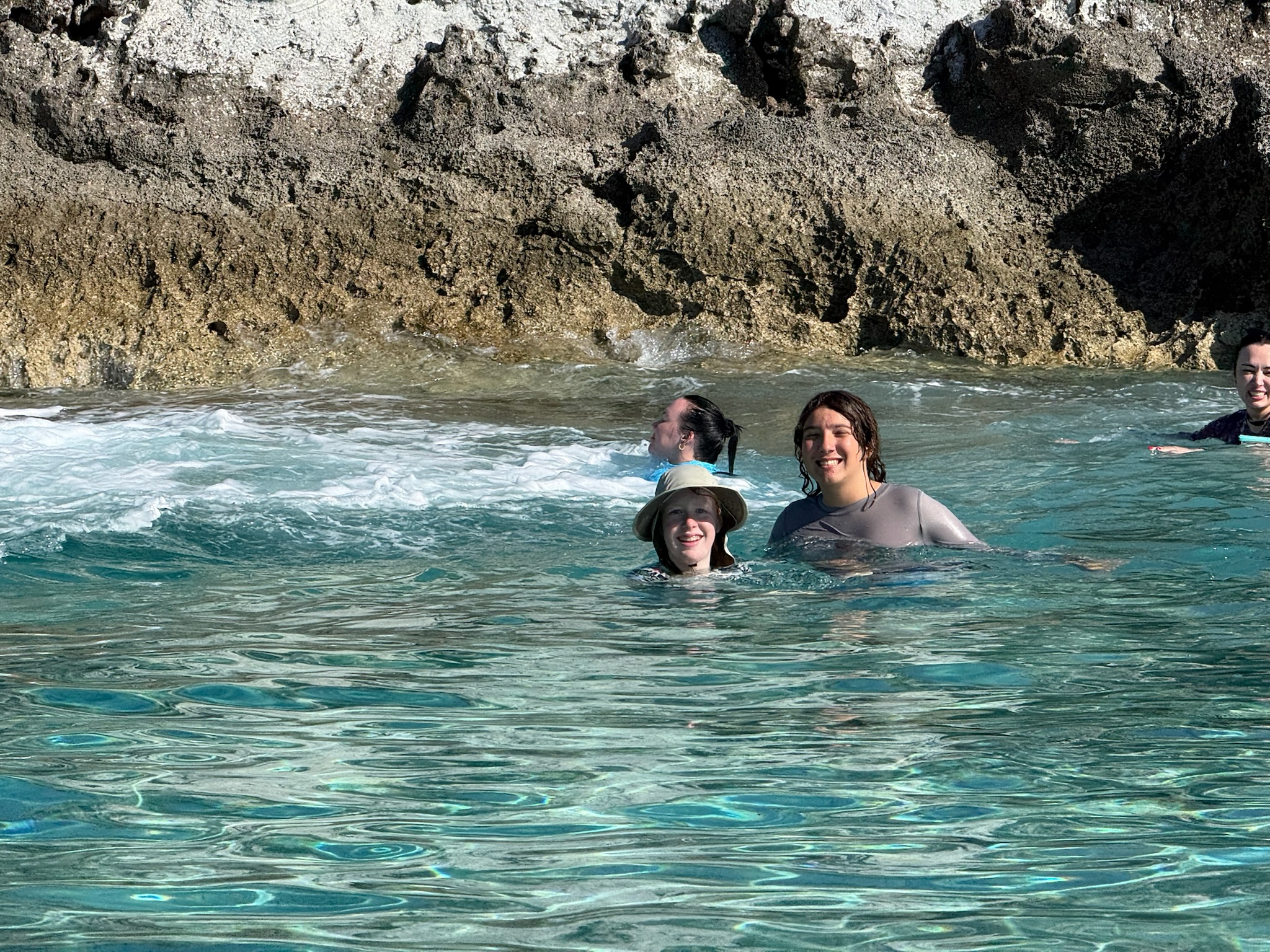
December 27, 2025 – January 2, 2026: This week has been fun. On Saturday, we left and went to an anchorage. Usually it would be super uncomfortable, but since there was no wind, we were fine. I went over to Zimovia and play board games. On Sunday, we moved to a different anchorage. There was this cool place called “Rachel’s Bubble Bath” which was this little pond where waves from the ocean went over some rocks and created lots of bubbles in the pond. It was very fun. In the evening someone had a birthday, so we celebrated it at Zimovia.
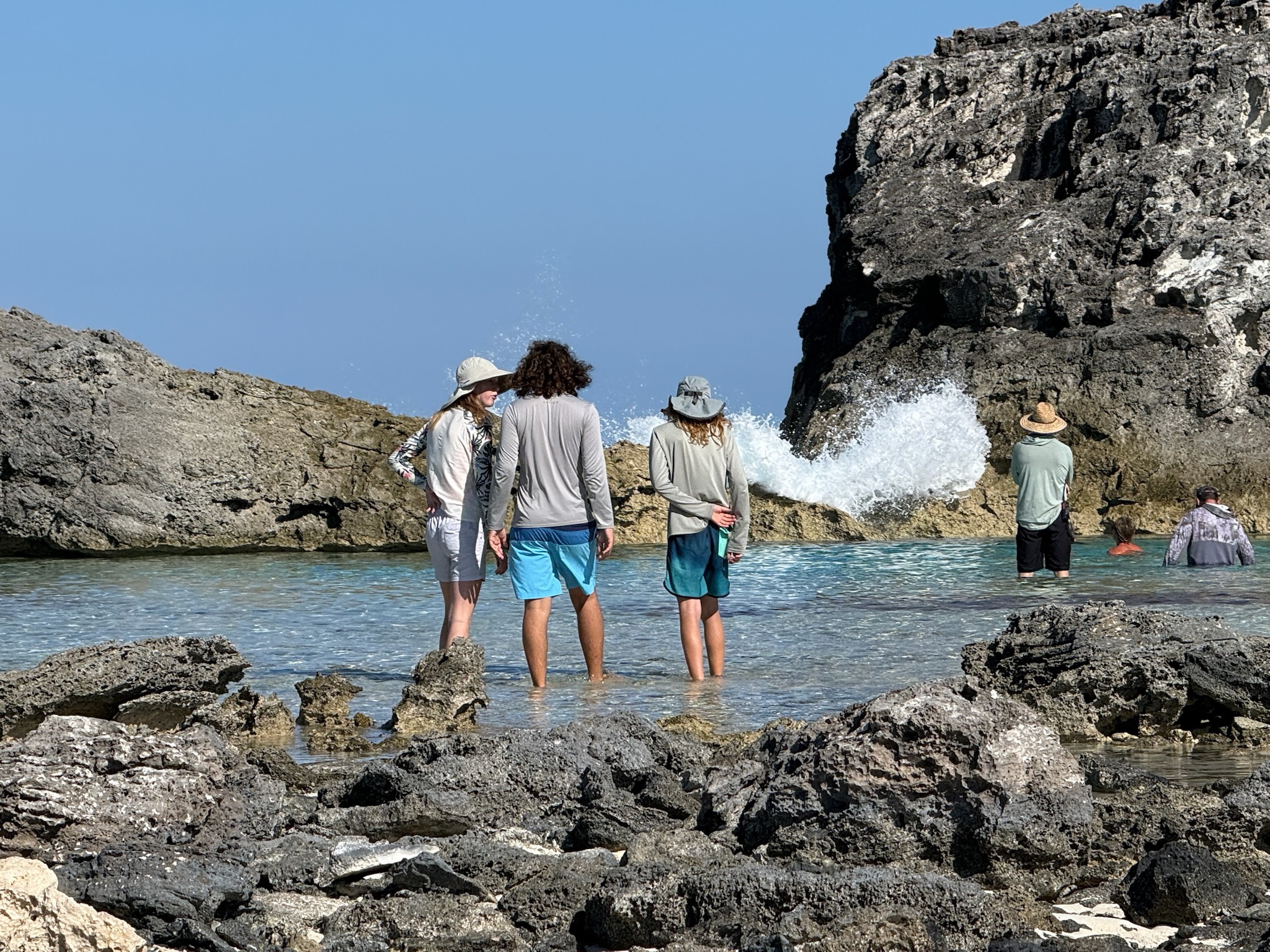
Cette semaine éetait amusante. Samedi, nous sommes alléss à un autre ancrage. Normalment ce serait très inconfortable, mais parce qu’il n’y avait pas de vent, c’était ok. Je suis allé à Zimovia pour jouer des jeux des société. Dimanche, nous avons déménagé à un autre ancrage. Il y avait un endroit cool qui s’appelle “Rachel’s Bubble Bath,” c’est une petite mare où les vagues de l’ocean passent par dessus des rochers ce qui fait beaucoup de bulles dans la mare. Dans la soirée, c’était l’anniversaire de quelqu’un, donc on l’a célébré sur Zimovia.
Sunrise on Thursday, January 1, 2026
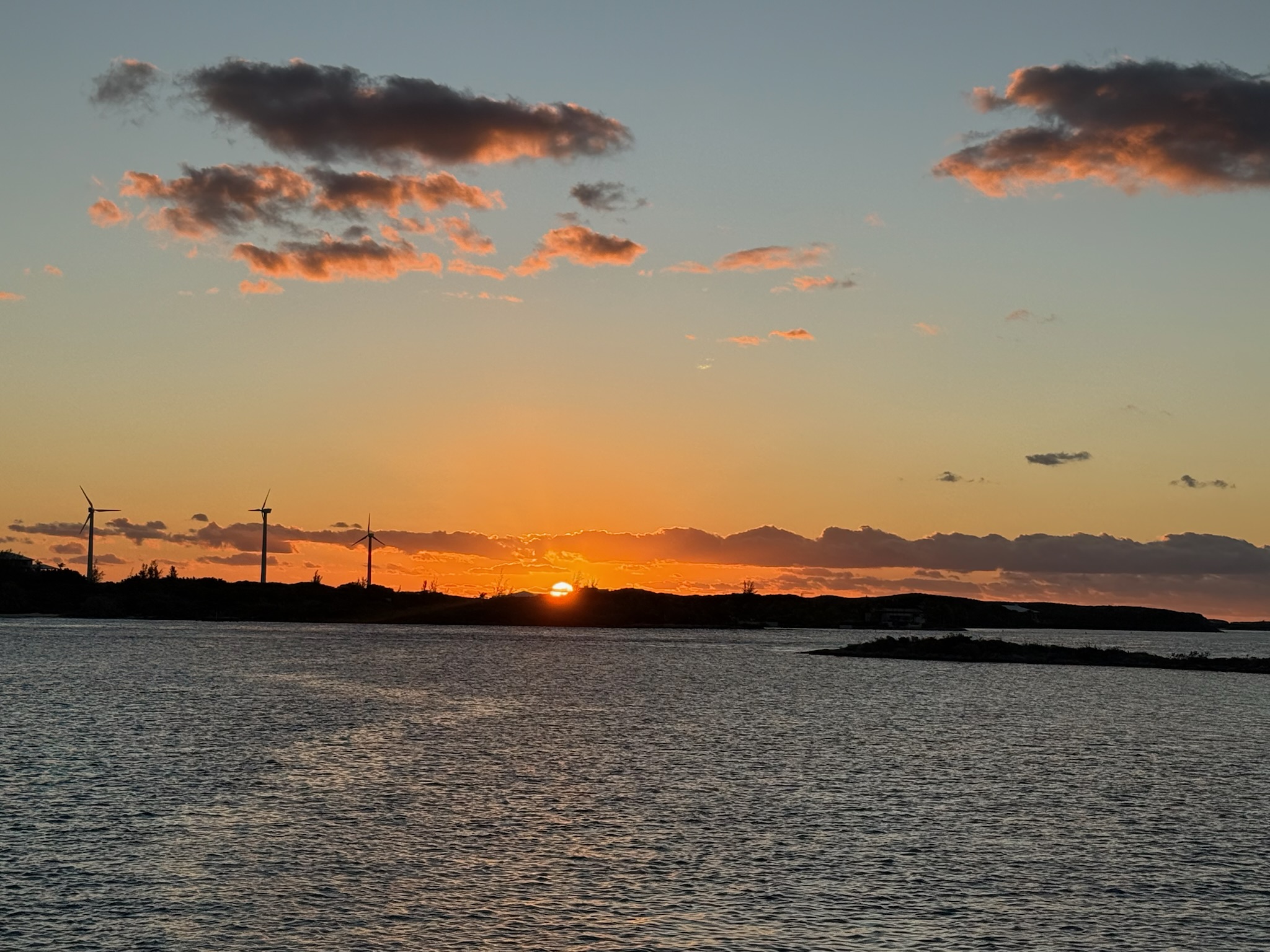
It was a chiily morning – only 66 degrees Farenheit! But it was 45-degrees in Florida and snowing in Baltimore, so it much warmer here in the Exumas than the rest of the US East Coast.
Eric celebrated the New Year by making a French toast breakfast with the coconut bread that we’d bought from Lorraine’s mom. This coconut bread was different than the one we’d gotten in Cat Island. In Cat Island, it was basically white bread with a hint of sweetness and a hint of coconut. Looking at it, you’d never realize it wasn’t plain white bread. Lorraine’s mom’s bread was basically white bread with a swirl of coconut jam in the middle — like a jellyroll cake but with bread instead of cake. The jam was made from tiny pieces of real coconut. Eric and Christi loved it and thought it made phenomenal French toast. Keith wasn’t a coconut fan and said he preferred French toast with regular bread.
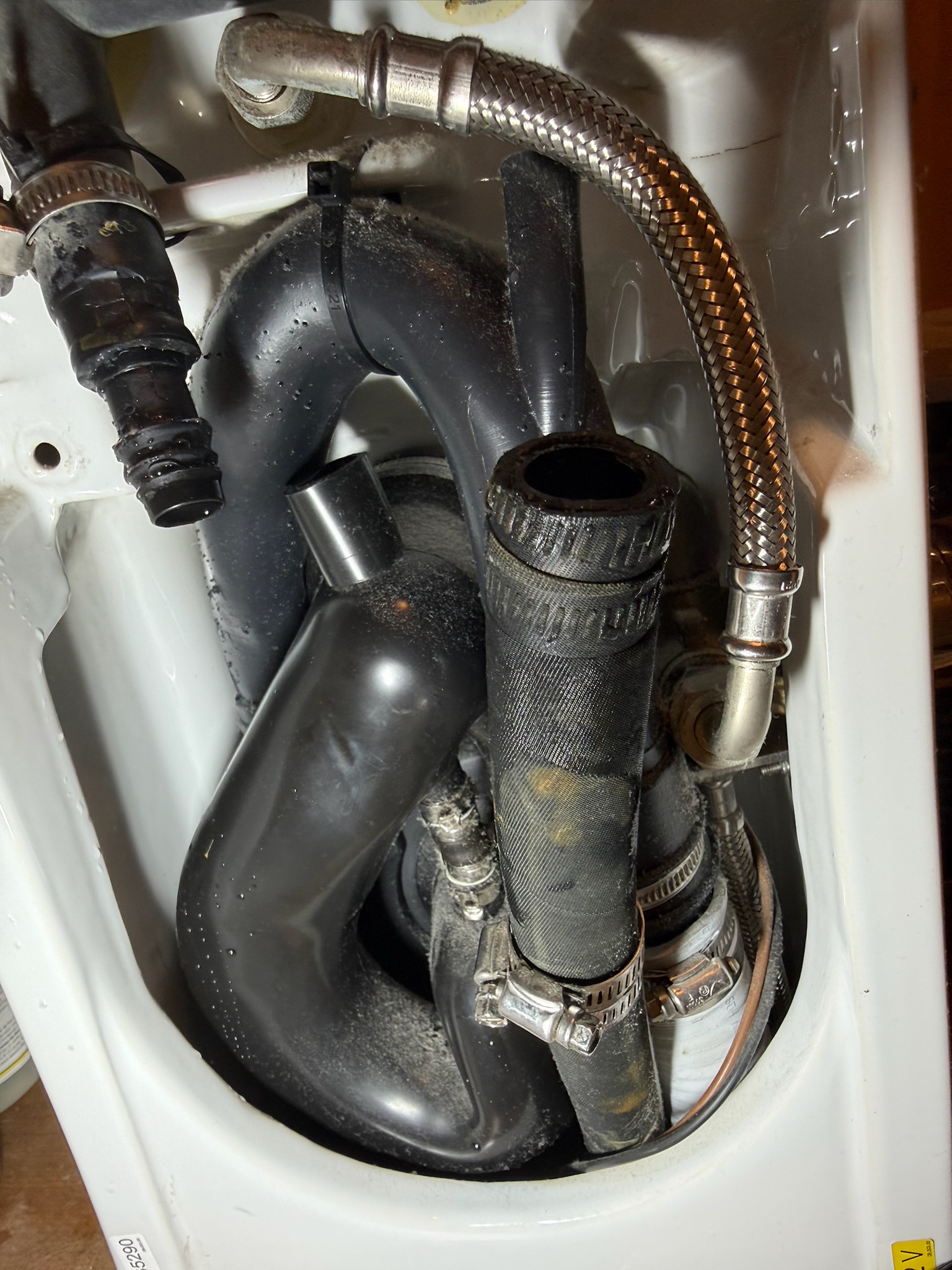
After breakfast, Eric did a little gaming to help psych himself up for tackling the toilet. The first step was to clear out the closet. Then he had to disconnect the water pipes from the toilet. The water in the outgoing pipe spilled, which was stinky.
Dawn on Wednesday, December 31
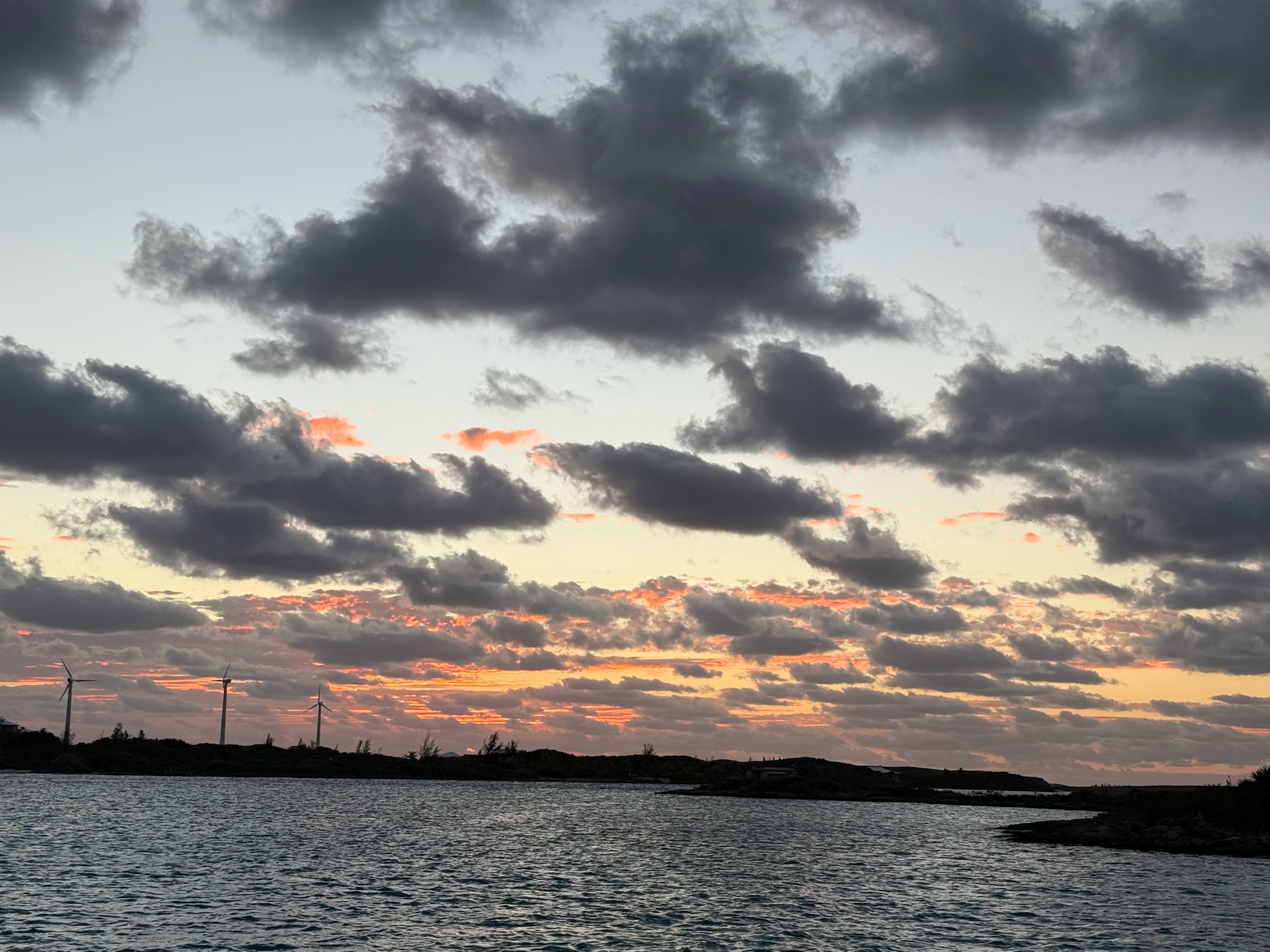
This morning, we were awoken at 0600 from radio chatter. When Eric turned on the internet (when we’re at anchor, we turn Starlink off at night because it’s a power hog), he saw an explosion of What’s App chatter amongst the flotilla group. “The La Paz Waltz” had made the boats in the anchorage move oddly in the night. We’d first heard the term “The La Paz Waltz,” in Baja to describe when boats didn’t move in unison because the wind direction conflicted with strong currents — some boats moved with the wind, others with the current. The boats in the anchorage reported they had abnormal tracks around their anchors and several had come disconcertingly close to hitting one another – within 20 feet! Tiki Tour moved to an anchorage a mile away. Two of the boats went to join the other half of the group in Big Majors. Zimovia stayed put since they were now alone and there was no one to hit them.
Continue readingDawn on Monday, December 29, 2025
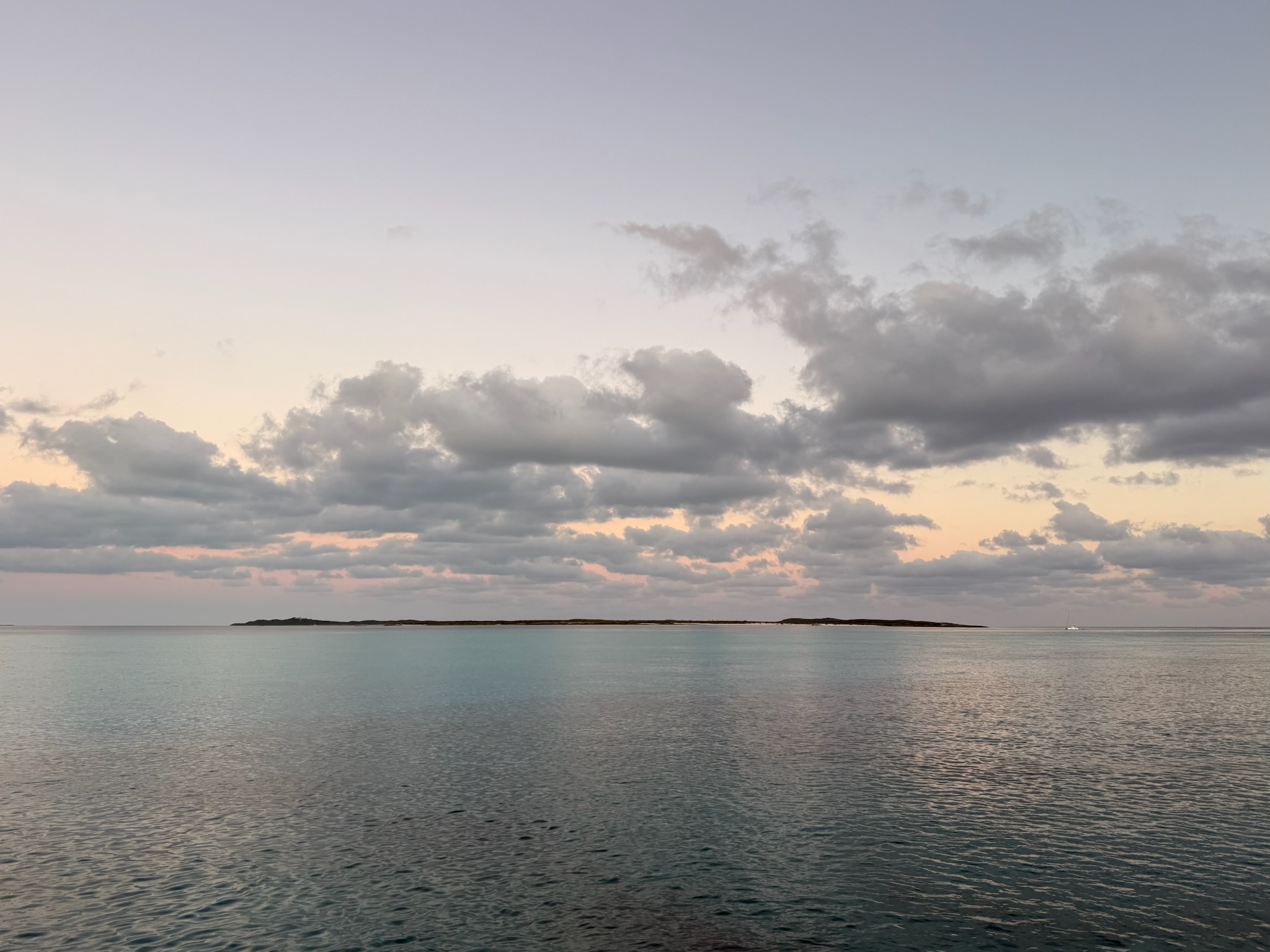
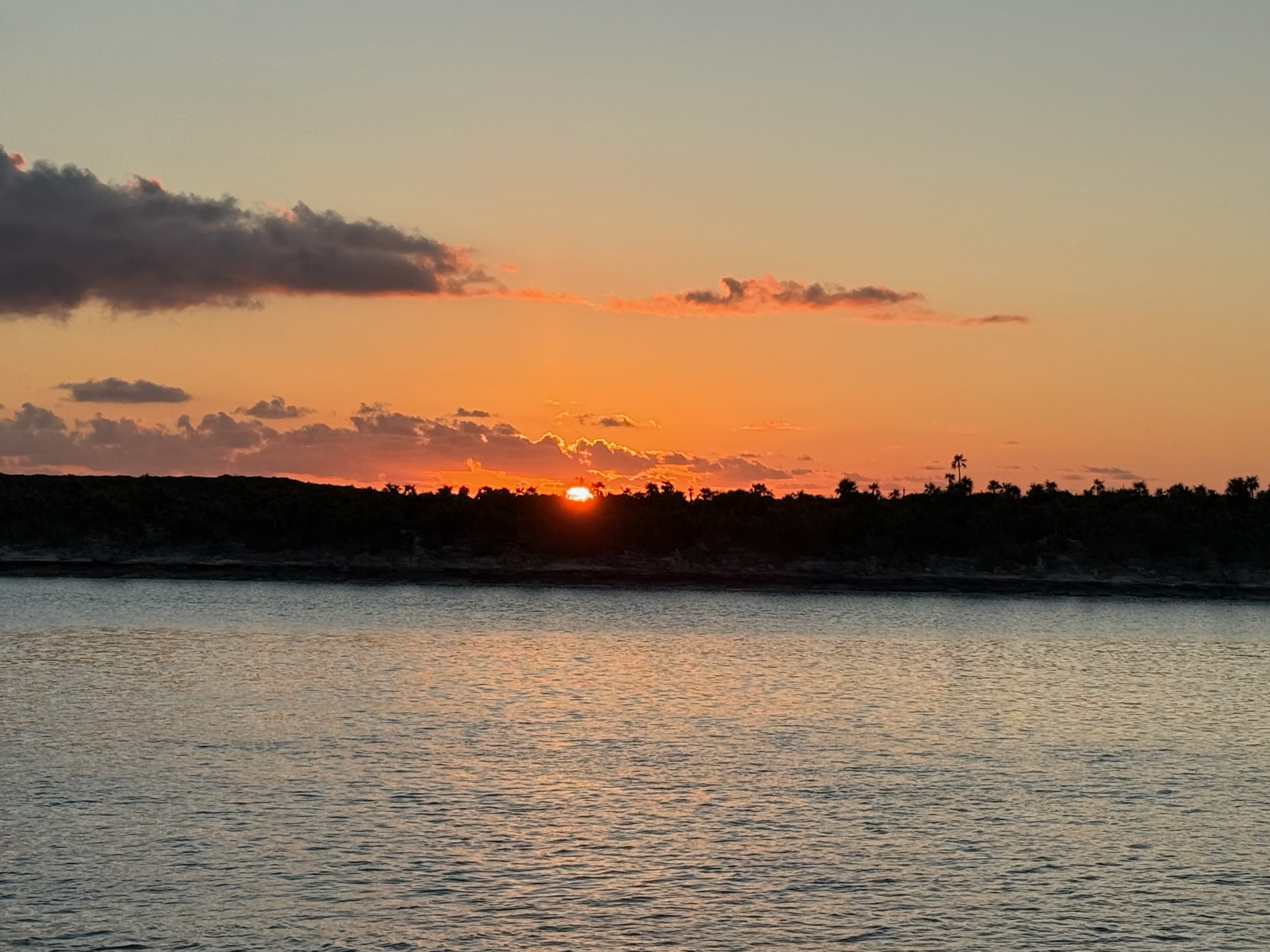
We only got to see part of the sunrise because a cloud descended and blocked the view. Here was the sun just as the cloud began to descend.
We haven’t been in “civilization” since December 17, and our trash has been accumulating. We had put a full trash bag out in the cockpit a few days ago. When Christi went out to take the sunrise photos, she saw that the entire cockpit was covered in maggots. She told Eric about the problem and the two of them bagged the trash up into a sturdier bag and made sure it was really secure so no more maggots could escape, then cleaned up all the maggots in the cockpit. Ugh. It was not a fun start to the day.
Continue reading