The Kennedy Space Center, Merritt Island National Wildlife Refuge, FL (AKA Cape Canaveral) — Part 9

continued… We hustled over to the building the Astronaut Talk was in and took a seat in the mostly empty theater. The astronaut of the day was Bob Cenker, who did one mission aboard the Space Shuttle as a private contractor — he wasn’t an actual NASA astronaut.
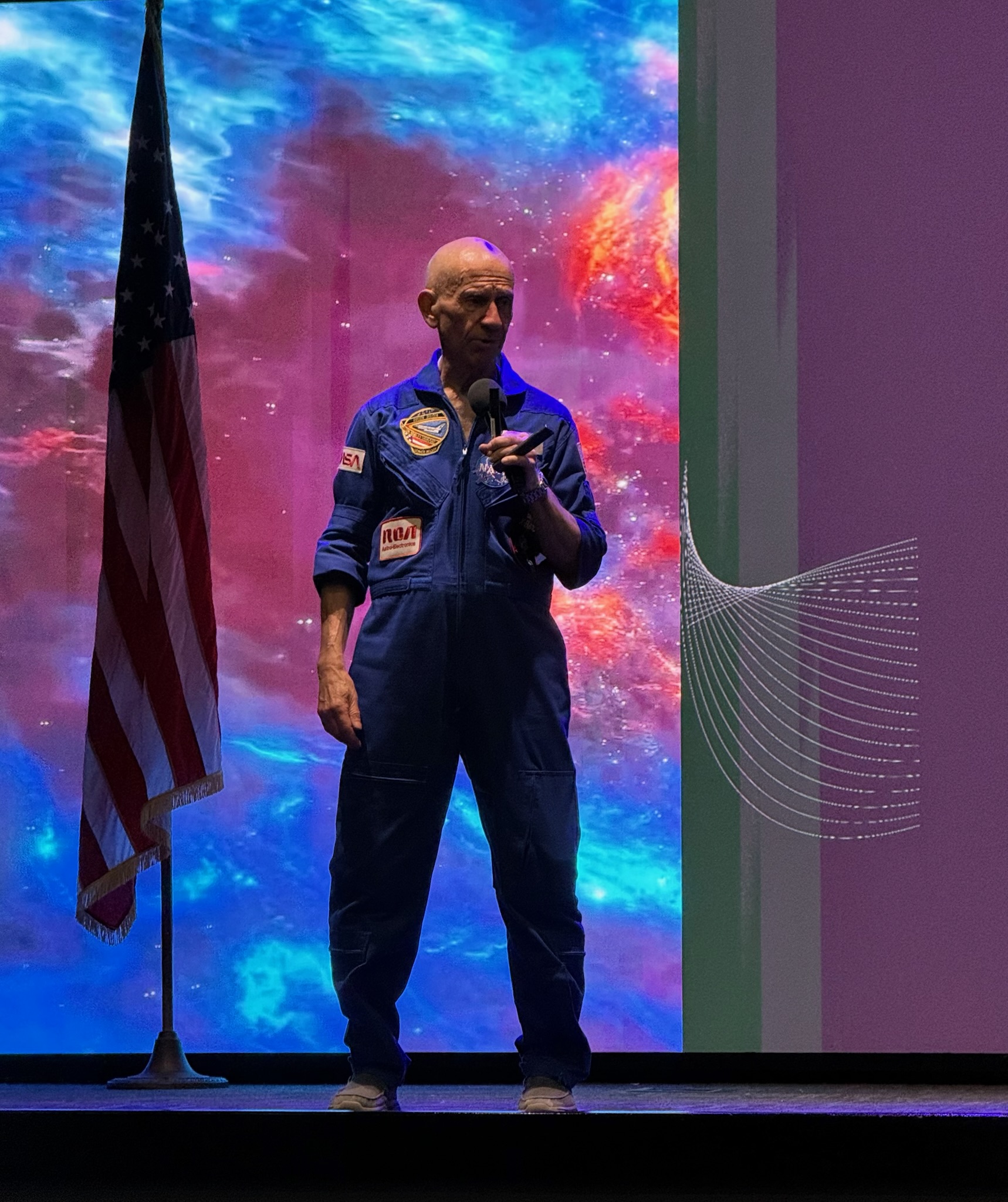
Bob was chosen for the mission because he was a satellite specialist and they needed his specialist services on this particular mission. He talked about what it was like to be in space – the first day, he was very sick. Once he adjusted, he could eat fine, but preparing food was a challenge. He also talked about the challenges of using the toilet. He was very detailed about his experience — what day to day life was like, how his body changed, etc. He also talked about adjusting back to Earth upon return. He told a funny story about dropping dishes because he forgot they didn’t float. 

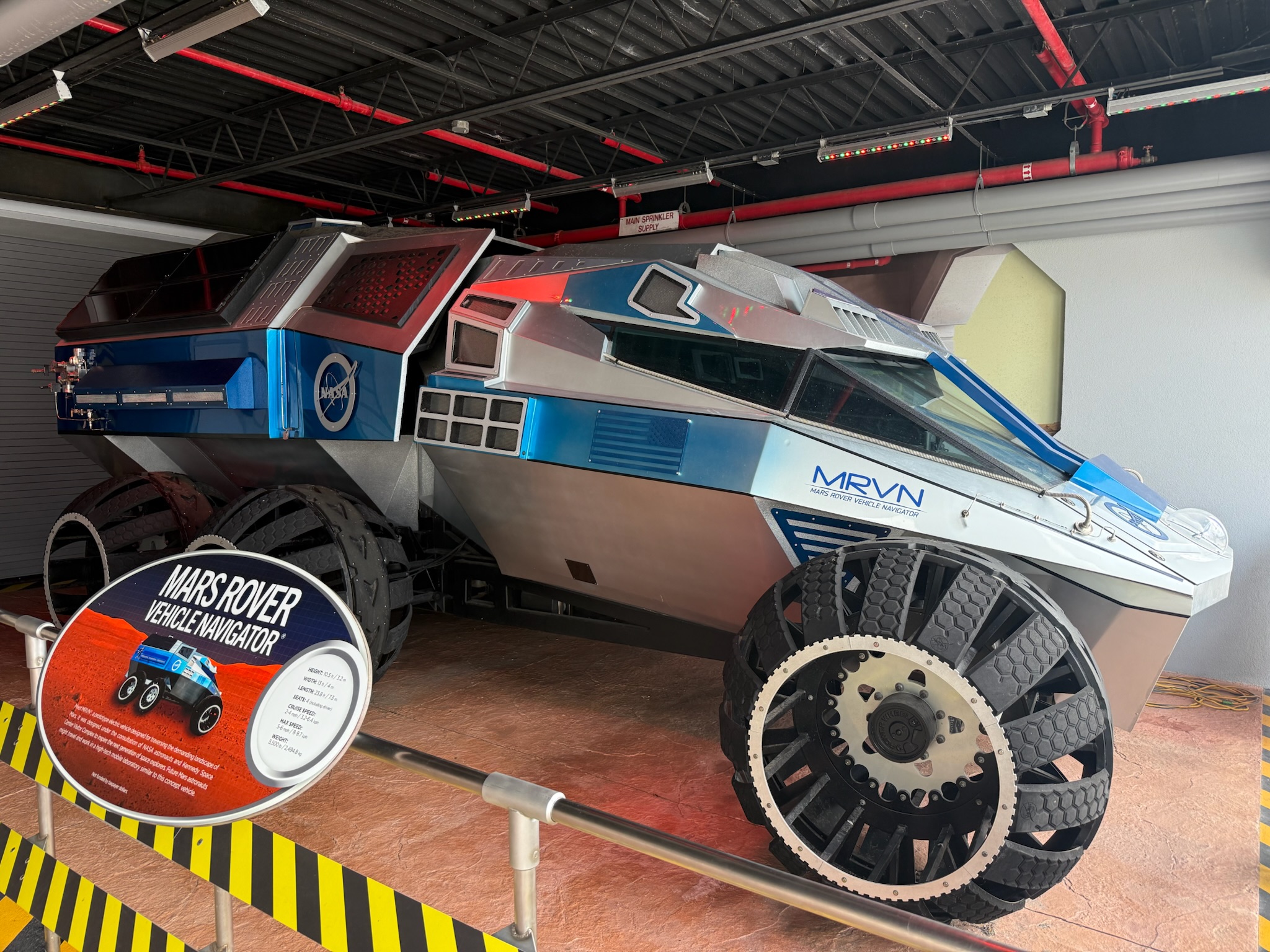
Next on the to-do list was an exhibit called Journey to Mars, which was in a building across the way from the theater. On the way over, we stopped to look at a vehicle called the Mars Rover Vehicle Navigator that was parked near the Journey to Mars. According to the signs, it was a prototype of a high tech mobile laboratory. The vehicle was electric and designed to traverse the demanding landscape of Mars. It could seat 4 people, cruise at 2 – 4 mph (3.2 – 6.4 kph) and had a max speed of 5 – 6 mph (8 – 9.7 kph). We found it interesting that the sign said “Not funded by taxpayer dollars.”
Continue reading →

The Kennedy Space Center, Merritt Island National Wildlife Refuge, FL (AKA Cape Canaveral) — Part 8

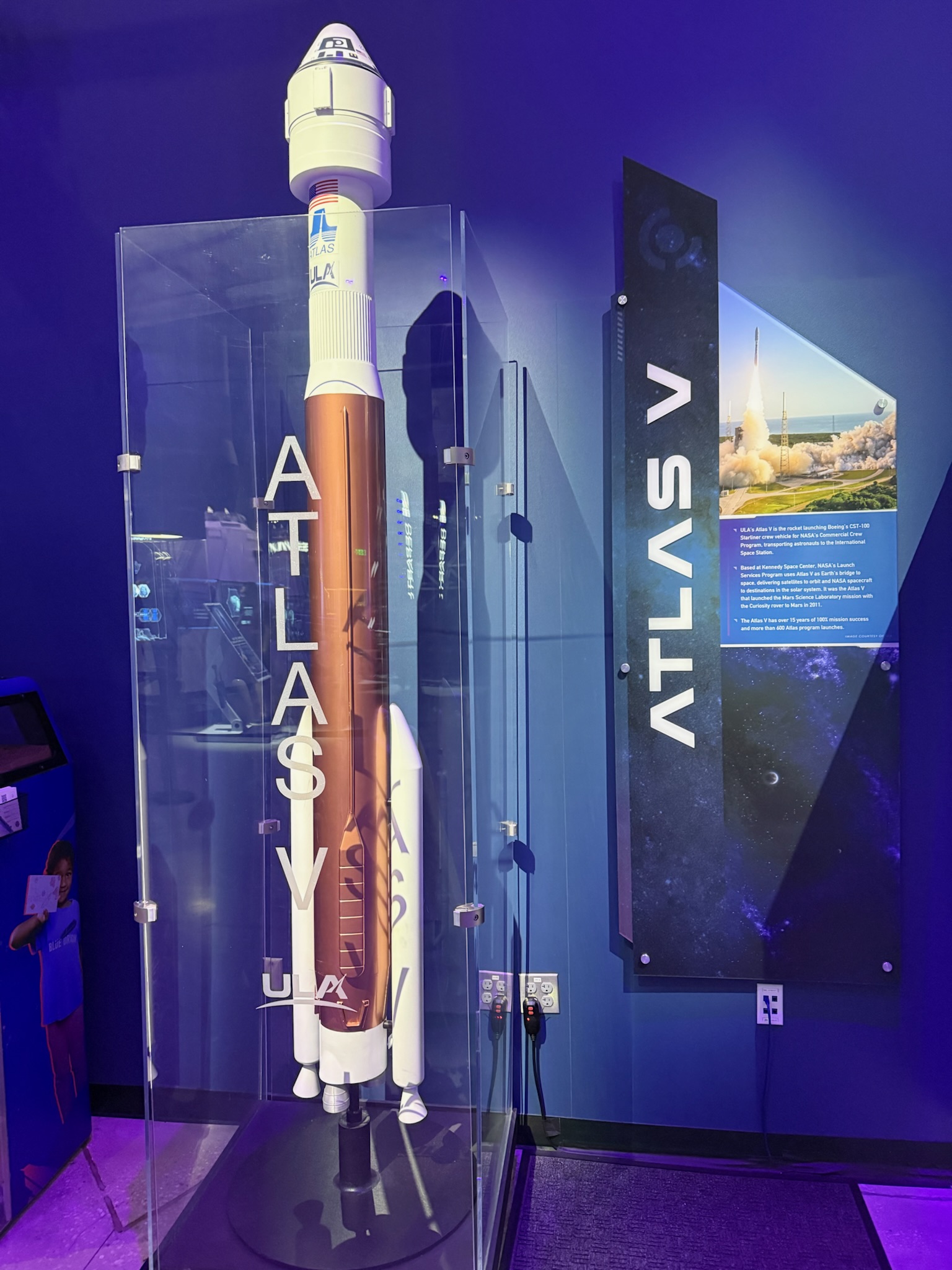
continued… There was also a model of the Atlas V, which has been in use since 2002. According to the sign, there have been more than 600 Atlas program launches with 100% success. It was used for transporting astronauts to the International Space Station (ISS), delivering satellites to orbit, and NASA spacecraft to destinations in the solar system, including the Mars Science Laboratory mission with the Curiosity rover to Mars in 2011.

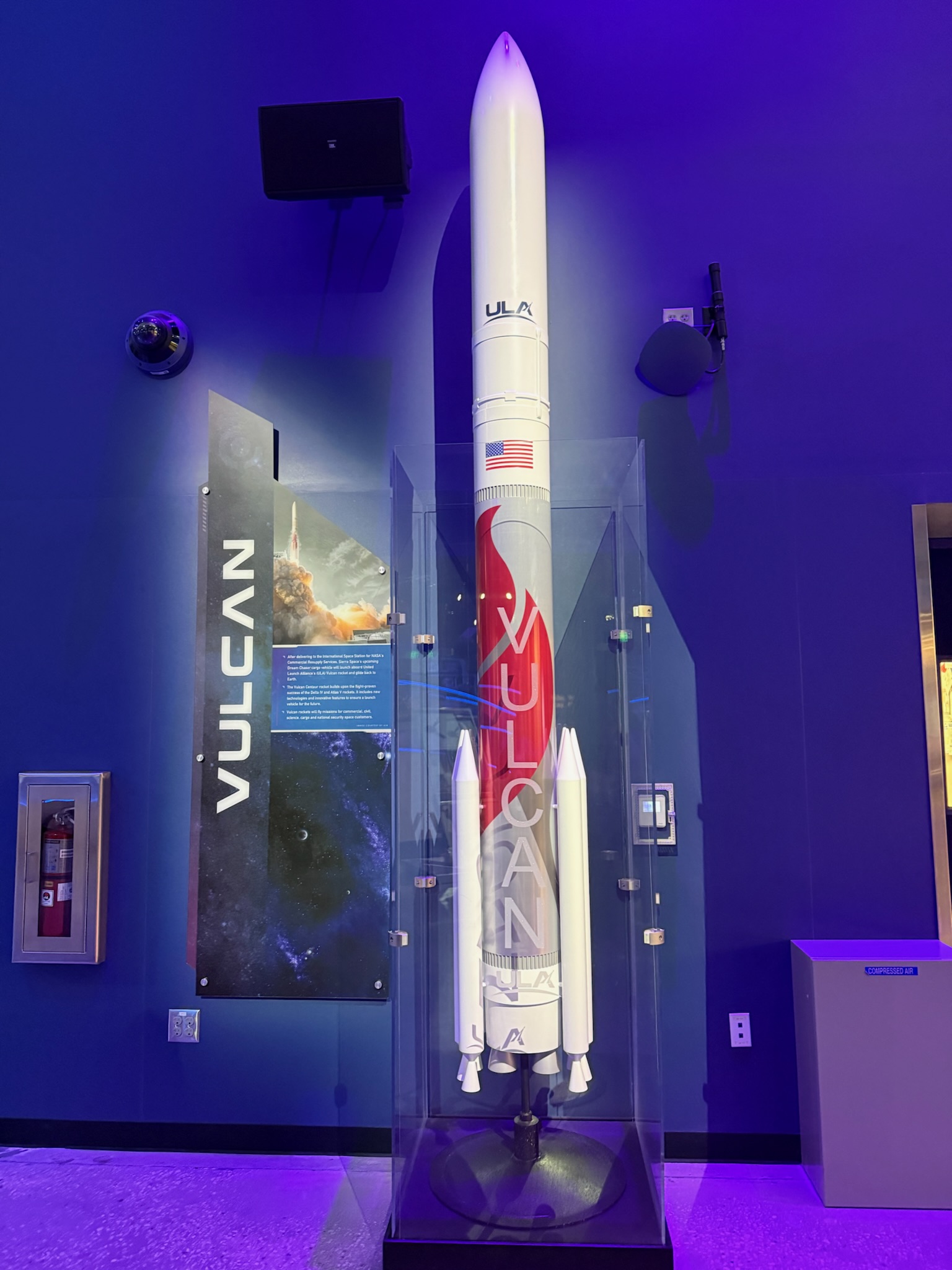
And there was a model of the Vulcan Centaur rocket. The sign was written in a conditional tense where it said that after delivering supplies to the ISS, it will fly missions for commercial, civil, science, cargo and national security space customers. So, due to the odd verb tense, we weren’t sure if the Vulcan was already in use or just planned to be in use soon.

Continue reading →

The Kennedy Space Center, Merritt Island National Wildlife Refuge, FL (AKA Cape Canaveral) — Part 7

continued... Once we reached the next floor down, we went directly to the flight simulator, which we remembered as the funnest activity at Kennedy Space Center. The area where people lined up was reminiscent of Space Mountain at Disneyland in that it was decorated to look futuristic and visually interesting. The walk through the line up area seemed to go on forever, but we were delighted when we got to the front and found that there was almost no one in line ahead of us. It took a long time for the doors to open and the staff to usher us into the next room.

We were directed to stand in rows, with each person standing on a mark on the floor. Once everyone was situated, a video played. It explained that the simulator had been part of the Space Shuttle astronaut training program. It replicated the various conditions that may be encountered in outer space, and had been designed to prepare them for various scenarios they would encounter during their flights. The video explained what kinds of motion to expect while we were inside the simulator, along with a quick overview of what exterior conditions caused the various types of motion.

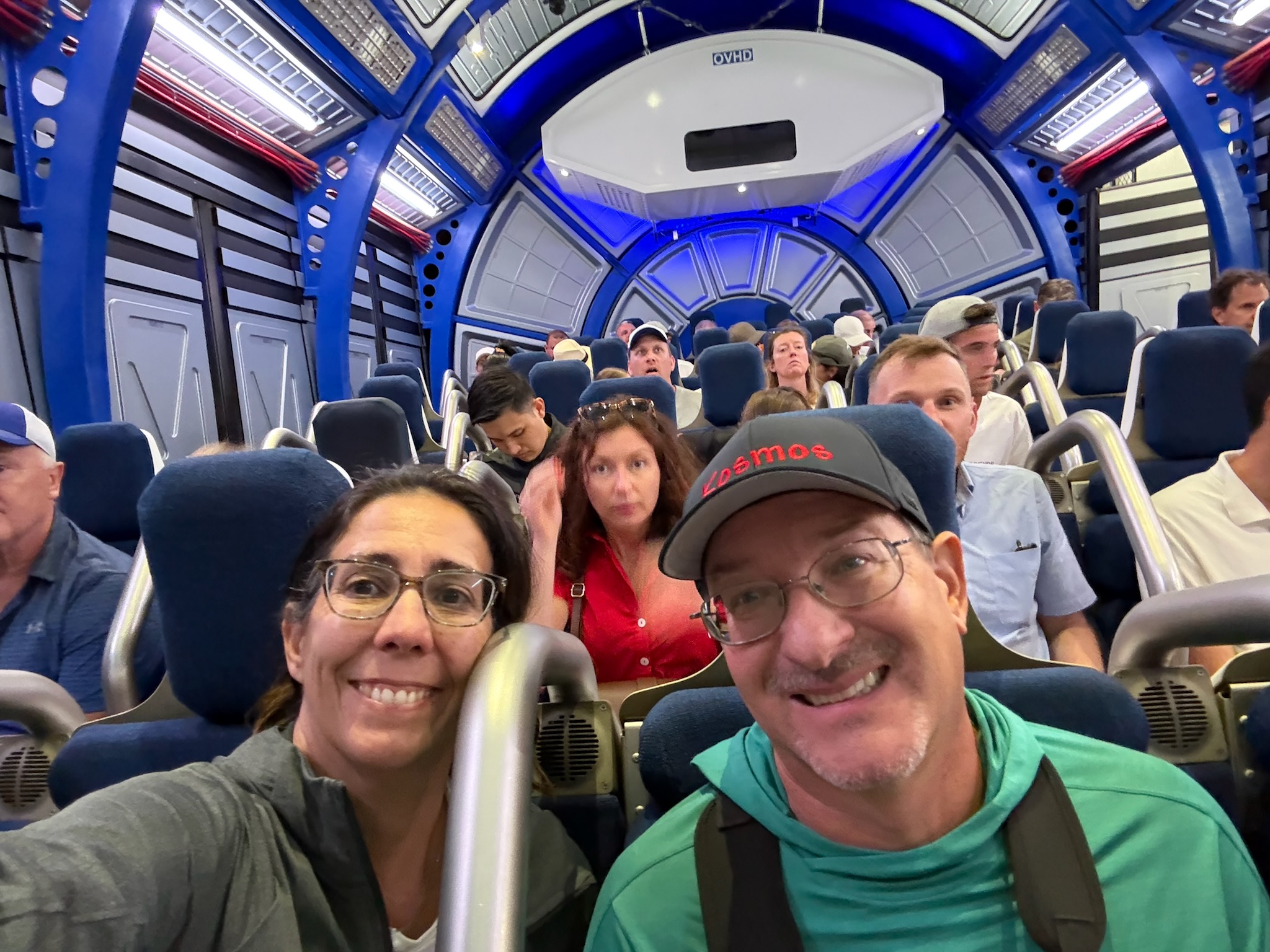
Then a set of doors opened and we were ushered into the next room, where we were again instructed to line up into rows, standing on the marks on the floor. We waited for a few minutes, then another set of doors opened. This time, it was the simulator. Since we were already lined up, the group shuffled smoothly and quickly into the appropriate seats.

Continue reading →

The Kennedy Space Center, Merritt Island National Wildlife Refuge, FL (AKA Cape Canaveral) — Part 6

continued… We looked at the Atlantis Space Shuttle for a few minutes from different angles. She flew 33 missions, spent 307 days in space and flew 126-million miles. Her final flight finished on July 21, 2011.

Per the signs, Atlantis had three types of engines. The largest, or main engine, was used only for the first 8.5 minutes of take-off, and worked in conjunction with the rocket boosters to launch the shuttle into orbit. It had four turbo pumps, a computer controller and a network of ducts, wiring and valves and was able to withstand the release of 500,000 pounds (2,224 kN) of thrust. These fuel in the engines was -423 degrees Fahrenheit (-253 C), which was colder than Pluto. Inside the engine it was 6,000 degrees Fahrenheit (3316 C), hotter than the boiling point of copper. These engines had the most extreme temperature differential of all machines in the entire world.

Continue reading →

The Kennedy Space Center, Merritt Island National Wildlife Refuge, FL (AKA Cape Canaveral) — Part 5

continued… There was a large exhibit on Fisher Space Pens, which have been on every manned space flight since Apollo-7 in 1968. These remarkable pens are retractable, pressurized, all-metal, work in zero gravity, work underwater, write upside down, work in temperatures between -30 degrees and 250 degrees Fahrenheit (-35 to 121 degrees C), write on nearly any surface and last three times longer than an average ballpoint pen. The pens are made in Boulder City, Nevada.

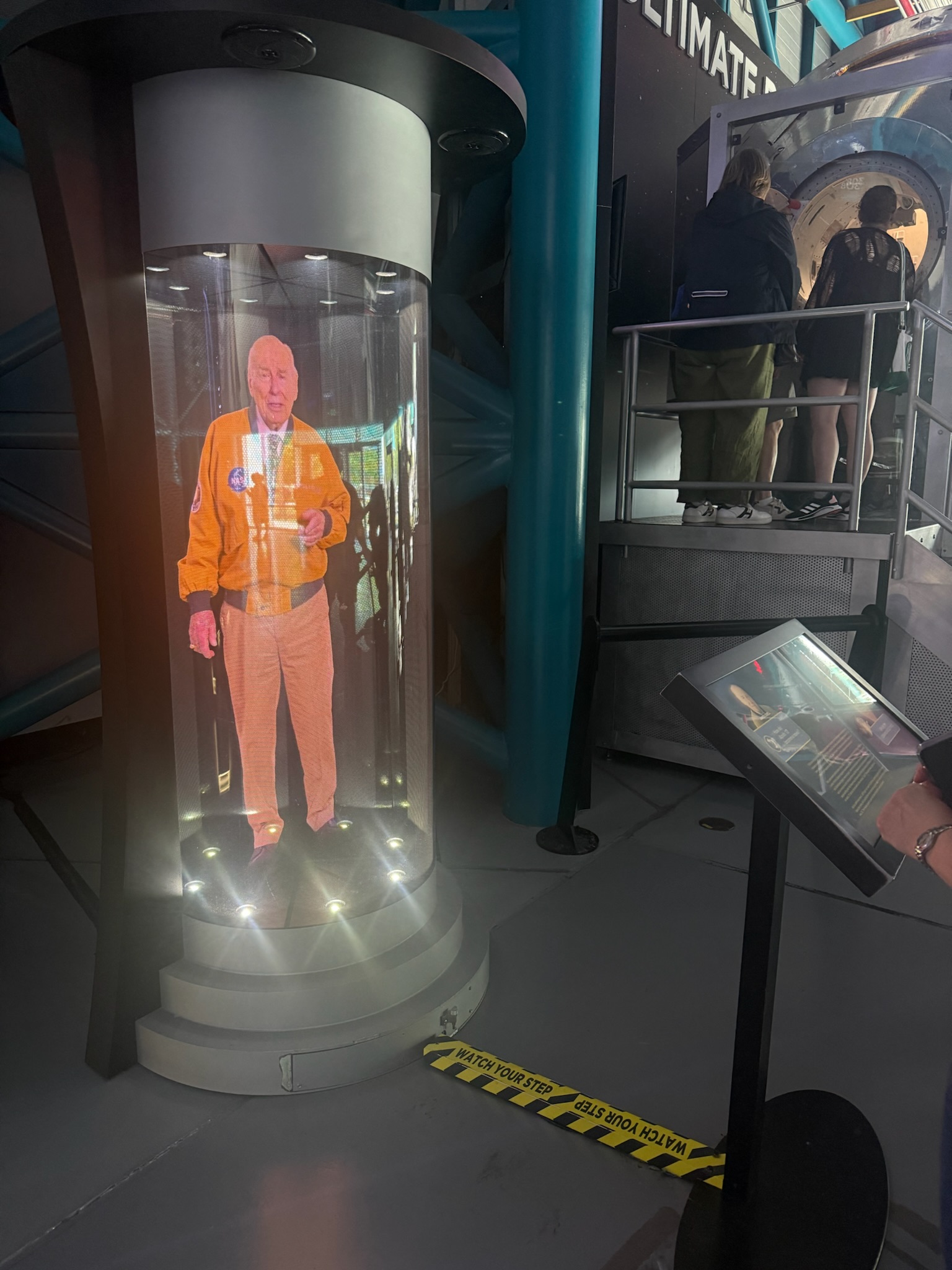
Next was a holograph of former astronaut James Lovell talking to us. We don’t remember what he talked about, but, given the nature of the medium, we half-expected him to say “Your our only hope, OB-1.” He didn’t, though.

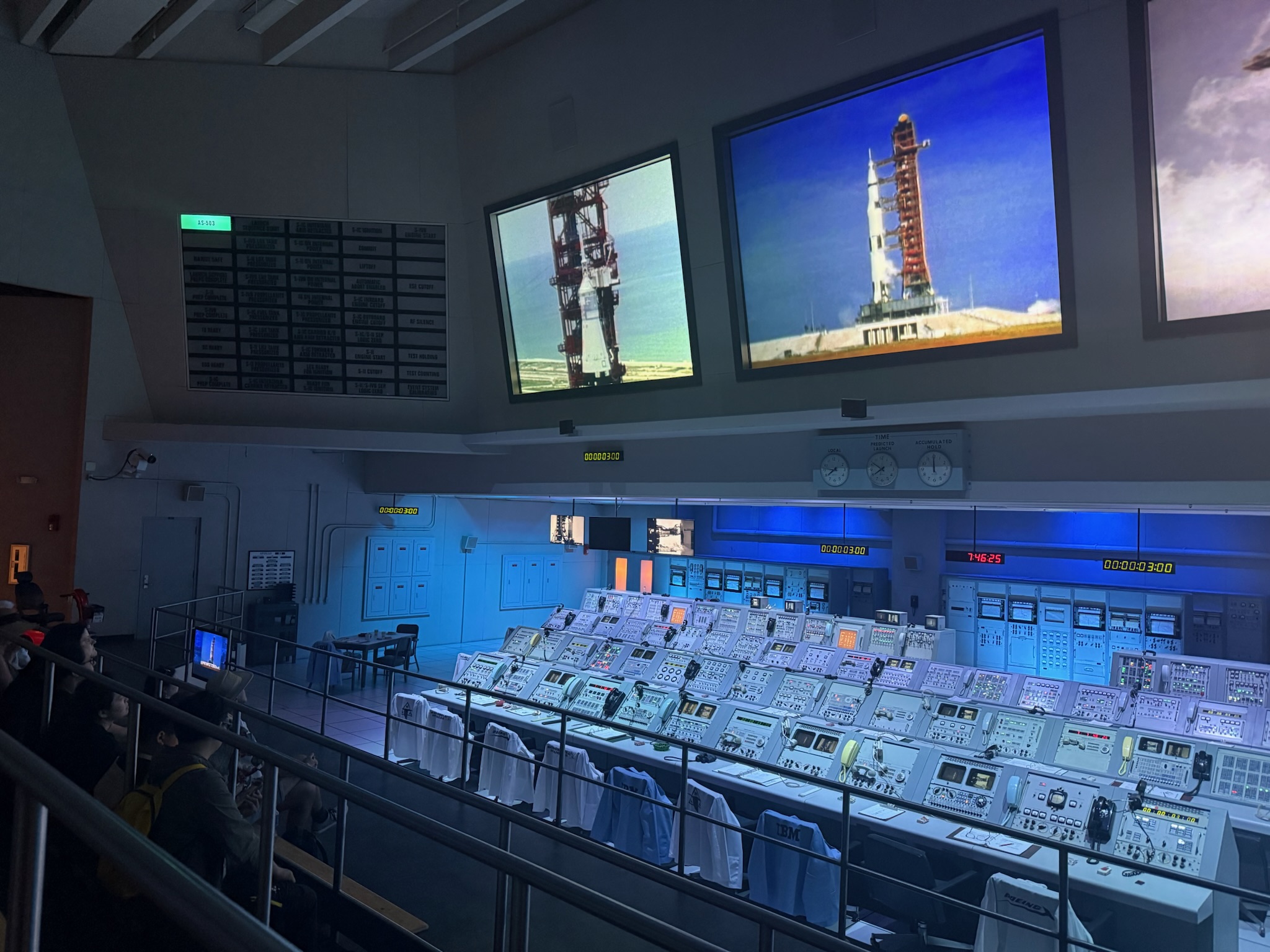
At some point, Eric had separated from Christi and Keith. As Christi and Keith were nearing the Command Module that they’d skipped earlier, they noticed a group of people coming out of the doors that Christi had noticed on our way in. She said “I knew we’d missed the first movie!” and quickly pulled Keith into the room to see the introductory movie. The set was a replica of the Control Room during the first moon landing.

Continue reading →