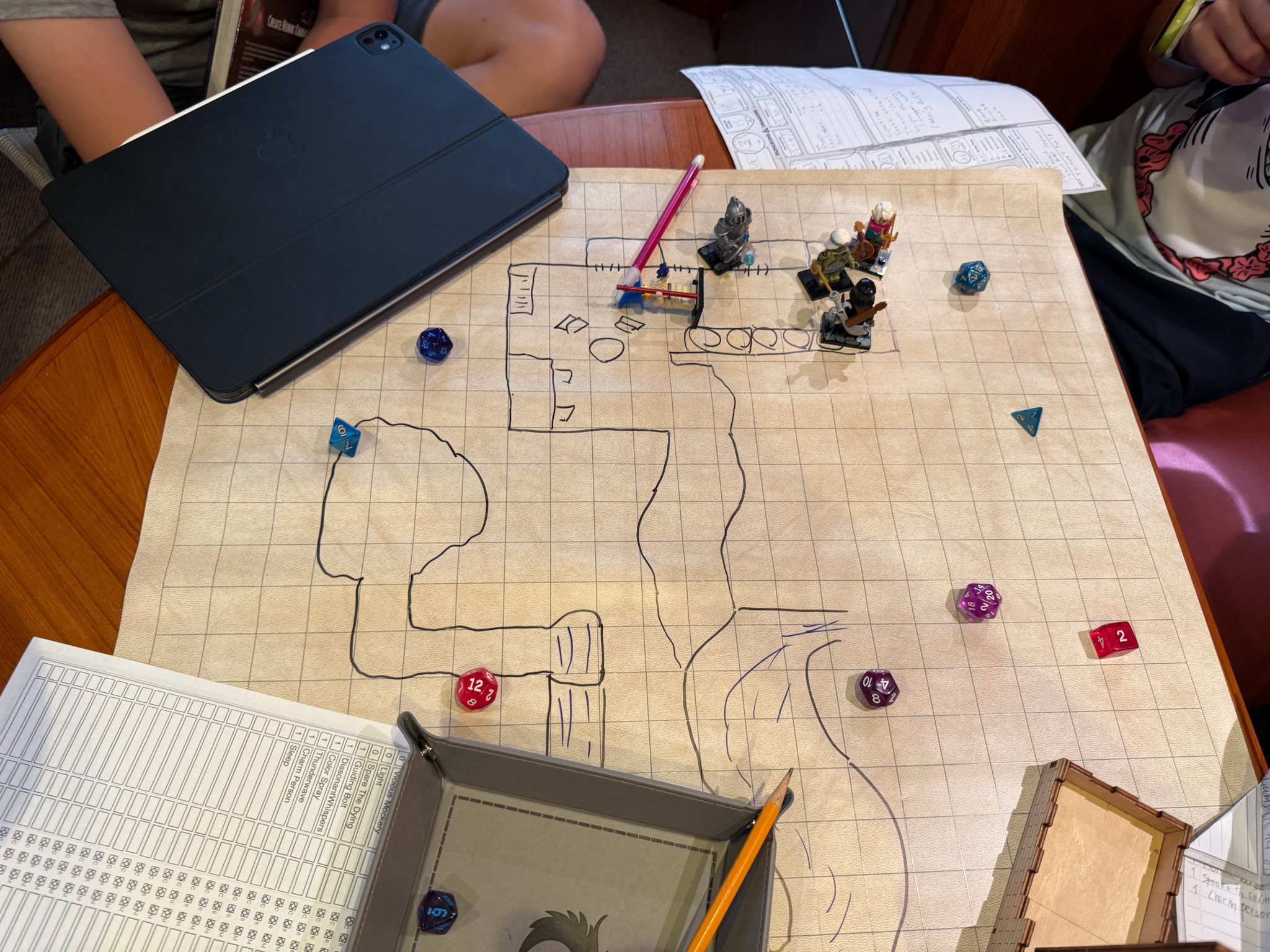
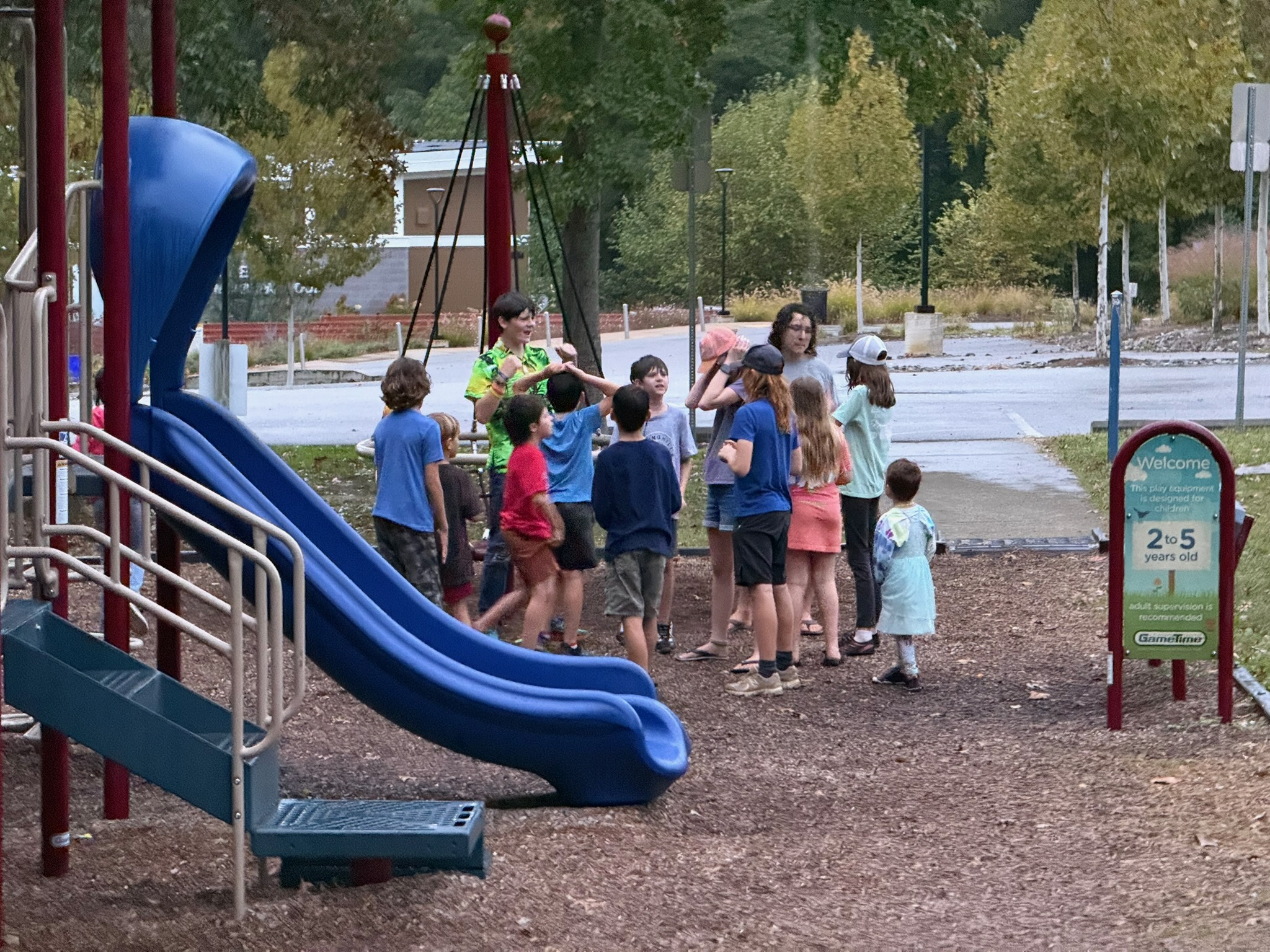
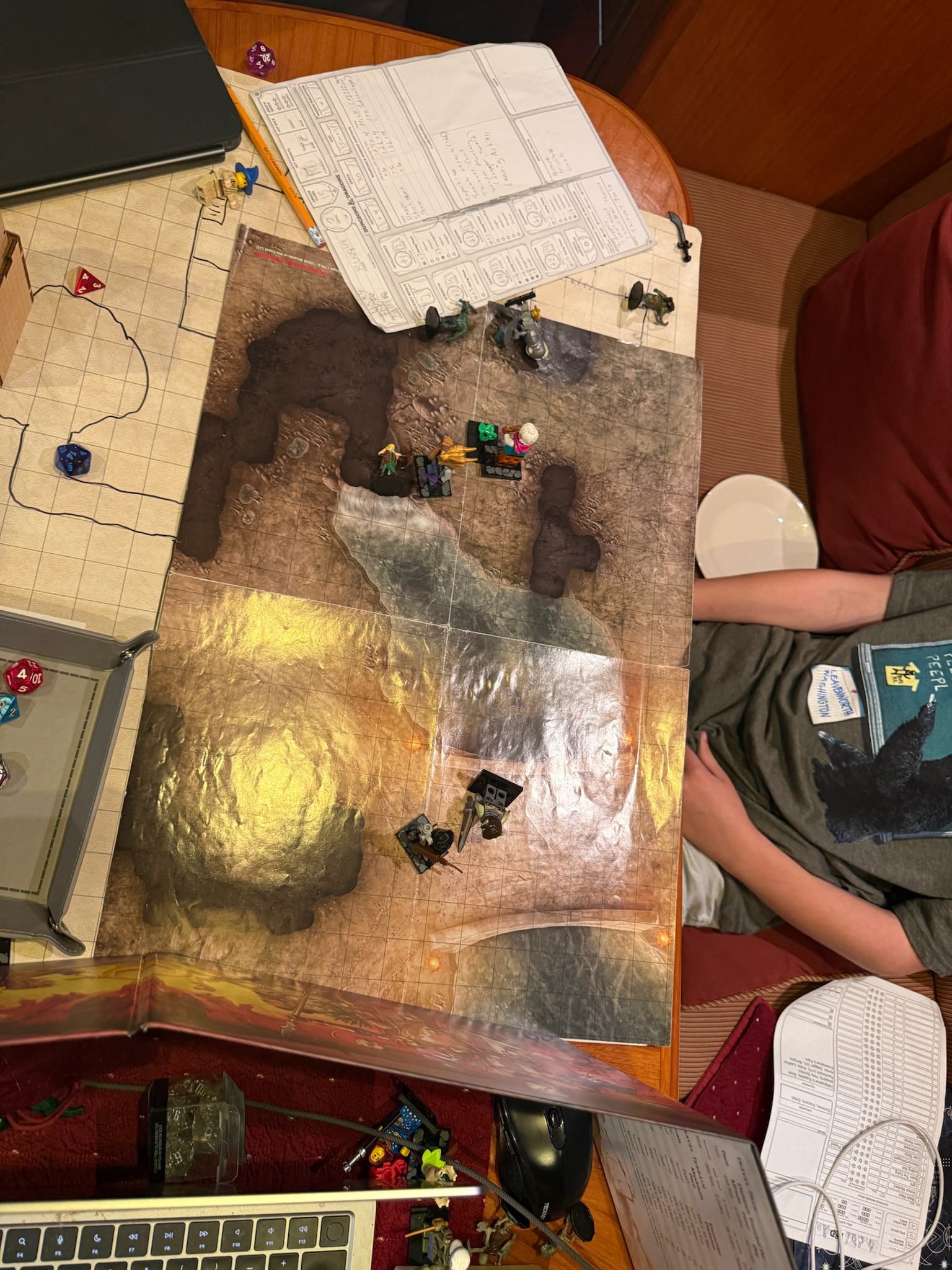
On Saturday, we had lunch at a restaurant. For three burgers and a cup of cream of crab it was 52 dollars! Ridiculous! After lunch we played D&D with Blue Heeler, then we went to a big gathering of boat kids. I had such a good time.
Samedi nous avons mangé au restaurant. Pour trois burgers et un pot de crème de crabe c’était 52 dollars! Ridicule! Après ça nous avons joué à D&D avec Blue Heeler, puis nous sommes allés à un grand rassemblement d’enfants matelots. J‘ai passé un très bon moment.
On Sunday, Dad went to the boat show and mom and I went to lunch at Picante. In the afternoon we walked around Annapolis with Blue Heeler.
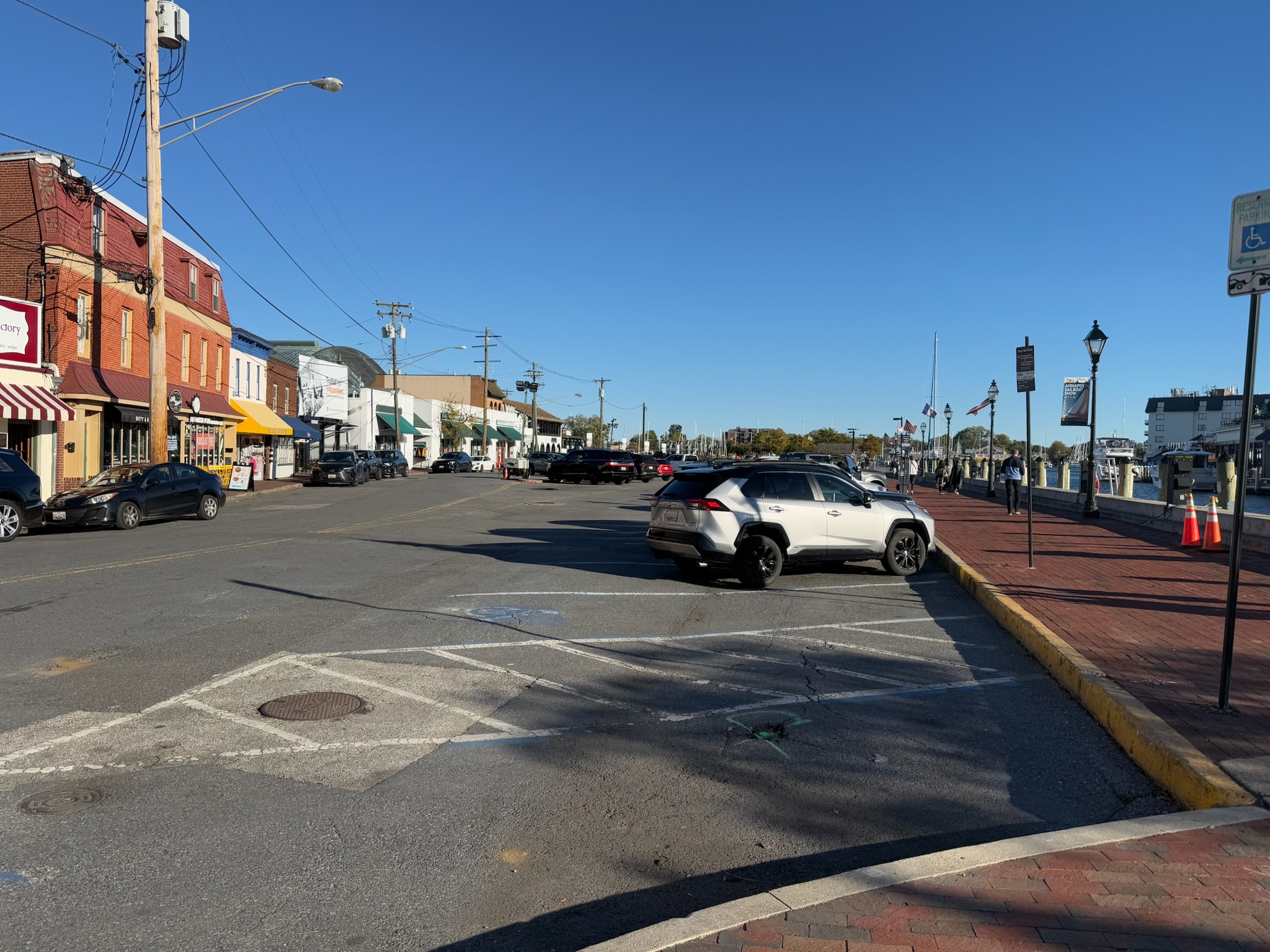
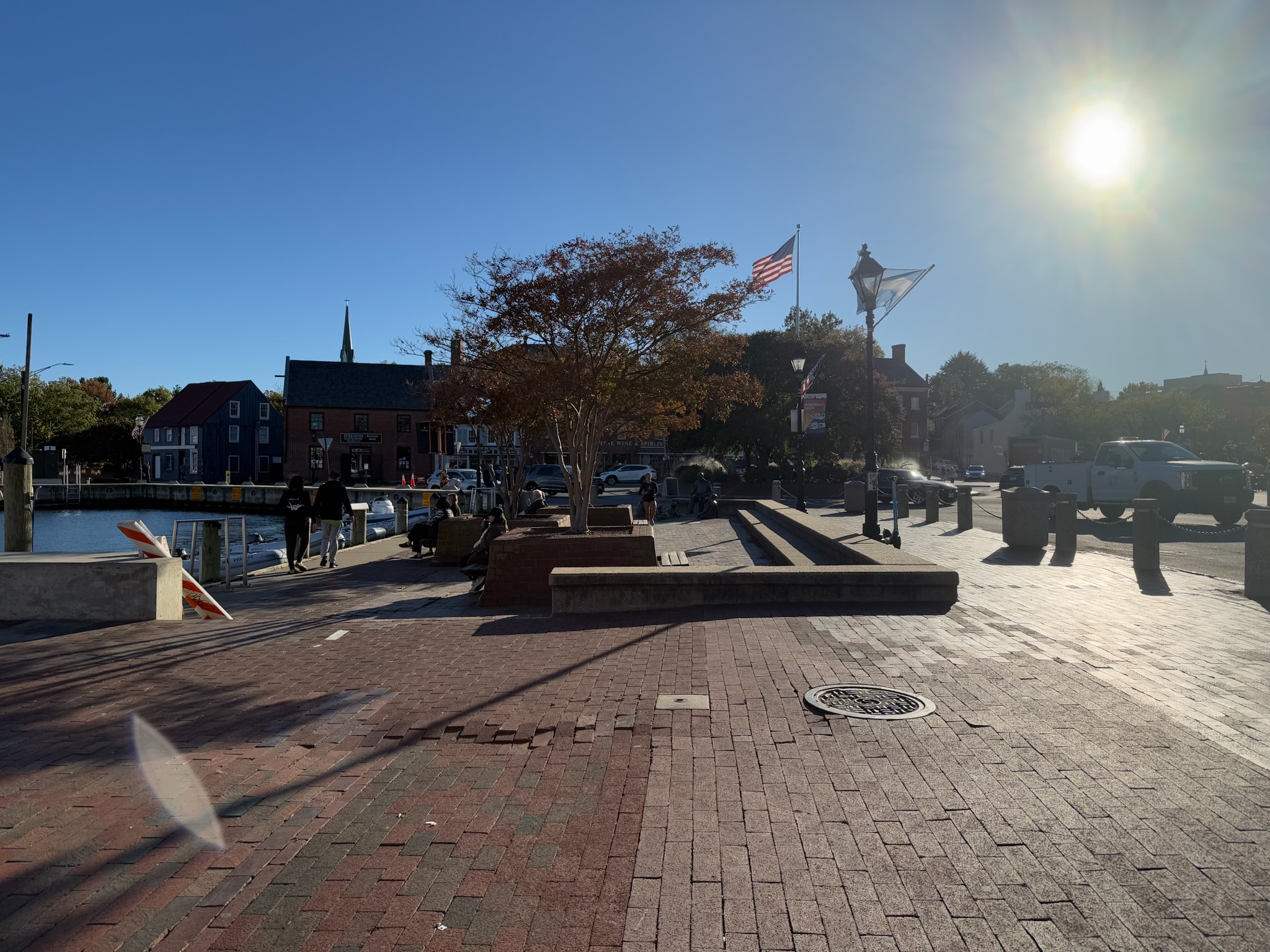
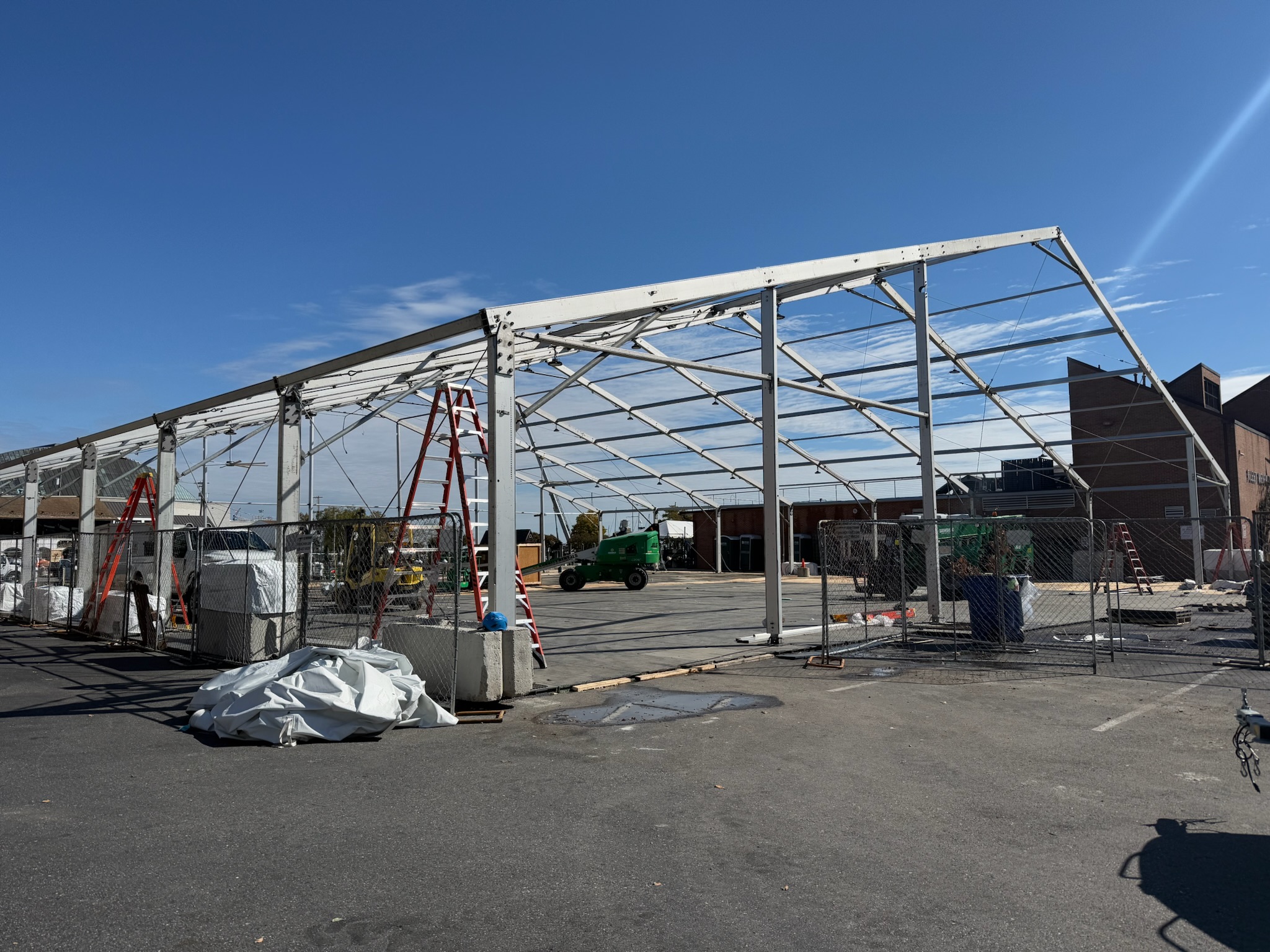
continued… On the walk back, we marveled at how different the town looked now that the extra infrastructure for the boat show had been cleared away. This entire street had been part of the show. Only the sidewalk in front of the stores had been open to the public. Even yesterday, the road was open, but the parking spots were still closed off, and so was pedestrian traffic along the waterfront.
The Market was to the right, on the other side of the street.
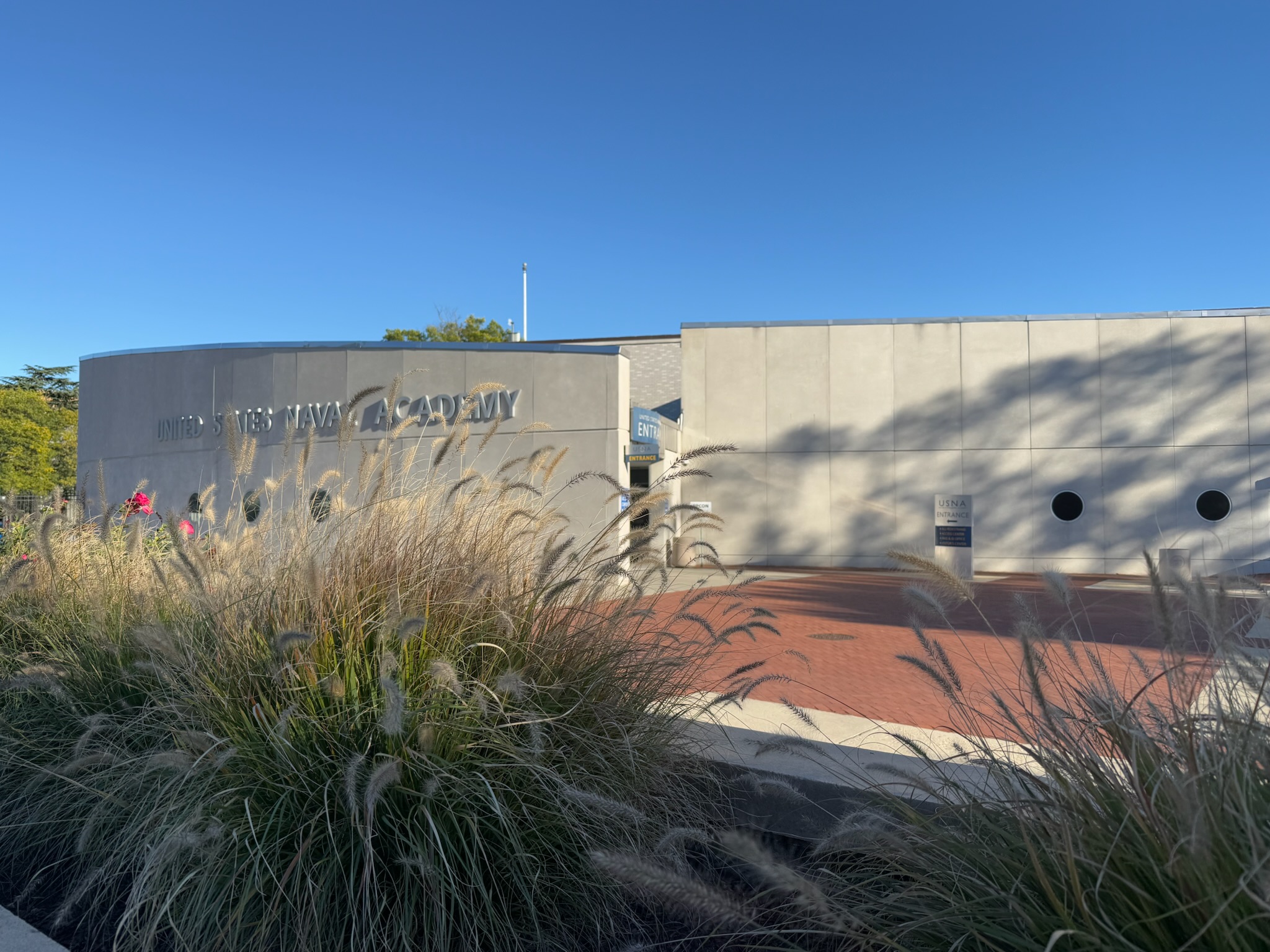
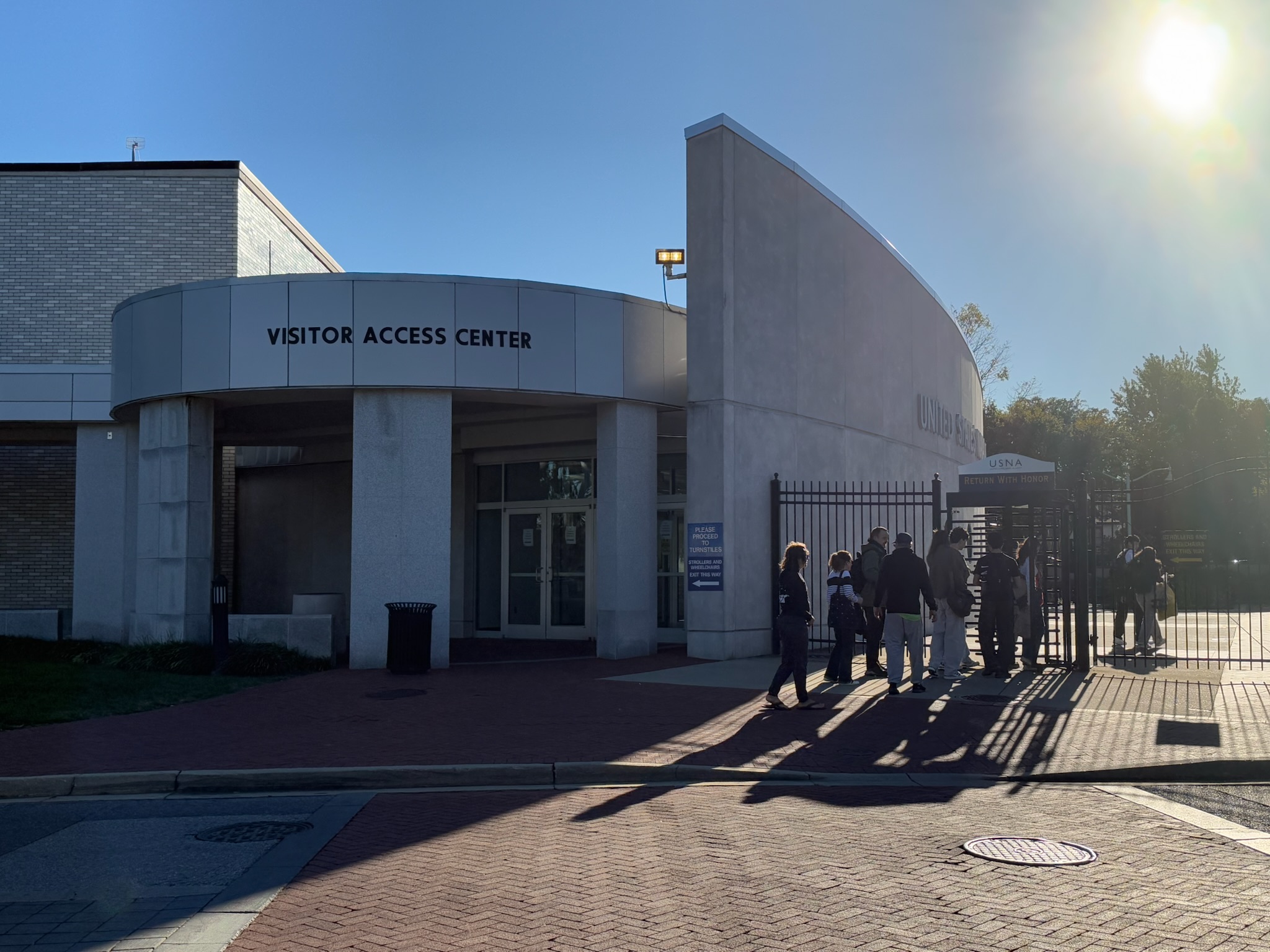
The security guard said the last tour of the day was just beginning, so we rushed into the visitor’s center to get tickets. We passed a group that was standing near the entrance; an older gentleman was introducing himself, so we figured that was our group and they’d already started.
It looked like there was a film that showed every few minutes and a small museum in the visitor’s center, but we obviously didn’t have time watch the film or to look around. Tickets were $18 for adults and $16 for ages 5 – 17. The man at the register tried to charge Keith for an adult ticket. When we said he was a student he said “Oh, here for a college tour?” When we said he was only 13, he looked disbelieving.
Yesterday morning, Eric was busy with more boat maintenance. He changed the batteries in the refrigerator sensors. He unpacked the lazarette in order to access the wireless temperature sensor for the inverter blower and changed the batteries in it. Eric was relieved that the system remembered all the settings and he didn’t need to reprogram the settings.
We have two modes of operation: anchoring and marina. When we’re in a marina, some of the gear that we need for anchoring gets stowed in the dinghy. He unpacked the dinghy so that he could work on it. Then he tested the new dinghy motor battery that he’d bought at the boat show (it had arrived via UPS a couple of days ago) and confirmed it worked.
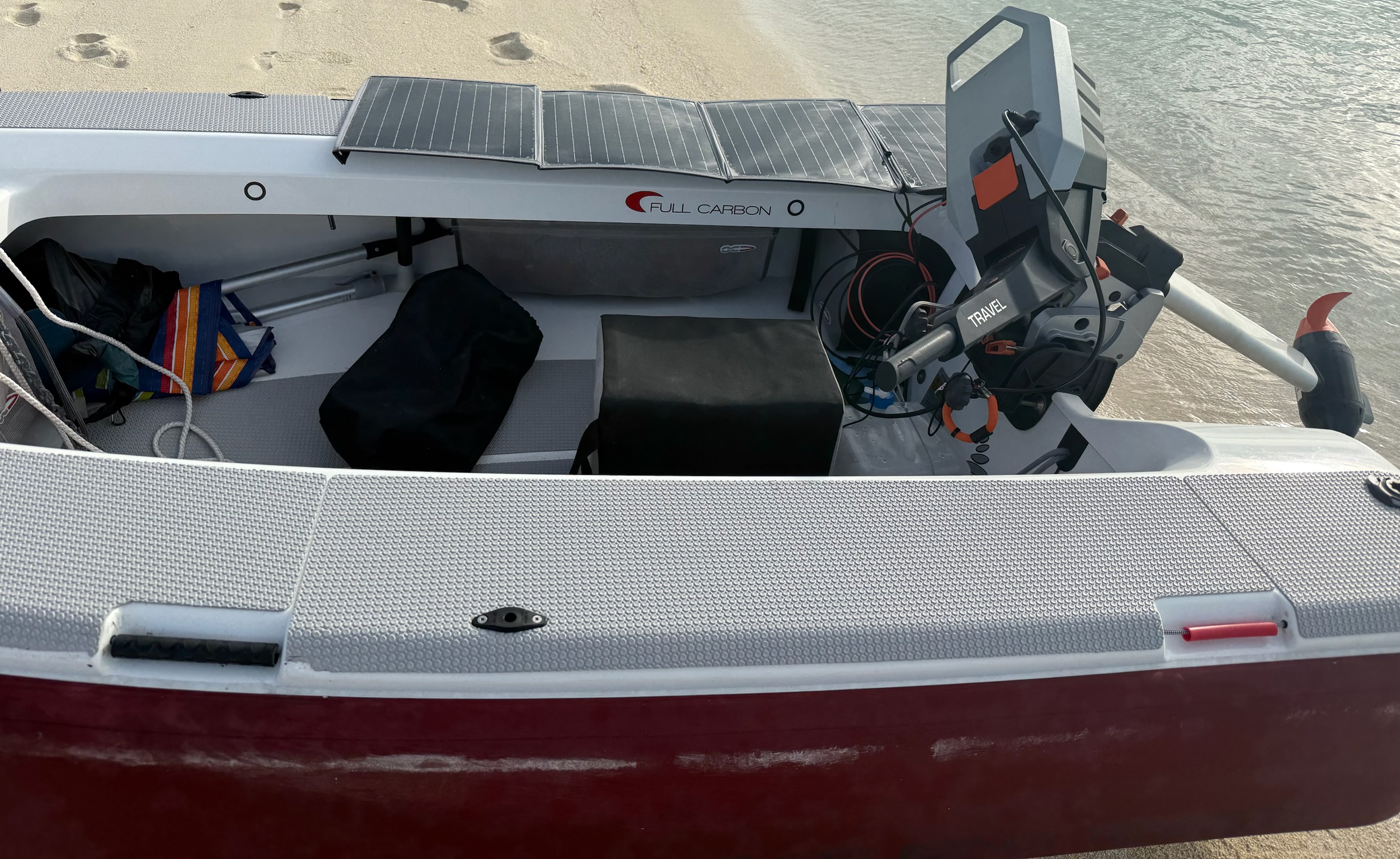
Next he tackled the handles. Our dinghy has 6 handles that were factory installed. As we’d already mentioned, two had broken. While we were in Norfolk, Eric had purchased special line specifically for the handle repair project. He installed the lines and the handles (the one he’d purchased and the hose). Much to his delight, the hose worked great as a handle — almost as good as the one we’d bought.
The black one is the purchased handle, the red one is the hose.
When he was done, he put all the stuff away that had come out of the dinghy and the lazarette, which was a significant task.
At one point, we all took a break from chores/school so we could go say our goodbyes to Blue Heeler, who were leaving today to start heading south. Since we were going to the Eastern Caribbean and they were going to The Bahamas, we likely wouldn’t see them again. The hardest part about boating is leaving the friends that have been made.
After we finished chores/school, we went to The Market for lunch. Now that the boat show was over, the tents and other obstructions were being removed, and we were starting to see what the City Dock area actually looked like.
Tuesday, October 14 — Sunday night was really rainy, but by the Monday morning, the precipitation slowed down to a drizzle. It was drizzly and cool all day, making it a great day for boat projects. Eric went back to the wing engine exhaust project. He undid the hoses and tightened the wing engine exhaust elbow. When he tested it, he was frustrated to see that there was still debris in the air. But after inspecting it more closely, he’d determined it was probably smoke from the paint; he’s pretty sure that the exhaust was properly put back together and wasn’t leaking. He’ll run it some more over the next few days to be certain.
Once Keith was done with his school work, Eric and Keith went to a restaurant called the Iron Rooster, which was located near The Market. Christi stayed aboard to work on her land-life project.